BioGravity-1: How Saudi Arabia's Space Mission Could Revolutionize Brain Research
The BioGravity-1 mission, launching the first biological samples from the Middle East into space, is a strategic move positioning Saudi Arabia at the forefront of understanding and treating neurodegenerative diseases.
Photo: NASA / Wikimedia Commons (Public domain)
Space has long been seen as the ultimate frontier for exploration, but its unique environment is increasingly proving to be an unparalleled laboratory for understanding human health. Can the microgravity conditions of orbit unlock secrets to devastating neurodegenerative diseases like Alzheimer's and multiple sclerosis that have long eluded researchers on Earth? Saudi Arabia certainly believes so, and its new BioGravity-1 mission is poised to become a significant catalyst in this critical quest.
Recently, the Kingdom launched the first biological samples from the Middle East into space, embarking on a multi-phase research program aboard a SpaceX resupply flight to the International Space Station (ISS). This initiative, a collaboration between the Saudi Space Agency (SSA), King Abdullah University of Science and Technology (KAUST), the US-based National Stem Cell Foundation (NSCF), Axiom Space, and with support from NASA, is not merely a symbolic gesture. It represents a deep commitment to leveraging the space environment for biomedical innovation, particularly in areas where Earth-bound research faces inherent limitations, as reported by Fast Company Middle East.
The Unseen Advantage of Microgravity
The fundamental premise behind missions like BioGravity-1 is the unique environment of microgravity. On Earth, gravity constantly influences cellular behavior, tissue development, and physiological processes. As NASA's Space Biology Program highlights, organisms have adapted to these terrestrial conditions over millions of years. When these conditions are altered in space, profound changes occur at every biological level, from molecules to whole organisms. This offers a singular opportunity to observe cellular mechanisms stripped of gravitational cues, potentially revealing previously hidden dynamics of disease progression.
For neurodegenerative conditions, where the intricate dance of brain cells goes awry, microgravity could provide an accelerated, unhindered view of these processes, making it a powerful tool for advancing treatments and drug discovery. Without the confounding effects of gravity, scientists can isolate specific cellular responses and observe how diseases develop at a fundamental level that is difficult, if not impossible, to replicate in terrestrial labs. This could lead to a deeper understanding of the mechanisms behind aging and neurodegenerative disorders, paving the way for targeted therapies.
No topics yet: start the first one.
More stories
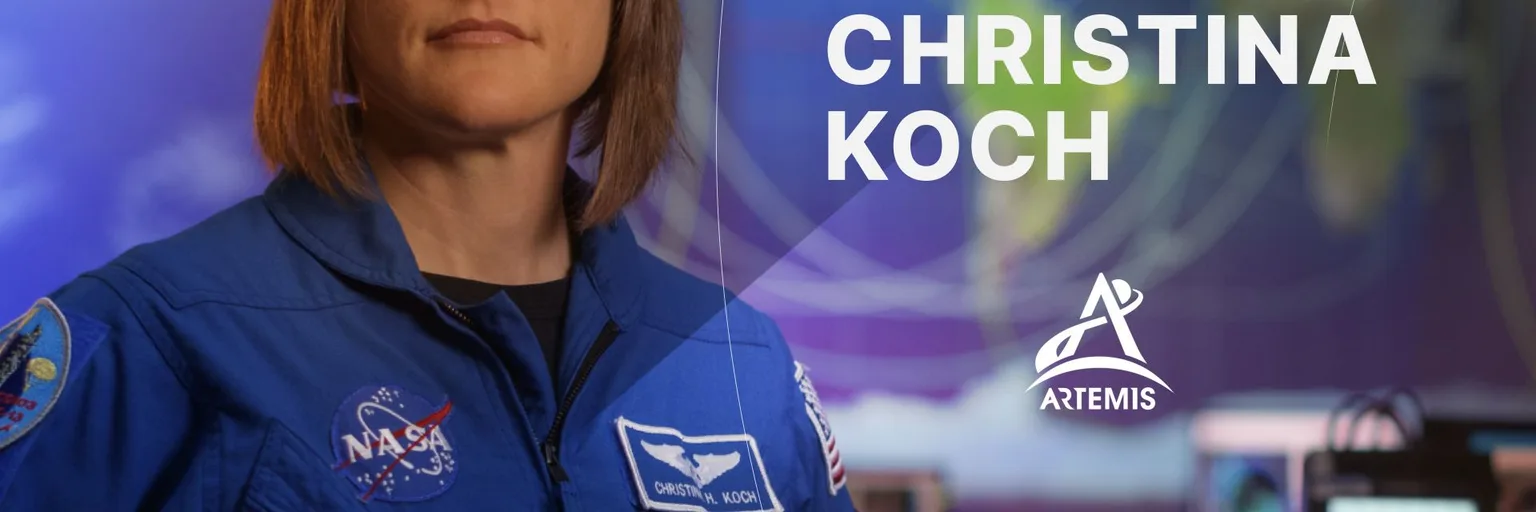
Christina Koch's New Role: A Strategic Shift, Not a Setback, for Artemis
NASA's decision to move Artemis II astronaut Christina Koch into a key engineering leadership position signals a deliberate pivot towards foundational technical oversight and long-term mission architecture over an accelerated lunar landing timeline.
Artemis III's Stacking Milestone: A Crucial Preparatory Step, Not the Final Leap
NASA's completion of Artemis III booster stacking marks a significant engineering milestone, signaling steady progress in the complex preparatory missions essential for future human lunar landings.

A Cosmic Phoenix: Rethinking Planetary Rebirth Around Dead Stars
A newly discovered exoplanet, formed from the ashes of its host star, challenges our most fundamental assumptions about how and where planets can emerge, opening new chapters in stellar archaeology.

The Brutal Truth: Why We're Still Not Ready for Mars
A leading French astronaut’s frank assessment of humanity's physiological and technological readiness for Mars reveals a sobering gap between our grand ambitions and current capabilities.