The Starship double catch matters for cadence, not for the show
Snagging both Starship stages with tower arms would be thrilling to watch, but the real prize is shorter turnaround and lower cost per flight, and that is slower to prove.
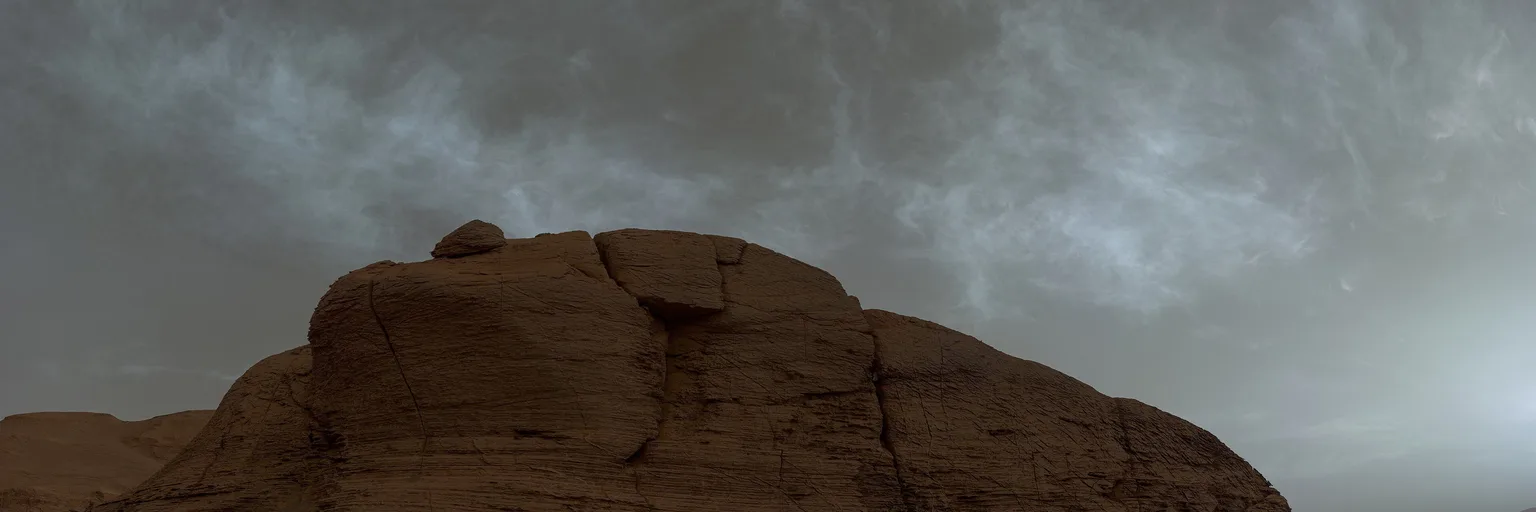
Photo: Mobilus In Mobili / Wikimedia Commons (CC BY-SA 2.0)
Will anyone remember the catch, or the launch that follows it? Today's Starship flight will probably produce some of the most replayed footage of the year: a rocket system larger than the Statue of Liberty, plucked out of the air by a tower's arms. Our view is that the footage is the least important thing about it.
Flight 15 is a big bet, but with an escape hatch
As Space.com reports, Flight 15 is meant to be the first attempt to catch both stages with the launch tower's "chopstick" arms. The Super Heavy booster is due back at Starbase about 6.5 minutes after liftoff. It has already been caught on three earlier flights. Ship 42 would deploy 26 Starlink V3 satellites, circle Earth 14 times and return for its own catch about 22.5 hours after launch.
There is a safety valve. SpaceX will only go for the ship catch if all systems look good. Otherwise it will splash down in the Pacific, near Hawaii or Chile. Elon Musk said on the company's third-quarter earnings call that it is "more likely than not" that the attempt succeeds. That is a CEO's forecast, not a result.
The catch is a means, not the milestone
Full reusability is not about whether a stage survives. It is about how quickly it can fly again. According to SpaceX, bringing both stages straight back to the launch mount should greatly cut the time needed for inspection, refurbishment and reflight. That is the claim worth watching. A ship that lands softly in the ocean is not reusable in any useful sense if it needs weeks of work before its next flight.
The company's ambition shows the stakes. Musk has said he wants 10,000 Starship missions per year by 2030. We would treat that as an aspiration, not a plan. But it shows why the catch matters only as a link in a chain: catch, inspect, restack, relaunch. A spectacular catch followed by a long refurbishment would be a fine stunt and a poor business case.
A success would prove less than the hype will claim
A clean ship catch would show that the upper stage can survive reentry well enough to come home in a condition the tower can handle. That is a real engineering threshold. The ship has never been caught, and until now SpaceX has targeted ocean splashdowns for it.
It would not tell us what a reflight costs, or how many flights a vehicle can take before heavy rework. No cost-per-flight or turnaround figures have been published around this flight, so anyone quoting them today is guessing. We would be wary of declaring the problem solved after a single catch. One success is a demonstration. Cadence is a statistic, and statistics take dozens of flights.
There is also the plain fact that this program has a long record of uneven results. As dpa notes, the first test in April 2023 ended in an explosion within minutes. The most recent flight in September reached orbit for the first time and ended in a controlled plunge into the Pacific. Progress is real, but it has come in steps, with failures along the way.
Judge it by the second flight, not the first catch
Watch the catch, by all means. It is a remarkable piece of engineering. But judge the program by what comes after: how soon the same hardware flies again, and how little work it needs in between. If the next flights show a booster and ship turning around in days rather than months, the double catch will deserve its mythology. If not, it will be the most impressive photo op in spaceflight.
No topics yet: start the first one.
More stories
Voyager 1's light-day is a milestone of stamina, not of distance
Reaching one light-day is a nice number, but the real story is a plutonium-powered probe shedding instruments to stay alive, and the question of what comes next.

Artemis II's GPS glitch is a warning, not a curiosity
A rocket punched holes in the ionosphere and may have skewed GPS by meters. With more launches coming, we should measure that effect, not file it under trivia.
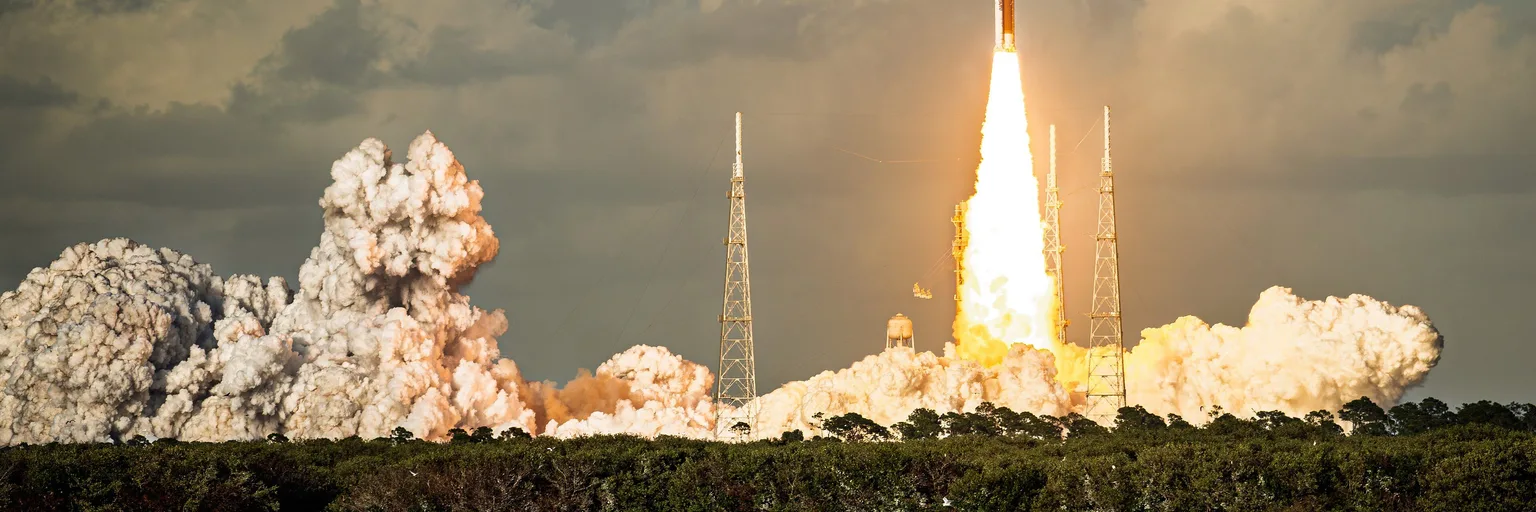
NASA's new astronaut call is a test of whether the Moon base is real
NASA is recruiting again, and the pitch is about people who can live and work on the Moon, so the next class will show whether the plans are serious.
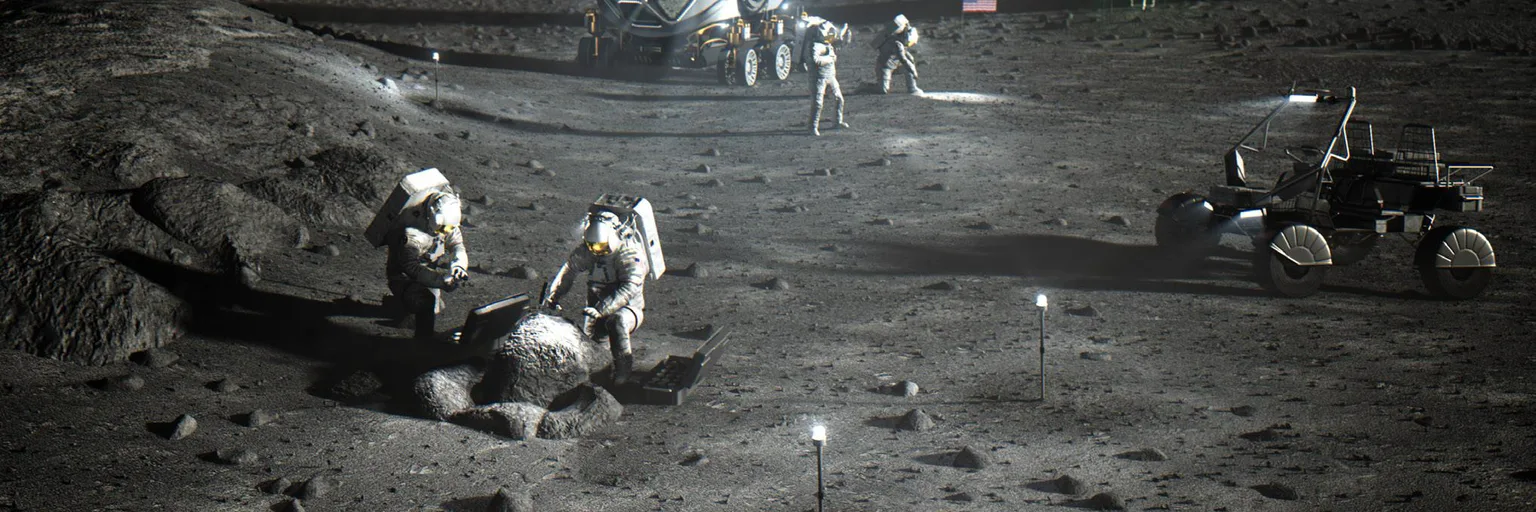
Nitrogen on Mars is a necessary ingredient, not evidence of life
Curiosity's detection of usable nitrogen strengthens the case that ancient Mars was habitable, but a pantry stocked with chemistry tells us nothing about whether anyone cooked.