Elephant Seals: The Unsung Heroes Unveiling Ocean's Deepest Secrets
A remarkable discovery of new deep ocean currents in the Kerguelen Islands, facilitated by an unlikely team of elephant seals, is revolutionizing our understanding of marine ecosystems and climate dynamics.
Photo: Antoine Lamielle / Wikimedia Commons (CC BY-SA 4.0)
Could the next frontier in oceanographic research be explored not by advanced robotic submersibles, but by animals? The recent revelation of previously unknown deep ocean currents in the waters around the Kerguelen Islands suggests exactly that. Thanks to an extraordinary collaboration between scientists and the robust elephant seal population of this remote subantarctic archipelago, we are gaining unprecedented insights into the hidden mechanics of our planet's oceans, highlighting an innovative approach that promises to reshape climate research.
For years, scientists have understood the critical role oceans play in regulating global climate, but direct observation of deep-sea phenomena remains a significant challenge. However, a thriving colony of some 350,000 elephant seals in the Kerguelen Islands has been quietly collecting invaluable data. Equipped with specialized Argos tags that measure temperature, pressure, and salinity, these natural divers are acting as mobile oceanographers, providing precise, continuous measurements from depths that are difficult and expensive for human-operated instruments to reach consistently. The data they've gathered has now led to the discovery of new deep ocean currents, offering a fresh perspective on a dynamic and biologically sensitive region.
Unlocking the Ocean's Vertical Puzzle
What makes these elephant seals such exceptional data collectors is their remarkable diving ability. These pinnipeds, the largest of their kind, routinely plunge to average depths of 450-500 meters, with some individuals reaching an astounding 2,000 meters. Unlike stationary floats or human expeditions, the seals' continuous and wide-ranging movements allow for a comprehensive mapping of ocean conditions along their foraging paths. This method, which has been in place since 2004 and is recognized as a National Observation System, generates data akin to Argo floats but with far more frequent and numerous measurement cycles. This high-resolution data has enabled researchers to deduce crucial information like water density and buoyancy, which are fundamental to understanding ocean currents and heat transport.
Crucially, these animal oceanographers have unveiled a significant finding concerning vertical heat transport in the deep sub-mesoscale fronts around the Kerguelen Islands. Contrary to what might be expected in some large-scale fronts where warm water descends, the data suggests that in these specific deep fronts, "warm water goes up." This observation could have substantial implications for how we model the ocean's cooling effect on the atmosphere. If warm water is transported upwards from the deep ocean in these regions, it suggests a more complex heat exchange mechanism than previously fully accounted for, potentially refining our understanding of oceanic heat budgets and their influence on global weather patterns.
A New Era for Climate Science and Biodiversity
The Kerguelen region itself is a critical area, being part of the Antarctic Circumpolar Current and a known biological hotspot. The data collected by the elephant seals is not only revealing new currents but also shedding light on the intricate relationship between oceanographic conditions and marine life. We know, for instance, that male and female elephant seals exhibit distinct foraging strategies, with males preferring the Kerguelen and Antarctic plateaus, while females venture into more oceanic habitats between subtropical and Antarctic zones. They hunt by detecting bioluminescence from lantern fish using their vibrissae and eyes. This kind of detail, only accessible through the seals' natural behavior, enhances our understanding of the biodiversity supported by these dynamic waters and how it might be affected by changing ocean conditions.
The integration of marine biology with advanced oceanographic techniques, as demonstrated by this research, represents a potent pathway for future climate science. While satellite altimetry like the upcoming SWOT mission promises to deliver unprecedented surface ocean detail, the deep-ocean data collected by living auxiliaries like elephant seals, or future automated floats, will remain indispensable. This approach underscores a compelling argument: sometimes the most sophisticated tools for understanding our planet are those already adapted to its most challenging environments. Embracing these natural 'sensors' offers a cost-effective, sustainable, and remarkably effective means of peering into the ocean's depths, delivering insights that are vital for informed conservation and climate action.
We believe this research not only advances our scientific understanding but also serves as a powerful reminder of nature's ingenuity. It's a testament to how creative, interdisciplinary approaches, leveraging the inherent capabilities of Earth's creatures, can unlock secrets that have long eluded us, paving the way for more accurate climate predictions and more effective conservation strategies for the world's most vulnerable ecosystems.
No topics yet: start the first one.
More stories
An Oxford Pond Microbe Shatters Biology's 'Universal' Code
A tiny ciliate discovered in a mundane university pond has rewritten fundamental genetic rules, proving that life's instructions are far more flexible than textbooks ever suggested.
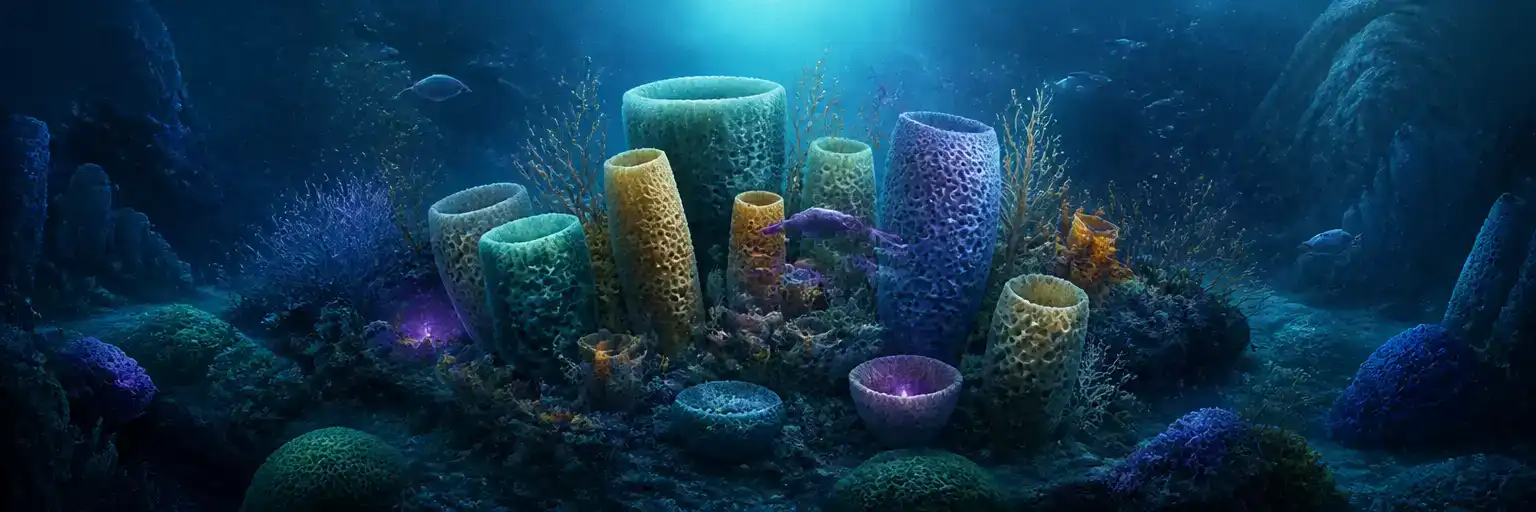
Alaska's Sponges Unmask a Deeper Trawling Problem
The recent discovery of nine new sea sponge species in Alaska not only reveals vast hidden biodiversity but also intensifies the critical debate over destructive bottom-trawling practices.
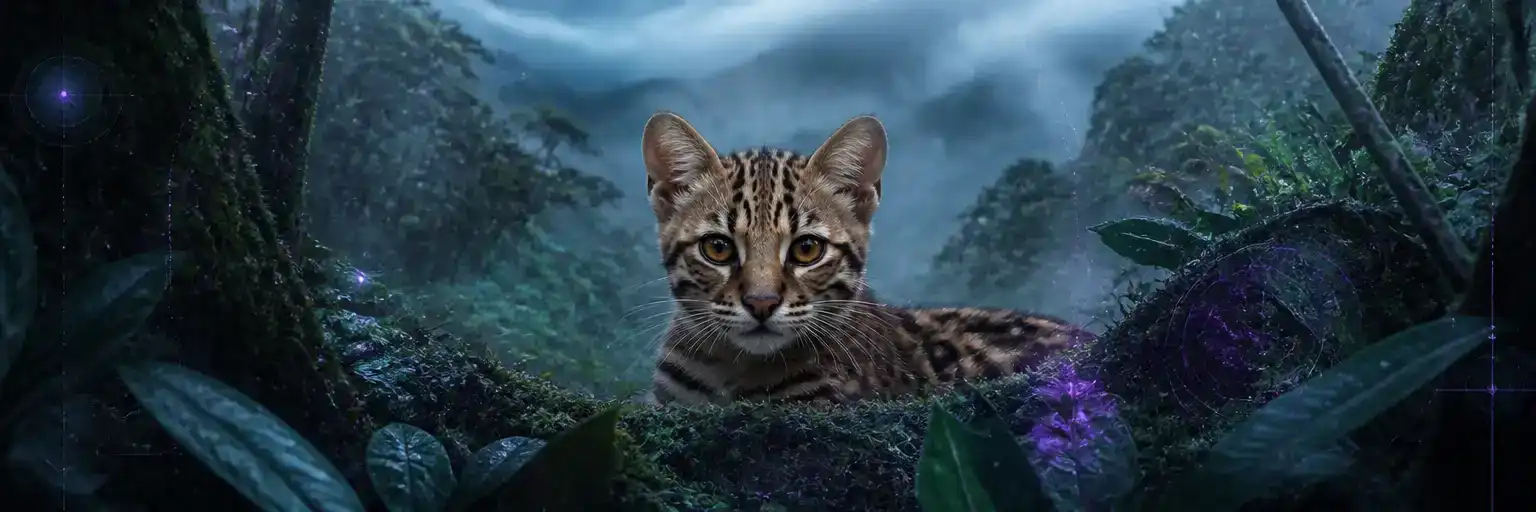
Bolivia's New Cat: More Than a Discovery, a Conservation Imperative
The identification of *Leopardus tilcayo* in Bolivia, the first new wild cat in over a century, underscores the vibrant hidden biodiversity in remote ecosystems and the indispensable role of local communities in safeguarding these natural treasures.
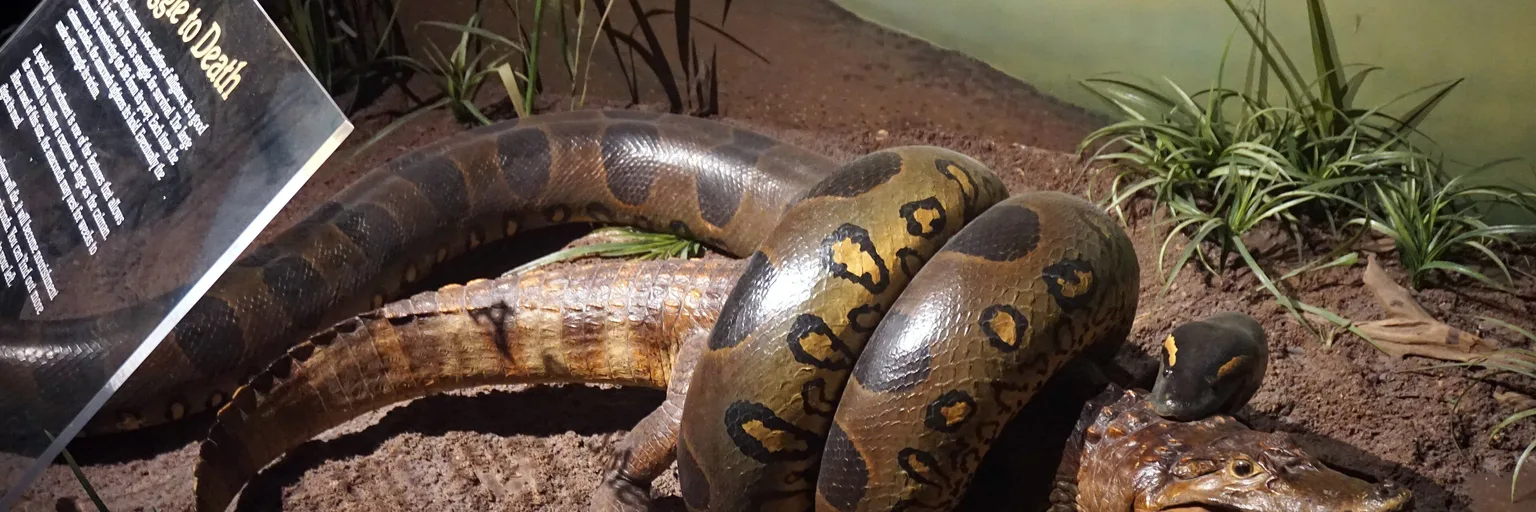
Will Smith and the Anaconda: When Celebrity Catalyzes Science
The discovery of a new giant anaconda species during a Will Smith documentary underscores how unexpected collaborations can elevate scientific findings, prompting reflection on research visibility.