Bumblebee Play Isn't Just Cute; It Rewrites Animal Cognition
A new study demonstrating that bumblebees voluntarily roll wooden balls without reward challenges traditional views of play, pushing us to rethink insect intelligence and sentience.
AI-generated image
Can an insect truly "play"? For generations, the concept of play has been almost exclusively associated with mammals and birds, creatures with complex brains and social structures that align with our anthropocentric understanding of intelligence. Yet, a fascinating new study out of Queen Mary University of London suggests we may need to fundamentally rethink this boundary, offering a glimpse into the unexpected inner lives of creatures as seemingly simple as the bumblebee.
The research, published in Animal Behaviour in October 2022, observed bumblebees repeatedly manipulating small wooden balls without any external reward, such as food. This isn't a mere reflex; it's a behavior that fulfills the scientific criteria for animal play, raising profound questions about what constitutes consciousness and enjoyment in the animal kingdom.
Redefining "Play": A Crucial Distinction
To understand the significance of this discovery, we must first clarify what constitutes "play" in the scientific sense. Researchers define it as repeated behavior that provides no immediate functional benefit—no food, no shelter, no mating opportunity. This distinction is critical because, while a previous 2017 study showed bumblebees could be trained to roll balls in exchange for a sugary prize, the more recent work specifically removed that reward. Led by Samadi Galpayage from Lars Chittka's lab, the team observed 45 bees undertaking 910 ball-rolling actions over 54 hours, with some individuals returning again and again. Importantly, these activities happened at different times and frequencies than feeding, indicating different motivations. Younger and male bees, in particular, showed a heightened interest in these seemingly pointless activities, adding another layer to the complexity.
This evidence challenges the long-held assumption that object play is reserved for creatures with sophisticated cognitive functions, primarily mammals and birds. The bumblebee, a large, fuzzy pollinator crucial for crops like passionfruit, tomatoes, and peppers, is not traditionally associated with complex leisure activities. This study doesn't just add a new species to the list of 'players'; it dramatically broadens the scope of what we consider a 'playing' animal, pushing the boundaries far beyond vertebrates.
Beyond Instinct: A Glimpse into Insect Minds?
The implications of this research extend far beyond mere curiosity. Play behavior is considered a significant piece of the puzzle in determining animal sentience—the capacity to have feelings and subjective experiences. As Heather Browning, an animal welfare expert and philosopher at the University of Southampton, points out, evidence for characteristics like play, complex brain structure, and learning ability collectively "raise the probability of sentience." This study, she adds, "seems to be pointing in that direction," as reported by Scientific American.
We've seen similar shifts in our understanding of other invertebrate groups. Cephalopods, for instance, have forced a reevaluation of non-vertebrate intelligence. Marine biologist Alex Schnell's observations of her cuttlefish recognizing her after years of contact, combined with controlled studies showing cuttlefish passing self-control tests comparable to chimpanzees and remembering specific feeding events, have been instrumental. This accumulating evidence even led to the United Kingdom legally recognizing octopuses, squid, and cuttlefish as sentient under animal welfare law, as reported by A-Z Animals. If cuttlefish with their distributed nerve cells can demonstrate such impressive cognitive feats, why should we assume insects are incapable of anything beyond programmed instinct?
Of course, the exact motivations behind the bees' ball-rolling remain a mystery. Olli Loukola, who led the earlier reward-based study, wonders if it's an "innate need to develop motor skills," rather than pure pleasure. Pinpointing the emotional or cognitive drivers would require further research, perhaps analyzing neurotransmitter activity during play. Nevertheless, the very existence of voluntary, non-rewarded object manipulation in an insect compels us to consider a richer internal world than previously imagined.
The Unseen World: Rethinking Our Place in Nature
This discovery forces us to confront our biases about intelligence and sentience. If bumblebees, creatures whose brains are vastly different from our own, can engage in what appears to be play, what does this tell us about the vast, unseen spectrum of animal consciousness? It demands a more humble and expansive view of the animal kingdom, one that moves beyond simplistic categorizations.
For Curisfera, this research represents a crucial step in understanding the true breadth of biodiversity and cognition. It's a powerful reminder that our scientific journey is one of continuous discovery, often overturning long-held beliefs. We must continue to investigate these behaviors with rigor and an open mind, not only to deepen our knowledge of the natural world but also to inform our ethical responsibilities towards all its inhabitants. The playful bumblebee isn't just a cute anomaly; it's a tiny, buzzing philosopher challenging us to think bigger about what life truly means.
No topics yet: start the first one.
More stories
Antarctica's Icefish City: A testament to nature's hidden wonders and our relentless curiosity
The recent discovery of over a thousand meticulously organized fish nests beneath the Antarctic ice, revealed by a massive iceberg and a nimble underwater robot, highlights not just the resilience of life in extreme environments, but also the transformative power of technology in unveiling our planet's deepest secrets.

North Sea Craters: Porpoises, Not Gas, Are Reshaping Our Ocean View
The discovery of precisely 42,458 similar seabed holes in the North Sea, once attributed to gas leaks, now reveals surprising biological activity fundamentally altering our view of seafloor dynamics and marine life's impact.

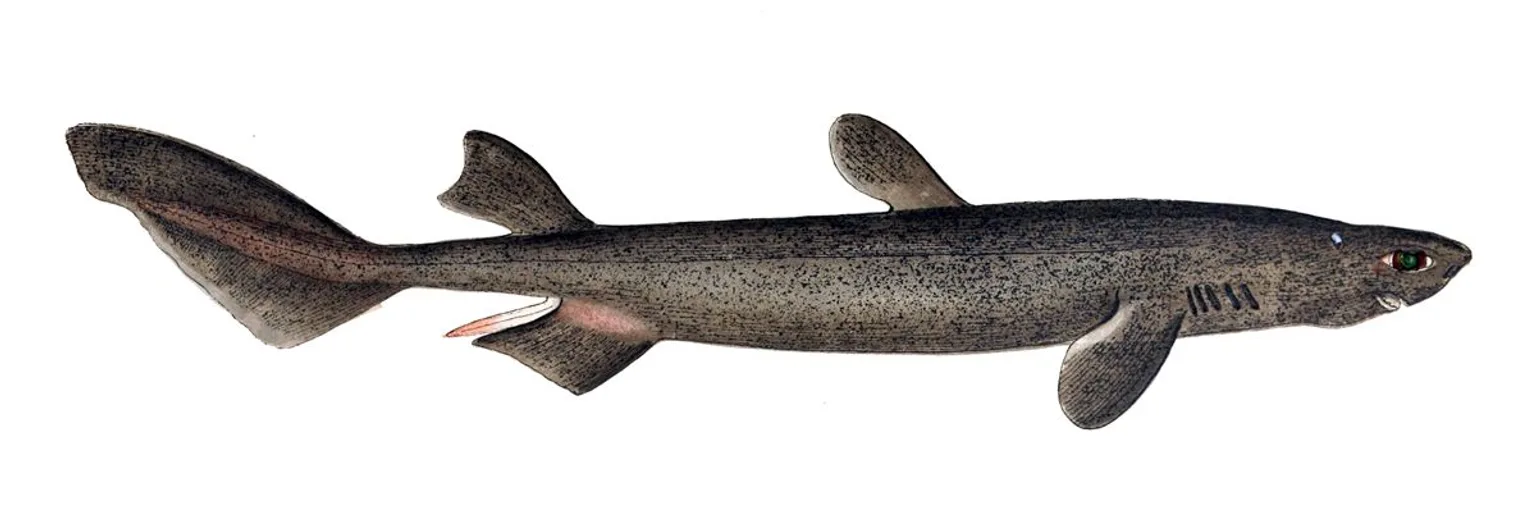
Deep Sea's Luminous Giants: How Glowing Sharks Redefine Ocean Life
The discovery of the kitefin shark and two lanternshark species, capable of producing their own light in the ocean's twilight zone, underscores the vast, unexplored biodiversity thriving in the deep sea and challenges our understanding of life in extreme environments.
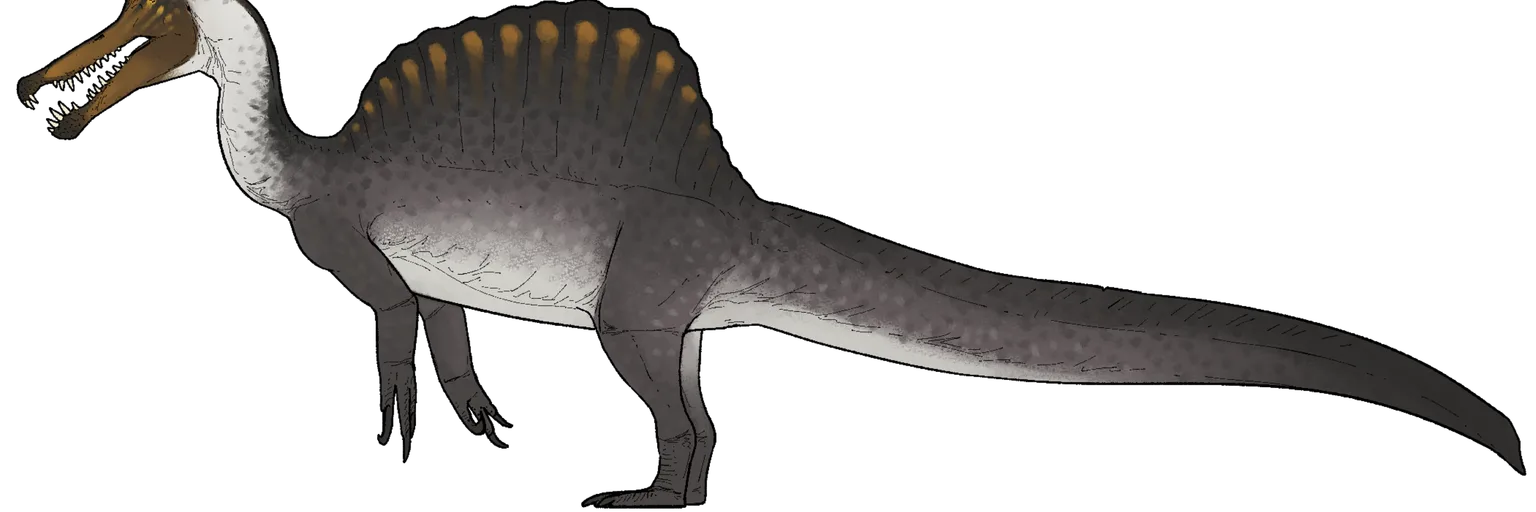
The 'Hell Heron' Rewrites the Spinosaurus Story
The discovery of *Spinosaurus mirabilis* in the Sahara not only unveils a stunning new predator but profoundly reshapes our understanding of ancient ecosystems and the life of spinosaurids.