Italy's CARtoALL Project: A Bold Leap in Next-Gen Cancer Therapy
The Italian Medicines Agency's significant investment in the CARtoALL project isn't just funding research; it's solidifying Italy's position as a leader in advanced, life-saving CAR T-cell therapies for aggressive blood cancers.
AI-generated image
The fight against aggressive cancers, especially those that defy conventional treatments, often feels like a constant uphill battle. Yet, every so often, a breakthrough or a strategic investment signals a tangible shift in momentum. For Italy, the recent funding of the CARtoALL project by the Italian Medicines Agency (AIFA) represents precisely such a moment, marking a significant step forward in the development of cutting-edge CAR T-cell therapies. This initiative not only offers a beacon of hope for patients facing relapsed leukemias and lymphomas but also unequivocally positions the country at the forefront of advanced medical research.
Under its 2025 Call for Rare Diseases, AIFA has committed to supporting the CARtoALL project, a multicenter study spearheaded by the Pisa University Hospital in collaboration with the University of Pisa, the University of Bologna, and IRCCS Istituto Romagnolo per lo Studio dei Tumori "Dino Amadori" (IRST) in Meldola. The primary objective is ambitious yet critical: to develop the first Italian CAR T-cell therapy specifically engineered to combat T-cell acute lymphoblastic leukemia and relapsed or refractory peripheral T-cell lymphomas. These are rare but highly aggressive blood and lymphatic system cancers, for which existing treatment options are often exhausted, leaving patients with a particularly poor prognosis.
The Unmet Need: Why This Matters So Urgently
To understand the profound significance of CARtoALL, we must first grasp the severity of the diseases it targets. T-cell acute lymphoblastic leukemia and peripheral T-cell lymphomas are characterized by the abnormal and uncontrolled growth of T lymphocytes. When these cancers relapse after standard therapies or allogeneic transplantation, the prognosis becomes dire, underscoring an urgent, unmet clinical need. Traditional approaches often falter against these aggressive malignancies, highlighting the imperative for genuinely novel therapeutic strategies.
This is where the CARtoALL project, known by its therapeutic name CAR-T-One, truly shines. The therapy is designed to target TRBC1, a protein found on tumor cells in approximately 40% of T-cell malignancies. This precision is crucial; by specifically attacking malignant cells while largely preserving the healthy components of the immune system, the CAR-T-One approach seeks to overcome one of the major hurdles that has historically limited the development of CAR T-cell therapies for T-cell cancers. It’s a targeted strike against a formidable enemy, aiming to minimize collateral damage.
Italy's Strategic Bet on Academic Innovation
AIFA's decision to fund CARtoALL through its first-ever call dedicated exclusively to rare diseases speaks volumes about the agency's strategic vision. Robert Nisticò, president of AIFA, emphasized the importance of strengthening support for independent research in areas less attractive to market forces, like rare diseases. This isn't merely a grant; it's an investment in national capacity and expertise, designed to make the publication of such calls an annual, structural event, thereby fostering a consistent pipeline of innovation.
As Antonino Musolino, Acting Scientific Director of IRCCS-IRST "Dino Amadori," noted, CARtoALL represents a "strategic investment for the Italian healthcare system." The project's commitment to developing an "entirely academic CAR-T therapy produced within Italy's National Health Service" (as stated by Sara Galimberti, the project's coordinator) is a powerful statement. It signifies a dedication to self-sufficiency and national scientific prowess, leveraging the combined expertise of leading hematologists, immunologists, and cell therapy experts across multiple prestigious institutions. This collaborative, academic-led approach is designed to ensure that the advancements are not just theoretical but are integrated directly into patient care within Italy.
From Bench to Bedside: The Promise of CAR-T-One
The project's foundation is built on years of rigorous preclinical research, which has already yielded "extremely promising" results. According to Massimiliano Mazza, a key lead for IRST, CAR-T-One has demonstrated "potent antitumor activity, inducing complete and durable remissions with a favorable safety profile" in experimental models. These compelling findings have laid the essential groundwork for transitioning from laboratory discovery to clinical application.
With the AIFA funding secured, the CARtoALL project is now poised for critical next steps. The investment will facilitate the completion of the cell product's validation, the preparation of the necessary regulatory dossier, and, most importantly, the launch of a Phase 1 clinical trial. Patients will be treated in Pisa, with the specialized CAR T-cells produced at IRST's Immuno-Gene Therapy Factory in Meldola. This progression from preclinical success to human trials is the ultimate validation of the research, transforming a promising scientific discovery into a concrete therapeutic opportunity for those with rare hematological cancers. As Katia Belvedere, General Director of the Pisa University Hospital, rightly put it, funding such trials means "advancing along the most innovative frontiers in the fight against cancer."
In our view, the CARtoALL project is more than just a research initiative; it is a testament to Italy's growing commitment to becoming a leader in advanced therapies. By channeling resources into academic research for rare and aggressive cancers, Italy is not only offering new hope to its most vulnerable patients but also cultivating a robust national ecosystem for scientific discovery and translational medicine. This strategic investment in CAR T-cell therapy promises to save lives and elevate Italy's stature on the global medical stage for years to come.
No topics yet: start the first one.
More stories
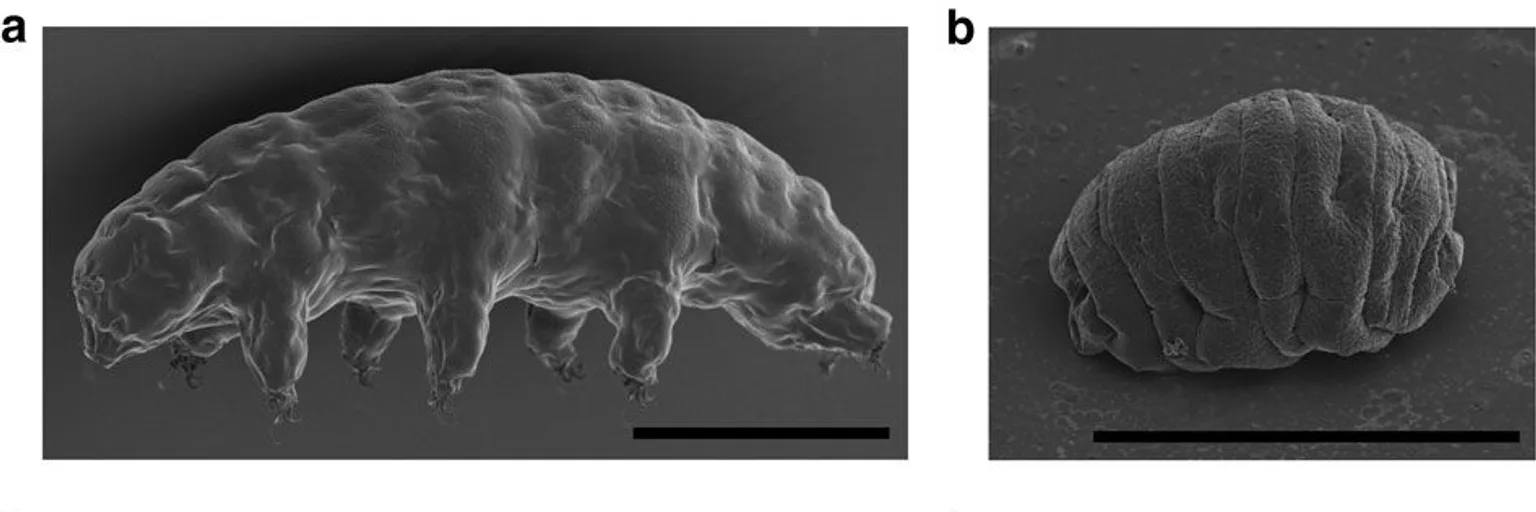
Tardigrade proteins: How microscopic shields could transform human health
The remarkable resilience of tardigrades is no longer just a biological curiosity; its proteins could soon protect human cells, signaling a revolutionary shift in medicine.
The Eye's Hidden Drains: A Century-Old Scientific Revolution
A groundbreaking discovery of a previously unknown lymphatic drainage system in the mouse eye challenges a century of scientific belief and offers promising new avenues for treating human vision loss.
Oldest Homo erectus fossil rewrites early human history in Southern Africa
A newly described 2-million-year-old adult Homo erectus fossil from South Africa challenges existing theories on our ancestors' timeline and geographical origins.

Hot Bath vs. Cycling: A Surprising Ally for Cardiovascular Health?
New research challenges our assumptions about cardiovascular care, suggesting that a simple hot bath might offer a significant, immediate blood pressure reduction, comparable to moderate exercise, for those who struggle with physical activity.