Fernanda's Return: A Second Chance for Conservation
The rediscovery of the Fernandina giant tortoise, long thought extinct, is a powerful reminder of nature's resilience and the critical importance of persistent conservation efforts in unexpected places.
AI-generated image
Can a single tortoise rewrite the narrative of extinction? The improbable rediscovery of the Fernandina giant tortoise, Chelonoidis phantasticus, after more than a century of presumed absence, challenges our understanding of conservation and underscores the enduring value of exploring even the most remote corners of our planet. This isn't merely a biological curiosity; it is, in our view, a rare second chance and a potent symbol of hope for species on the brink.
The scientific community was electrified when Fernanda, a female Chelonoidis phantasticus, was found in 2019 on the remote, volcanically active Fernandina Island in the Galápagos. Her existence, initially a visual puzzle due to morphological differences from the single known historical specimen, was definitively confirmed in 2021 through meticulous genetic analysis comparing her DNA to that of a male collected in 1906. This groundbreaking confirmation, detailed in a 2022 study published in Communications Biology, proved that a lineage thought lost was, against all odds, still clinging to life, as reported by O POVO and the Galápagos Conservancy.
The Unlikelihood of a Second Chance
What makes Fernanda's story so compelling is its sheer improbability. Extinction, traditionally, has been viewed as a finality. Yet, here we have a species, known only from a single historical specimen, reappearing on a rugged, volcanic island where expeditions are arduous and hazardous. The challenges are immense: Fernanda remains the only confirmed individual of her lineage, despite ongoing searches for others, particularly a male, that could make reproduction possible. Her current home is a protected center on Santa Cruz Island, a necessary measure while her native habitat is thoroughly investigated. This solitary existence highlights the fragility of such a rediscovery; a second chance, but one hanging by a thread.
However, Fernanda's case is not entirely unique. We've seen similar triumphs, albeit with different scales and outcomes. The Pacific pocket mouse, for example, was presumed extinct until 1993 when an isolated population was found in Orange County, California. This led to a two-decade conservation program, including captive breeding and managed releases, that has since reintroduced over 500 individuals into their native habitat, as detailed by A-Z Animals. More recently, in a different approach, scientists are bringing back the Floreana giant tortoise, extinct for around 180 years, by reintroducing 158 captive-bred tortoises with significant Floreana ancestry to their namesake island, according to CNN Brasil. These examples demonstrate that while rare, second chances for species are indeed possible, whether through rediscovery or genetic reconstitution.
The Ecological Mandate for Recovery
The significance of these giant tortoises extends far beyond their charismatic appeal. In ecosystems like the Galápagos, they are keystone species, performing vital ecological roles. As they move and feed, they disperse seeds through their feces, aiding in vegetation regeneration, and their relentless burrowing improves soil hydrology and nutrient cycling. Losing a giant tortoise population, therefore, isn't just about losing a single species; it's about destabilizing an entire ecological network that has co-evolved over millennia. The efforts to save Fernanda, and to reintroduce species like the Floreana tortoise, are thus not just sentimental gestures but critical investments in restoring the delicate balance of these unique environments.
The Enduring Call for Biodiversity Research
Fernanda's story powerfully underscores the importance of continued biodiversity research, especially in challenging and remote areas. The difficult, volcanic terrain of Fernandina Island, with its lava fields and complicated access, illustrates why such species might remain hidden for so long. The fact that a single tortoise could persist undetected for decades is a testament to the resilience of life, but also to the vast gaps in our knowledge of what still exists in the wild. Persistent expeditions, advanced genetic analysis, and dedicated conservation programs are not luxuries but necessities. They require sustained funding, scientific rigor, and unwavering commitment from organizations like the Galápagos National Park Directorate and the Galápagos Conservancy.
In our view, Fernanda represents more than just a survivor; she is a beacon. Her rediscovery is a compelling argument against complacency, reminding us that the fight against extinction is not always lost, and that incredible discoveries still await those willing to search.
No topics yet: start the first one.
More stories
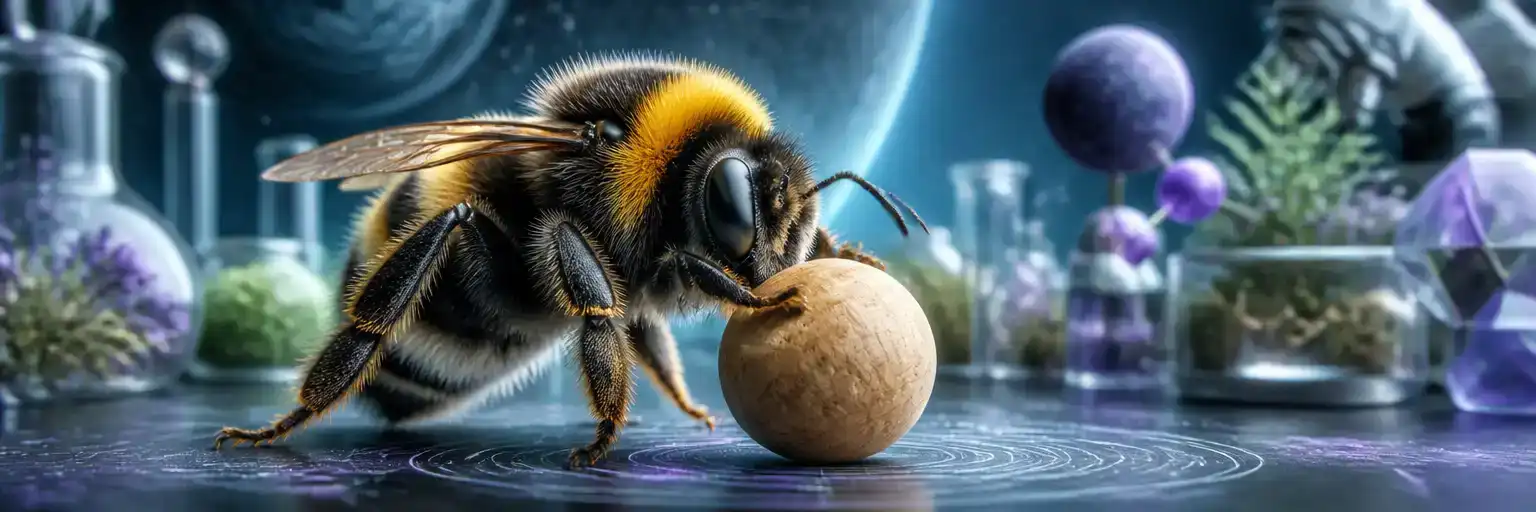
Bumblebee Play Isn't Just Cute; It Rewrites Animal Cognition
A new study demonstrating that bumblebees voluntarily roll wooden balls without reward challenges traditional views of play, pushing us to rethink insect intelligence and sentience.
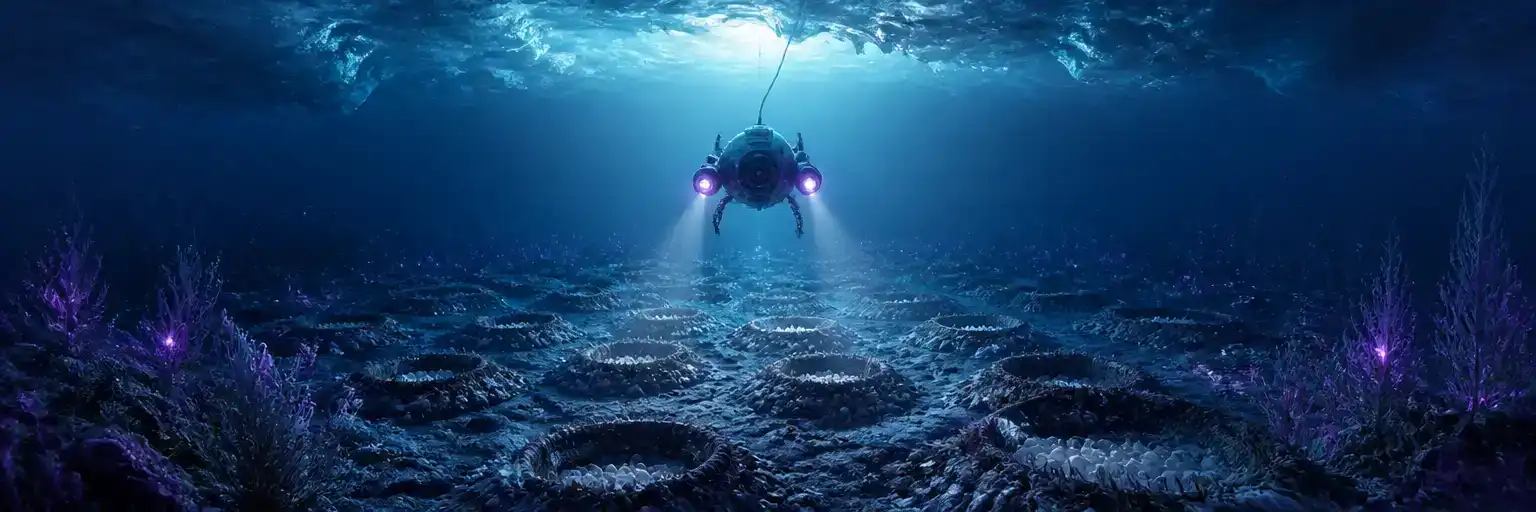
Antarctica's Icefish City: A testament to nature's hidden wonders and our relentless curiosity
The recent discovery of over a thousand meticulously organized fish nests beneath the Antarctic ice, revealed by a massive iceberg and a nimble underwater robot, highlights not just the resilience of life in extreme environments, but also the transformative power of technology in unveiling our planet's deepest secrets.
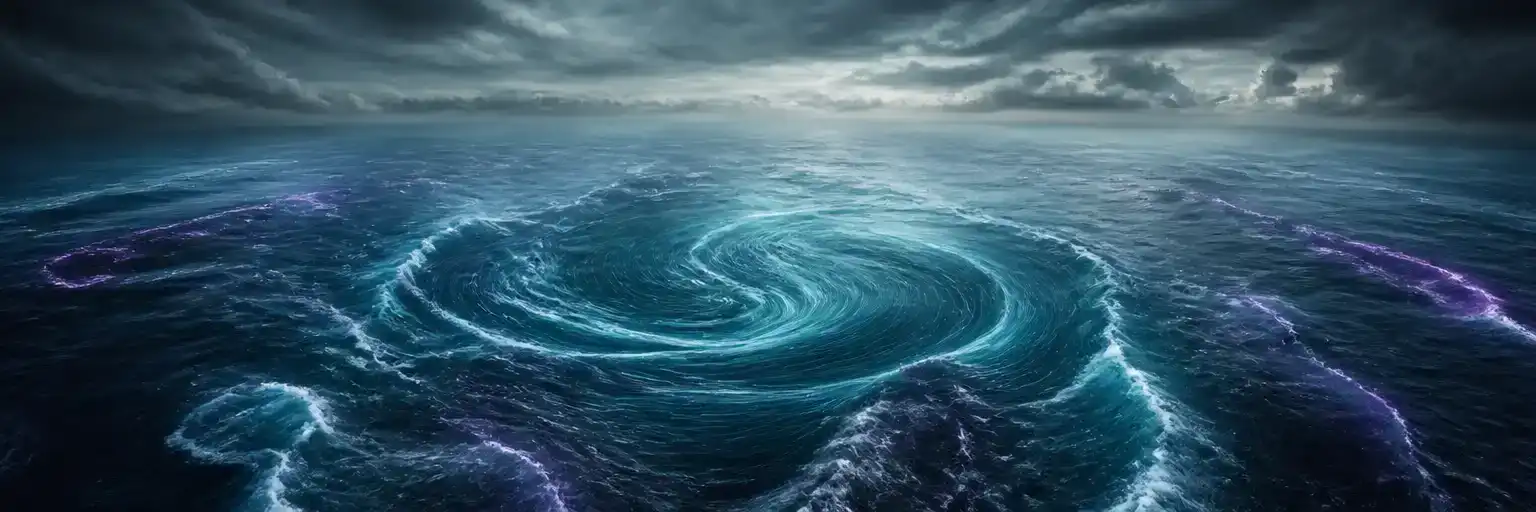
North Sea Craters: Porpoises, Not Gas, Are Reshaping Our Ocean View
The discovery of precisely 42,458 similar seabed holes in the North Sea, once attributed to gas leaks, now reveals surprising biological activity fundamentally altering our view of seafloor dynamics and marine life's impact.
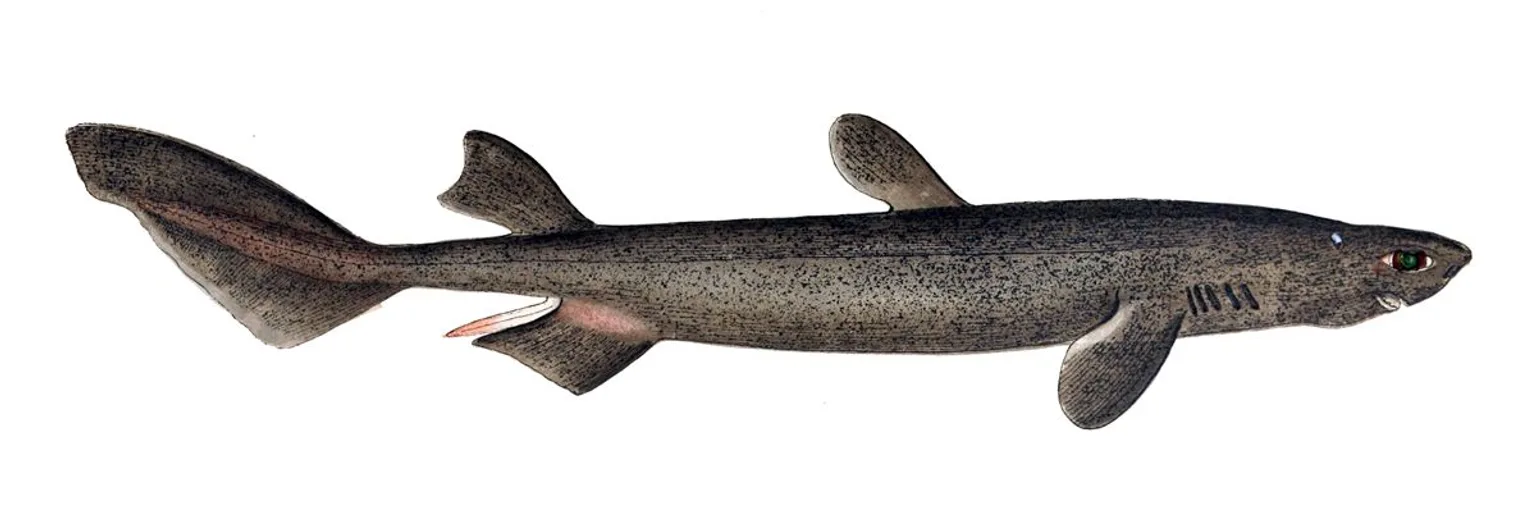
Deep Sea's Luminous Giants: How Glowing Sharks Redefine Ocean Life
The discovery of the kitefin shark and two lanternshark species, capable of producing their own light in the ocean's twilight zone, underscores the vast, unexplored biodiversity thriving in the deep sea and challenges our understanding of life in extreme environments.