The Invisible Hand of Competition: Why Species Vanish Sooner Than We Think
A groundbreaking discovery reveals that rising temperatures intensify resource competition, causing species populations to collapse far below their thermal tolerance limits, demanding a radical shift in conservation.
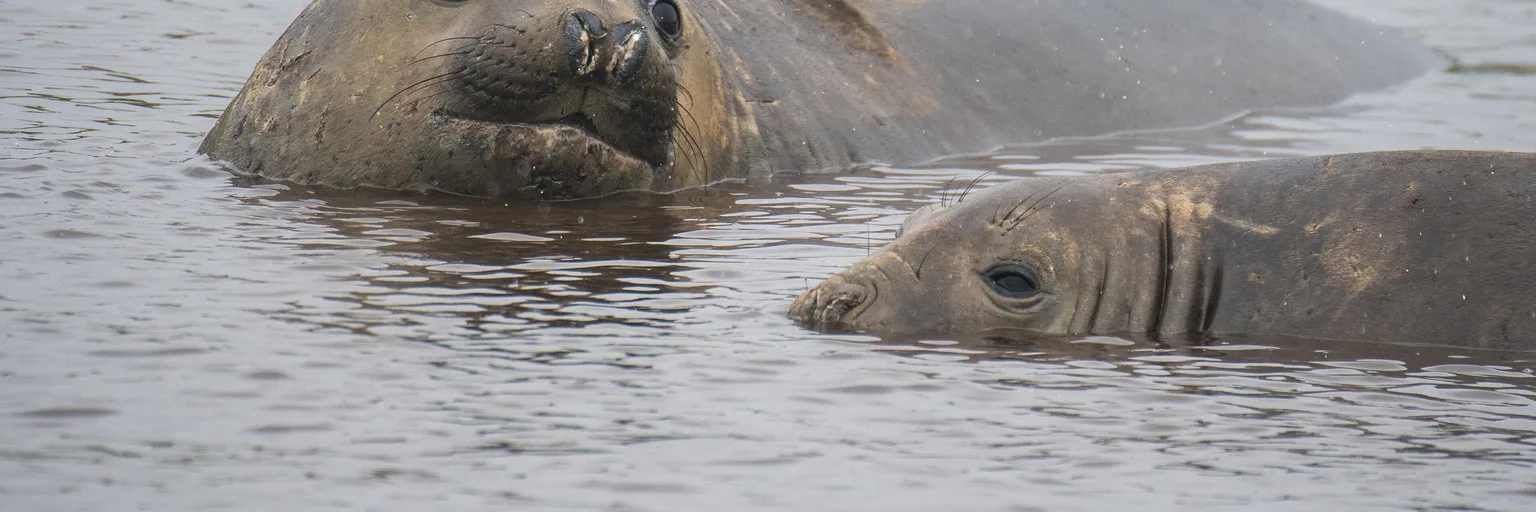
Photo: Shiv's fotografia / Wikimedia Commons (CC BY-SA 4.0)
We often perceive the extinction crisis through the lens of catastrophic events: melting glaciers, scorched forests, or the direct loss of habitat. These visible wounds on our planet rightly dominate headlines, painting a stark picture of biodiversity loss. Yet, a recent discovery from Rice University bioscience researchers suggests we might be missing a crucial, and far more insidious, threat: an invisible mechanism that causes species populations to collapse long before they face extreme, unbearable temperatures.
Traditionally, a species' demise due to warming temperatures has been linked to its thermal tolerance limit—a point beyond which it simply cannot survive. However, as Futura reports, new findings published in the journal Ecology indicate that populations can suffer dramatic declines at much lower heating thresholds. The core culprit, according to researcher Zoey Neale, is intensified competition for resources. As temperatures rise, the researchers observed that species' metabolic needs increase, forcing them to consume more resources while simultaneously reducing the availability of those resources for others. This creates a vicious cycle, effectively doubling the effects of competition for every 7°C increase in temperature, leading to a staggering 50% population collapse.
Challenging the Conventional Wisdom
This discovery upends a long-held assumption in ecology: that moderate warming might actually benefit ectothermic animals—those that rely on external sources for body heat—by stimulating their individual growth. We tend to think of warmer conditions accelerating biological processes, leading to more robust individuals. But the Rice University study reveals a critical flaw in this reasoning. While individuals might grow faster, the amplified competition for food and space quickly negates any metabolic or reproductive advantages that might arise from a slight warming. In our view, this subtle yet profound shift in ecological dynamics suggests that the perceived benefits of warming are, for many species, a mere mirage, masking an underlying vulnerability that pushes them toward the brink much sooner than anticipated.
The Silent Scourge of Competition
What makes this mechanism so alarming is its subtlety. Unlike a sudden, dramatic habitat destruction or a widespread disease, the intensification of competition for resources is an incremental, almost imperceptible force that builds over time. It is, as the researchers highlight, a
No topics yet: start the first one.
More stories
The Desert Moss That Promises a Greener Future, Even on Mars
A newly identified desert moss from China's Xinjiang region, demonstrating unprecedented resilience, offers a groundbreaking pathway for sustainable space agriculture and crucial solutions for terrestrial food security in extreme environments.

Elephant Seals: The Unsung Heroes Unveiling Ocean's Deepest Secrets
A remarkable discovery of new deep ocean currents in the Kerguelen Islands, facilitated by an unlikely team of elephant seals, is revolutionizing our understanding of marine ecosystems and climate dynamics.
An Oxford Pond Microbe Shatters Biology's 'Universal' Code
A tiny ciliate discovered in a mundane university pond has rewritten fundamental genetic rules, proving that life's instructions are far more flexible than textbooks ever suggested.

Alaska's Sponges Unmask a Deeper Trawling Problem
The recent discovery of nine new sea sponge species in Alaska not only reveals vast hidden biodiversity but also intensifies the critical debate over destructive bottom-trawling practices.