A Cosmic Phoenix: Rethinking Planetary Rebirth Around Dead Stars
A newly discovered exoplanet, formed from the ashes of its host star, challenges our most fundamental assumptions about how and where planets can emerge, opening new chapters in stellar archaeology.
AI-generated image
Can life truly emerge from death, not just metaphorically, but cosmically? The recent discovery of what astronomers are calling a "Phoenix planet" challenges our long-held assumptions about where and how planets form, proposing a universe far more dynamic and resilient than previously imagined. Instead of the typical cradle of a youthful, swirling protoplanetary disk, this new world appears to have risen from the literal ashes of a dead star, orbiting its white dwarf remnant.
The findings, spearheaded by Jamie Williams from the University of Warwick and published in Nature Astronomy, describe a gas giant possibly more massive than Jupiter, located about 250 light-years from Earth in the constellation Cetus. This remarkable exoplanet, detected using data from the Hubble, TESS, and FUSE space telescopes, orbits the white dwarf HS 0209+0832 in a mere 4.4 days. What truly sets it apart, however, is its proposed origin: not alongside a nascent star, but after its demise, formed from the expelled material of the original star as it transitioned into a dense, burned-out core.
Planetary Formation, Reimagined
For decades, our understanding of planet formation has centered on the early stages of a star's life. We've envisioned vast disks of gas and dust surrounding young stars, gradually coalescing into the planets we know—a process that gave birth to our own Solar System. The "Phoenix planet," however, upends this neat narrative. It's classified as a "second-generation planet," meaning it formed from the debris left behind after its host star had already exhausted its fuel and collapsed into a white dwarf.
The evidence for this extraordinary origin is compelling. The planet's chemical composition, rich in elements like niobium, copper, and zinc, provides a crucial clue. These are elements that, as researchers note, are frequently liberated by certain types of stars during their final, expansive death throes. This chemical signature strongly suggests that the planet wasn't born from pristine, primordial gas, but from a reprocessing of stellar material that had already undergone significant nuclear evolution. This is, in our view, a radical shift in perspective, suggesting that stellar death can also be a creative act.
The Uncharted Territory of White Dwarfs
The significance of this discovery extends far beyond a single anomalous planet. White dwarfs are not rare oddities; they are the ultimate fate of over 95% of stars in the Milky Way, including our own Sun, billions of years from now. If planets can indeed form from the remnants of these dead stars, the universe could be teeming with "second-generation" worlds. While a few potential second-generation planets have been observed around pulsars—a much rarer type of stellar remnant—the sheer abundance of white dwarfs dramatically expands the potential for such planetary rebirths.
This opens up an entirely new frontier for exoplanet research. We might need to recalibrate our search strategies, looking for the tell-tale chemical signatures in the atmospheres of white dwarfs themselves, as the research team did by analyzing decades-old Hubble data. The prospect of an entire population of planets previously thought impossible underscores how much we still have to learn about the cosmos and its intricate processes.
A New Hope for Habitability (Eventually)?
While the current Phoenix planet, a gas giant orbiting its searing white dwarf host at just 4% of the Earth-Sun distance, is utterly inhospitable due to intense ultraviolet radiation that's literally stripping away its atmosphere, the discovery offers a tantalizing glimpse into future possibilities for life. The researchers speculate that if gas giants can form this way, then rocky planets could too.
What makes this particularly intriguing is the predictable cooling of white dwarfs over billions of years. As they cool, their habitable zones—regions where liquid water could exist on a planet's surface—would shift inwards. A rocky, second-generation planet forming at the right distance could, theoretically, maintain habitable conditions for an extremely long time, perhaps even longer than planets around main-sequence stars like our Sun. It’s a distant, speculative hope, but one that undeniably adds a new dimension to the search for extraterrestrial life, reminding us that the universe consistently defies our expectations.
The confirmation of this "Phoenix planet" and its formation mechanism will require further observations, with the James Webb Space Telescope poised to play a crucial role. Until then, this discovery serves as a powerful testament to the universe's incredible capacity for renewal, demonstrating that even from stellar demise, new worlds can be born, forever altering our perception of planetary systems.
No topics yet: start the first one.
More stories
The Brutal Truth: Why We're Still Not Ready for Mars
A leading French astronaut’s frank assessment of humanity's physiological and technological readiness for Mars reveals a sobering gap between our grand ambitions and current capabilities.

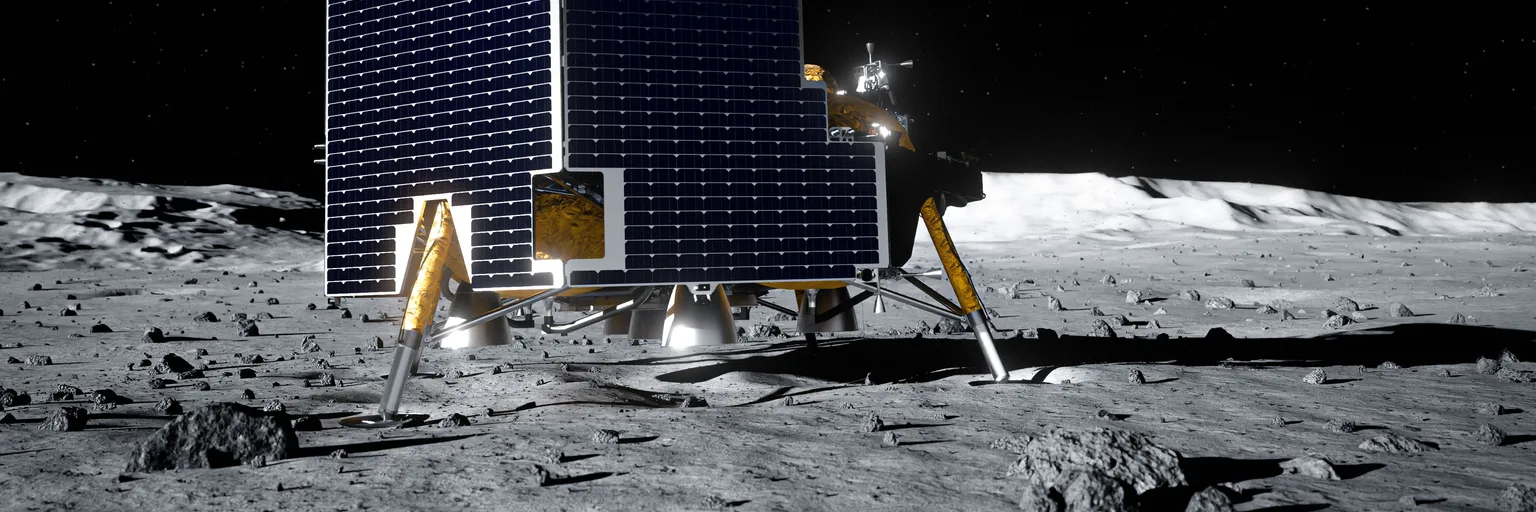
Griffin-1: A Bold Gamble for Humanity's Lunar Future
The Griffin-1 lander's successful tests mark a critical step towards a Moon Base, but its commercial nature and the history of CLPS missions suggest a high-stakes, yet necessary, gamble for lunar permanence.
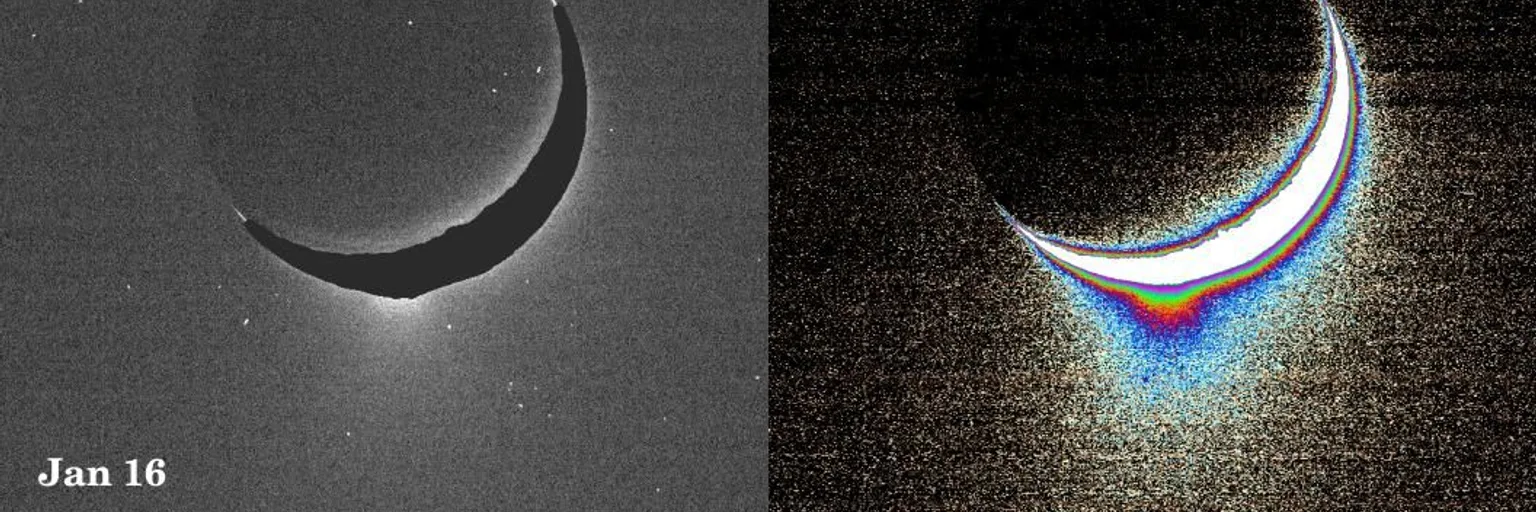
Enceladus' geysers: A cosmic shortcut for finding alien life
New research shows Saturn’s moon Enceladus is not just habitable, but actively aids in the search for life by 'preparing' samples for us.
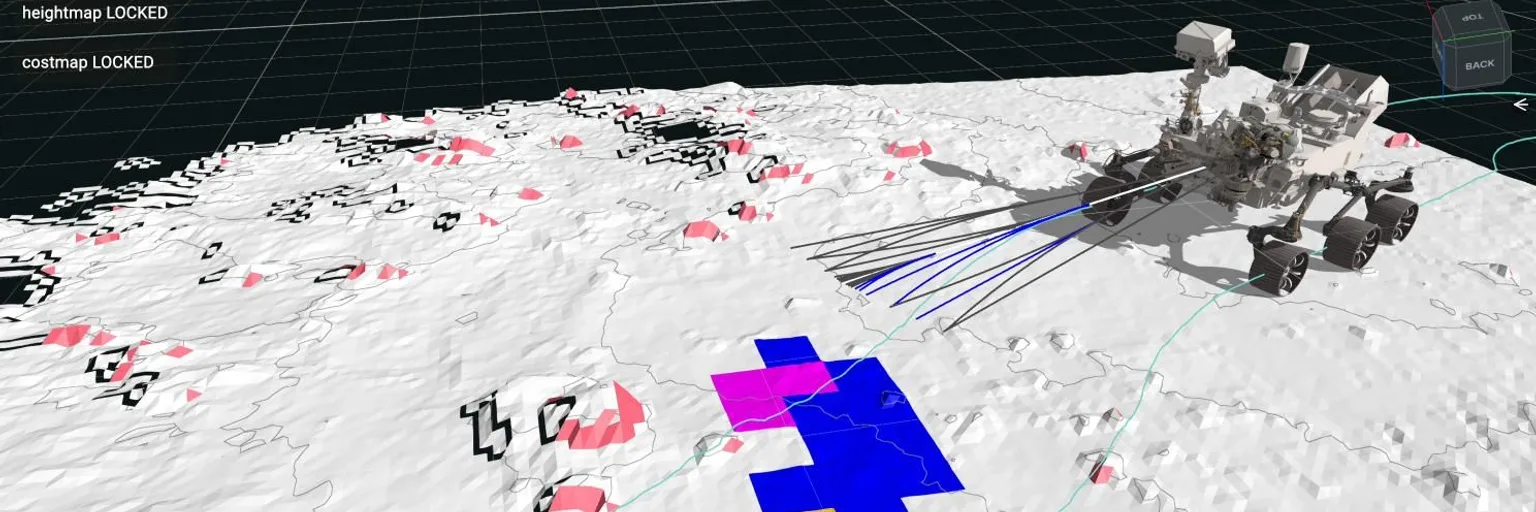
Perseverance's record: Mars rover autonomy is a blueprint for deep space
The Perseverance rover's record-breaking journey on Mars, driven by advanced autonomous navigation, reshapes our approach to extraterrestrial exploration and future human missions.