North Sea Craters: Porpoises, Not Gas, Are Reshaping Our Ocean View
The discovery of precisely 42,458 similar seabed holes in the North Sea, once attributed to gas leaks, now reveals surprising biological activity fundamentally altering our view of seafloor dynamics and marine life's impact.
AI-generated image
What if some of the most enduring mysteries of the deep sea aren't geological phenomena at all, but rather the subtle, persistent work of marine animals? For years, peculiar pits and depressions dotting the seafloor, particularly in the North Sea, have puzzled scientists. Many of these features, resembling craters or pockmarks, were commonly attributed to methane seeps—gases bubbling up from beneath the ocean floor. However, recent research challenges this long-held assumption, revealing an unexpected biological sculptor at play and prompting a reassessment of how marine life shapes our planet's vast underwater landscapes.
The initial intrigue around mysterious seabed holes gained widespread attention after the U.S. National Oceanic and Atmospheric Administration (NOAA) reported discovering sets of organized, almost human-made looking depressions during expeditions along the Mid-Atlantic Ridge in 2004 and again in 2022. Found at depths up to 2,540 meters (1.6 miles) during the 2022 expedition, with earlier discoveries in 2004 at 2,082 meters (6,831 feet), these formations were dubbed “lebensspuren,” or “life traces,” by scientists Michael Vecchione and Odd Aksel Bergstad, suggesting an unknown organism was responsible. The precise origin of these specific Mid-Atlantic holes remains a mystery, prompting public speculation ranging from aliens to undiscovered crab species, underscoring the vast gaps in our understanding of deep-ocean ecosystems, as NOAA Ocean Exploration noted.
The Flawed Methane Hypothesis for Seabed Craters
While the Mid-Atlantic holes presented an ongoing enigma, a parallel, long-standing mystery involving tens of thousands of similar depressions in the North Sea had a more established—and, as it turns out, mistaken—explanation. For years, these numerous pockmarks, ranging from a few meters to 60 meters (196 feet) in width but consistently shallow at around 11 centimeters (4.3 inches) deep, were widely believed to be the result of methane or groundwater seeping from the sediment. This geological interpretation, however, never quite sat right with some researchers, particularly geoscientist Jens Schneider von Deimling of Kiel University.
From our perspective, the skepticism was well-founded. Schneider von Deimling and his team noted that the North Sea's porous sand and strong currents aren't ideal conditions for methane accumulation. Their extensive mapping studies, using subbottom echo sounders designed to detect shallow gas, consistently turned up no evidence of methane in the sediment where these pits were found. This crucial lack of evidence led them to explore alternative hypotheses, pushing the scientific community to look beyond traditional geological explanations for these widespread seafloor features, as reported by Live Science. The prevailing assumption simply didn't hold up under rigorous scrutiny, leaving a void for a new, more accurate explanation.
Unsung Architects: Porpoises and the Living Seafloor
The breakthrough came when high-resolution multibeam echo sounder data revealed the pits’ true morphology: they were not the conical shapes expected from gas bursts but shallow, consistent depressions regardless of their width. This observation, combined with insights from biologists, led to a truly unexpected culprit: foraging harbor porpoises. The new research, published in Communications Earth & Environment, outlines how these shy marine mammals, Phocoena phocoena, scour the seafloor in search of sand eels (Ammodytes marinus), which burrow themselves in the sand. The porpoises' feeding activity disturbs the sediment, creating the distinct shallow pits.
The research team, which included experts from various German institutes, identified precisely 42,458 of these shallow craters in the studied area of the North Sea. They found a direct correlation between the location of the pits and the overlapping habitats of porpoises and sand eels. Our understanding of seafloor processes has largely focused on abiotic factors, but this study highlights how vertebrates can significantly influence the physical environment. As Schneider von Deimling notes, this mechanism could explain similar crater-like depressions globally, which may have been previously misinterpreted as methane leaks. The discovery suggests we have vastly underestimated the effect marine vertebrates have on shaping the ocean floor, potentially mobilizing tens of thousands of tons of sediment, according to Revista Galileu.
The Transformative Impact on Oceanography
This shift in understanding—from methane vents to porpoise dining spots—is more than a mere reclassification; it's a significant re-evaluation of deep-sea ecosystems. It emphasizes that the ocean floor is not a static, geologically driven landscape, but rather a dynamic environment continually shaped by the organisms that inhabit it. The concept of bioturbation, the disturbance of sediment by living organisms, is not new, but this research elevates our appreciation of its scale and impact, particularly for large marine vertebrates.
No topics yet: start the first one.
More stories
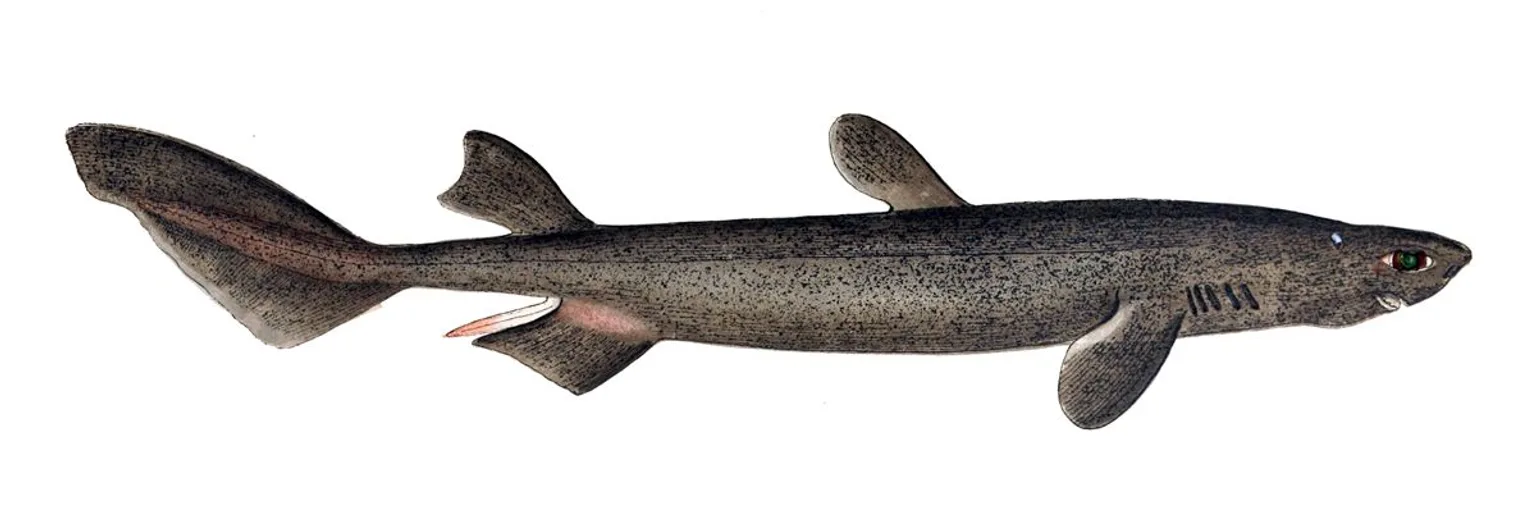
Deep Sea's Luminous Giants: How Glowing Sharks Redefine Ocean Life
The discovery of the kitefin shark and two lanternshark species, capable of producing their own light in the ocean's twilight zone, underscores the vast, unexplored biodiversity thriving in the deep sea and challenges our understanding of life in extreme environments.
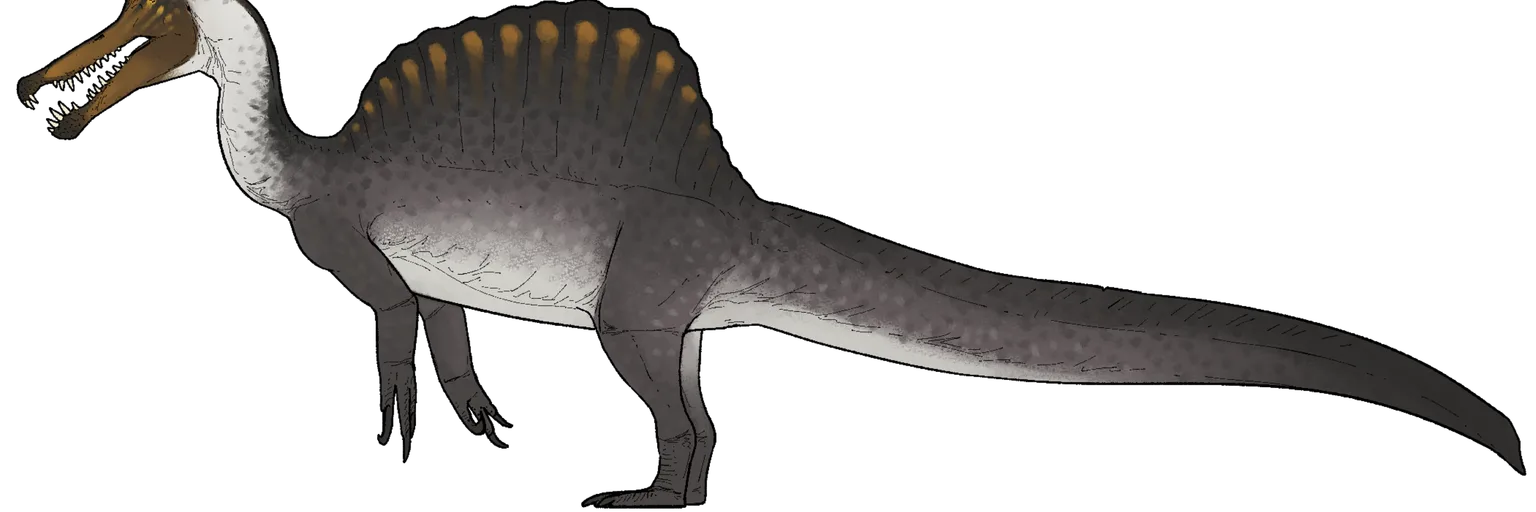
The 'Hell Heron' Rewrites the Spinosaurus Story
The discovery of *Spinosaurus mirabilis* in the Sahara not only unveils a stunning new predator but profoundly reshapes our understanding of ancient ecosystems and the life of spinosaurids.
AI isn't just decoding whale 'language,' it's reshaping our view of intelligence
The latest breakthroughs in deciphering sperm whale communication are not merely a scientific curiosity but a profound re-evaluation of animal cognition and our place in the natural world.
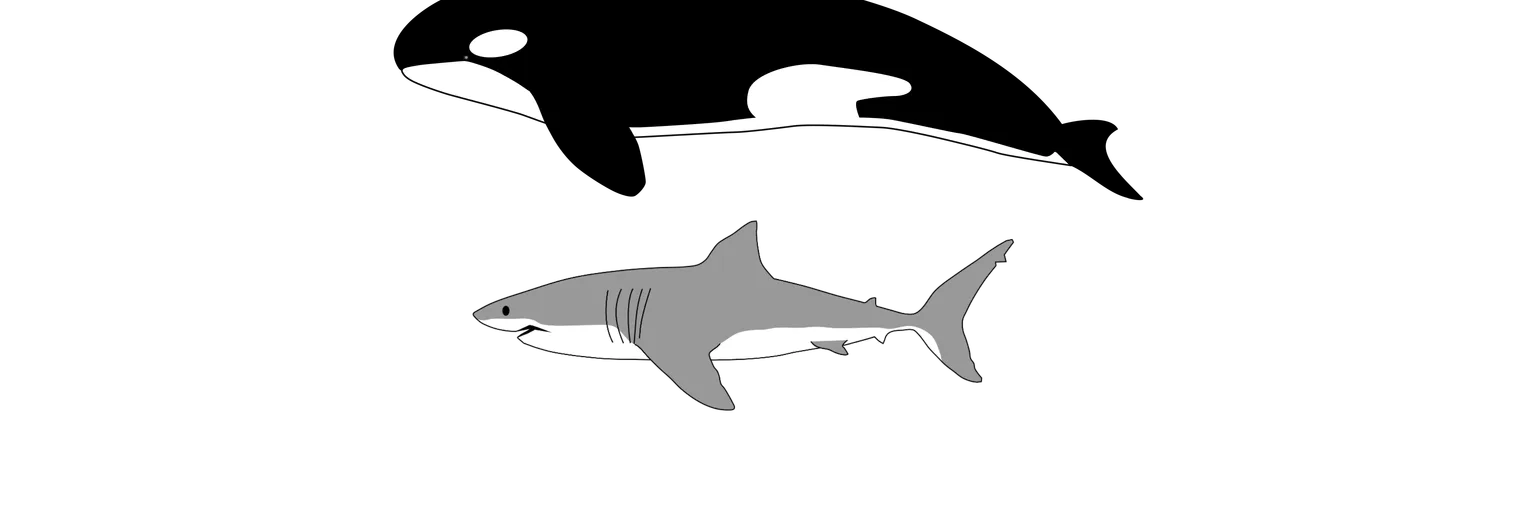
Orcas vs. Great Whites: Climate Change Forges a New Apex Predator Dynamic
The dramatic escalation of orcas hunting great white sharks, once a rare sight, is now a documented pattern, reflecting how climate change is subtly yet profoundly reshaping marine ecosystems.