Brazil's hidden species unveil an urgent conservation imperative
Recent discoveries of fish and a glass frog in Brazil's less-explored biomes highlight the nation's profound, often overlooked, biodiversity and the critical need for expanded protective measures.
AI-generated image
Even in a nation celebrated as the most biodiverse on Earth, does the wellspring of life ever truly cease to surprise us? The recent identification of new fish and amphibian species in Brazil’s diverse landscapes suggests we are only just beginning to grasp the full extent of its natural treasures, shining a stark light on the urgent need for comprehensive conservation strategies.
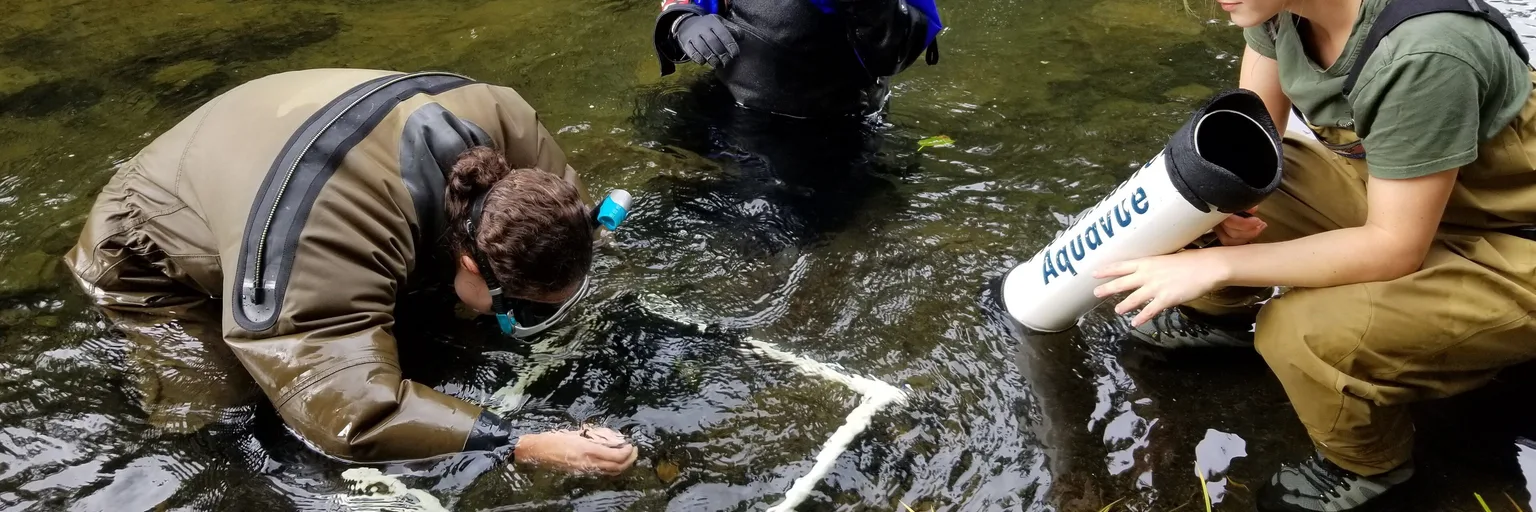
Within recent months, two distinct announcements underscored this reality. In the rivers of Maranhão, two novel species of cascudo fish, Loricaria catirina and Loricaria teteae, were formally described. Meanwhile, in the central Cerrado of Goiás, researchers unveiled Vitreorana micaelae, a new glass frog species no bigger than a thumbnail. These discoveries are not isolated incidents but rather potent reminders of the vast, undocumented life that pulses beneath the surface of Brazil’s diverse ecosystems.
Unveiling the Hidden Canvas of Life Beyond the Obvious
Brazil has long been recognized as a megadiverse country, home to an estimated 15-20% of the world's known species and boasting the highest number of endemic species globally [16, 18]. Yet, as these latest findings illustrate, much of this biological richness remains undiscovered, particularly in regions often overshadowed by the iconic Amazon. The cascudo fish were identified in the Munim and Itapecuru rivers of Maranhão, a state strategically positioned at the confluence of the Amazon, Cerrado, and Northeast biomes [1]. This unique geographical placement fosters evolutionary processes that yield distinct species, many of which are endemic, known only to this region [5]. Similarly, the Vitreorana micaelae was found in Luziânia, Goiás [14]. The fish discoveries, leveraging advanced techniques like integrative taxonomy that combine morphological and genetic analyses [1], signal that our understanding of even well-studied groups is far from complete.
Underestimated Biomes: The Silent Majority at Risk
The prominence given to the Amazon is well-deserved, but it often leads to other critical biomes receiving less attention. The discoveries in Maranhão and Goiás serve as a crucial corrective. Researchers note that Maranhão’s extensive river network was, until recently, one of the least documented areas in the Neotropical Region regarding its ichthyofauna [2]. This gap in knowledge meant a wealth of unique freshwater fish species went uncatalogued. The ongoing efforts by researchers are now filling these voids, expanding our understanding of these river systems and their unique inhabitants. Similarly, the Cerrado, where the new glass frog was found, is a vital biodiversity hotspot [23] that faces considerable threats. The small Vitreorana micaelae, measuring only 2.2 to 2.6 centimeters, lives in Cerrado forests and is explicitly noted as being at risk from deforestation [15]. These findings compel us to consider a more holistic approach to conservation, recognizing that all of Brazil’s biomes — from the coastal mangroves to the inland savannahs — are repositories of irreplaceable biodiversity deserving of equal protection.
Science Meets Culture: A Powerful Alliance for Conservation
Perhaps one of the most compelling aspects of the fish discoveries in Maranhão is the deliberate choice of names: Loricaria catirina and Loricaria teteae [1]. These names pay homage to Mãe Catirina, a central figure in the bumba-meu-boi folk tradition, and Dona Teté, a historical reference in cacuriá maranhense culture. This intentional fusion of scientific discovery with local cultural identity is more than a gesture; it is a strategic move to bridge the often-perceived gap between science and everyday life. By linking new species to beloved cultural icons, researchers can foster a deeper connection and sense of ownership within local communities, potentially galvanizing support for conservation efforts. When scientific findings resonate culturally, they become embedded in the collective memory, transforming abstract biological concepts into tangible parts of a shared heritage.
The constant unveiling of new species within Brazil is a powerful testament to the country's unparalleled natural heritage, but it is also a sober reminder of what stands to be lost. These discoveries, particularly in regions often overlooked, underscore the urgent need to expand and enhance conservation efforts beyond the most prominent biomes. We must support the scientific research that reveals these hidden wonders and translate that knowledge into actionable policies that protect not just the well-known, but also the countless unknown species that comprise Brazil's astonishing tapestry of life.
No topics yet: start the first one.
More stories
France's 'hurricane' trend: A ghostly reminder of climate volatility
The current fascination in France with a 1987 'hurricane' storm, alongside 2026's tardy but intense Hurricane Isaias, underscores a troubling pattern of extreme weather fueled by warming oceans and climate change.

Dianjunus rex: A Gigantic Leap for Fungal Evolution and Biodiversity
The discovery of a colossal 65-million-year-old fungus in China, named Dianjunus rex, not only redefines our understanding of fungal scale but also offers a profound glimpse into Earth's post-dinosaur ecosystems.
From Oil Rig to Ocean Lab: A New Deep-Sea Discovery Paradigm
The surprising repurposing of an offshore oil vessel into a state-of-the-art research ship is not just about discovering new species; it signals a profound shift in how we might approach industrial decommissioning and unlock the ocean's remaining mysteries.

Every New Species Found Is a Warning, Not Just a Wonder
Recent discoveries of freshwater mussels and new fish species in the Americas highlight how much biodiversity remains unknown, underscoring the critical urgency of conservation efforts before these species vanish.