Roman telescope is set to rewrite our cosmic understanding
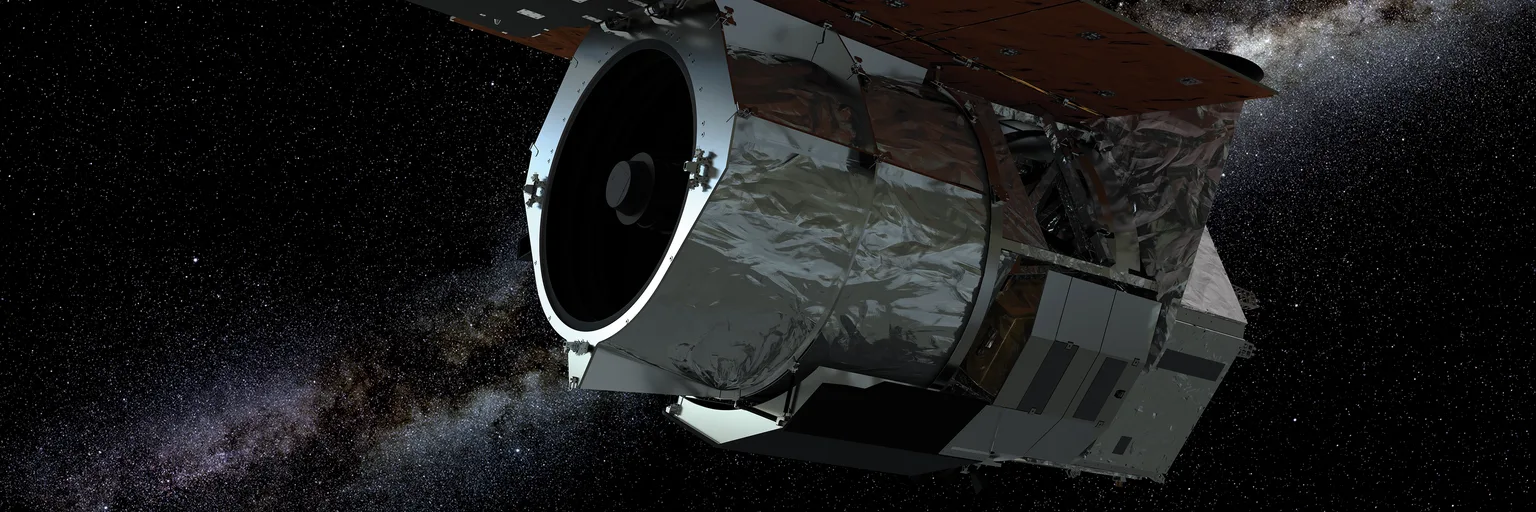
NASA's Nancy Grace Roman Space Telescope, with its wide-field infrared vision and powerful instruments, promises profound insights into dark energy, exoplanets, and the universe's structure.
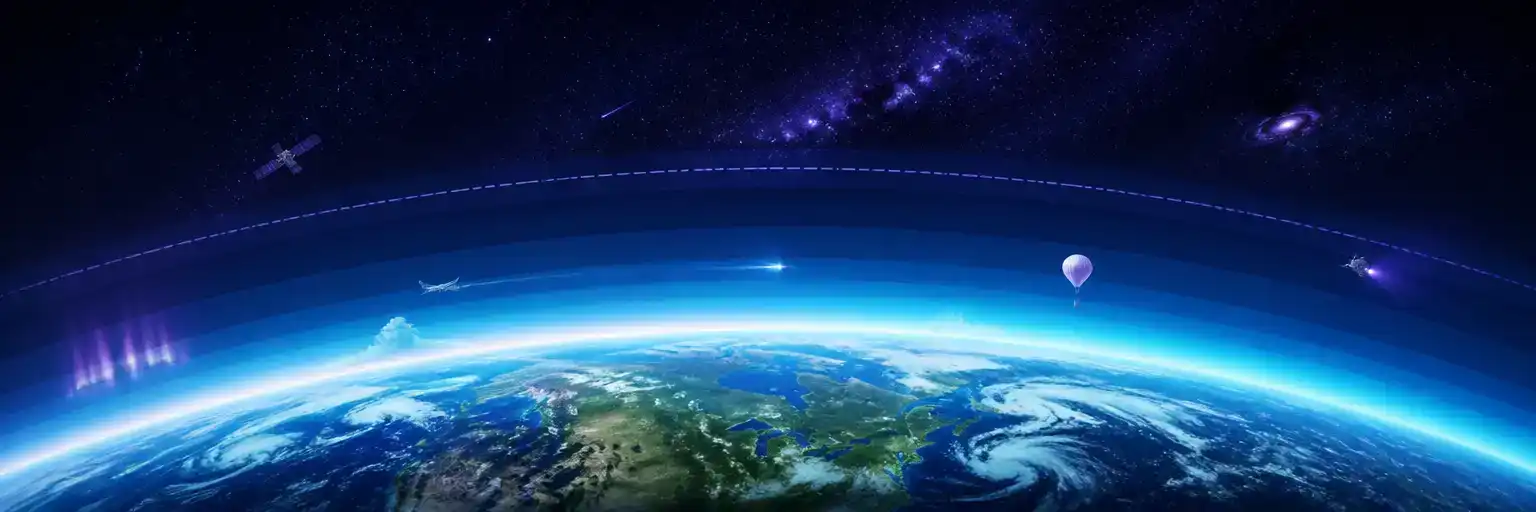
The persistent debate over whether space begins at 80 or 100 kilometers above Earth underscores that this 'scientific' boundary is deeply entangled with legal, commercial, and geopolitical interests.
The James Webb Space Telescope has detected an intense, unexplained infrared signal from a region of space long considered barren, forcing a profound reevaluation of cosmic emptiness and the limits of our observation.
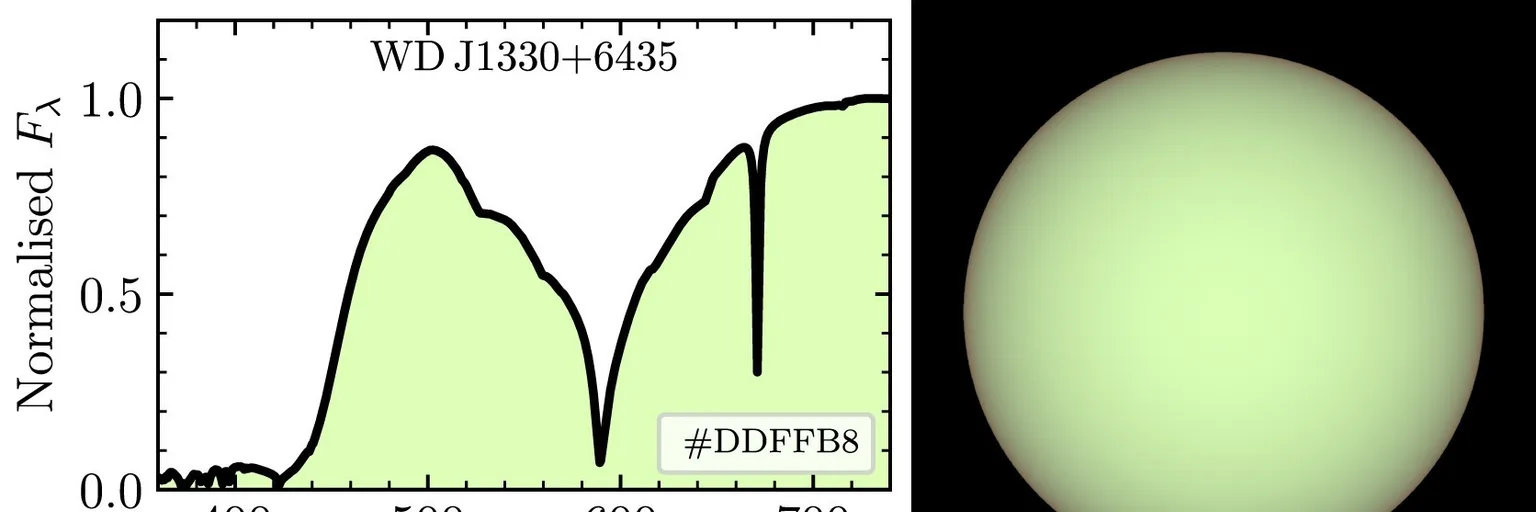
Astronomers have discovered the first star that would appear green to human eyes, challenging long-held assumptions about stellar colors and revealing a universe far more vibrant than we previously imagined.
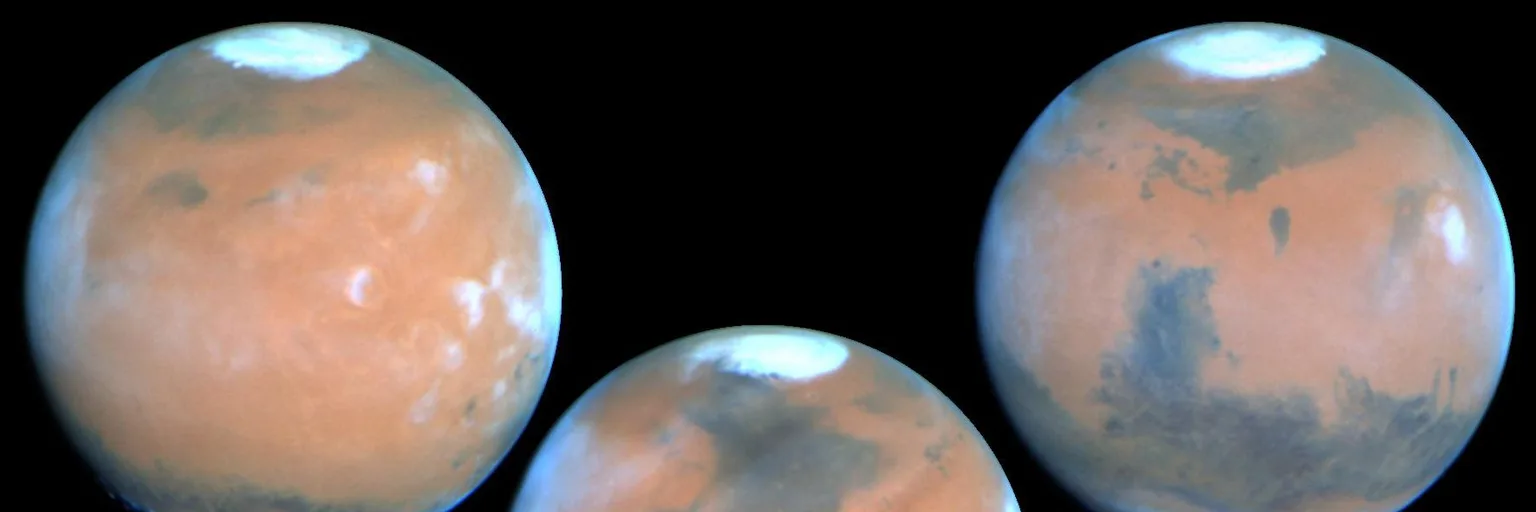
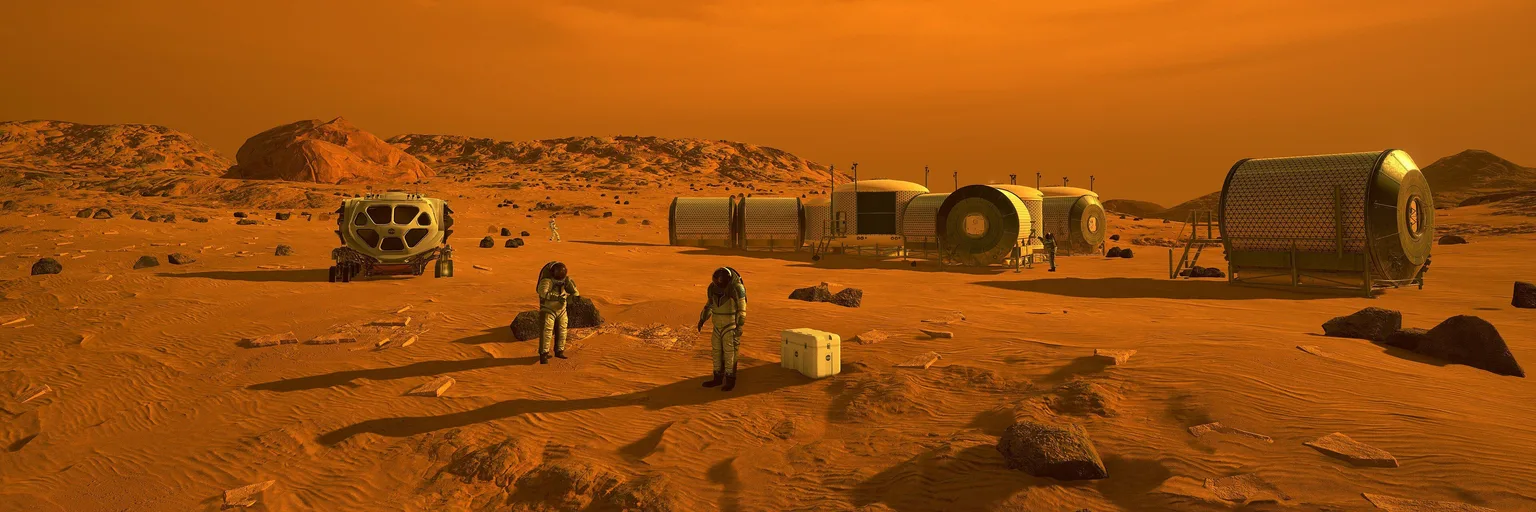
Mysterious geometric patterns on the Martian surface are far more than aesthetic oddities; they are critical indicators of subsurface ice, offering a roadmap for human exploration and a deeper understanding of Mars' climatic evolution.
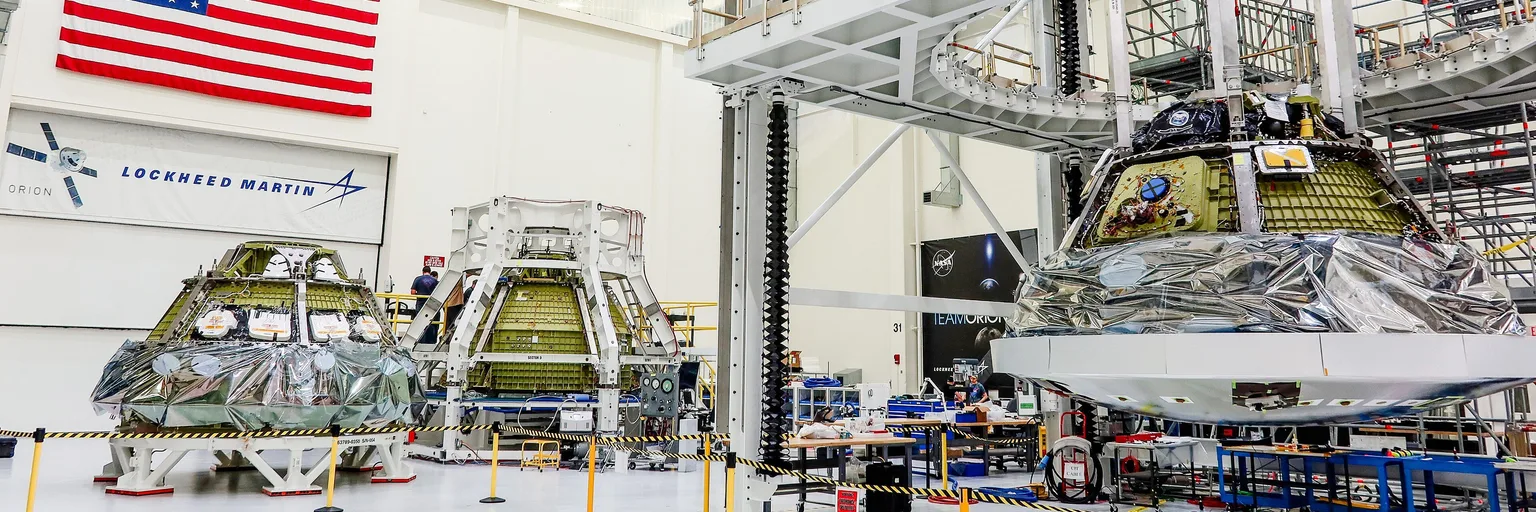
After the Artemis II mission confirmed the Orion heat shield's robust performance and astronaut training intensified, NASA's deliberate, iterative strategy is clearly building a solid foundation for sustained lunar presence and deep-space exploration.
The BioGravity-1 mission, launching the first biological samples from the Middle East into space, is a strategic move positioning Saudi Arabia at the forefront of understanding and treating neurodegenerative diseases.
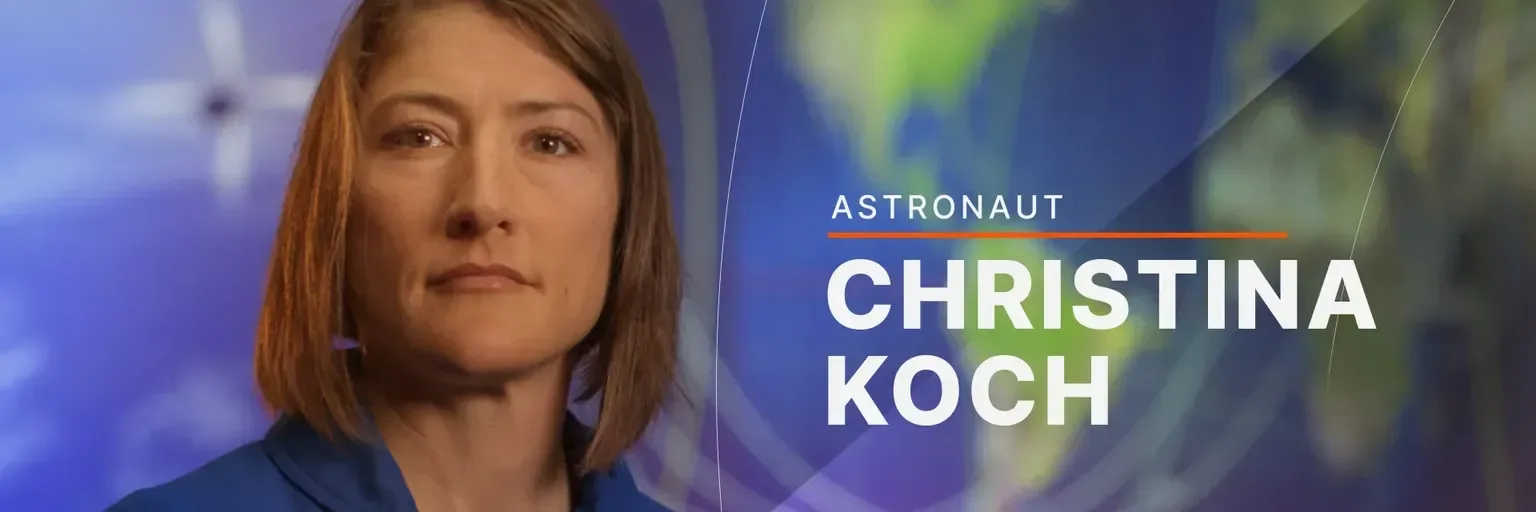
NASA's decision to move Artemis II astronaut Christina Koch into a key engineering leadership position signals a deliberate pivot towards foundational technical oversight and long-term mission architecture over an accelerated lunar landing timeline.
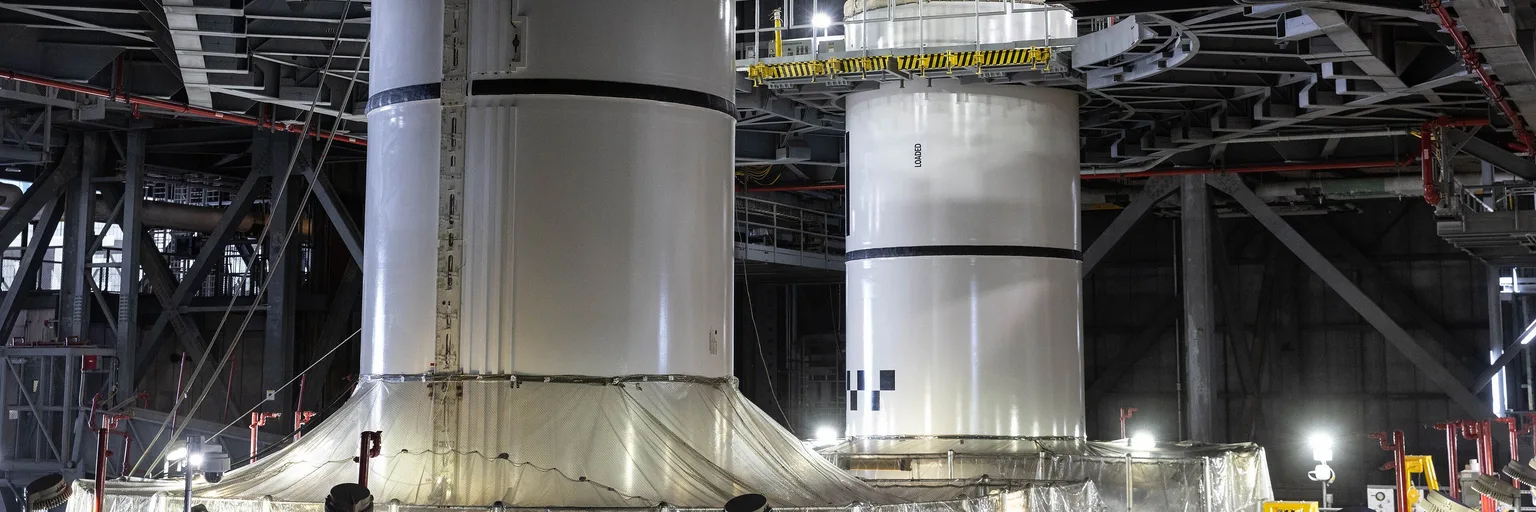
NASA's completion of Artemis III booster stacking marks a significant engineering milestone, signaling steady progress in the complex preparatory missions essential for future human lunar landings.
A newly discovered exoplanet, formed from the ashes of its host star, challenges our most fundamental assumptions about how and where planets can emerge, opening new chapters in stellar archaeology.
A leading French astronaut’s frank assessment of humanity's physiological and technological readiness for Mars reveals a sobering gap between our grand ambitions and current capabilities.
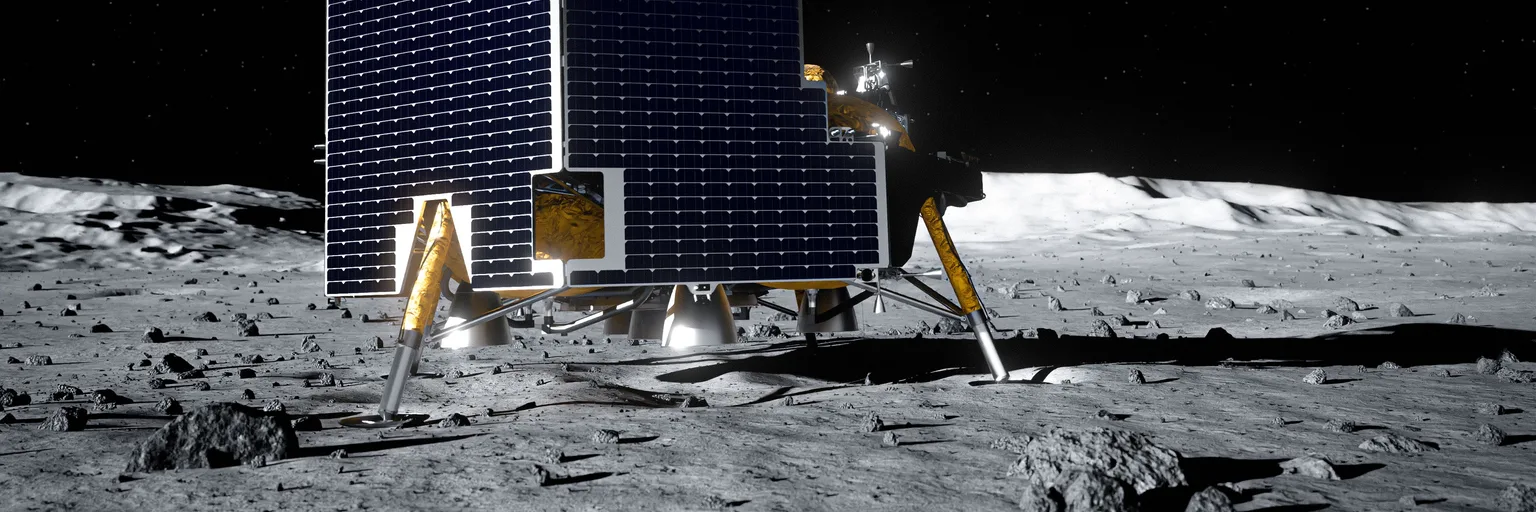
The Griffin-1 lander's successful tests mark a critical step towards a Moon Base, but its commercial nature and the history of CLPS missions suggest a high-stakes, yet necessary, gamble for lunar permanence.
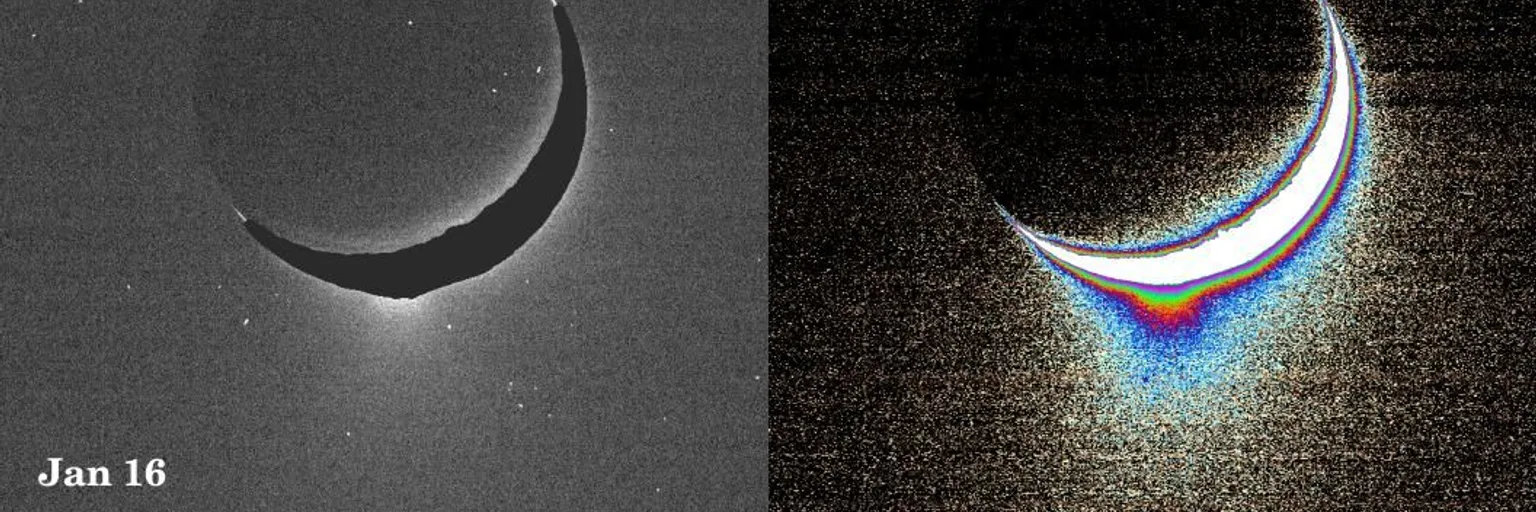
New research shows Saturn’s moon Enceladus is not just habitable, but actively aids in the search for life by 'preparing' samples for us.
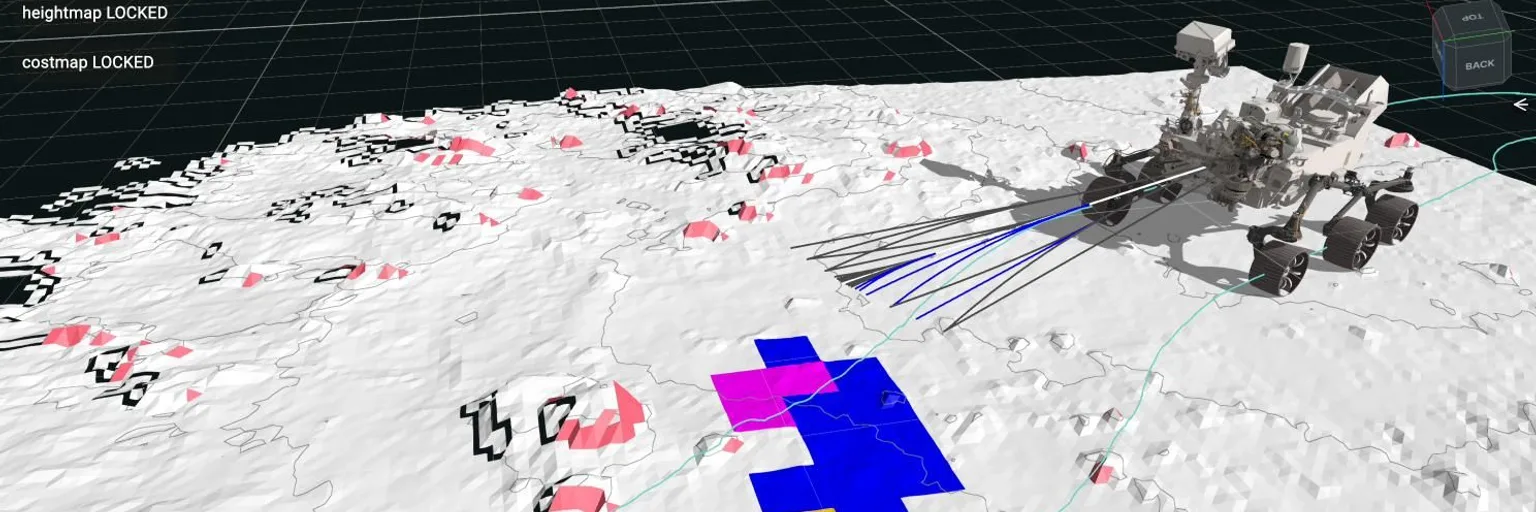
The Perseverance rover's record-breaking journey on Mars, driven by advanced autonomous navigation, reshapes our approach to extraterrestrial exploration and future human missions.
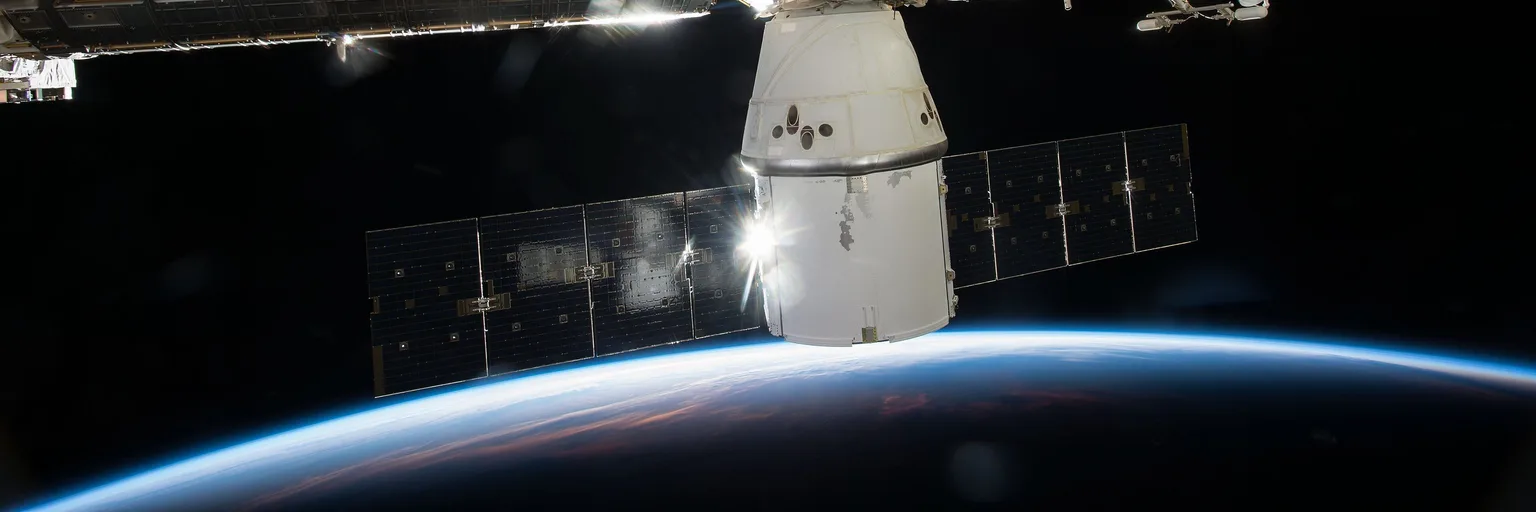
The latest Dragon resupply mission, delivering critical research on human health and plant growth, underscores how private enterprise is reshaping the landscape of orbital scientific discovery.
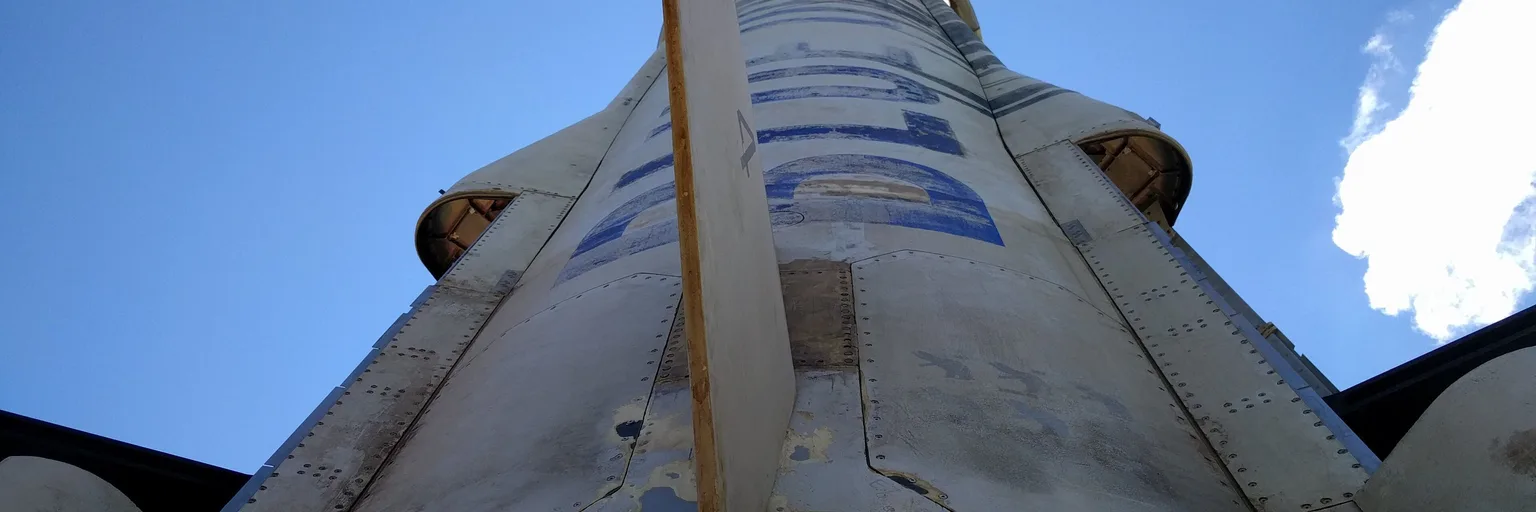
The consistent success of Blue Origin's New Shepard in launching and landing its rockets marks a pivotal moment, affirming reusable space technology as a cornerstone for future missions beyond suborbital tourism.
The discovery of CD-35 2722, a Jupiter-sized object orbiting a brown dwarf, which then orbits a star, profoundly challenges the International Astronomical Union's definitions of planets and moons.
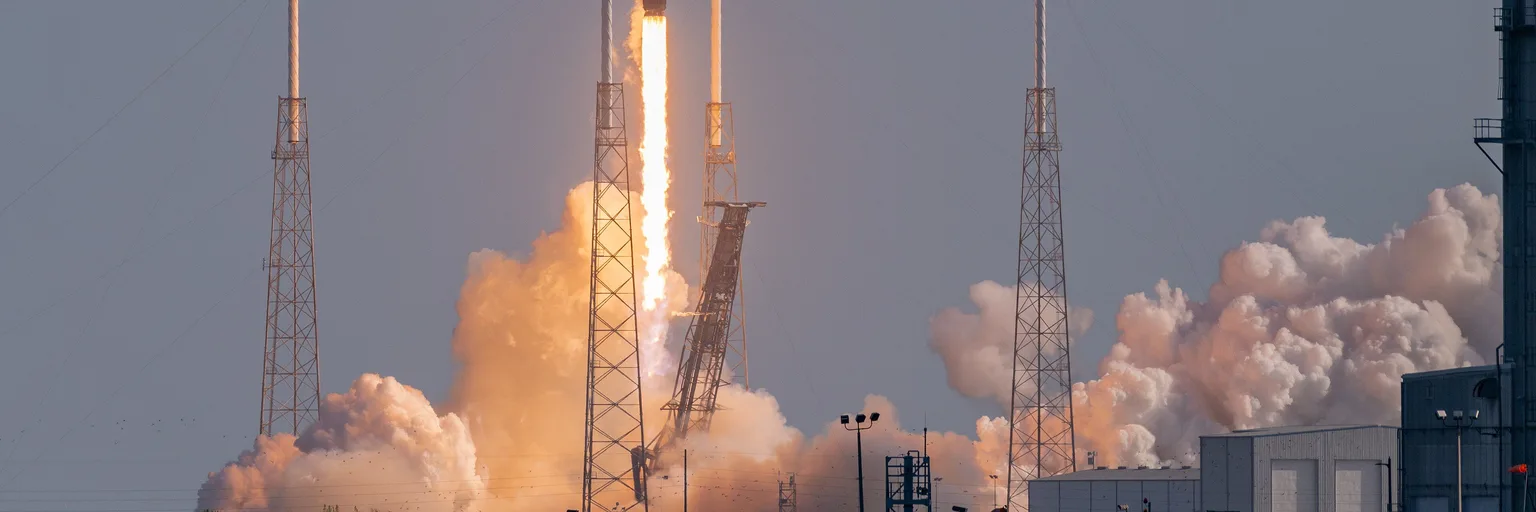
The FCC's approval for SpaceX's 15,000 direct-to-device satellites heralds a new era for connectivity, yet market reactions and industry complexities suggest a nuanced future for the space and telecom sectors.
Despite advanced capabilities, Europe and Italy grapple with a critical choice: forge true strategic autonomy in space or risk being sidelined in a rapidly militarized and commercialized cosmic arena.
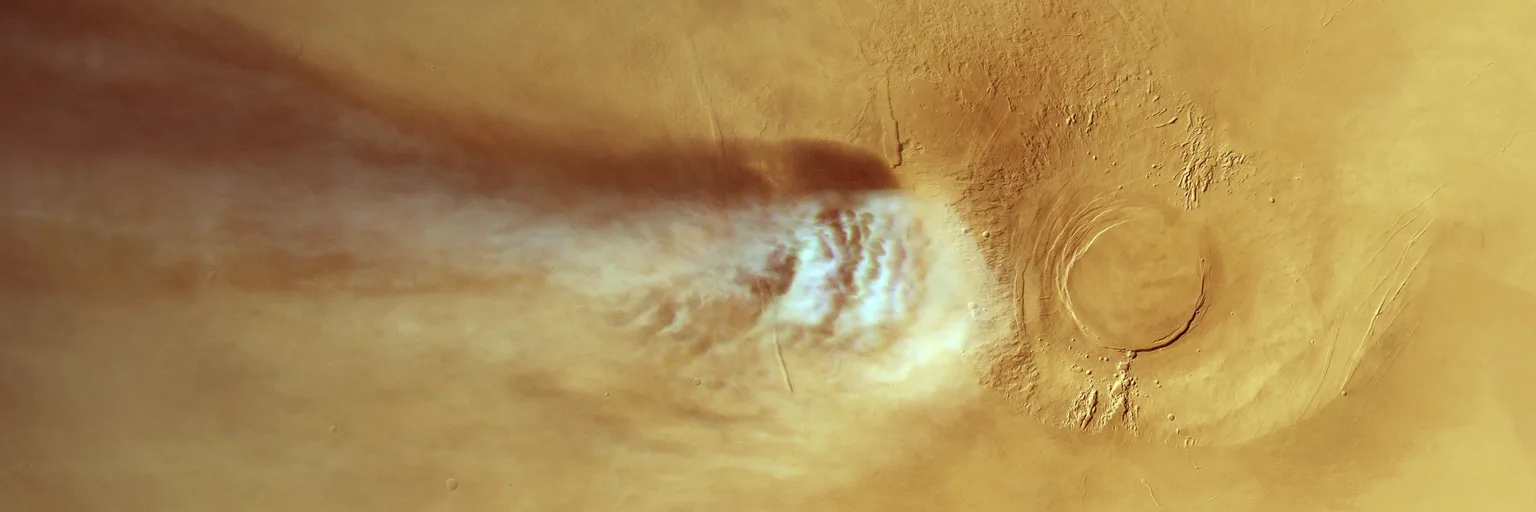
A Spanish-led team has deciphered the mystery of Mars' 1,800-kilometer cloud, revealing a never-before-seen atmospheric process that challenges our understanding of other worlds.