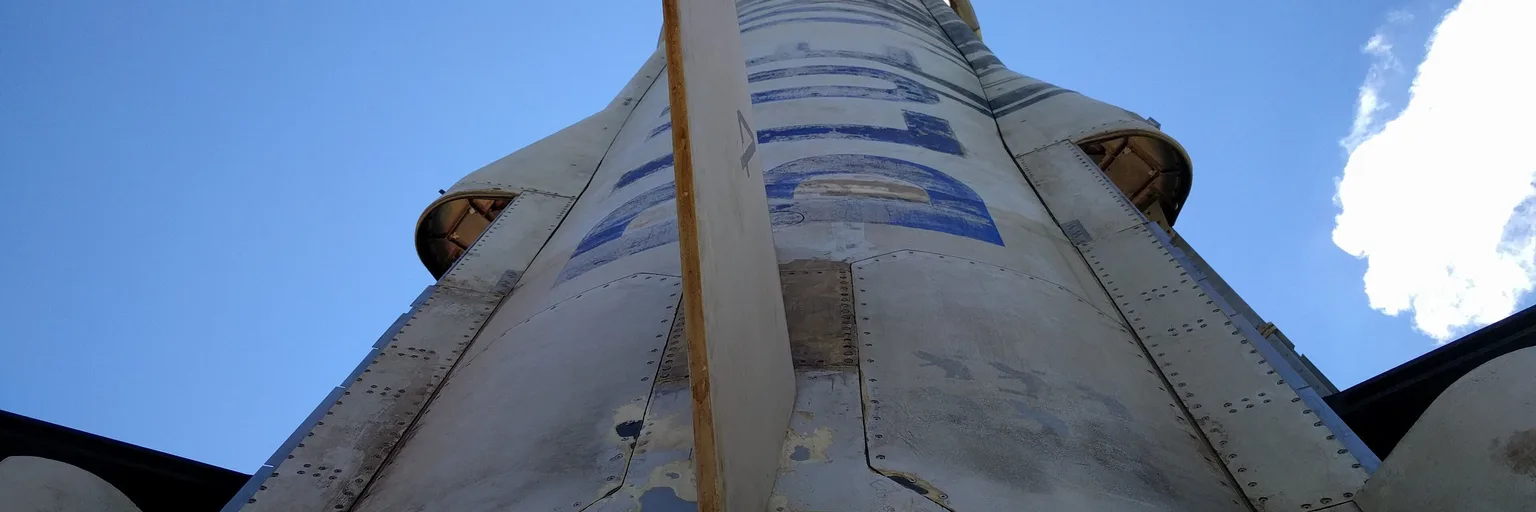
Griffin-1: A Bold Gamble for Humanity's Lunar Future
The Griffin-1 lander's successful tests mark a critical step towards a Moon Base, but its commercial nature and the history of CLPS missions suggest a high-stakes, yet necessary, gamble for lunar permanence.
Photo: Astrobotic / Wikimedia Commons (Public domain)
Humanity's vision of a permanent lunar outpost has long lingered between aspiration and reality. Yet, as the Griffin-1 lunar lander prepares for its journey to the Moon's South Pole, we are arguably closer than ever to laying the groundwork for a sustained human presence. But is this a triumphant stride forward, or a precarious gamble on a complex and challenging endeavor?
Just days ago, the Griffin-1 robotic lunar lander, a commercial lander developed by Astrobotic, with Voyager Technologies handling critical testing and assembly for NASA's Commercial Lunar Payload Services (CLPS) initiative, completed a grueling gauntlet of environmental tests at NASA's Jet Propulsion Laboratory (JPL) in Southern California. The tests, which began in July, simulated the extreme temperatures, vacuum, and intense forces of launch and space transit, confirming the spacecraft's readiness for the journey. NASA JPL reports that Griffin-1 will deliver critical cargo and technology demonstrations to the Nobile Crater near the lunar South Pole, with a launch expected no earlier than November aboard a SpaceX Falcon Heavy rocket.
A High-Stakes Mission for Lunar Infrastructure
The significance of Griffin-1 extends beyond a mere payload delivery. Carrying over 1,100 pounds (455 kilograms) of cargo, including Astrolab's FLIP rover—described as the largest commercial payload ever sent to the lunar surface—Griffin-1 is classified by NASA as an "infrastructure-class" lander. This designation signals its pivotal role as an early building block of the Moon Base program, rather than just another technology demonstration.
What makes this mission particularly critical is its timing. According to Tech Times, Griffin-1 is the only commercial lunar lander still on track to lift off in 2026 for NASA's Moon Base infrastructure program, with all other CLPS landers scheduled for this year having slipped to 2027 or later. This places immense pressure on Griffin-1 to succeed, effectively making it NASA's sole near-term bet for advancing its lunar outpost goals. The rigorous environmental testing at JPL—spanning mass properties, electromagnetic interference and compatibility, vibration, acoustic, and thermal vacuum tests—verifies that the spacecraft can survive the journey. As Charles Whetsel, manager of the Exploration Systems Development Office at JPL, stated, "We're proud to provide our expertise and facilities to support this new phase of commercial lunar exploration." This comprehensive testing provides a necessary, though not sufficient, condition for success.
The Precarity of Commercial Lunar Ventures
While Griffin-1's successful environmental tests are a major milestone, it is crucial to temper optimism with the lessons learned from recent commercial lunar missions. Of the four CLPS missions NASA has sent toward the Moon since January 2024, only one landed successfully. Three either burned up before reaching the surface or tipped over on contact, as Tech Times reports. This track record underscores the inherent risks and complexities of lunar landings, especially for new commercial partners.
Griffin-1 is not a small lander; at nearly 15 feet (4.6 meters) wide and capable of carrying over 455 kilograms of payload, it is an order of magnitude more capable than its first-generation predecessors. This increased capability comes with increased complexity. The sheer diversity of its manifest—10 science and technology demonstrations from six countries, including contributions from NASA, ESA, and international partners, alongside the large Astrolab FLIP rover—adds layers of coordination and potential points of failure. The FLIP rover itself, at approximately 500 kilograms (1,102 pounds), is engineered for the specific and challenging demands of the lunar South Pole, a rugged and poorly mapped terrain unlike the equatorial regions visited during the Apollo era.
What Success and Failure Would Mean
The completion of environmental testing is a vital engineering achievement. It confirms the spacecraft's resilience against the brutal conditions of launch and deep space. However, as the saying goes, the hardest test comes next: the actual landing. Success for Griffin-1 would mean a significant leap forward for NASA's Moon Base program, validating the CLPS model for heavy-lift infrastructure delivery and providing invaluable data from a diverse array of international payloads. It would also solidify the roles of companies like Astrobotic and Voyager Technologies in the burgeoning lunar economy, paving the way for future commercial ventures.
Conversely, a failure would represent a major setback, not just for the companies involved, but for NASA's phased approach to establishing a sustainable lunar presence. Given Griffin-1's current status as the only commercial lander projected to launch this year for the Moon Base program, a failure would significantly delay the timeline for critical infrastructure deployment and potentially force a re-evaluation of the CLPS strategy for large-scale missions. We believe the mission's dual nature—pushing the boundaries of commercial space while fulfilling NASA's strategic objectives—makes it one of the most compelling space endeavors of the year. The stakes are undeniably high, but so is the potential reward for humanity's future on the Moon.
Griffin-1 is more than just a cargo delivery; it is a test of our collective resolve and technical prowess in the next era of lunar exploration. The world will be watching to see if this audacious commercial venture can navigate the final, most perilous stage of its journey and truly open the door to a permanent human presence beyond Earth.
No topics yet: start the first one.
More stories
Enceladus' geysers: A cosmic shortcut for finding alien life
New research shows Saturn’s moon Enceladus is not just habitable, but actively aids in the search for life by 'preparing' samples for us.

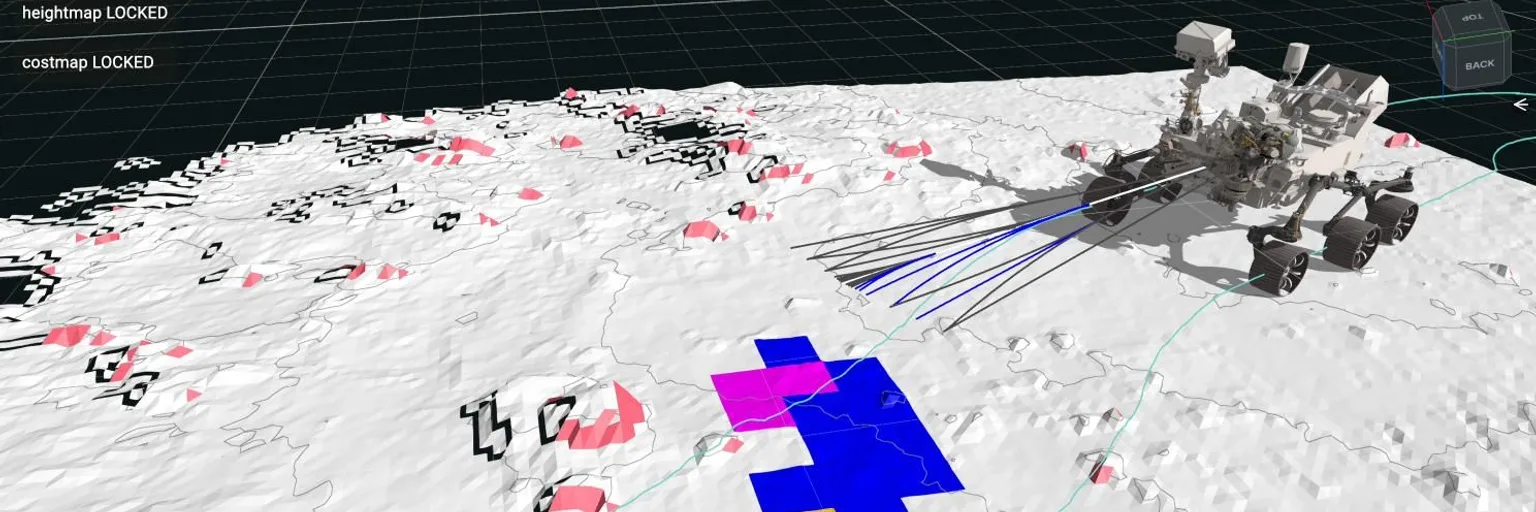
Perseverance's record: Mars rover autonomy is a blueprint for deep space
The Perseverance rover's record-breaking journey on Mars, driven by advanced autonomous navigation, reshapes our approach to extraterrestrial exploration and future human missions.
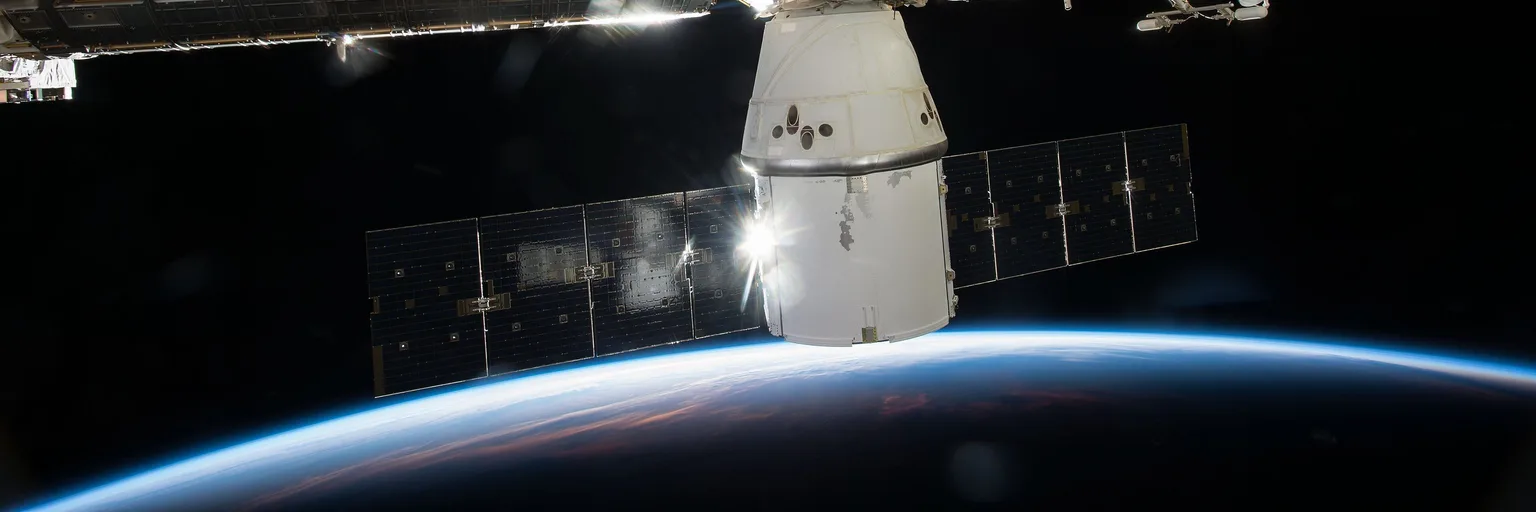
SpaceX's CRS-35: More Than Just Cargo, It's the Future of Space Science
The latest Dragon resupply mission, delivering critical research on human health and plant growth, underscores how private enterprise is reshaping the landscape of orbital scientific discovery.
Blue Origin's repeated New Shepard launches prove reusability isn't a fluke
The consistent success of Blue Origin's New Shepard in launching and landing its rockets marks a pivotal moment, affirming reusable space technology as a cornerstone for future missions beyond suborbital tourism.