Curisfera Newsroom
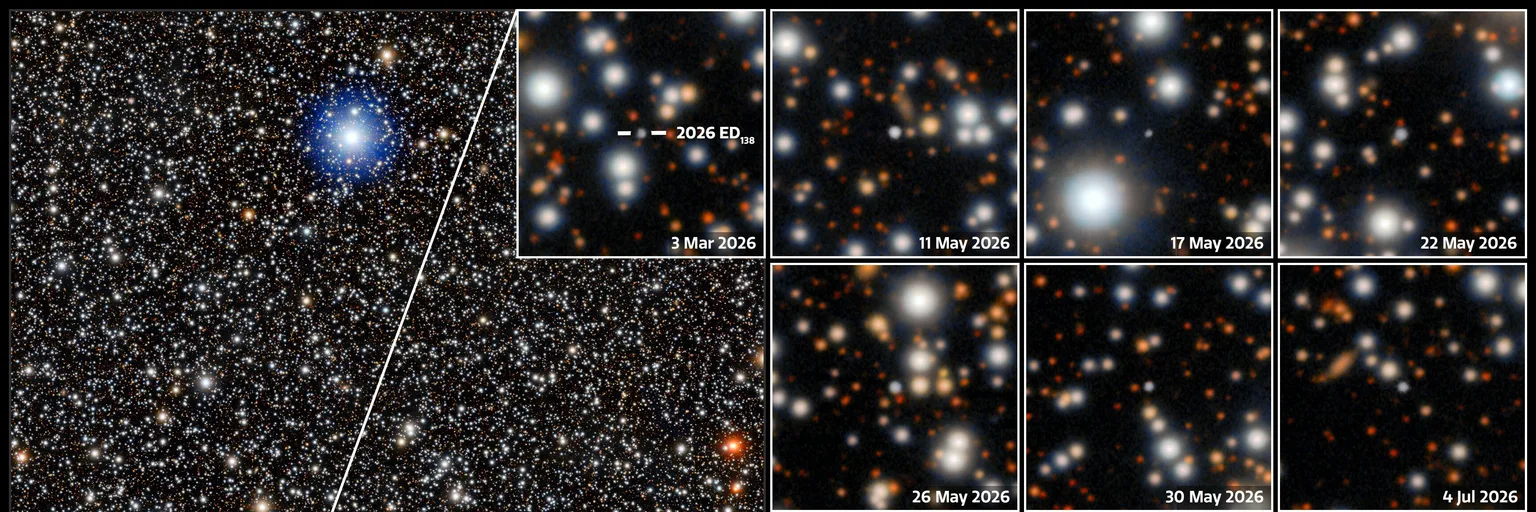
2026 ED138 reminds us the map is unfinished, not that Pluto has a new friend
Rubin's dwarf planet candidate is thrilling, but the real story is the slow, unglamorous work of confirming orbits and size, not the "planet" label.
Rubin's dwarf planet candidate is thrilling, but the real story is the slow, unglamorous work of confirming orbits and size, not the "planet" label.
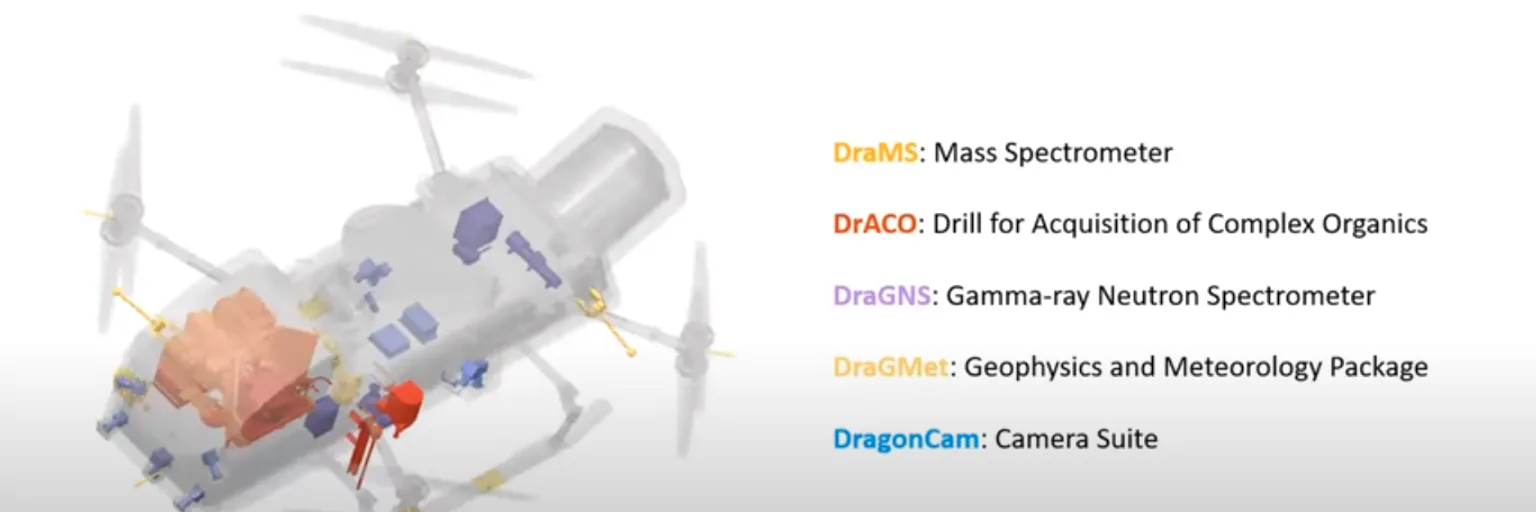
Titan's thick air and weak gravity make flight easier on paper, but a rotorcraft that must decide alone lives or dies by how rigorously its software is rehearsed on Earth.
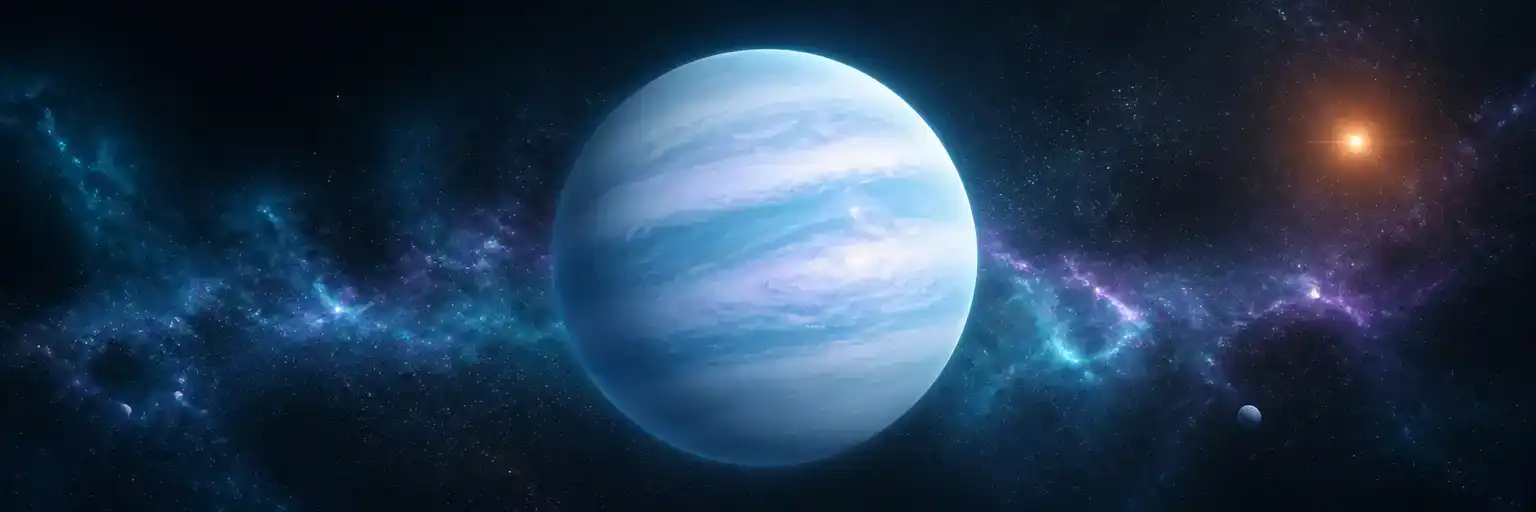
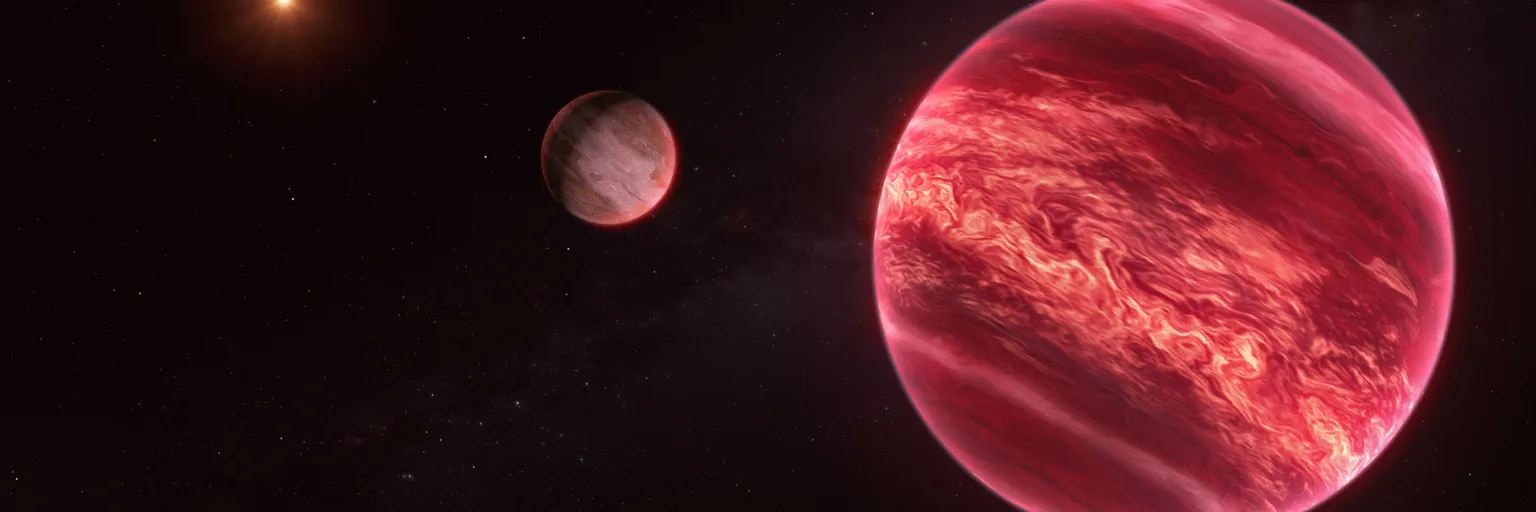
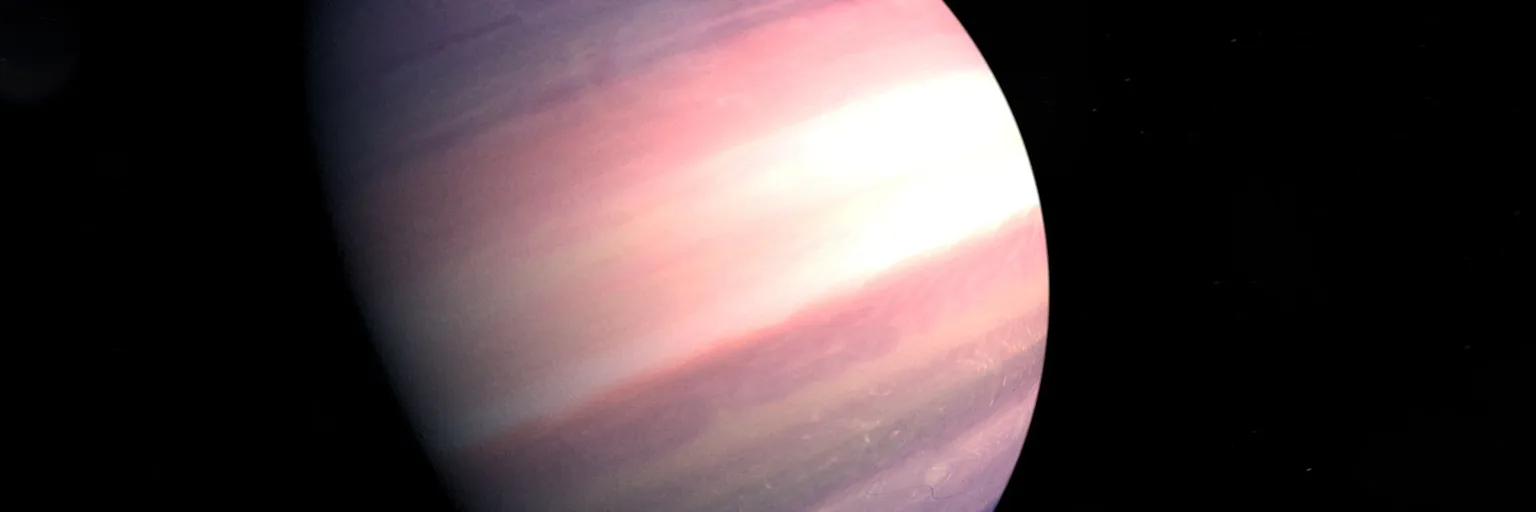
Epsilon Indi Ab, 12 light-years away, isn't Jupiter's twin. But a cold giant with probable water-ice clouds shows direct imaging has crossed a line, and the models now have homework.
Competition Model 2.0 trims selection from 35 to about 19.5 months. That helps only if budgets and review rigor survive the shortcut, and nothing in the plan guarantees it.
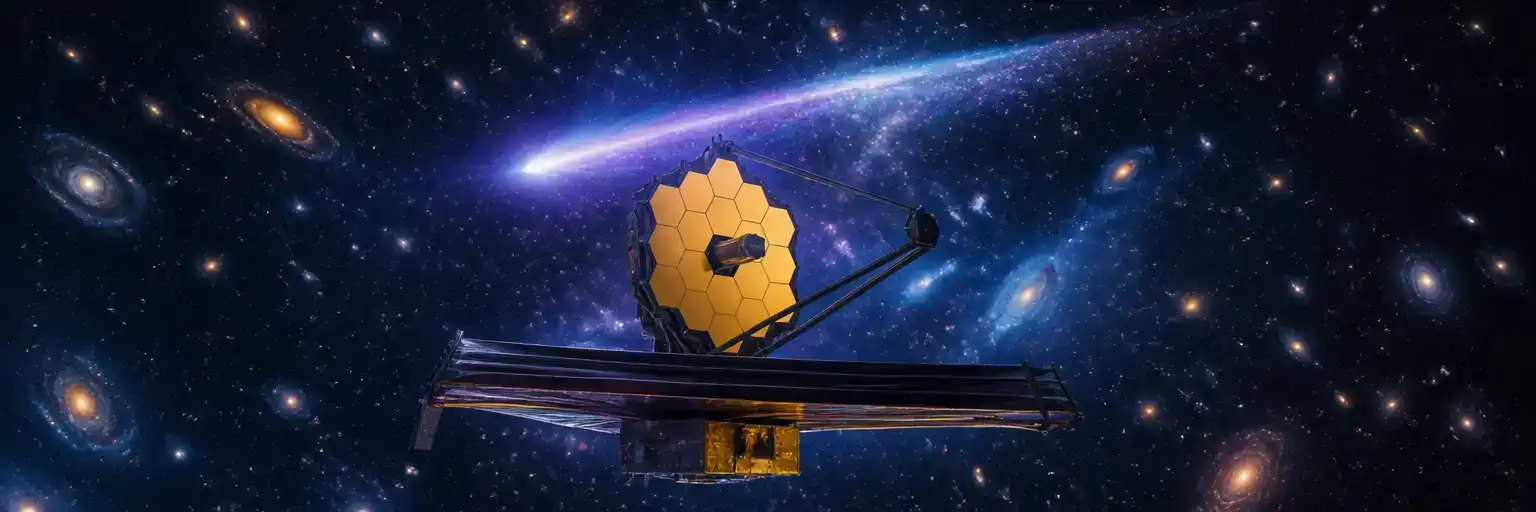
A dark-energy telescope flagged a comet nobody had cataloged. The real lesson is that survey data should be mined for surprises on purpose, not by accident.
A giant companion around a brown dwarf is a genuine milestone for method. But exomoon claims have burned us before, and "plausible" is not "confirmed."
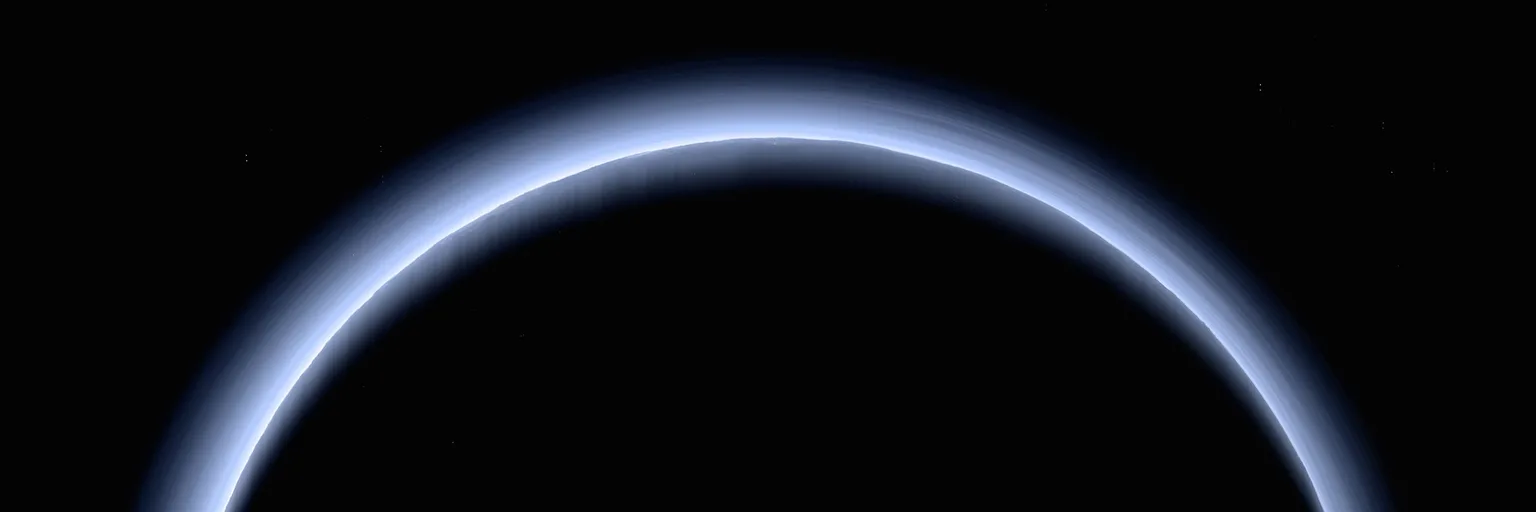
Six huge collapses in New Horizons images show Pluto's surface has been reshaped in ways we hadn't confirmed. That's progress, but it's not proof of present-day activity.
A new simulation study says the Sun's lumpy mass loss could scramble the giant planets within billions of years. Treat it as a scenario, not a prophecy, but a useful one.
NASA did try to reboost Swift, and the attempt failed. The real lesson isn't about skipped maintenance but about telescopes designed without a repair option.
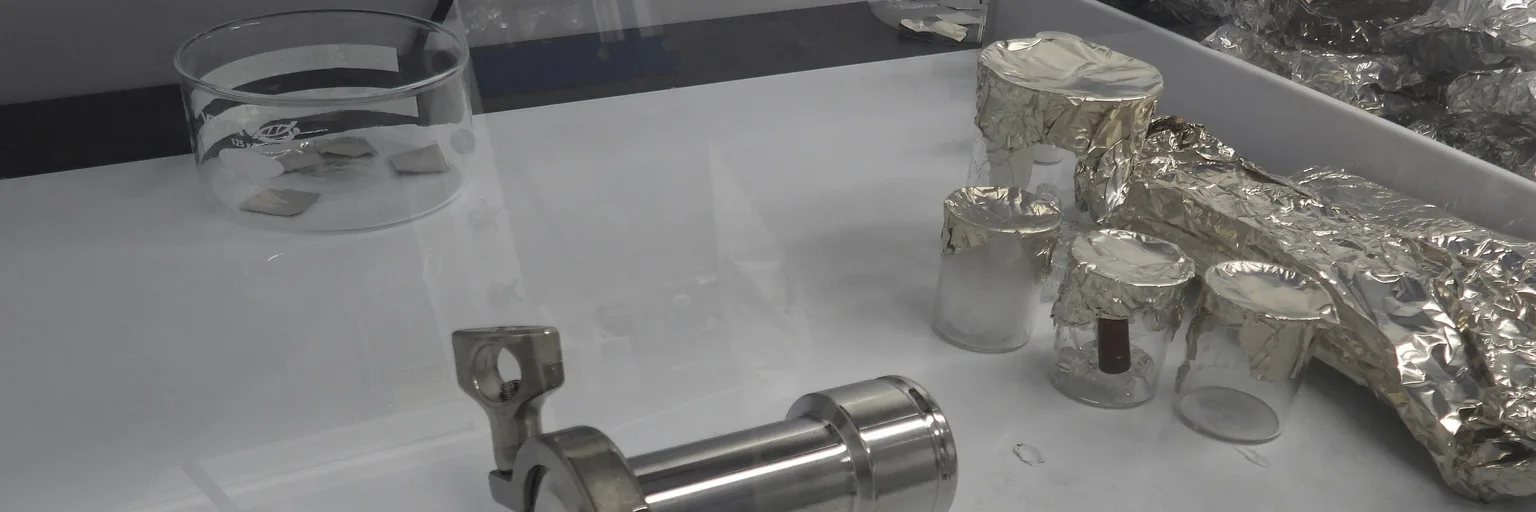
Stardust, outer-Solar-System ice and room-temperature water in 120 grams of rock: Bennu shows that bringing dirt home beats any flight milestone at changing what we know.
NASA's Psyche is thrusting almost nonstop toward a metal-rich asteroid. The quiet triumph is solar-electric propulsion, and the prize is understanding how planetary cores form.
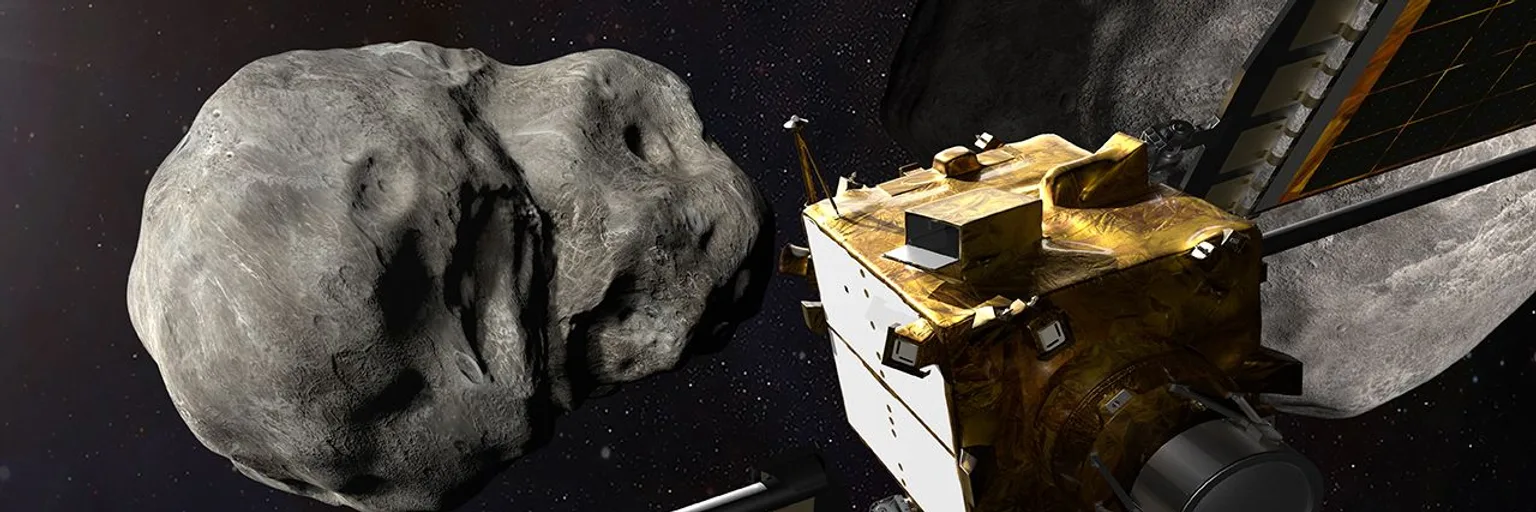
Crashing a spacecraft into an asteroid grabbed headlines in 2022. Hera, arriving at Didymos in early November, is what could turn that one-off shot into a method we can trust.
Headlines promise an "Earth-like" planet 49 light-years away. The data show something stranger and more interesting: a strong water-world candidate whose atmosphere is still unconfirmed.
The strongest argument for sample return is already in the labs: Bennu's grains keep answering questions no telescope or probe could, and the funding should follow.
A Russian satellite reportedly closed to 26 meters from a commercial radar satellite used by Ukraine. With no rules of the road in orbit, any Earth-observing spacecraft can be held hostage.
A 17-year-old intern spotted TOI 1338 b in telescope data. The lesson isn't genius: it's that archives hold more than algorithms can see, and interns are cheap eyes.
A year inside NASA's CHAPEA Mars habitat suggests the real bottleneck is food, minds and decisions made far from help, not launch vehicles.
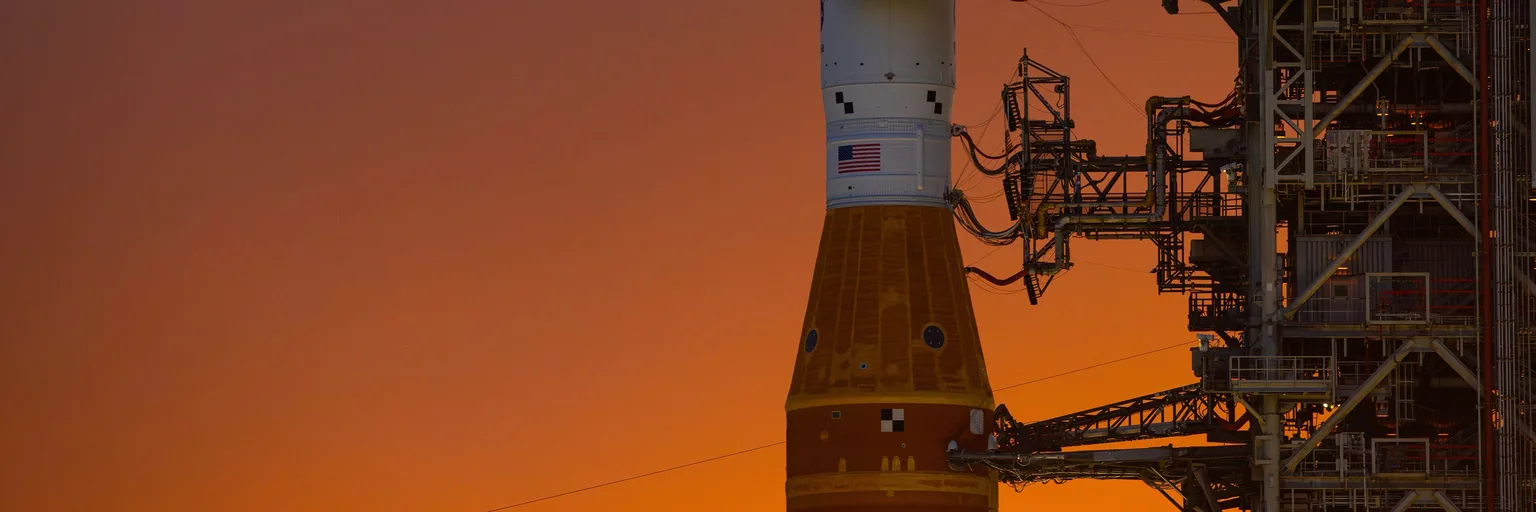
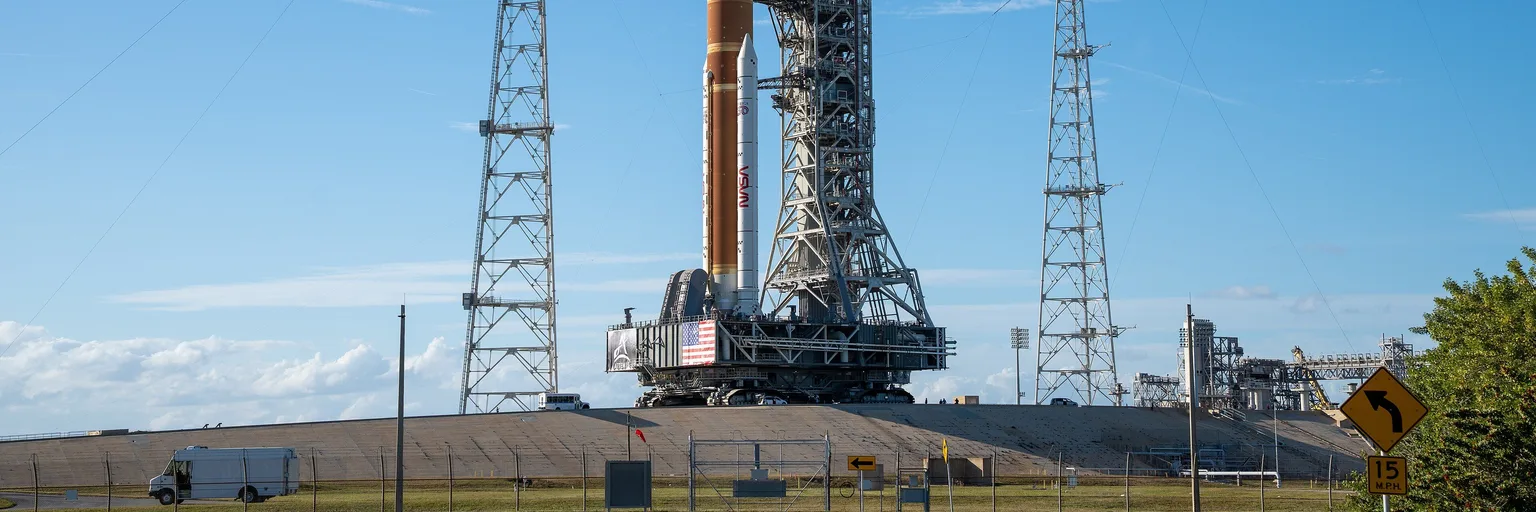
The 2027 target for Artemis III matters less than what the mission now tests: whether two commercial landers and their rockets are ready, and whether NASA will tolerate a realistic schedule.
Reconstructing a collision from 10 billion years ago using stellar motions is one of astronomy's quiet triumphs, and the Kavli Prize for Amina Helmi deserves wider public credit.
The agency keeps saying 2028. The date will mean something only when a lander docks with Orion, a suit gets tested and Blue Origin's damaged launch pad is flying again.