LHS 1140 b is a promising ocean world, not Earth's twin
Headlines promise an "Earth-like" planet 49 light-years away. The data show something stranger and more interesting: a strong water-world candidate whose atmosphere is still unconfirmed.
AI-generated image
Can a planet be called "Earth-like" when its best-case scenario is a frozen world with one patch of liquid sea? That is the question hiding behind the recent headlines about LHS 1140 b, a planet that some coverage has labeled "Earth-like" on the back of a new atmosphere report. It is not a twin of our world. It is something better: a well-measured, genuinely puzzling candidate for an ocean world.
What we actually know
LHS 1140 b orbits a red dwarf 49 light-years away. According to the encyclopedic summary of the literature, it is about 5.6 times Earth's mass and has a radius of 1.730 Earth radii. It transits its star, so both mass and radius are measured, which is rare for a potentially habitable world. A 2023 re-measurement lowered its density, and the result is no longer consistent with a purely rocky planet. The options are an ocean world with 9-19% of its mass as water, or a dense mini-Neptune.
JWST then narrowed things down. Observations published in 2024 ruled out a hydrogen-rich atmosphere. As the University of Michigan described it, that makes LHS 1140 b a compelling candidate water world, likely resembling a snowball or ice planet with a potential liquid water region. A tentative hint of nitrogen was also reported, and it still needs verification.
The newest twist is a July 2026 report in Science, covered by Hackaday, of helium escaping from the upper atmosphere. Hackaday itself says the finding suggests a helium-rich upper atmosphere depleted in hydrogen, and it notes there is room for later adjustments.
"Earth-like" is the wrong frame
The word does a lot of unearned work. The planet receives 43% of the light Earth gets, around a dim star, with a 24.7-day year. Its equilibrium temperature is below freezing unless a strong greenhouse effect intervenes. It is also much heavier and bigger than Earth. Nothing here says "second Earth." It says "different kind of planet, in a zone where liquid water is possible."
Habitable zone, to be clear, is a statement about orbital distance, not about whether anyone could live there. Even the optimistic scenario, an "eyeball" planet with ice and a liquid region, is a world with no analog in our solar system. In our view, that is the real story, and the Earth-twin label actively hides it.
Where the hype and the science part ways
We would separate three things. The mass, radius and orbit are solid measurements. The ruling out of a hydrogen-rich atmosphere is a published JWST result. Everything else, including nitrogen, water vapor and helium, ranges from tentative to awaiting confirmation. The helium story is also a bit tangled: earlier ground-based hints of helium were not backed up by JWST, which did not detect it, so a new detection from a different instrument deserves patience rather than a victory lap.
In our view, any headline that stretches this into a settled, Earth-like world is getting ahead of the evidence. Careful, incremental progress is how this field is supposed to work, and it is not a weakness. If a confirmed atmosphere appears around a rocky or watery habitable-zone planet, it would be a first, and that would justify excitement. It would not justify "Earth-like climate."
Our verdict
Treat LHS 1140 b as one of the best laboratories we have for asking whether temperate worlds around red dwarfs keep their atmospheres. That is a question about planets in general, not about a cozy vacation spot. Read the "Earth-twin" headlines with skepticism, and look for the peer-reviewed papers and the word "candidate." The honest version is more interesting anyway: a heavy, possibly icy ocean world, 49 light-years away, whose air we are only beginning to sniff.
No topics yet: start the first one.
More stories
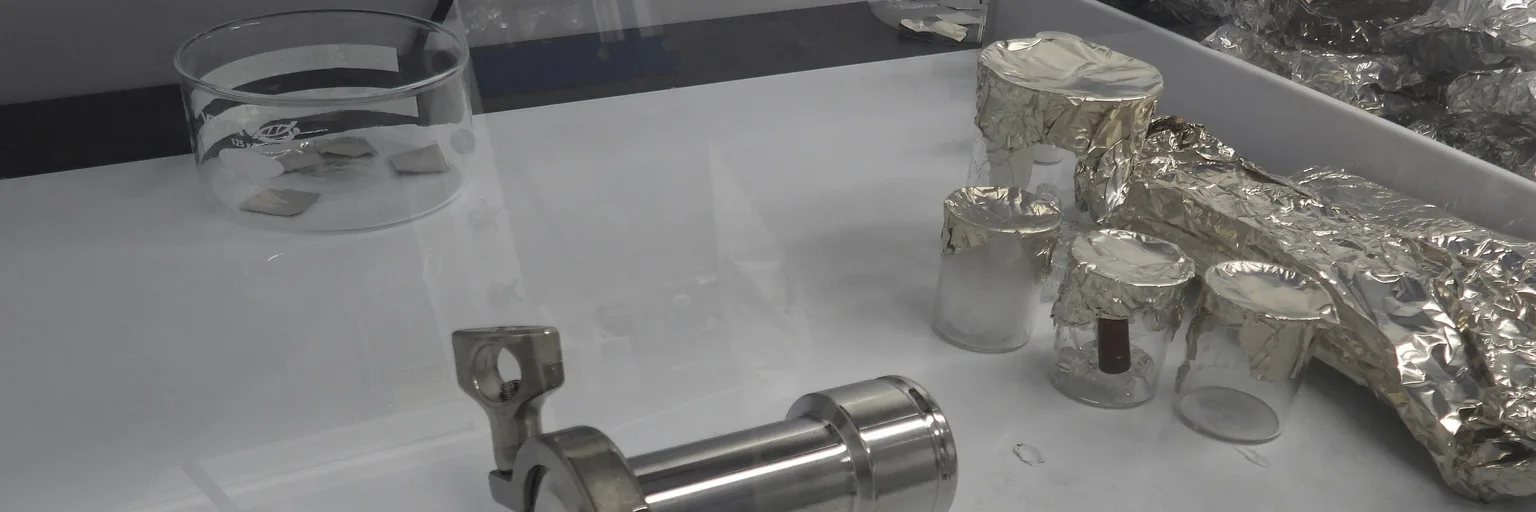
OSIRIS-REx's real legacy is the sample, not the flight
The strongest argument for sample return is already in the labs: Bennu's grains keep answering questions no telescope or probe could, and the funding should follow.
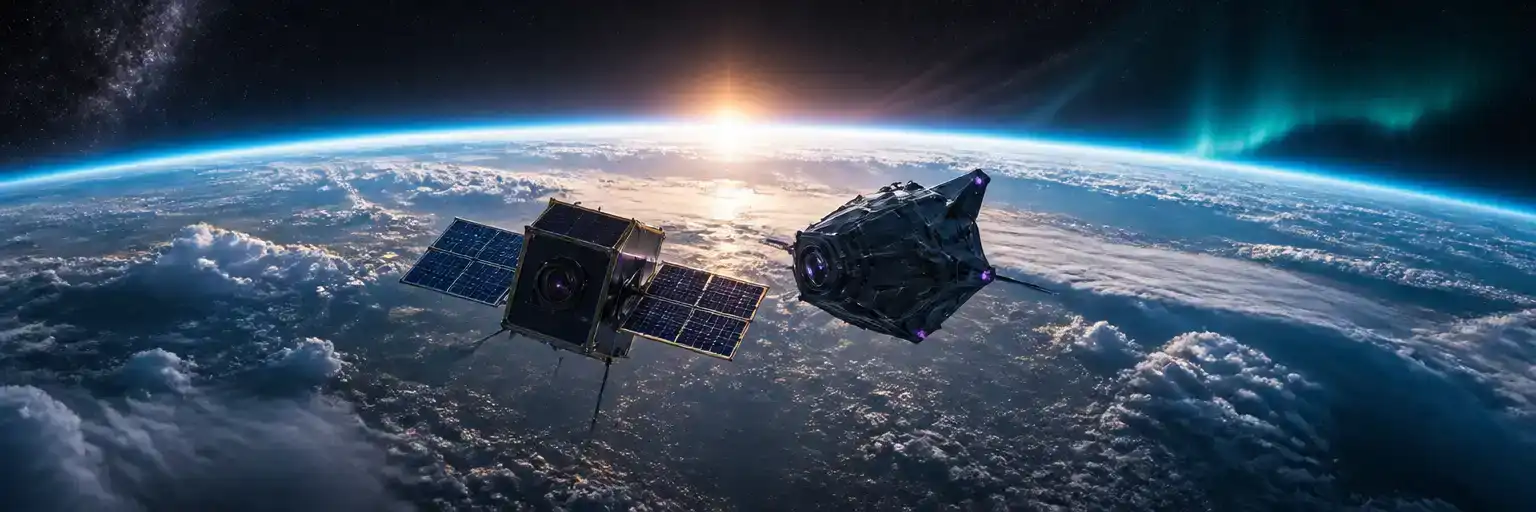
Orbit is no longer neutral: a Russian shadow on ICEYE-X36
A Russian satellite reportedly closed to 26 meters from a commercial radar satellite used by Ukraine. With no rules of the road in orbit, any Earth-observing spacecraft can be held hostage.
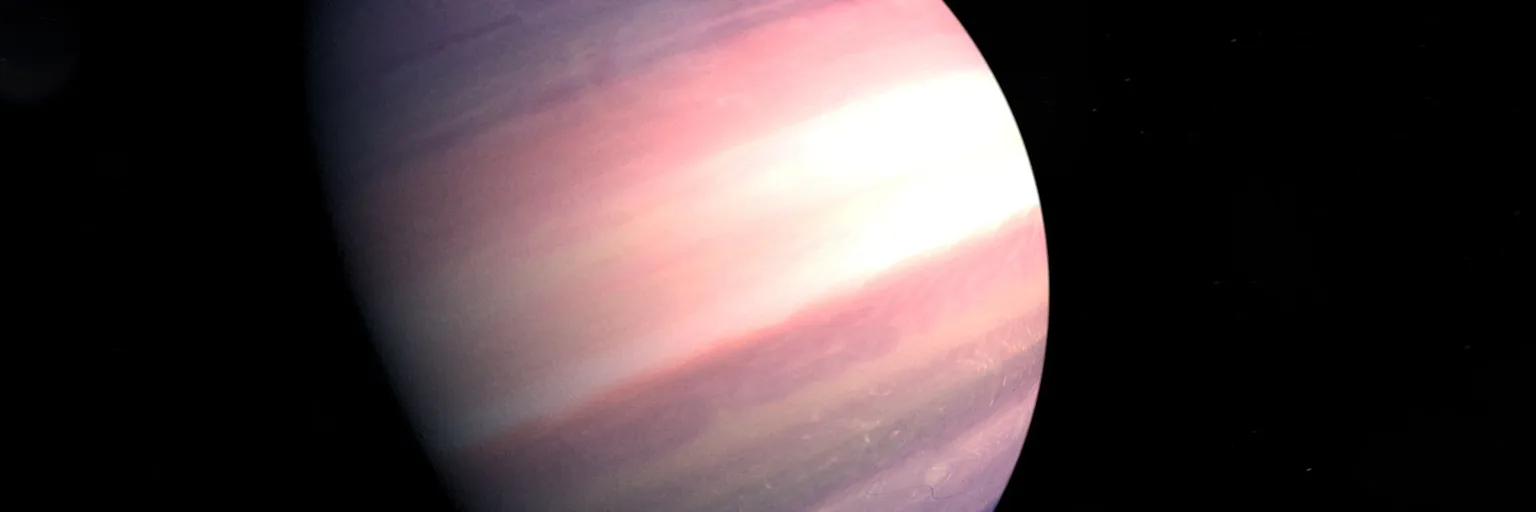
The teen who found a two-sun planet proves archives need eyes
A 17-year-old intern spotted TOI 1338 b in telescope data. The lesson isn't genius: it's that archives hold more than algorithms can see, and interns are cheap eyes.
Mars won't be limited by rockets: a year in Houston points to people
A year inside NASA's CHAPEA Mars habitat suggests the real bottleneck is food, minds and decisions made far from help, not launch vehicles.