Curisfera Newsroom
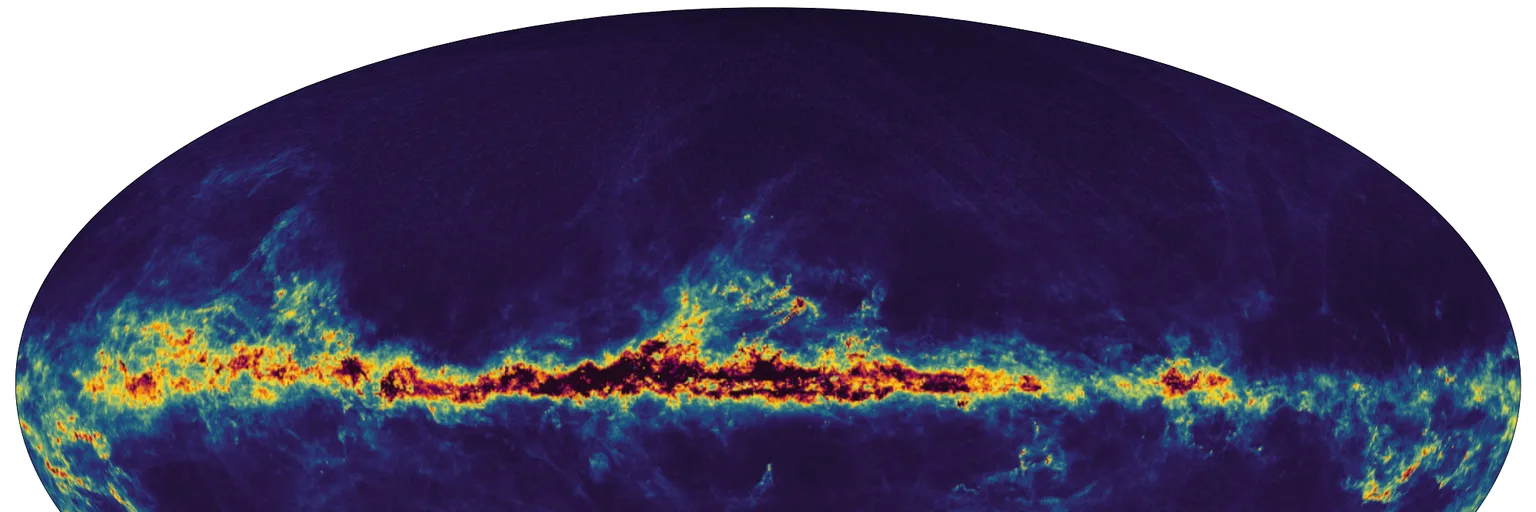
The calm between the stars was a myth, and a new 3D map shows why
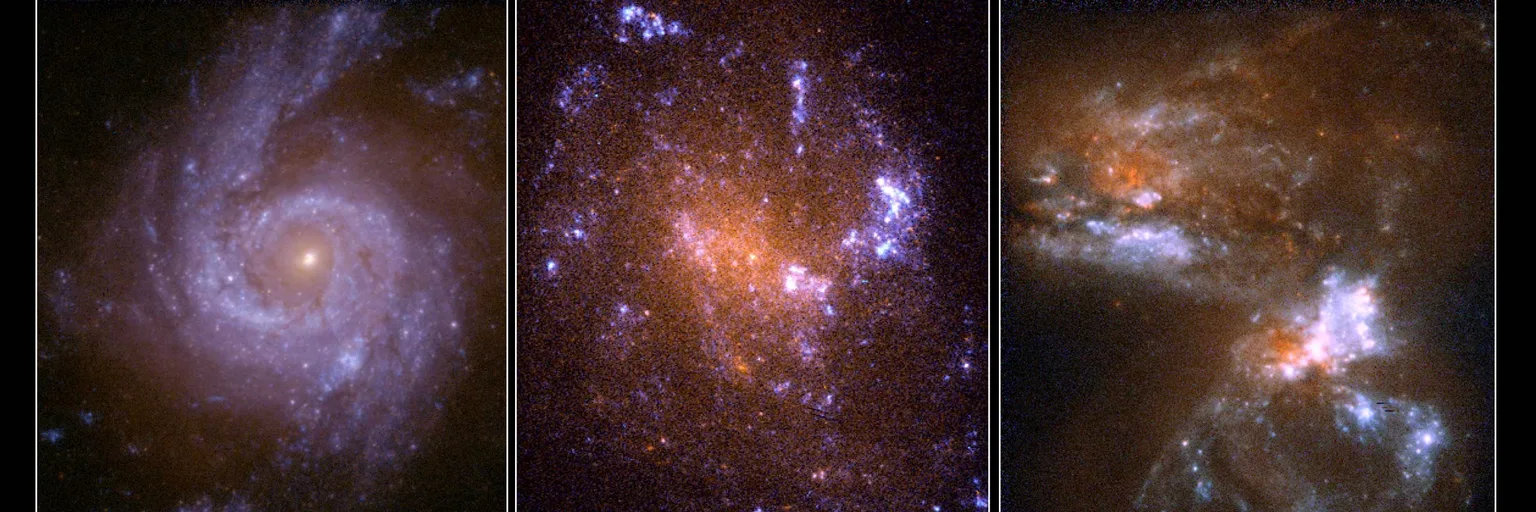
A new 3D map finds roughly 41% of nearby interstellar gas in an unstable state. The "empty" space between stars is where new stars get their raw material.
A new 3D map finds roughly 41% of nearby interstellar gas in an unstable state. The "empty" space between stars is where new stars get their raw material.
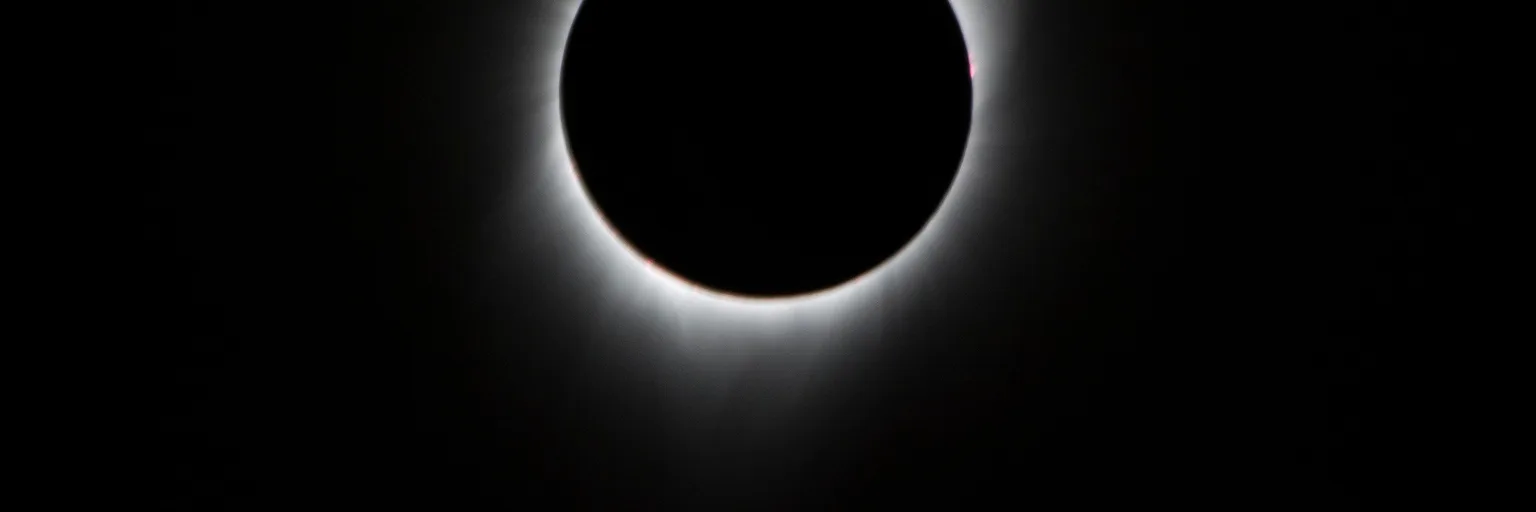
Six-plus minutes of totality over Egypt on August 2, 2027 is a rare block of observing time. Treating it as a photo op would waste it.
NASA's request for ideas to boost, service or retire Hubble is cheap and sensible, but it exposes a harder question: how much to pay to keep an old telescope alive.
NASA is asking industry whether Hubble can be boosted, serviced or brought down in a controlled reentry, and the answer will show if we maintain great observatories or just use them up.
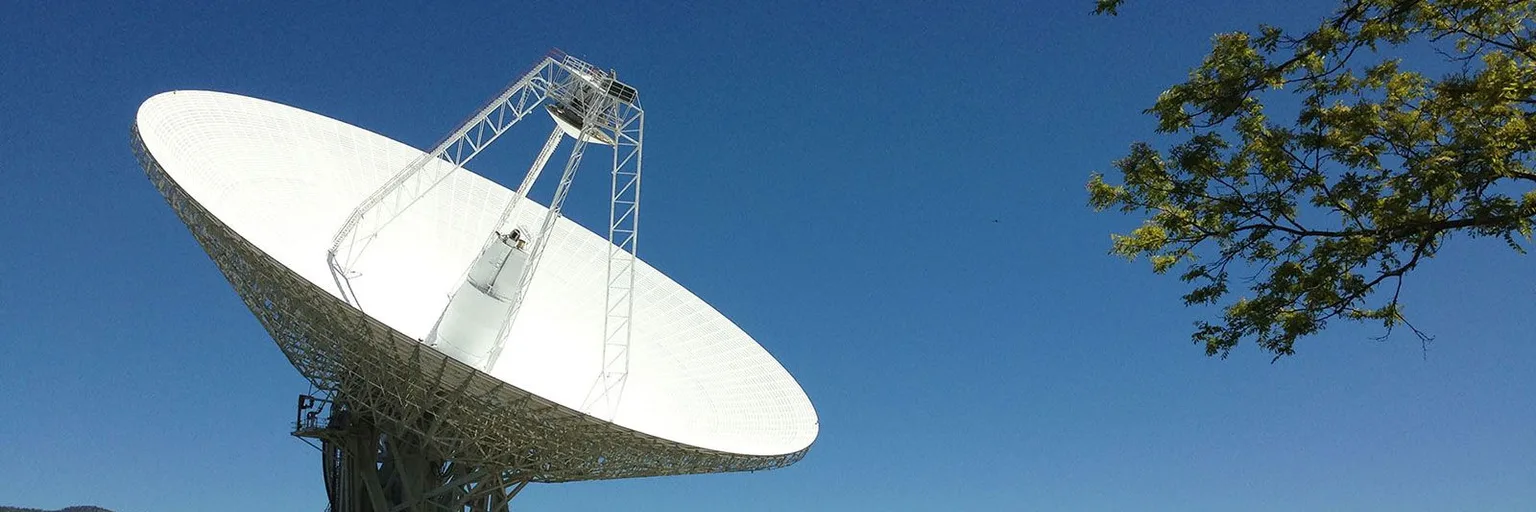
A decades-old probe went unheard in two scheduled contacts and then came back on its own. The real lesson is about the Earth-side antennas and engineers who keep listening.
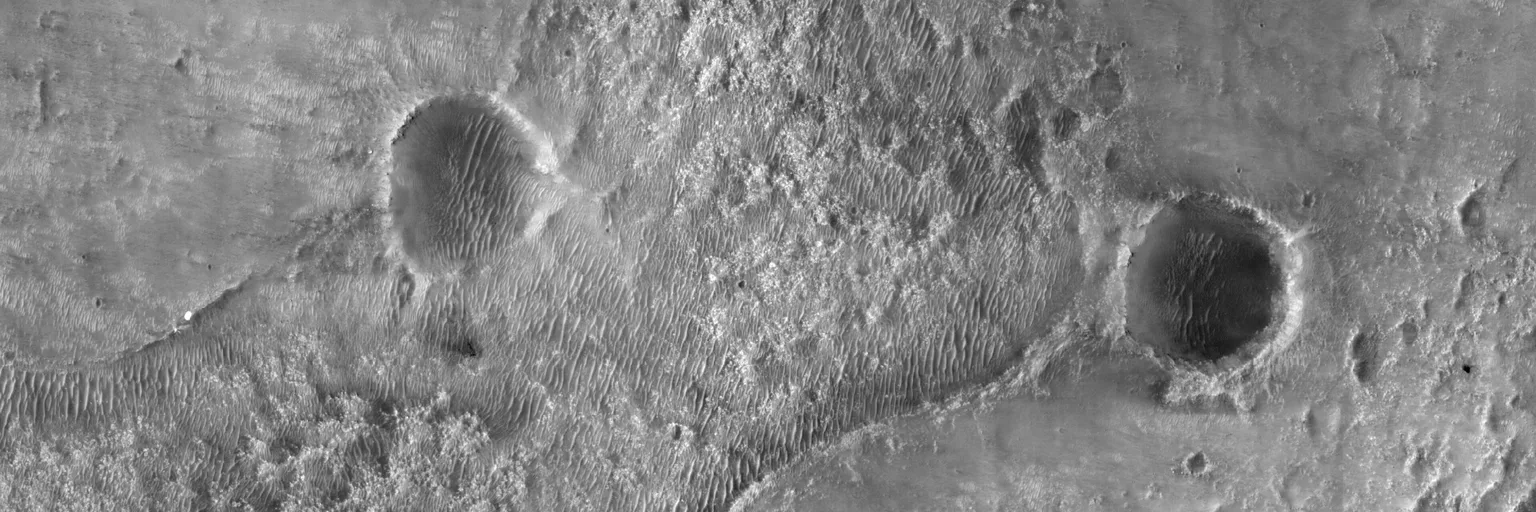
Perseverance measured dust grains of about 100 nanometers over 1,645 sols. Protecting astronauts' lungs is a design problem as serious as the rocket, and it needs money today.
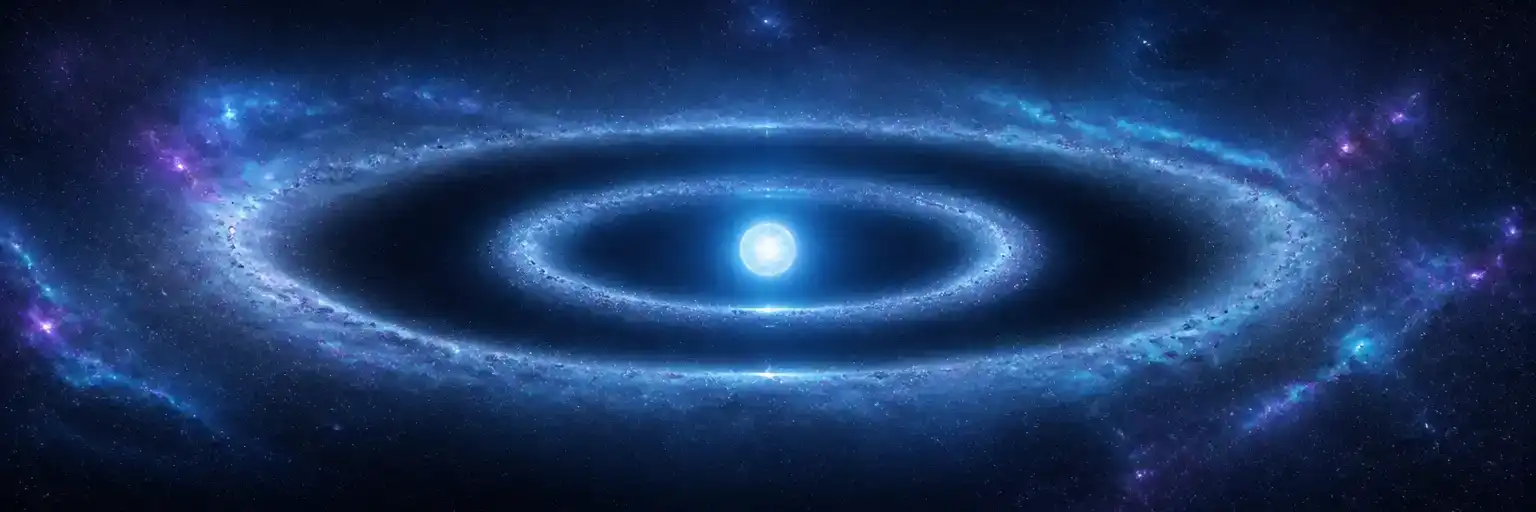
Two rings of debris around white dwarf WD J1328−1450 show planetary systems can survive stellar death. It's a vivid preview of our future, but one system is not a forecast.
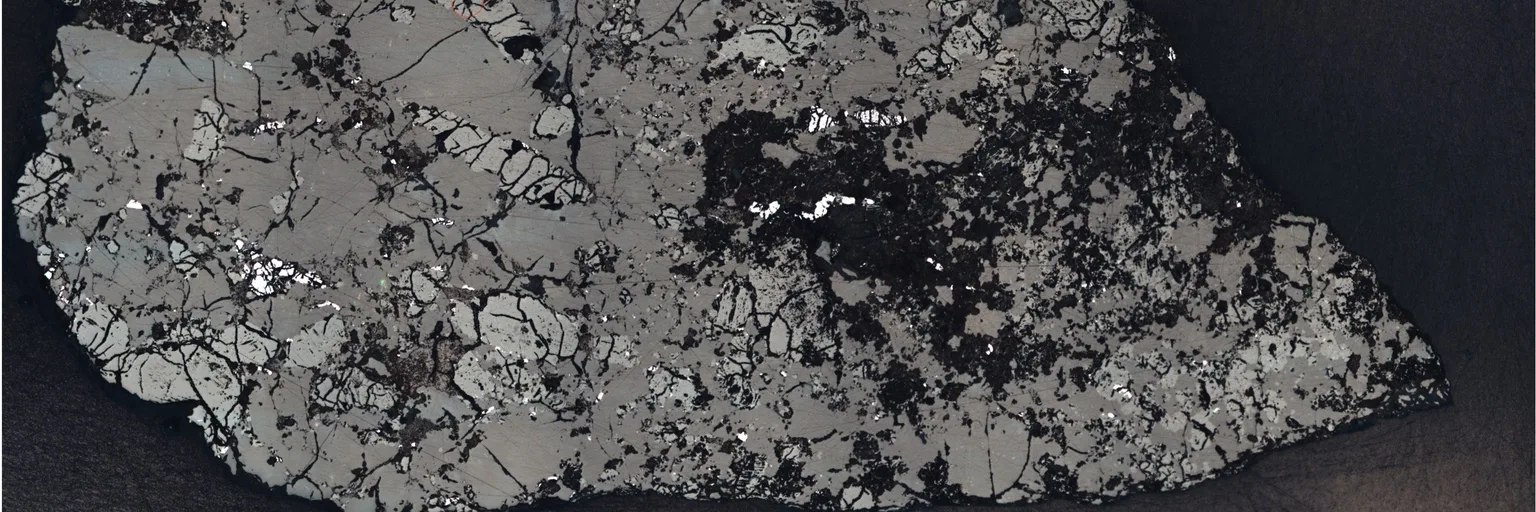
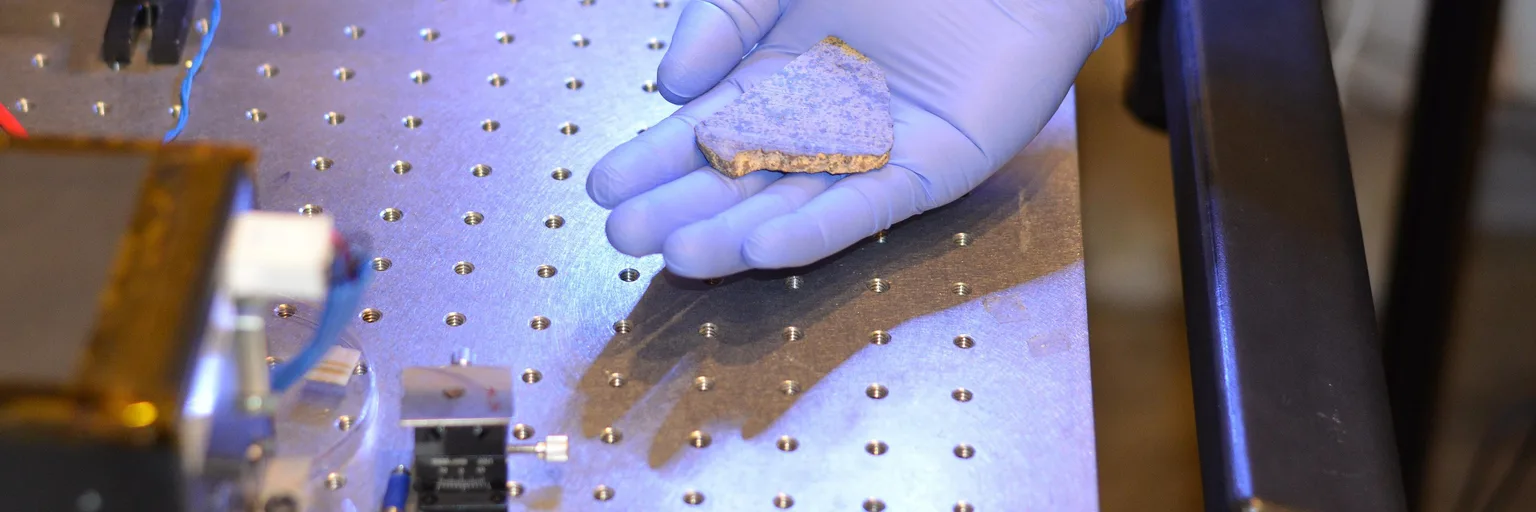
Teghaza 001, a meteorite at least 4.1 billion years old, hints at a wetter early Mars. It also shows why a lucky find from the desert needs careful, modest reading.
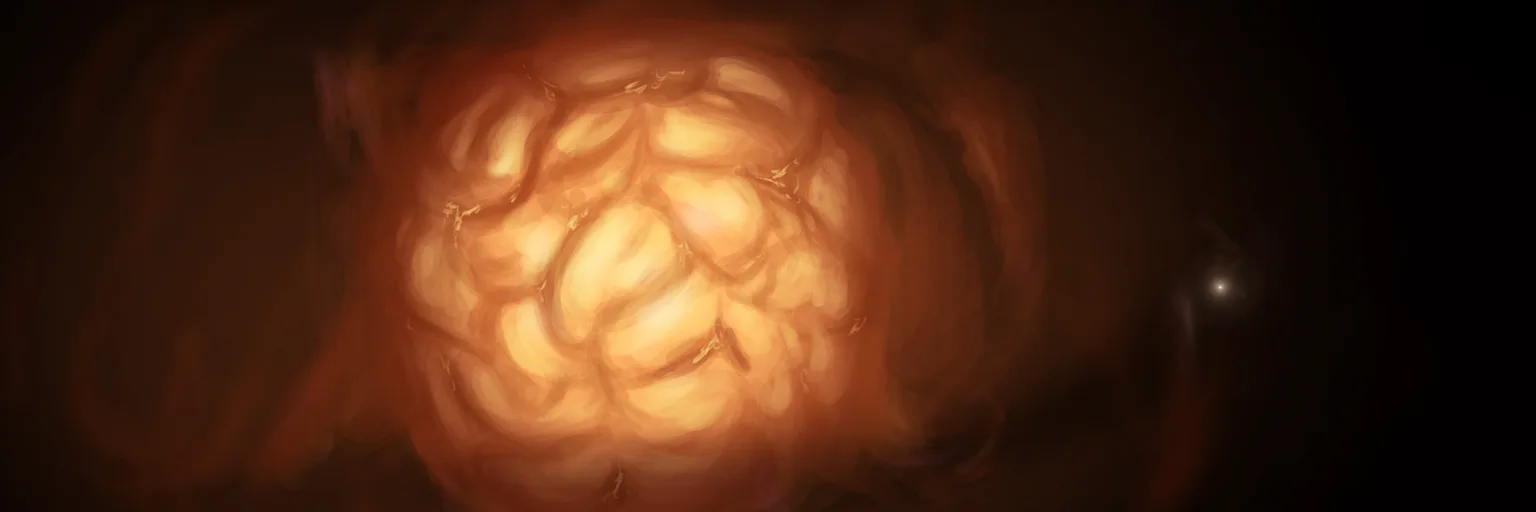
After months of fading, the red supergiant has stopped sinking, for now. That's no letdown: each wobble of Betelgeuse is teaching us how little we knew about stars near the end of their lives.
A 4.1-billion-year-old rock from the Sahara shows how much meteorites can teach us about early Mars, and why that is an argument for sample return, not against it.
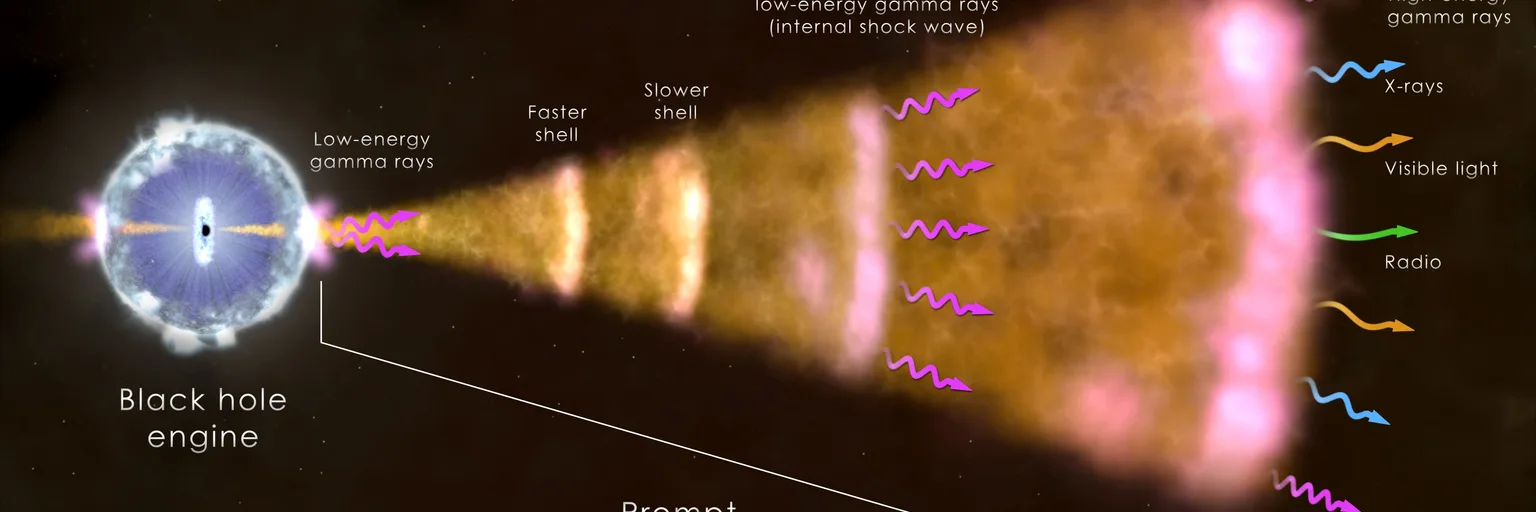
A gamma-ray burst that looked modest hid a far more energetic story in its afterglow. Brightness is a view from one angle, not a verdict on power.
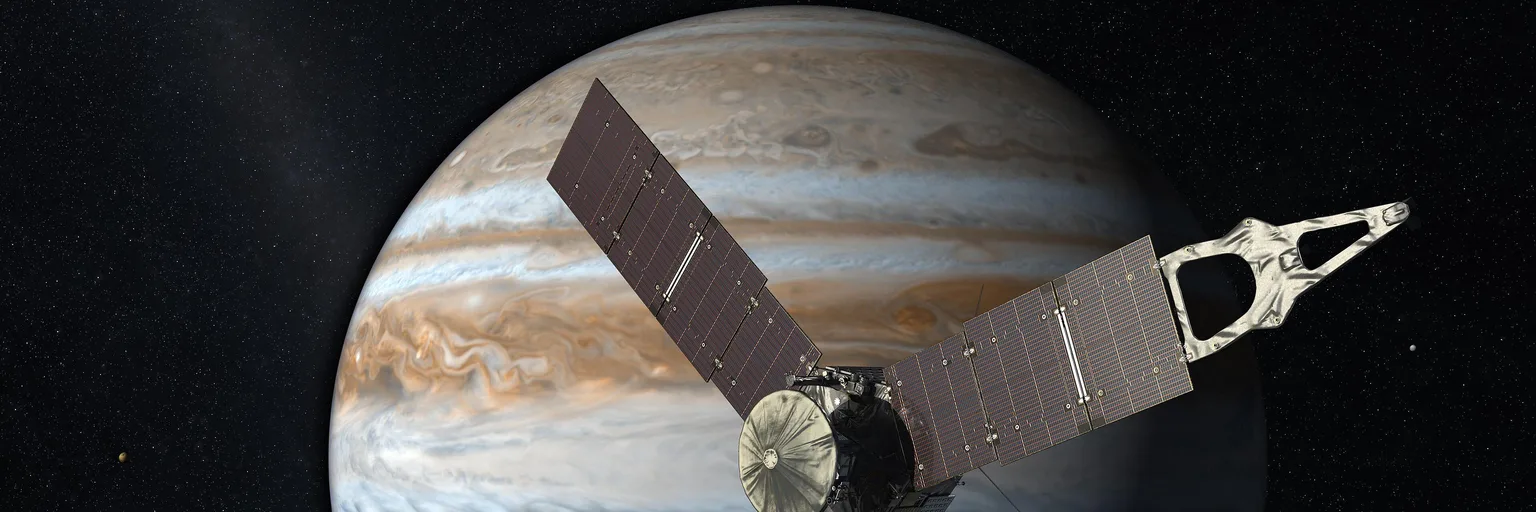
Juno found multi-frequency plasma waves and shocklets at Jupiter that Earth doesn't need. We think that makes our home planet a risky default for magnetosphere models.
A 22-year-old NASA observatory is coming down with no thrusters to steer it. The reentry risk is tiny, but the real lesson is that science missions must be designed for their own funeral.
A Jupiter-mass body circling a brown dwarf strains our vocabulary. The useful question isn't what to call it, but how it formed, and that is still open.
A black mold grew in every sample around the Moon, while a yeast likely expired before launch. The lesson isn't that fungi are tough; it's that deep-space biology lives or dies on controls.
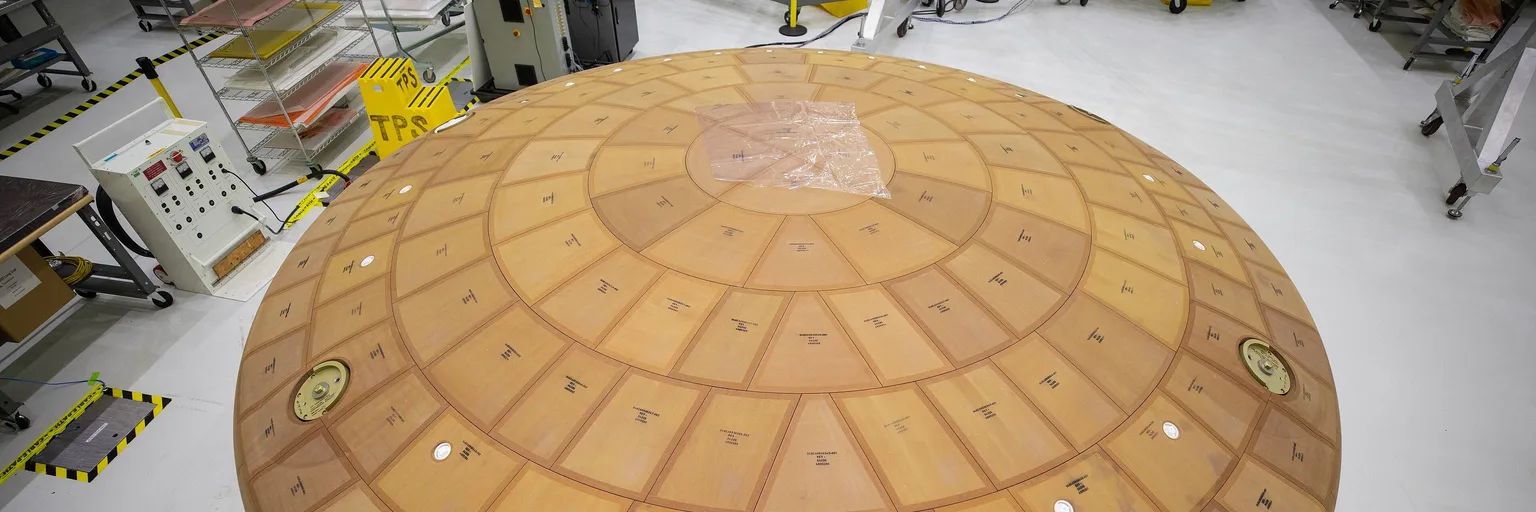
NASA says Orion's heat shield did its job on the way back from the Moon. That is real reassurance, but a single crewed flight can't tell us how much margin future lunar missions have.
Asteroid 2025 UK9 will pass inside the Moon's distance on October 31. The scare is trivial. The real story is that we can see such small rocks coming at all.
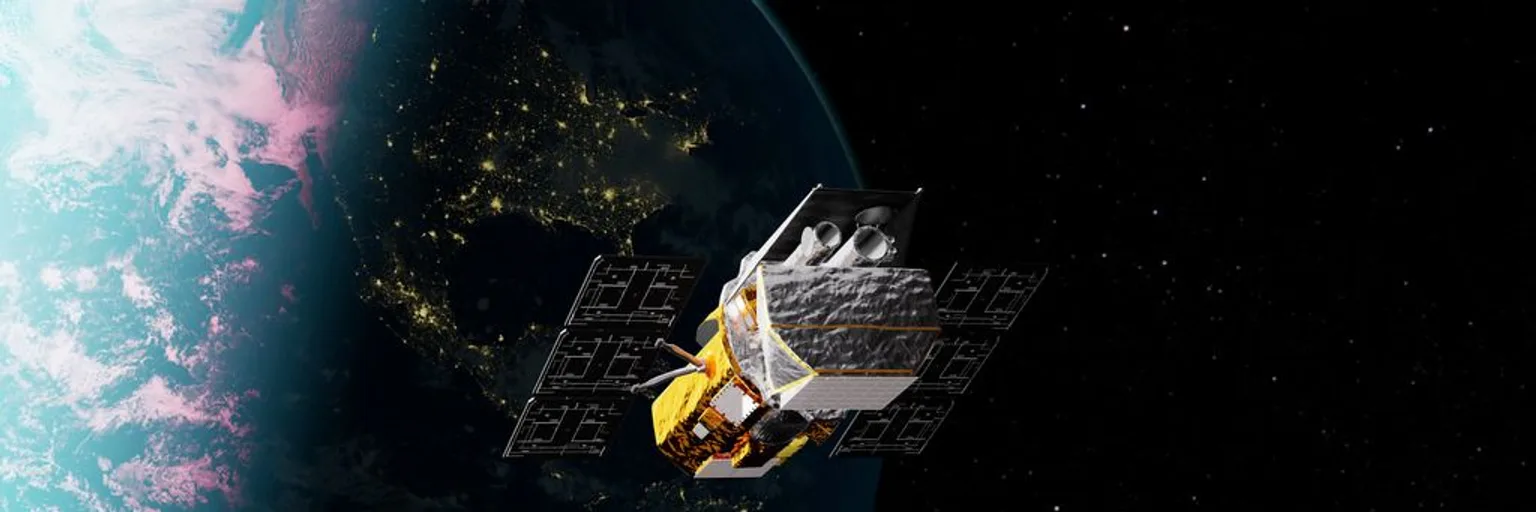
NASA's 2031 ultraviolet telescope is good news, but its slipped date and doubled price tag show how fragile a capability we rarely notice until it's gone.
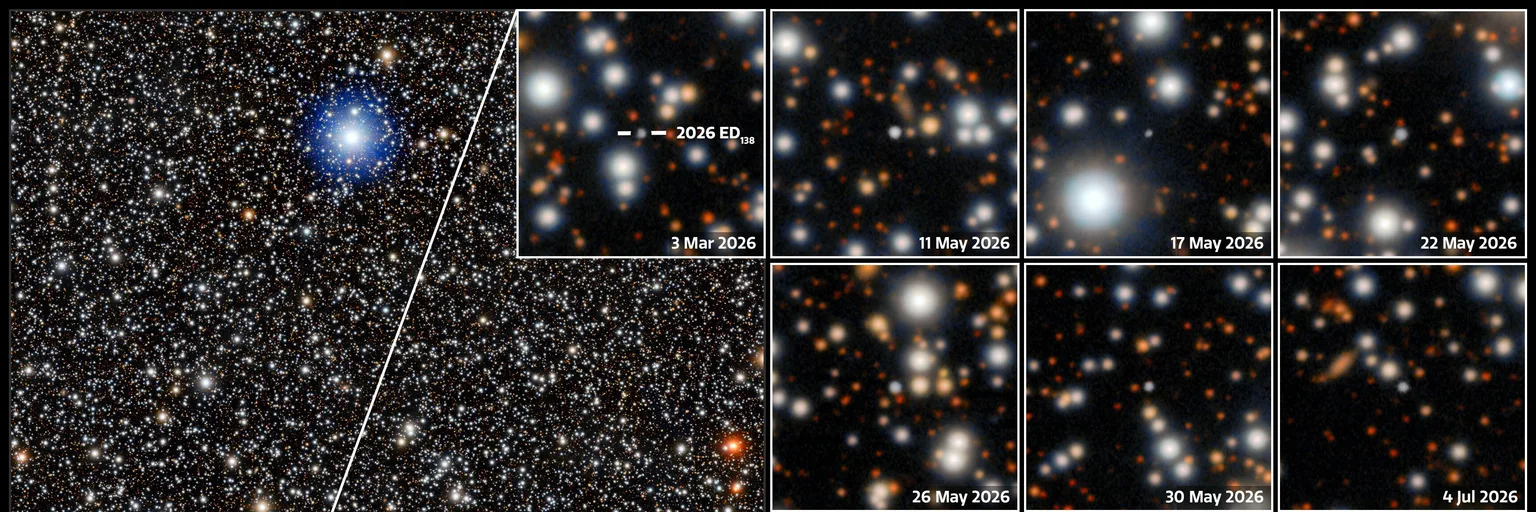
2026 ED138 stays a candidate until its size and shape are measured, and the bigger story is how many more worlds like it Rubin will turn up.
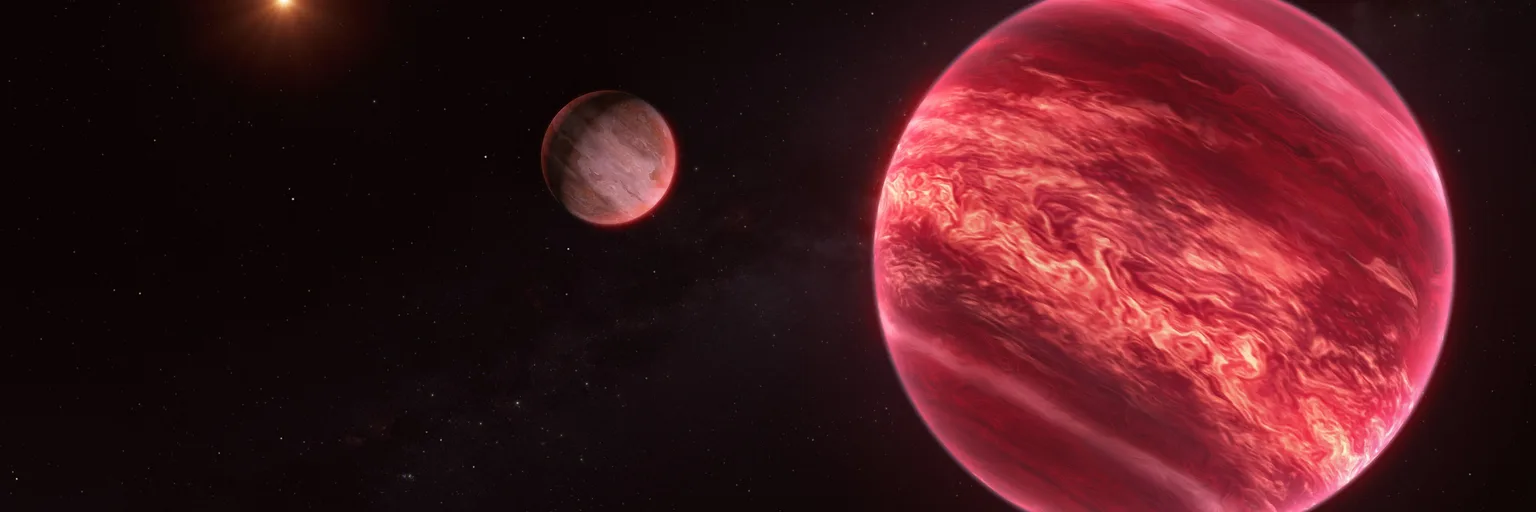
TOI-561 b, a scorched rocky world, seems to wear a reflective atmosphere it shouldn't have. We should loosen our habitability filters, not throw them out.