Patagonian Yeast: A New Chapter in Evolution's Story
Recent findings from Chilean scientists in Patagonian wild yeast challenge conventional views on adaptation, suggesting evolution is more complex and dynamic than previously thought.
AI-generated image
How do species truly adapt to their environments, and what role do human interactions play in their evolutionary paths? A surprising pattern found in Patagonian wild yeast by Chilean scientists offers potent new insights into these fundamental questions, potentially rewriting our understanding of how species respond to environmental pressures.
Building on decades of research into the unique biodiversity of the Patagonian region, these recent findings, highlighted by outlets like ADN Radio, reveal an unexpected blueprint within a wild yeast species. This discovery provides crucial new clues about how organisms adapt to challenging climates, particularly cold temperatures, and how these adaptations can influence wider ecosystems.
This latest research deepens a story that began in 2011 when scientists, including Chris Hittinger and Diego Libkind, isolated Saccharomyces eubayanus from Patagonian beech forests. This cold-loving yeast was identified as the elusive parent of Saccharomyces pastorianus, the hybrid yeast responsible for brewing lager beer, which historically emerged in 15th-century Bavaria when brewers stored beer in cool caves. The initial discovery solved a long-standing mystery about lager's origins, but the ongoing work suggests S. eubayanus holds even more secrets about evolutionary resilience and adaptive capacity.
Rethinking Evolutionary Journeys
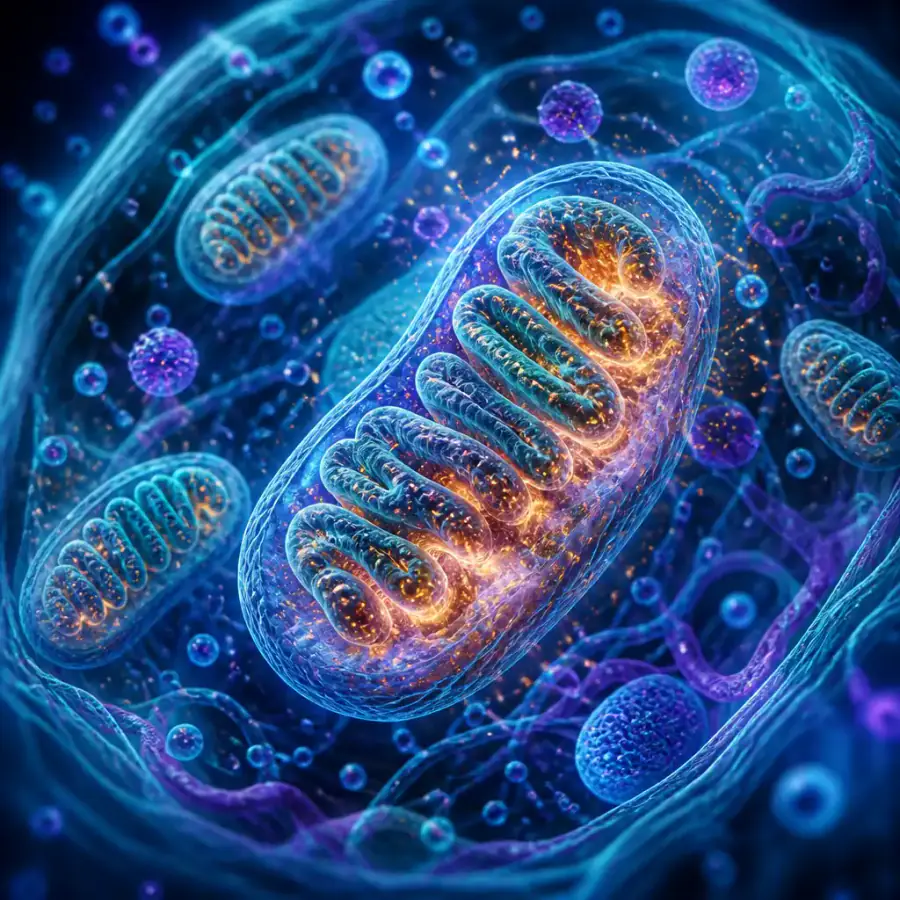
The traditional narrative often presents evolution as a slow, gradual accumulation of changes. However, the saga of Saccharomyces eubayanus suggests a more complex, perhaps even serendipitous, pathway. The fact that a yeast from the remote forests of Patagonia could have crossed an ocean — potentially carried by fruit flies, as some researchers speculated in 2011 — to hybridize with a European ale yeast to create Saccharomyces pastorianus is itself a remarkable tale of dispersal and genetic mixing. This intercontinental journey and subsequent hybridization underline that evolution isn't always confined to isolated environments but can be driven by chance encounters that unlock entirely new biological capabilities. This hypothesis for its arrival in Europe, though still speculative, challenges traditional ideas of biogeography and biological exchange.
Adding another fascinating layer, recent archaeological evidence, accepted for publication in 2025, indicates that S. eubayanus was utilized in pre-Hispanic fermented beverage production in Patagonia between 920 and 750 years before present. This predates European-Indigenous contact, offering solid evidence of its management and utilization in native fermentative processes long before the emergence of lager in 16th-century Bavaria, as detailed by PMC. This discovery highlights a deeper, more ancient relationship between humans and this particular yeast strain, suggesting indigenous populations were already interacting with and benefiting from its unique properties. It compels us to consider how many other such crucial evolutionary events have been shaped by overlooked historical and environmental factors, including human activity.
Furthermore, the current research, such as that published in PLoS Genetics in 2024, is actively leveraging the genetic diversity of Patagonian S. eubayanus lineages. Scientists are generating novel lager yeast hybrids to expand the limited range of flavors and aromas in commercial lager beers. This ongoing work demonstrates not only the historical significance of this yeast but also its profound potential for future applications, further proving its dynamic role in both natural and human-influenced evolution.
No topics yet: start the first one.
More stories
A Name That Echoes: New Amphibian Honors Brazil's Forgotten Conservationists
The scientific recognition of Siphonops maria not only celebrates a hidden amphibian but also shines a crucial light on the enslaved individuals who pioneered one of the world's greatest rewilding efforts.
Argentina's Deep-Sea Secrets Demand Urgent Ocean Protection
The discovery of 57 new deep-sea species in Argentina's Mar del Plata canyon dramatically underscores the urgent need for continued marine exploration and robust conservation efforts.