Solar farms aren't bird traps, but "wildlife haven" is still unproven
Headlines on solar parks and birds point in opposite directions. Rather than pick a slogan, we should demand that habitat be part of how solar farms are planned.
Photo: Jud McCranie / Wikimedia Commons (CC BY-SA 4.0)
Is a solar farm good or bad for birds? The honest answer, looking at headlines that pull in opposite directions, is that the question is badly framed. The better one is: good or bad compared with what, and built how?
What the New York study says (and what we can't say yet)
According to Ecoportal, a group of scientists wanted to know what happens to the birds living on the land where solar parks are installed, and surveyed 107 sites in New York during 2024 and 2025. The headline of that piece suggests they found fewer of something. The text available to us cuts off before the finding.
That is the whole problem. We don't know what was measured, what it was compared against, how large the effect was or whether the work has been peer reviewed. Anyone quoting a precise result from this study right now is getting ahead of the evidence, and we won't do it.
The "death trap" fear looks overstated
A separate project, with researchers from Argonne National Laboratory, pointed cameras at five solar parks in Arizona, Illinois and Massachusetts. As Ecoportal reports, they gathered more than 19,000 hours of daytime footage between 2019 and 2024, and processed 4,373 of those hours for this particular study. El Insignia says the AI model used to detect and track birds did not confirm a single collision with a panel at those five plants.
That is a strong result for a fear that has long shaped the debate, with an obvious limit: five sites cannot speak for every solar park in the world. Our reading is that the "panels as a deadly mirage" story has lost much of its force. It does not follow that these places are good for birds, only that they don't seem to be killing them at the panels.
Habitat is the real question, and the evidence is still thin
The other side of the debate is more optimistic. TN reports, citing new studies, that inside solar parks there are more bird species than in neighboring agricultural fields. We can't verify that from the snippet we have, and we have no way to square it with an incomplete New York report. Different regions, methods and definitions of "solar park" could well produce different answers. The sensible conclusion is that outcomes probably vary, and if outcomes vary, then design and management probably matter.
That is our opinion, not a documented result. Pollinator-friendly plantings and native ground cover are the obvious tools, and the idea that they help is plausible and widely discussed. But the documentation we have doesn't measure their effect, so we'd call it a strong hypothesis, not proven. It is exactly why the next wave of research should compare designs side by side rather than just count species at one type of site.
Make habitat part of the permit, not a PR extra
Our view: nothing we can verify here is an argument against solar. Clean electricity is the point of these projects. What the debate does expose is the lazy assumption that "renewable" automatically means either "harmless to nature" or "a wildlife refuge." Both are claims that need evidence.
Who wins? Developers who treat ground management as an engineering requirement early, because they will probably be ahead of rules that seem likely to arrive anyway. Who loses? Anyone using a single study, in either direction, as a slogan: both the "solar kills birds" camp and the "solar is a wildlife refuge" camp are reaching past what the data supports.
Our recommendation to readers and local officials is simple. Don't oppose solar parks on the basis of the bird-collision fear, and don't take the refuge story on faith either. When a project comes to your county, ask what will be planted under the panels, what the site was before, and whether anyone will check the birds afterward. A solar farm that can't answer those three questions isn't a bad idea. It is just an unfinished one.
No topics yet: start the first one.
More stories
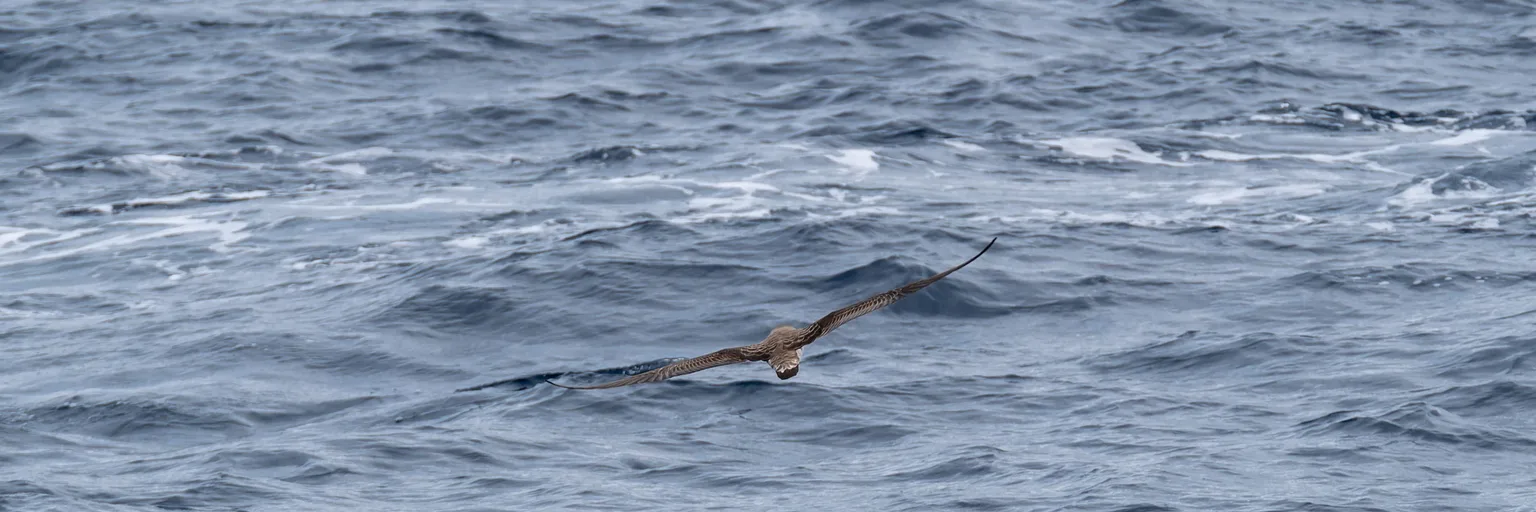
Even seabirds get jet lag, and that should humble conservation
A new finding suggests migrating seabirds can lose their way when their sense of time slips, which shows how much navigation we still don't understand and why long-term tracking beats assumptions.
107,000 traded species: protection must follow the trade
A study doubles the count of species in the wildlife trade to 107,356, and the global target covers only 2–3% of them. Rules written for famous animals miss the real market.

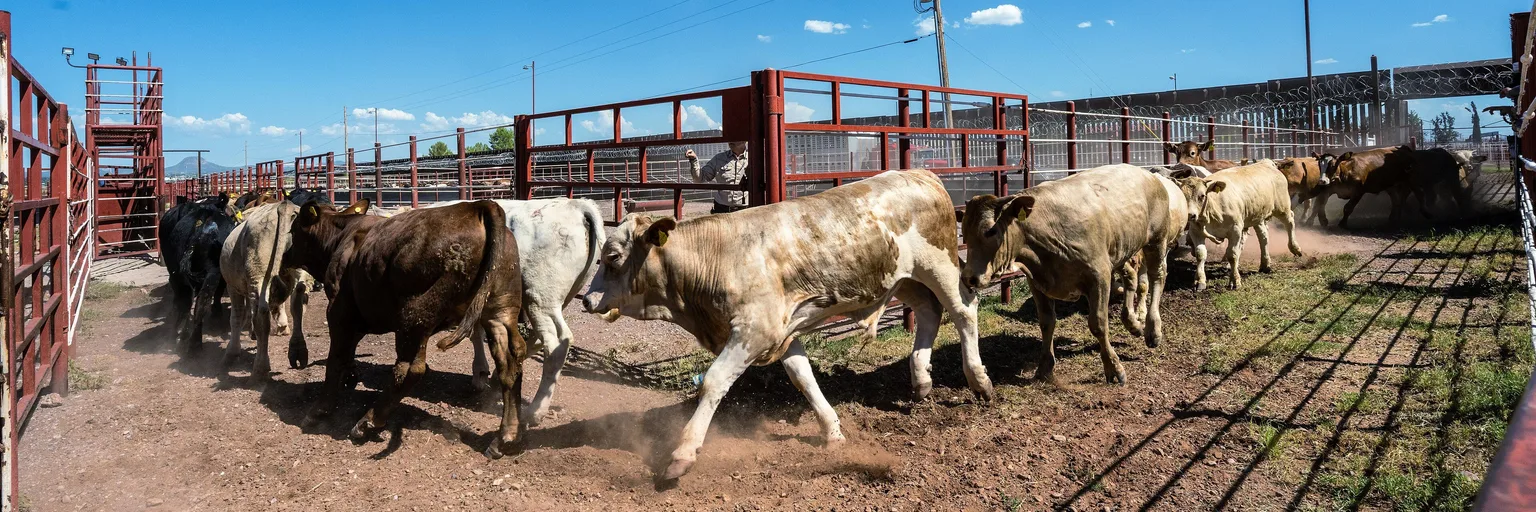
The screwworm doesn't read border speeches: sterile flies and surveillance do the work
With a dog confirmed in Arizona and a cat in New Mexico, the New World screwworm is no longer just a cattle story. Beating it takes surveillance and sterile flies, not slogans.
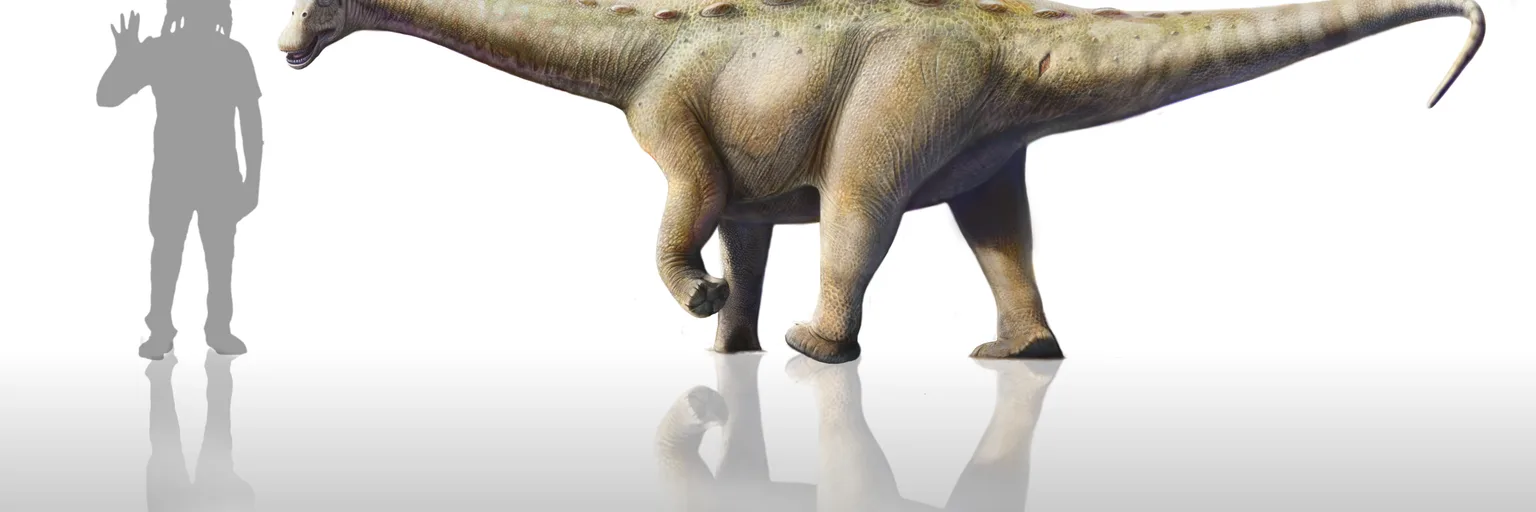
Ibirania parva proves "bigger is better" is a lazy story about evolution
A five-to-six-meter titanosaur from São Paulo shows that even the lineage famous for giants could shrink when the environment demanded it. Size is a response, not a goal.