Argentina's Deep-Sea Secrets Demand Urgent Ocean Protection
The discovery of 57 new deep-sea species in Argentina's Mar del Plata canyon dramatically underscores the urgent need for continued marine exploration and robust conservation efforts.
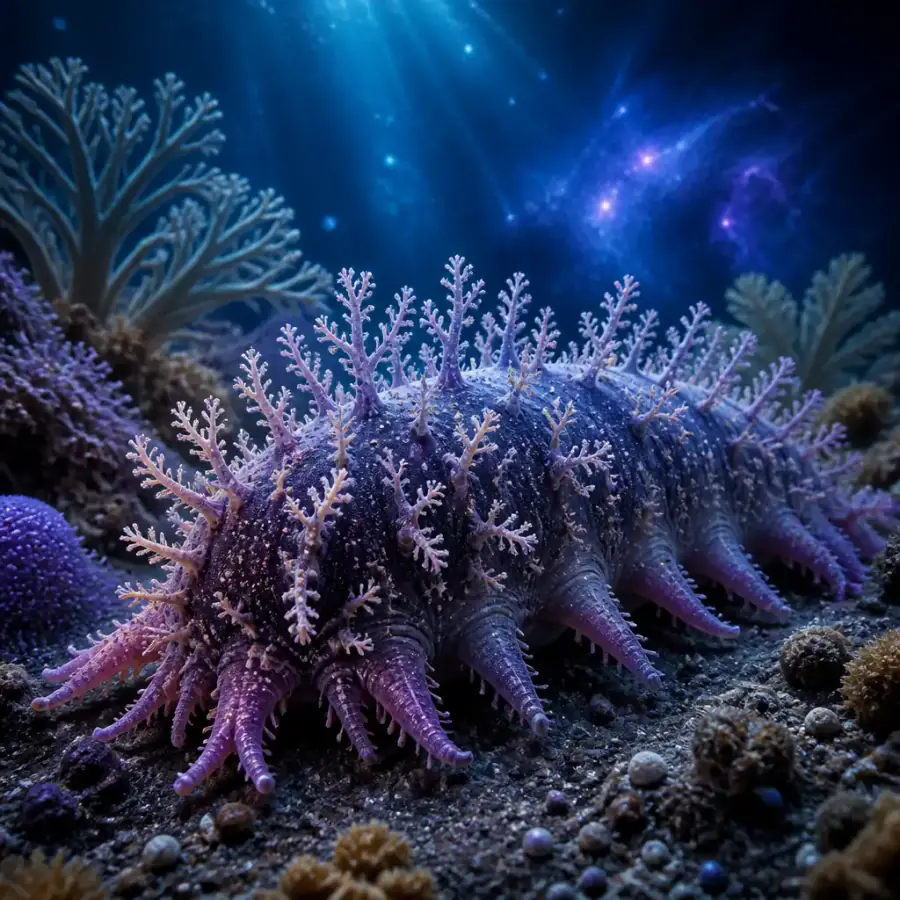
AI-generated image
Are we truly prepared to confront the vast unknown that still lies hidden in our oceans? The recent unveiling of 57 previously unrecorded species and five new genera from Argentina's underwater canyons offers a resounding 'no,' while simultaneously providing a thrilling glimpse into the profound mysteries that remain. This remarkable find is more than just a list of new organisms; it's a powerful reminder of how little we understand about our planet's largest habitat and the critical urgency of protecting it.
The groundbreaking discovery emerged from an international Species Discovery Workshop, where scientists analyzed samples collected during the CONICET-led Continental Slope IV campaign in 2025. This historic expedition explored the depths of the Mar del Plata submarine canyon, revealing a stunning array of life(https://noticiasambientales.com/science/57-new-species-discovered-in-argentinas-underwater-canyons-following-conicets-historic-campaign/). Among the newly identified creatures are 20 species of copepods (tiny crustaceans), 22 echinoderms including sea cucumbers and crinoids, and 14 cnidarians, which encompass various corals and sea pens(https://www.discoverwildlife.com/animal-facts/marine-animals/deep-sea-species-discovery-workshop-argentina/). A particularly striking find was a horned sea cucumber, affectionately nicknamed “Loki”(https://oceanographicmagazine.com/news/meet-loki-a-sea-cucumber-among-57-new-deep-sea-species/), a translucent deep-sea echinoderm with appendages that indeed evoke its mythological namesake.
The Uncharted Depths: Our Last Frontier
These discoveries serve as a potent reminder that the deep sea remains Earth's last great frontier. While we often gaze upwards to space, immense swathes of our own planet's abyssal plains and canyons remain utterly unexplored. Submarine canyons, like the Mar del Plata, are known to be biodiversity hotspots, acting as conduits for nutrients from shallower waters and creating unique habitats in their complex topographies(https://schmidtocean.org/57-new-marine-species-submarine-canyons/). The sheer volume of new life found in a single, albeit historic, expedition suggests that the true diversity of these ecosystems is likely far greater than we currently comprehend. We are merely scratching the surface, and each new finding reiterates that countless species could exist, evolve, and thrive in these lightless realms, entirely unknown to science.
Collaboration and Technology Paving the Way
Such a comprehensive biological inventory would be impossible without dedicated international collaboration and advanced technological capabilities. The Continental Slope IV campaign, spearheaded by Argentina's CONICET, benefited from partnerships with organizations like the Nippon Foundation-Nekton Ocean Census and the Schmidt Ocean Institute(https://www.marinetechnologynews.com/news/marine-species-discovered-argentinian-666469/). The use of remotely operated vehicles (ROVs) allowed scientists to collect samples from depths previously inaccessible, bringing the deep sea's secrets to the surface(https://timesofindia.indiatimes.com/science/wildlife/scientists-identified-57-new-deep-sea-species-from-argentinas-mar-del-plata-canyon-including-a-translucent-sea-cucumber-nicknamed-loki-after-remotely-operated-vehicles-explored-the-depths/articleshow/134635884.cms). This multi-institutional, multidisciplinary approach is the only way forward for effective deep-sea exploration, pooling resources, expertise, and technology to tackle the monumental task of charting ocean life.
Beyond Discovery: The Imperative of Conservation
The revelation of these 57 new species is a triumph for science, but it also carries a profound responsibility. Every discovery of new life underscores the fragility of these unseen worlds. As human activities increasingly reach into deeper waters—from resource extraction to the impacts of climate change—these pristine, often slow-growing, and highly specialized ecosystems face unprecedented threats. Without proper understanding and robust protective measures, we risk losing species before we even know they exist. The
No topics yet: start the first one.