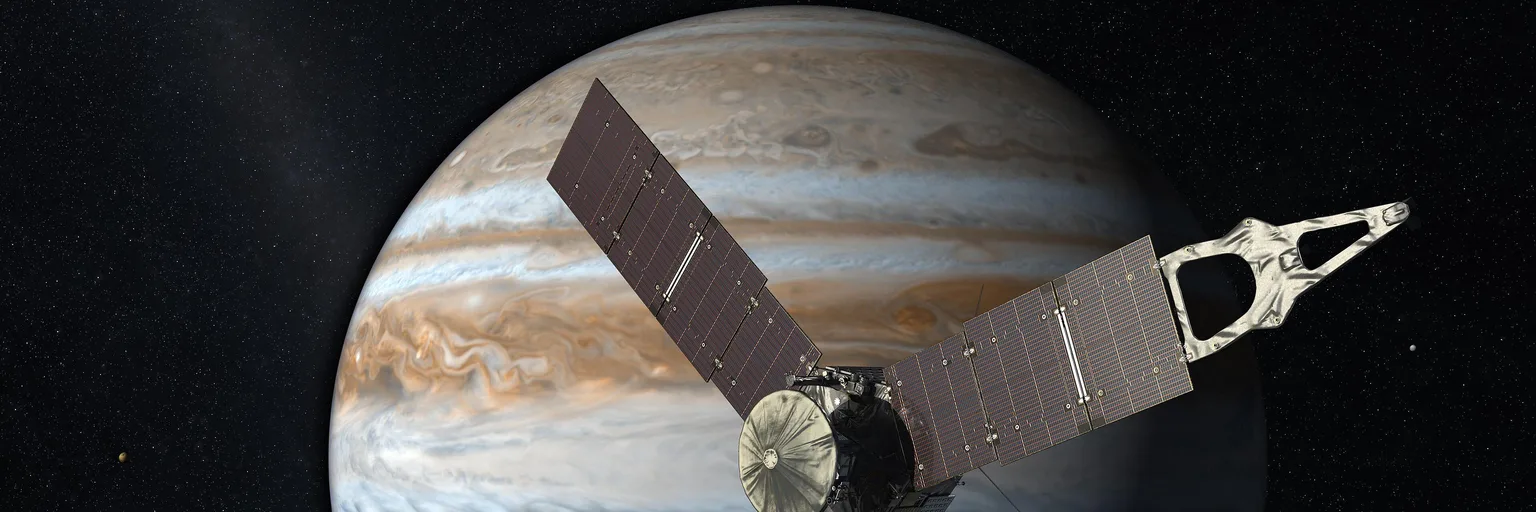
GRB 260310A shows why "modest" is a risky label for a cosmic blast
A gamma-ray burst that looked modest hid a far more energetic story in its afterglow. Brightness is a view from one angle, not a verdict on power.
Photo: NASA's Goddard Space Flight Center / Wikimedia Commons (Public domain)
How much should we trust the first impression of a cosmic explosion? Not much, if GRB 260310A is any guide. It looked like a minor event. Follow-up observations suggest that impression may be an artifact of where we happen to sit.
What the telescopes saw
NASA's Fermi gamma-ray space telescope detected the burst on March 10, 2026. According to the Instituto de Astrofísica de Andalucía, as reported by abc.com.py, the initial flash lasted about 53 seconds and pointed to a relatively modest release of energy. The study appeared in The Astrophysical Journal Letters.
The afterglow told a different story. Its visible-light brightness rose gradually over several hours before fading, and weeks later the X-ray emission brightened again and stayed detectable for months. The team followed it from X-rays to radio waves with Chandra, XMM-Newton, Einstein Probe, the Large Binocular Telescope, the Very Large Array and the BOOTES network of robotic telescopes. The researchers found indications that the mismatch could be a matter of perspective: Earth sat outside the most intense part of the emission beam. As EFE summarizes it, the blast concealed a jet of matter much more energetic than it first seemed.
Brightness measures our angle, not the engine
Our reading is simple. A gamma-ray flash is a snapshot of whatever happens to point at us. If the energy is concentrated in a narrow, powerful jet and we are off to the side, we probably see a dimmer version of the same event. Calling that burst "modest" confuses the view with the source, like judging a lighthouse by how it looks from the rocks beside it.
This is not a semantic quibble. A label sets expectations, and expectations decide where scarce observing time goes. A burst filed as minor invites a shrug; a burst filed as potentially extreme invites a campaign. In this case it was the campaign, spanning X-rays to radio, that turned a forgettable flash into a case study.
The mismatch is the signal
What we find most interesting is not the final number but the disagreement. The prompt flash said "small" while the afterglow said something else: a slow optical climb over hours, then an X-ray comeback weeks later. We think the late-time behavior is where the real information lives, because it is the part of the event that does not depend as heavily on a single, lucky line of sight. Had nobody kept watching for months, this burst would probably have stayed in the archives as an unremarkable entry.
That suggests a different triage rule for the age of automated alerts. Instead of ranking bursts only by how bright their first seconds were, observatories could flag the ones whose early and late behavior do not match. It is a cheap filter, and it rewards exactly the kind of patience that multi-wavelength networks are built for.
What we should not conclude
A caution is in order. The study was published in a journal, which is a stronger footing than a press release alone, but the beam explanation is still an interpretation resting on indications. One event does not tell us how common this is. Most dim bursts may simply be dim, and nothing here lets us say what fraction hide something bigger. Anyone claiming that the sky is full of secretly extreme explosions is getting ahead of the evidence.
But the costs are lopsided. Following up a burst that proves ordinary costs some telescope time. Dismissing one that was extreme costs a rare chance to study how powerful jets behave when seen from an angle. We would take that bet on the side of curiosity.
Our verdict: keep watching the quiet ones
GRB 260310A is a good argument for patience and for coordinated, multi-wavelength follow-up. Brightness is a fine first filter and a poor final label. Observatories should keep watching the quiet ones for longer than feels necessary, and the rest of us should treat "modest" in an astronomy headline as a question, not an answer.
No topics yet: start the first one.
More stories
A Saharan rock from Mars shows what free samples can tell us
Teghaza 001, a meteorite at least 4.1 billion years old, hints at a wetter early Mars. It also shows why a lucky find from the desert needs careful, modest reading.
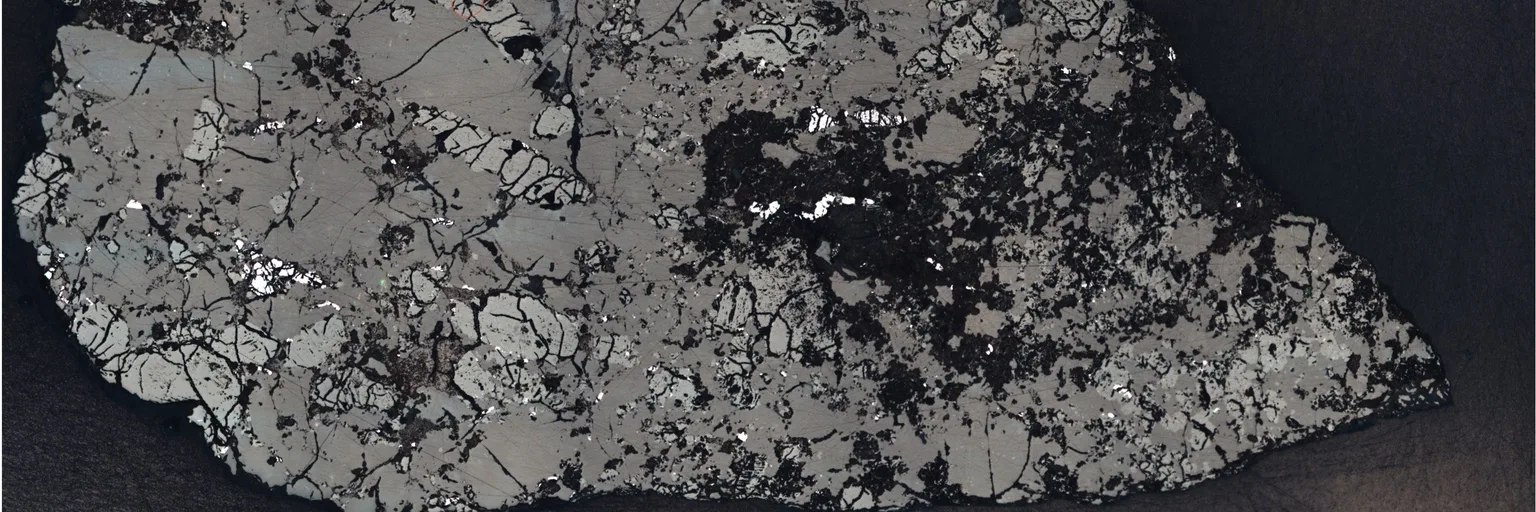
Betelgeuse calming down isn't an anticlimax: quiet is data too
After months of fading, the red supergiant has stopped sinking, for now. That's no letdown: each wobble of Betelgeuse is teaching us how little we knew about stars near the end of their lives.
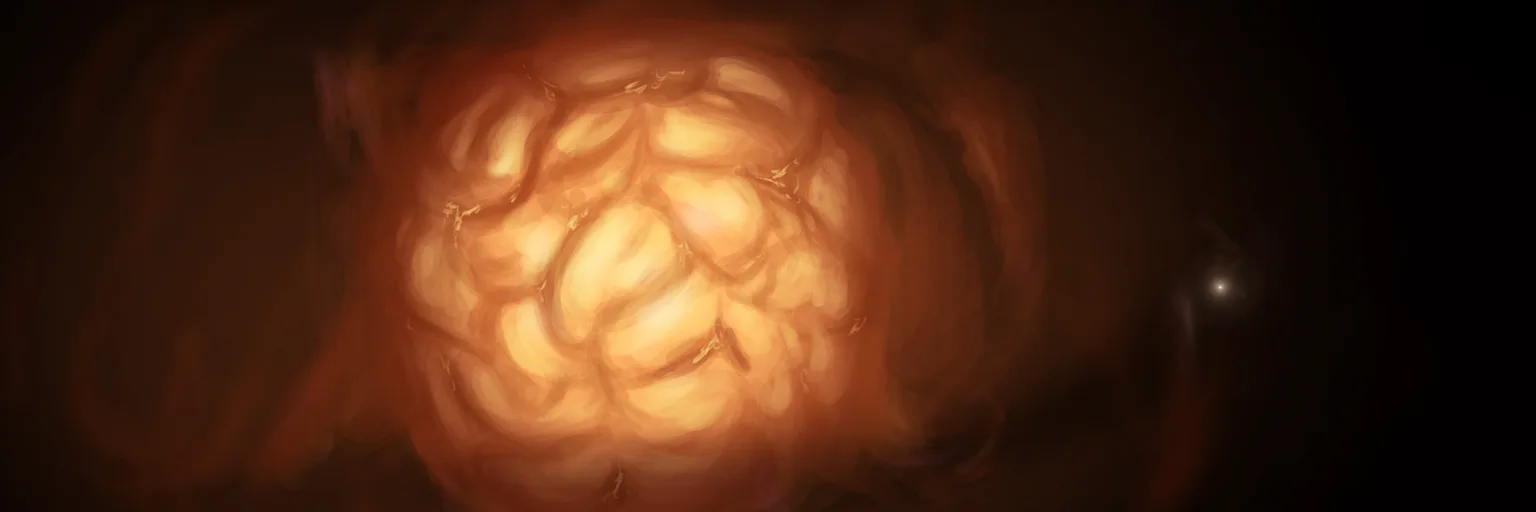
Teghaza 001 is a free Mars sample, and a reason to want more
A 4.1-billion-year-old rock from the Sahara shows how much meteorites can teach us about early Mars, and why that is an argument for sample return, not against it.
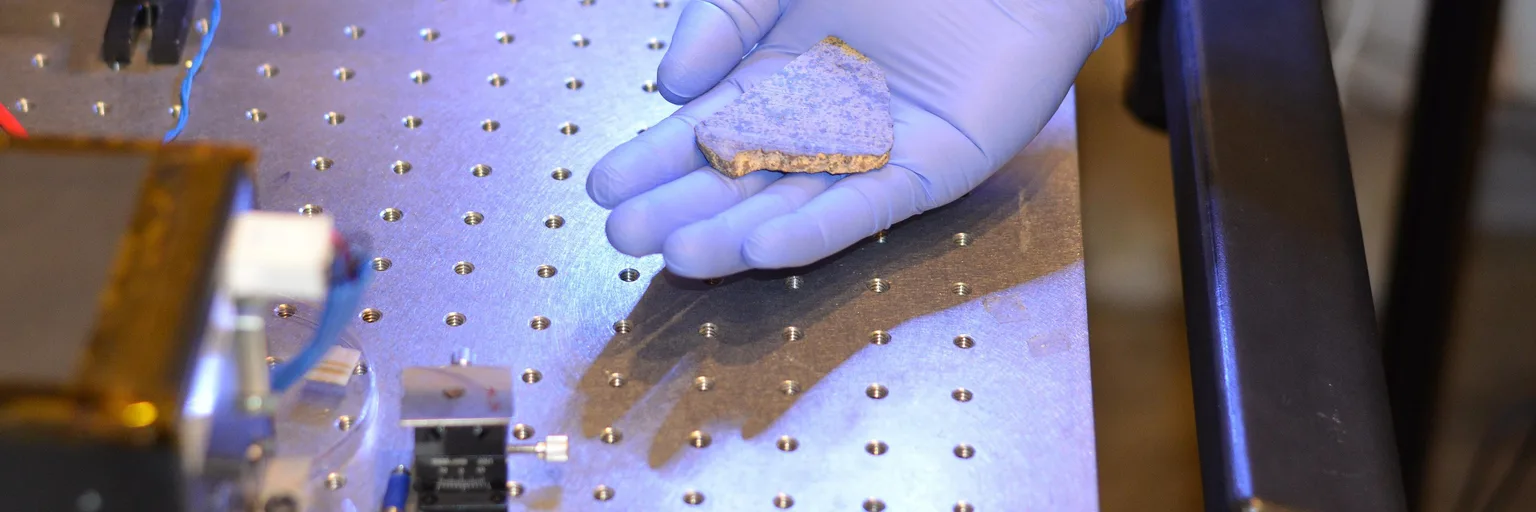
Jupiter's bow shock shows Earth is a poor template for planets
Juno found multi-frequency plasma waves and shocklets at Jupiter that Earth doesn't need. We think that makes our home planet a risky default for magnetosphere models.