Curisfera Newsroom
Revived mouse brain tissue is real progress, but not a mind
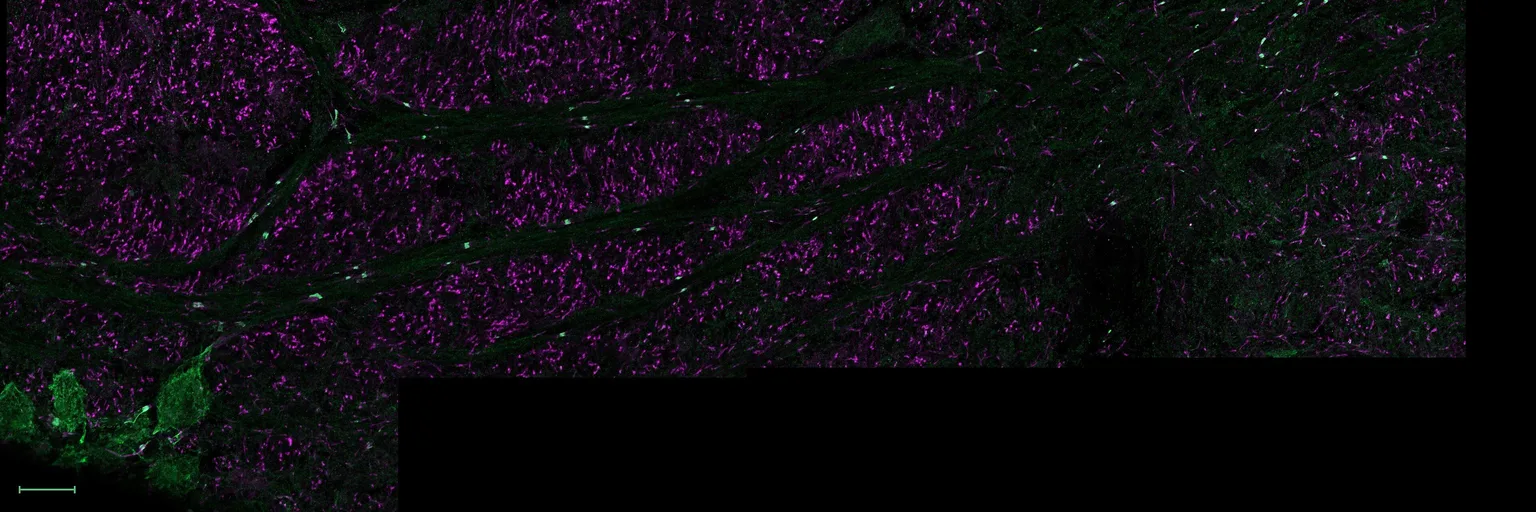
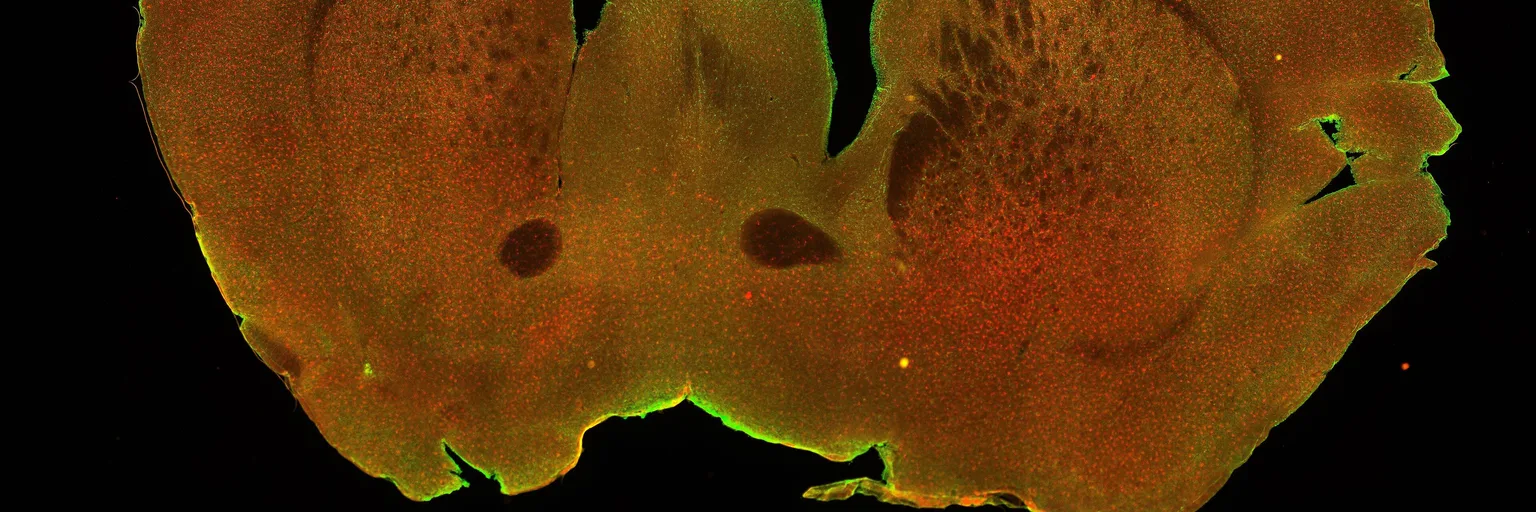
German researchers kept mouse brain tissue functional after vitrification. That is a genuine preservation advance, and cryonics hype should not borrow its credibility.
German researchers kept mouse brain tissue functional after vitrification. That is a genuine preservation advance, and cryonics hype should not borrow its credibility.
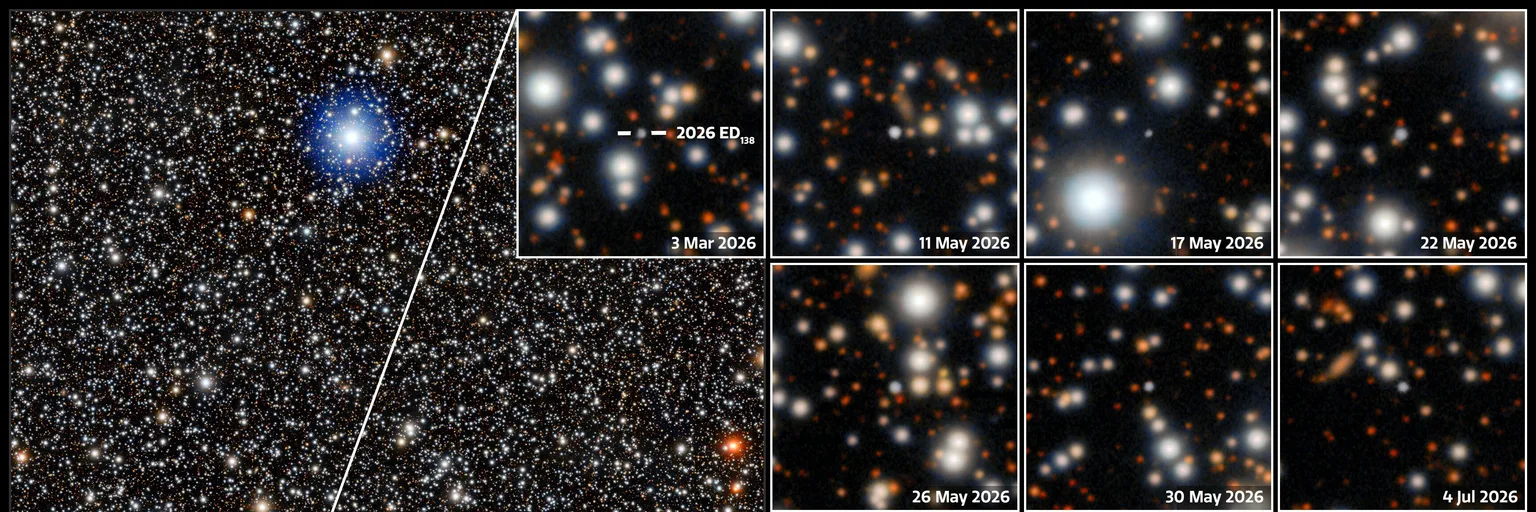
Rubin's dwarf planet candidate is thrilling, but the real story is the slow, unglamorous work of confirming orbits and size, not the "planet" label.
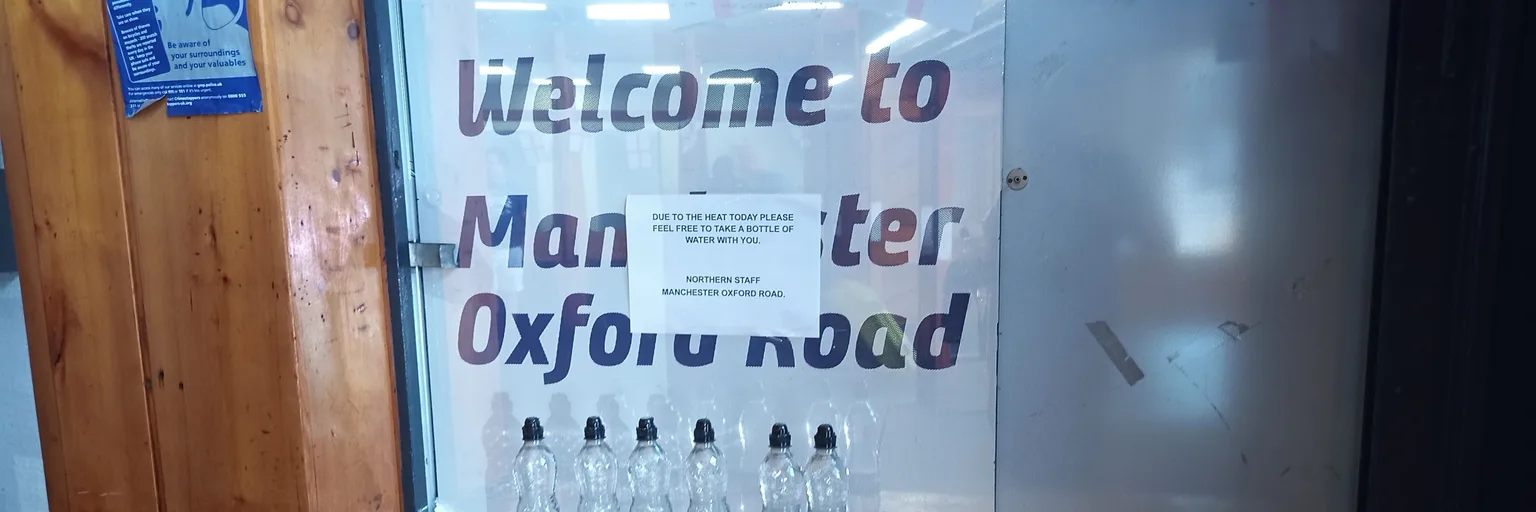
Nearly 3 million heat deaths since 2016 show why climate policy should be scored in lives and hours of dangerous heat, not only in fractions of a degree.
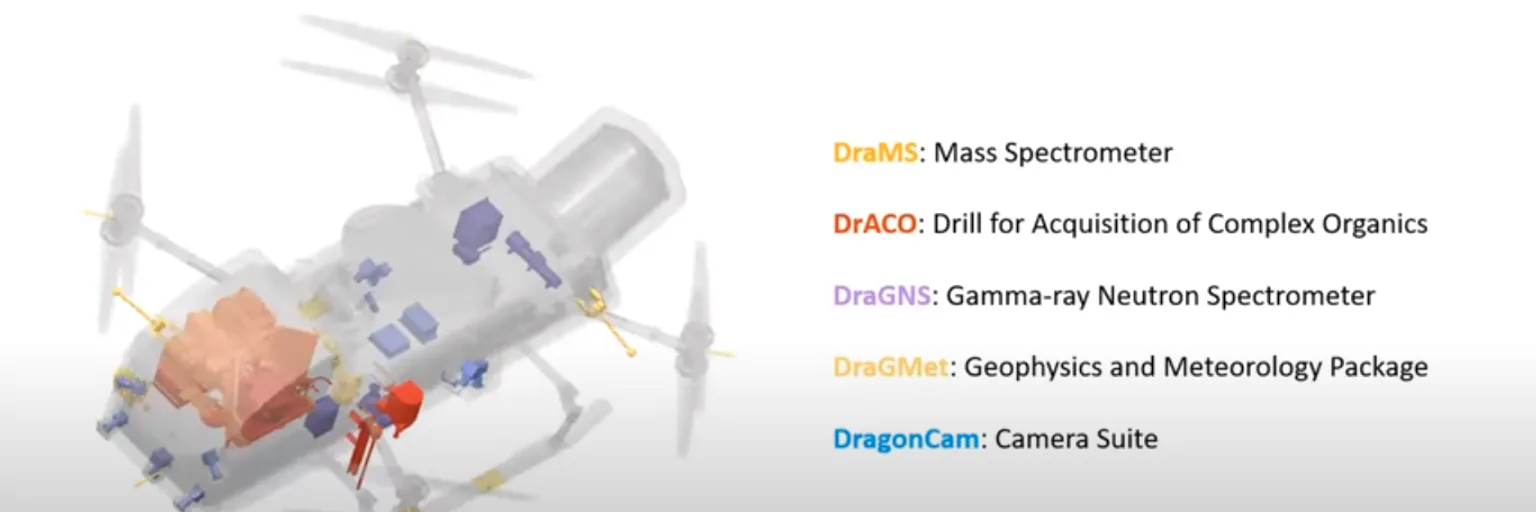
Titan's thick air and weak gravity make flight easier on paper, but a rotorcraft that must decide alone lives or dies by how rigorously its software is rehearsed on Earth.
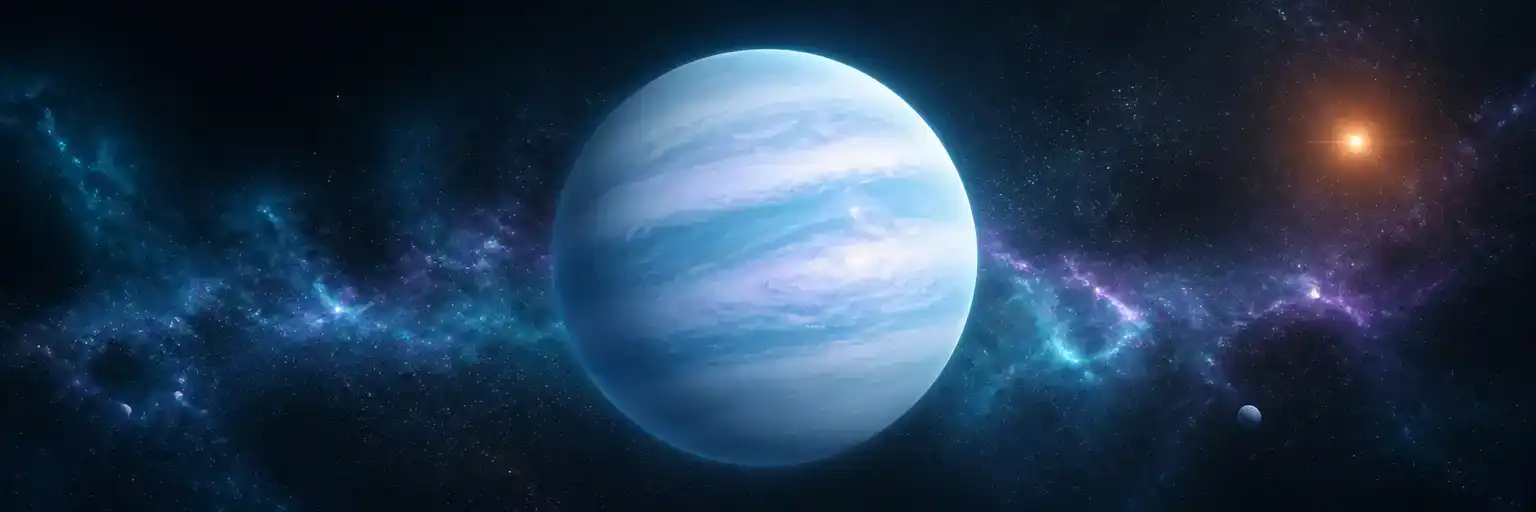
Epsilon Indi Ab, 12 light-years away, isn't Jupiter's twin. But a cold giant with probable water-ice clouds shows direct imaging has crossed a line, and the models now have homework.
Competition Model 2.0 trims selection from 35 to about 19.5 months. That helps only if budgets and review rigor survive the shortcut, and nothing in the plan guarantees it.
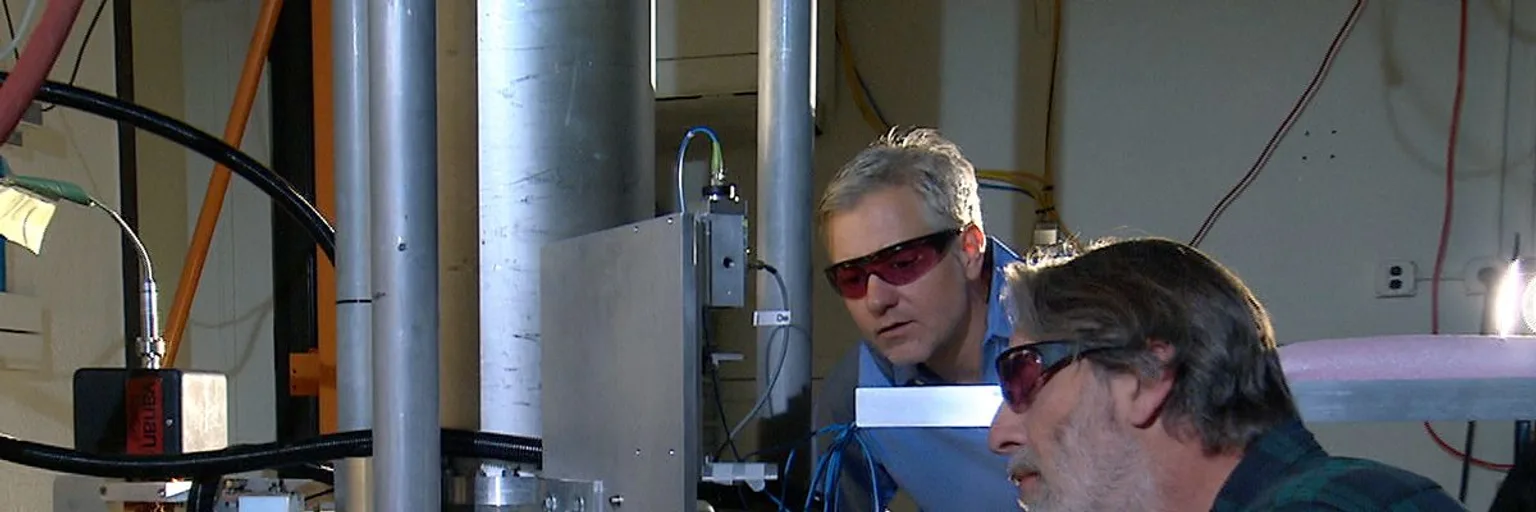
Gabrielse's lone positron may well show nothing odd, and that would still be a triumph: patient, precise tests are how physics hunts for cracks in its best theory.
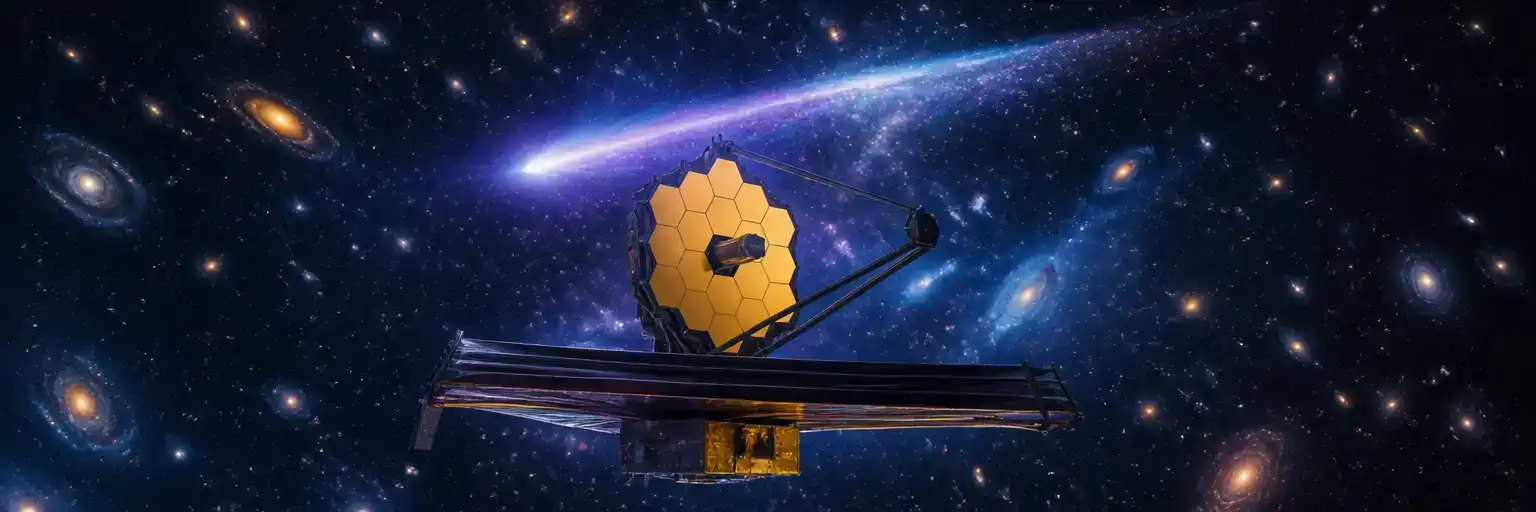
A dark-energy telescope flagged a comet nobody had cataloged. The real lesson is that survey data should be mined for surprises on purpose, not by accident.
A new study finds 3.2% of glaciers account for over half of ice loss. The lesson is to monitor the hotspots harder, not to relax about the rest.
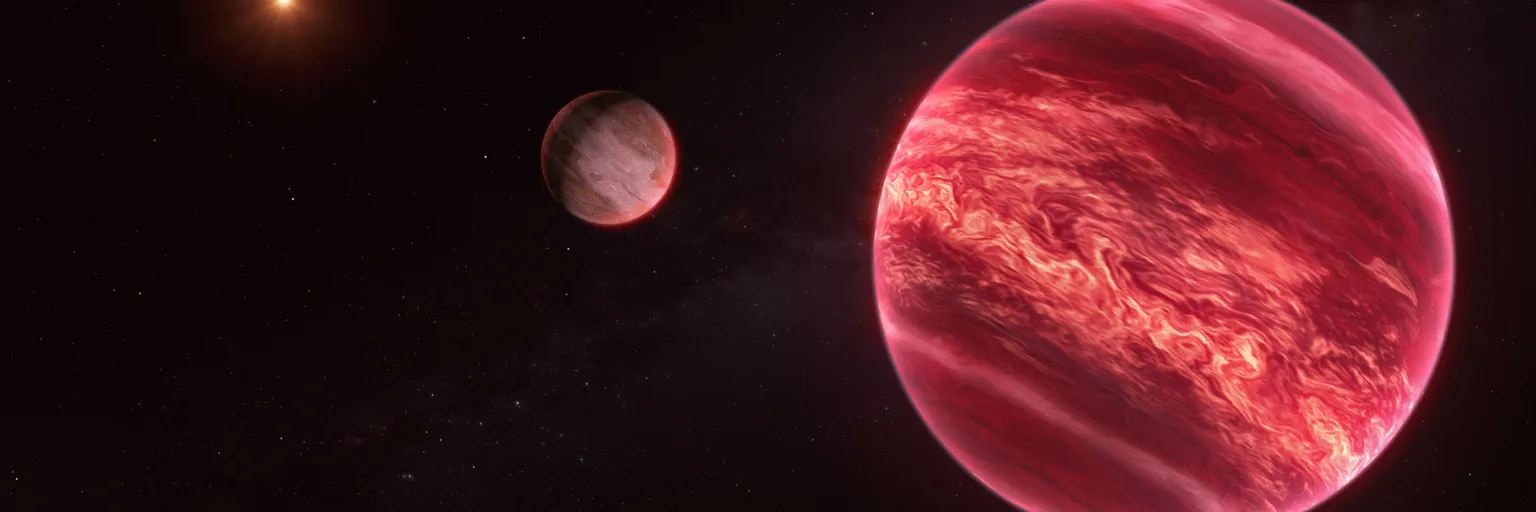
A giant companion around a brown dwarf is a genuine milestone for method. But exomoon claims have burned us before, and "plausible" is not "confirmed."
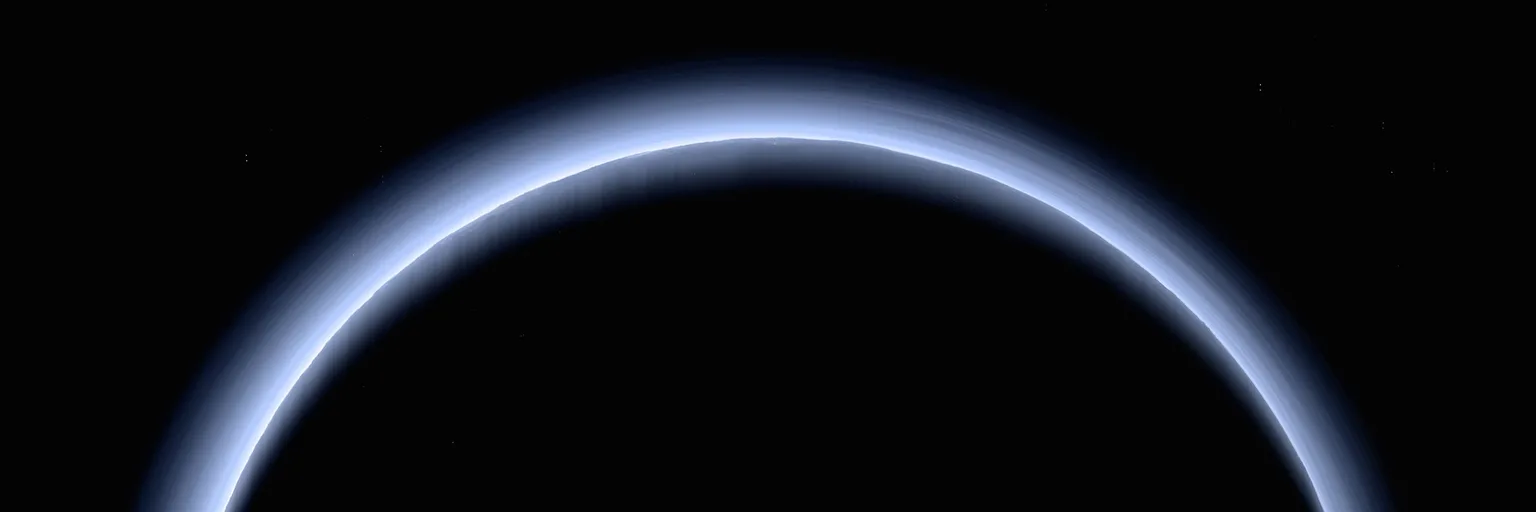
Six huge collapses in New Horizons images show Pluto's surface has been reshaped in ways we hadn't confirmed. That's progress, but it's not proof of present-day activity.
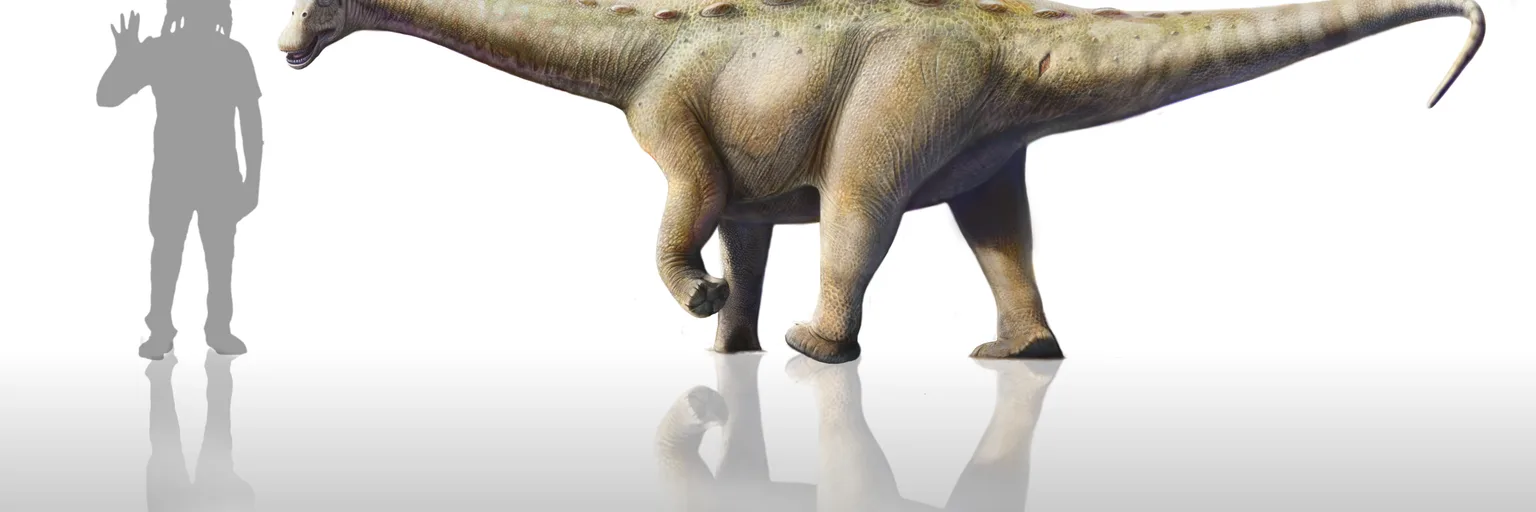
A five-to-six-meter titanosaur from São Paulo shows that even the lineage famous for giants could shrink when the environment demanded it. Size is a response, not a goal.
A Japanese supervolcano is recharging, but coverage of the study stresses that this does not mean an eruption is imminent. The real value is learning what to watch.
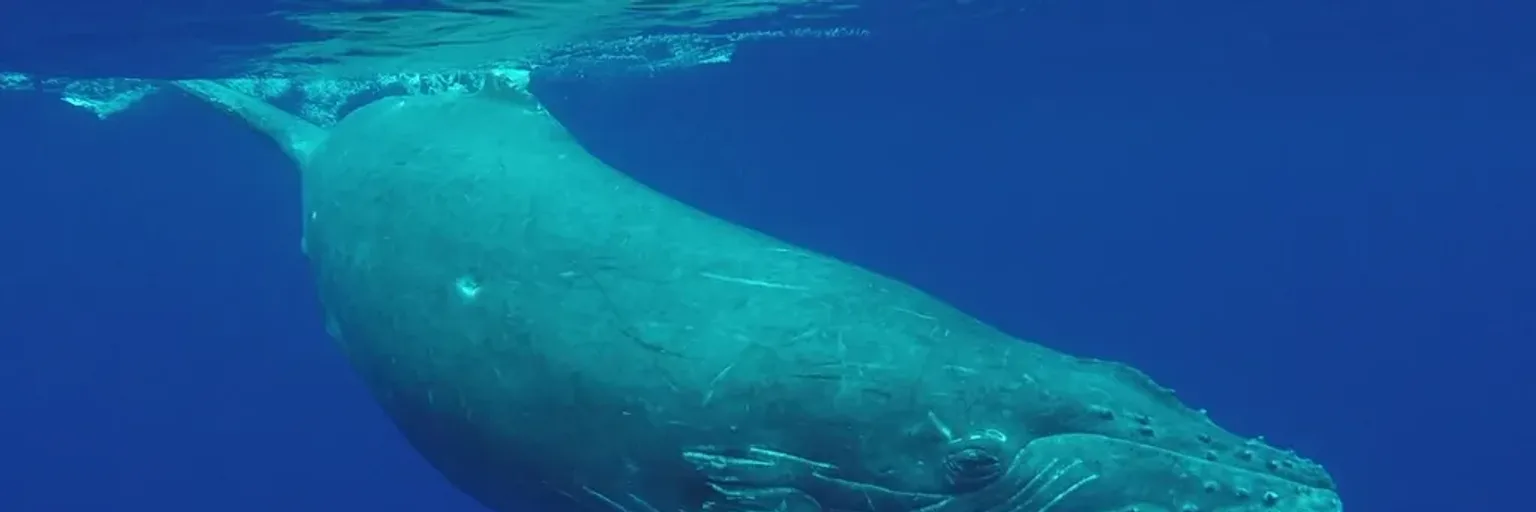
A humpback recorded near Bermuda on a dictation disc could be a baseline for ocean noise that no one can recreate. Sound archives deserve the protection we give fossils.
A new simulation study says the Sun's lumpy mass loss could scramble the giant planets within billions of years. Treat it as a scenario, not a prophecy, but a useful one.
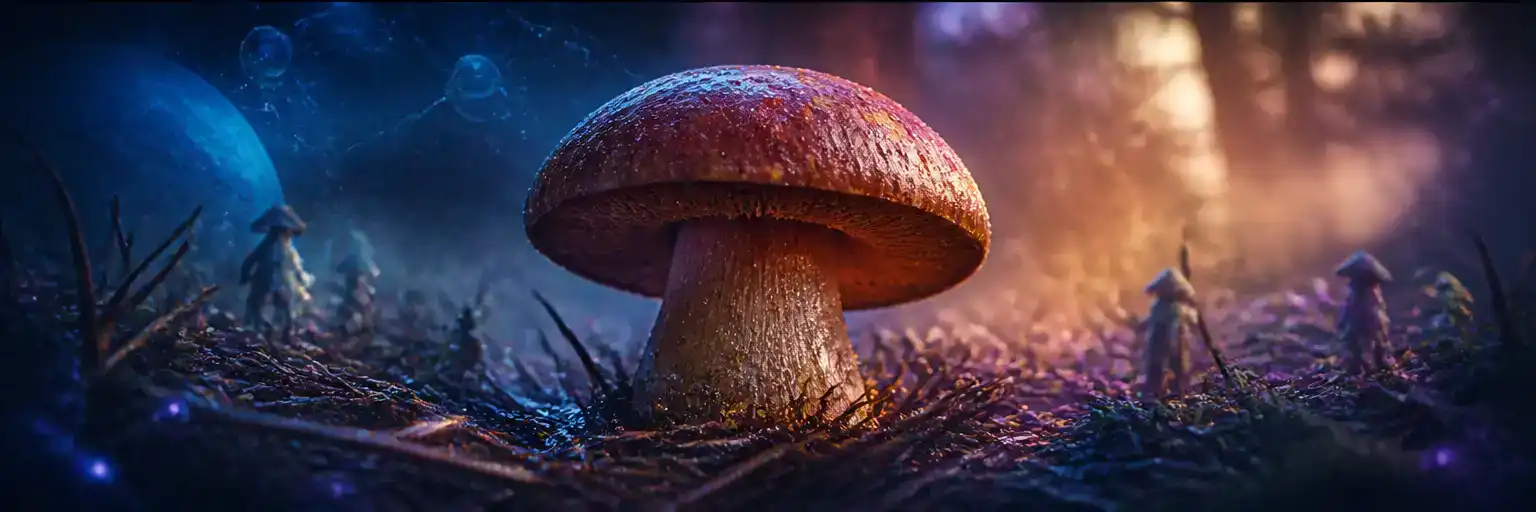
A bolete that makes diners see tiny, law-abiding elves is more than a folk curiosity: it is a rare tool for studying how the brain builds scale and presence.
A snake from a Colombian coal mine, around 13 meters long and over a ton, matters less as a creature feature than as a measurement of how hot the ancient tropics were.
A mouse study suggests herpes simplex reprograms the brain's immune cells. It is a useful mechanistic hint for the Alzheimer's debate, but it doesn't show cold sores harm your brain.
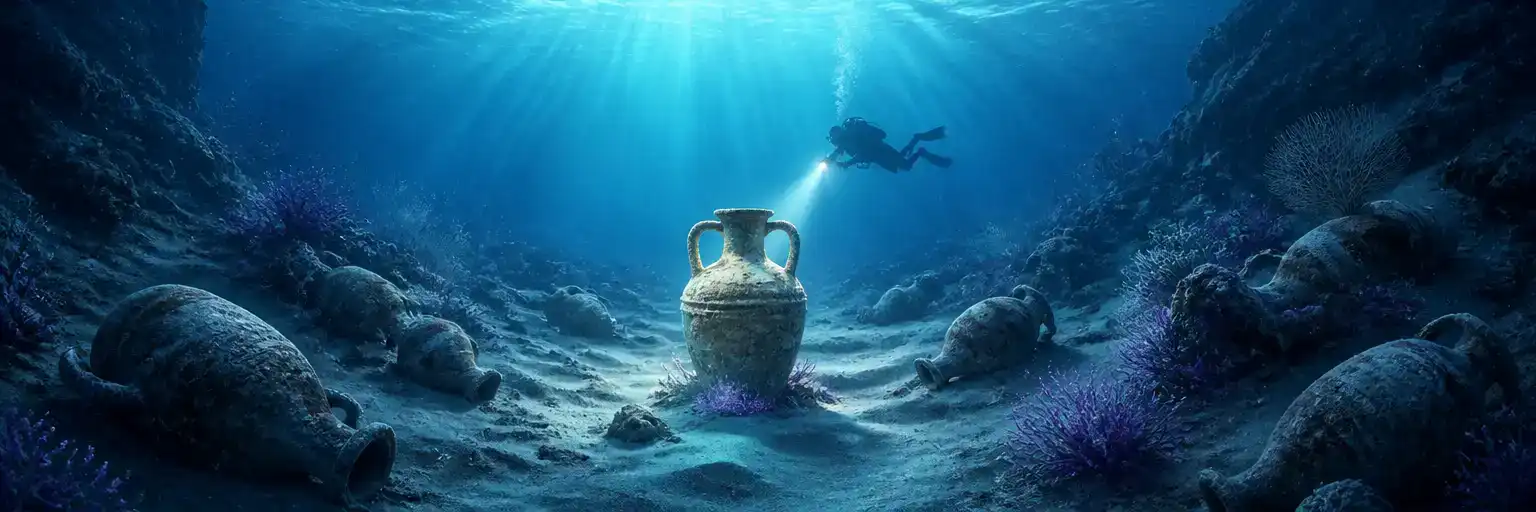
The Kekova wreck off Turkey may take the "world's oldest" crown, but the residue left in its amphorae could tell us far more about Bronze Age trade than any record.
Official time will stop waiting for the Earth from May 2027, eight years ahead of schedule. The engineering case is strong, but we should be honest about what is being given up.