Curisfera Newsroom
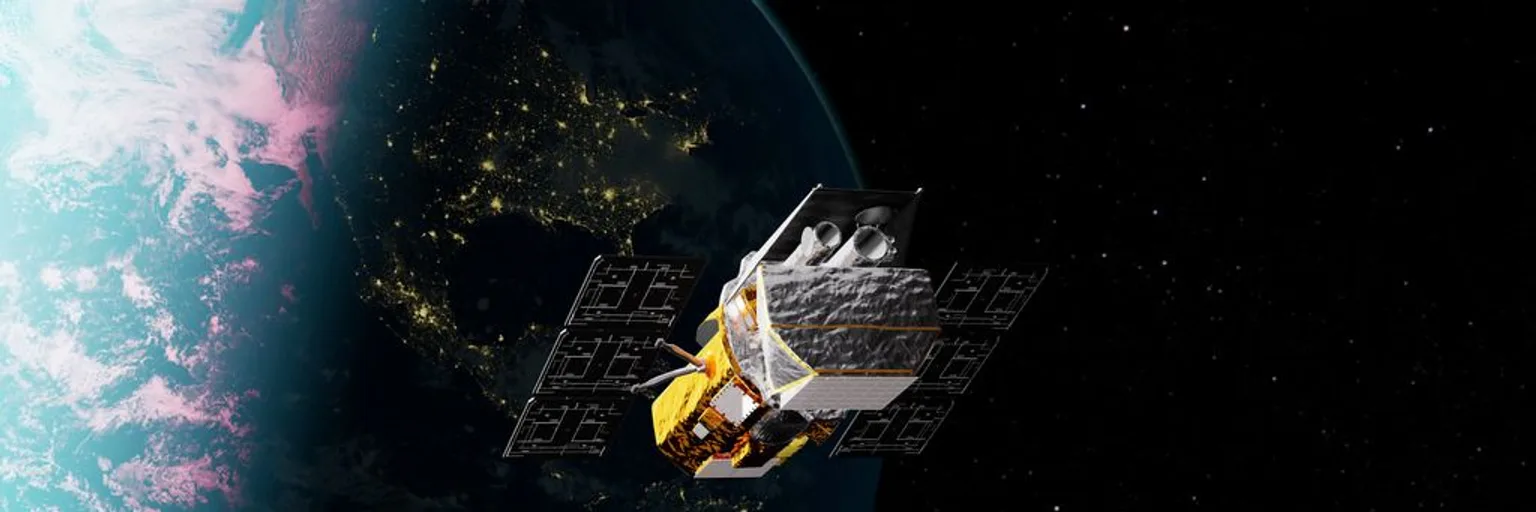
Swift isn't dying of neglect: nobody ever built it to be fixed
NASA did try to reboost Swift, and the attempt failed. The real lesson isn't about skipped maintenance but about telescopes designed without a repair option.
NASA did try to reboost Swift, and the attempt failed. The real lesson isn't about skipped maintenance but about telescopes designed without a repair option.
Stardust, outer-Solar-System ice and room-temperature water in 120 grams of rock: Bennu shows that bringing dirt home beats any flight milestone at changing what we know.
NASA's Psyche is thrusting almost nonstop toward a metal-rich asteroid. The quiet triumph is solar-electric propulsion, and the prize is understanding how planetary cores form.
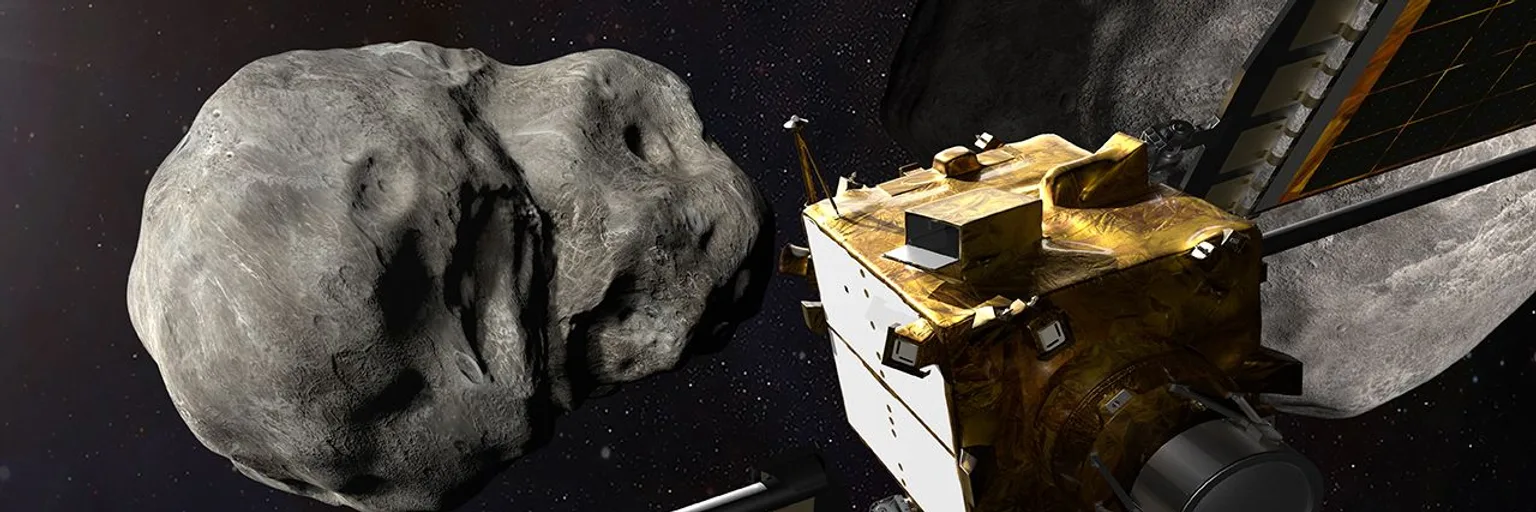
Crashing a spacecraft into an asteroid grabbed headlines in 2022. Hera, arriving at Didymos in early November, is what could turn that one-off shot into a method we can trust.
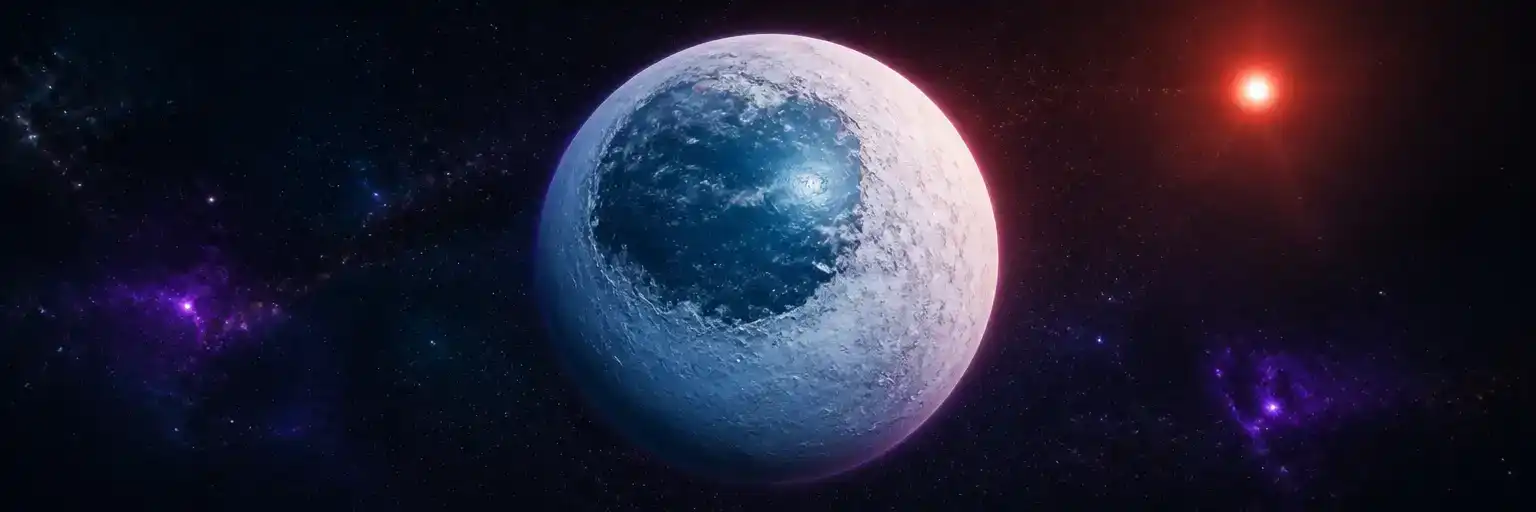
Headlines promise an "Earth-like" planet 49 light-years away. The data show something stranger and more interesting: a strong water-world candidate whose atmosphere is still unconfirmed.
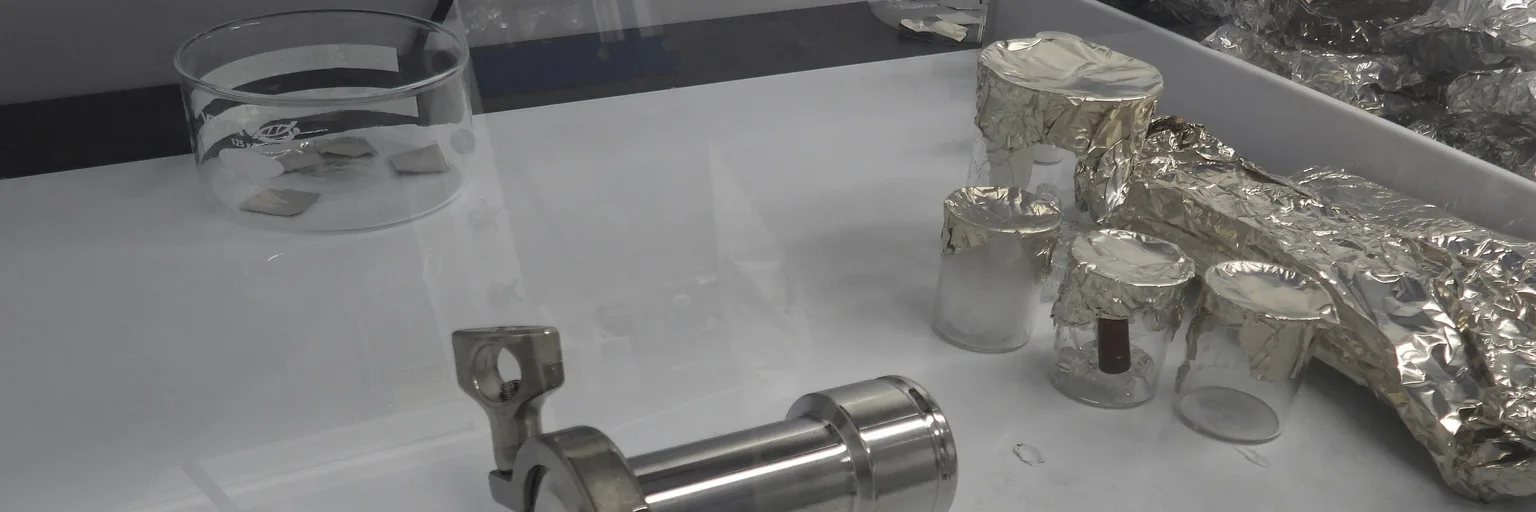
The strongest argument for sample return is already in the labs: Bennu's grains keep answering questions no telescope or probe could, and the funding should follow.
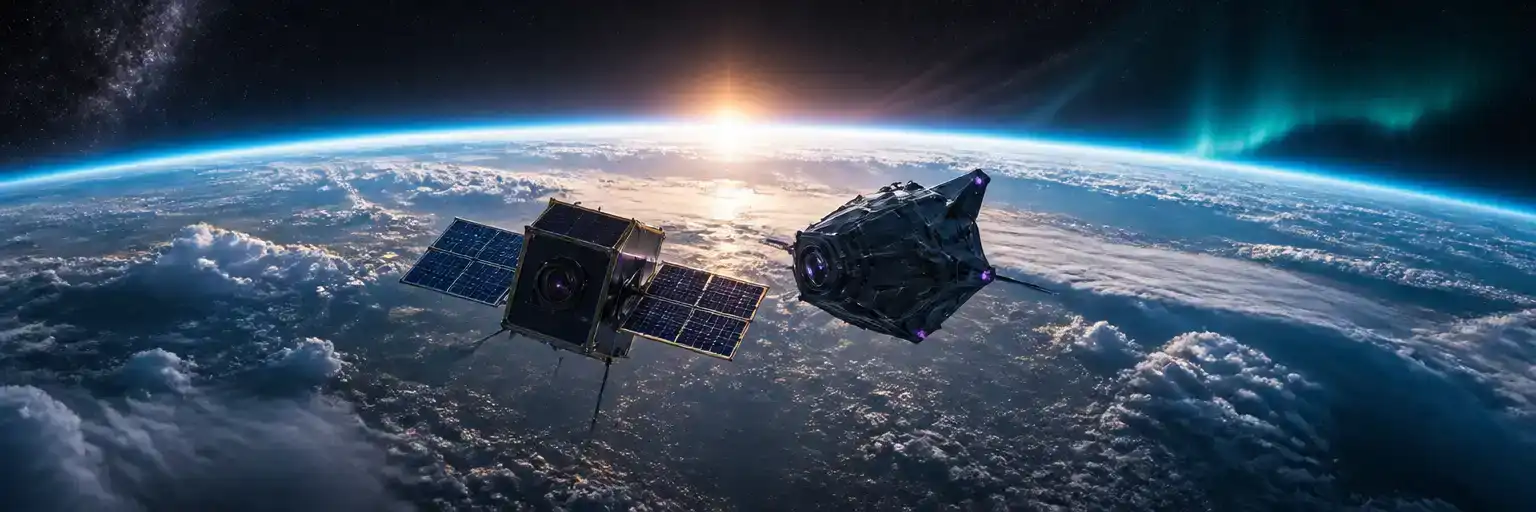
A Russian satellite reportedly closed to 26 meters from a commercial radar satellite used by Ukraine. With no rules of the road in orbit, any Earth-observing spacecraft can be held hostage.
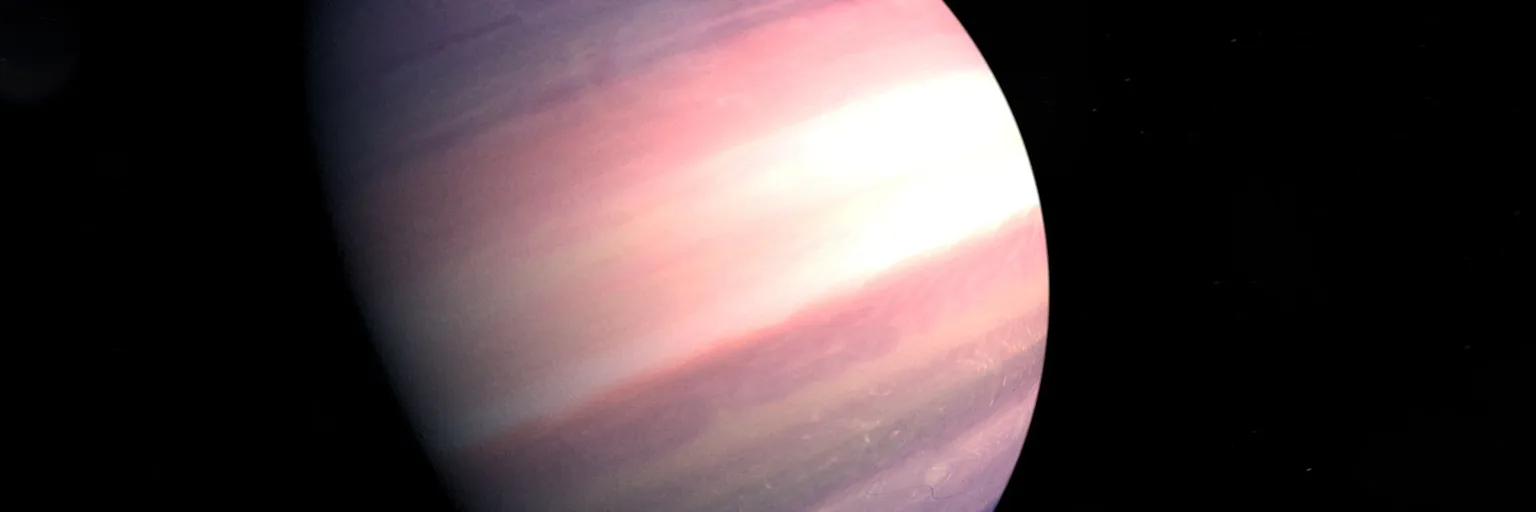
A 17-year-old intern spotted TOI 1338 b in telescope data. The lesson isn't genius: it's that archives hold more than algorithms can see, and interns are cheap eyes.
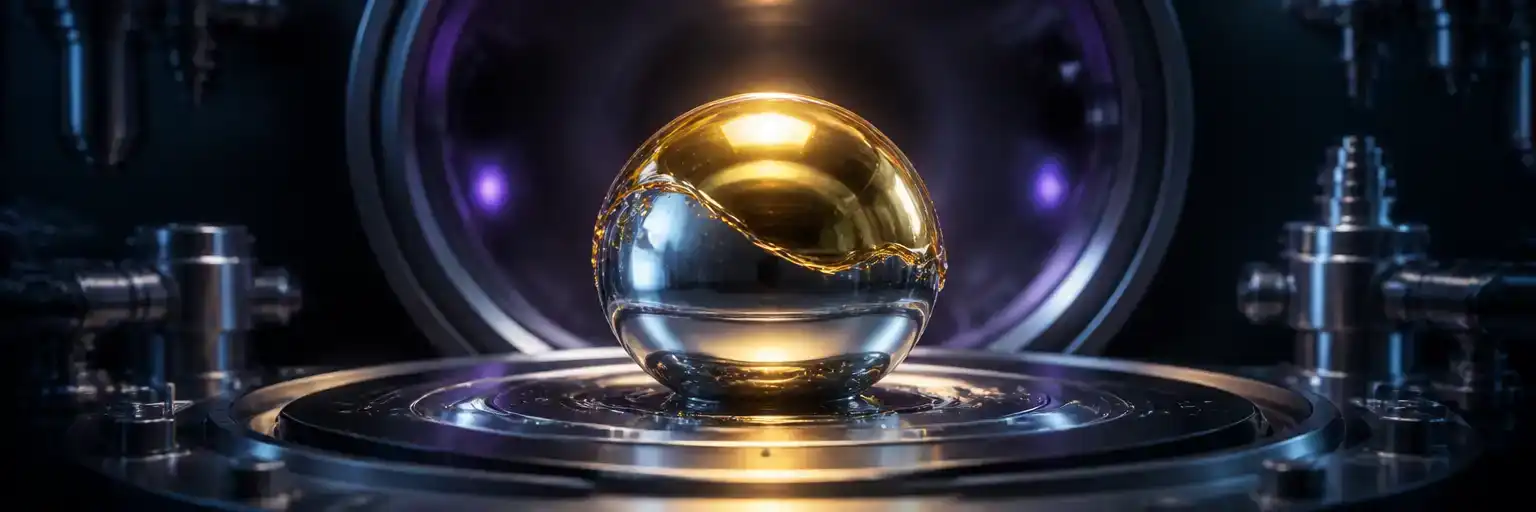
A golden, conductive film of water that vanishes in seconds is no technology, but it shows how matter behaves at extremes without needing a planet's core.
A year inside NASA's CHAPEA Mars habitat suggests the real bottleneck is food, minds and decisions made far from help, not launch vehicles.
The death of Claude Cohen-Tannoudji is a reminder that cooling atoms with light began as basic research, and that no one can plan that kind of payoff in advance.
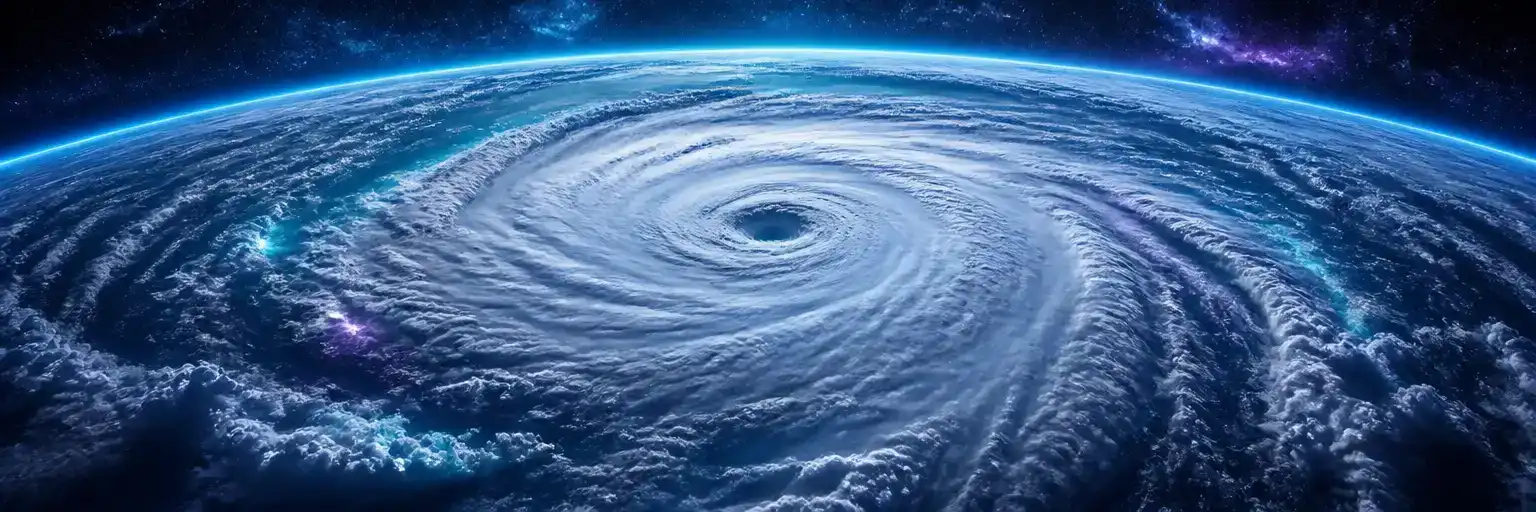
A 185 mph super typhoon was tracked for days, and Taiwan had time to cancel flights and evacuate. Forecasting is science's quiet success, and we undervalue it.
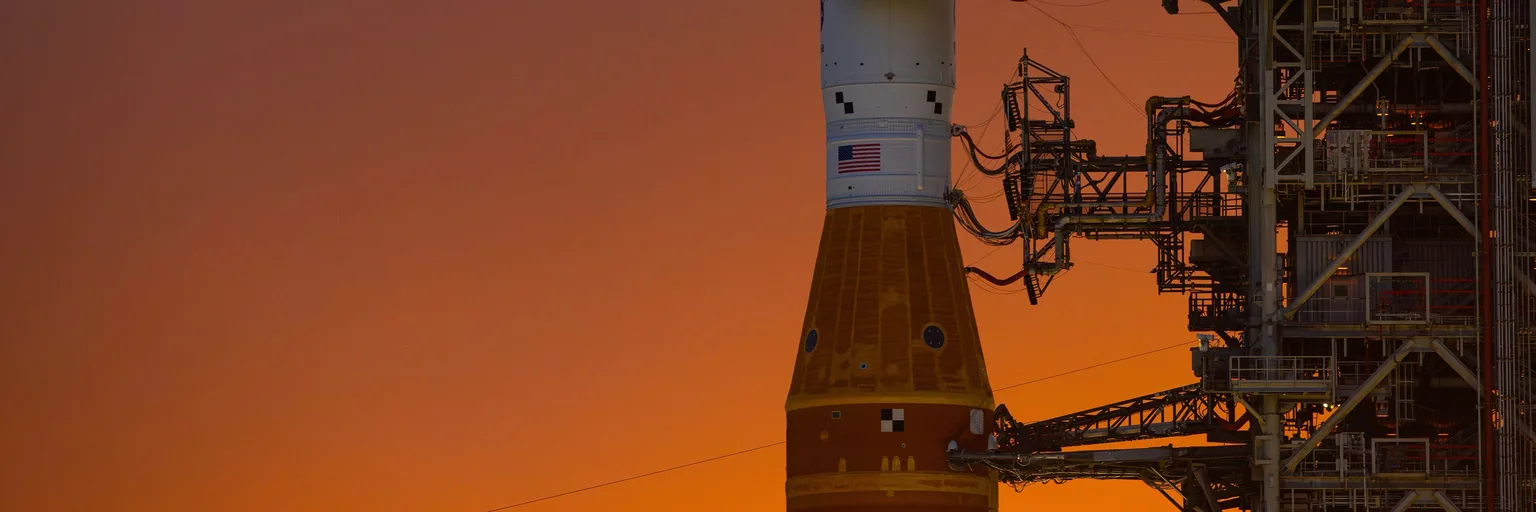
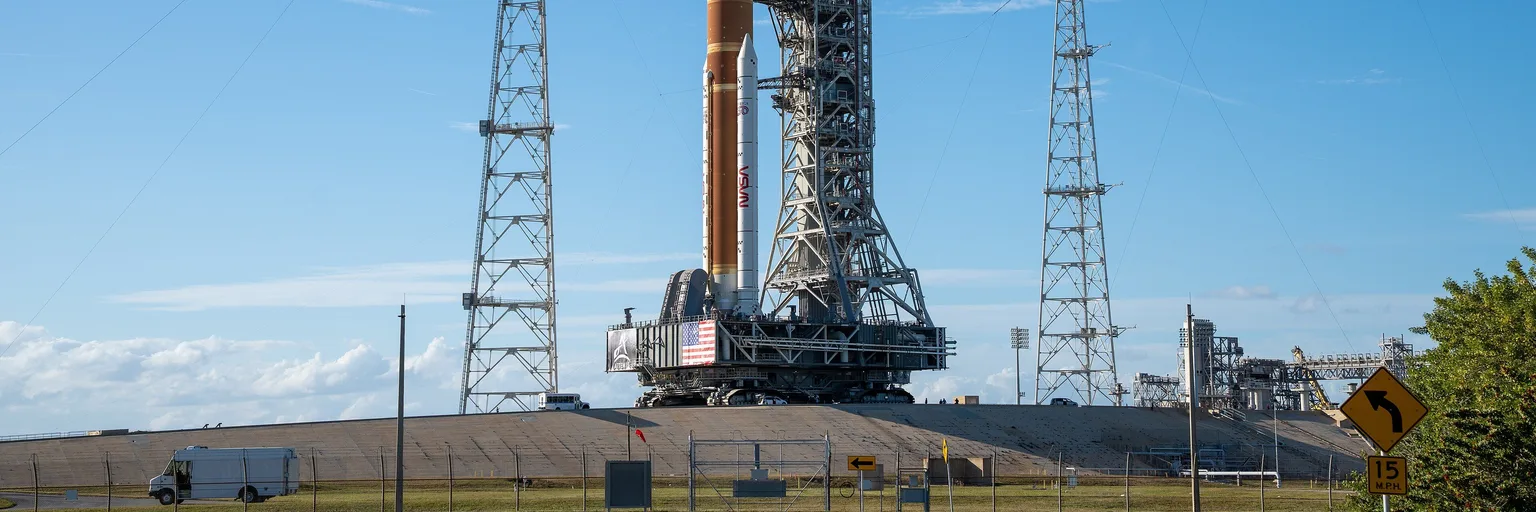
The 2027 target for Artemis III matters less than what the mission now tests: whether two commercial landers and their rockets are ready, and whether NASA will tolerate a realistic schedule.
Paraburkholderia aromaticivorans FR-4 fixes CO2 and grows on a pollutant, which says more about our ignorance of ocean microbes than about any near-term cleanup tool.
Reconstructing a collision from 10 billion years ago using stellar motions is one of astronomy's quiet triumphs, and the Kavli Prize for Amina Helmi deserves wider public credit.
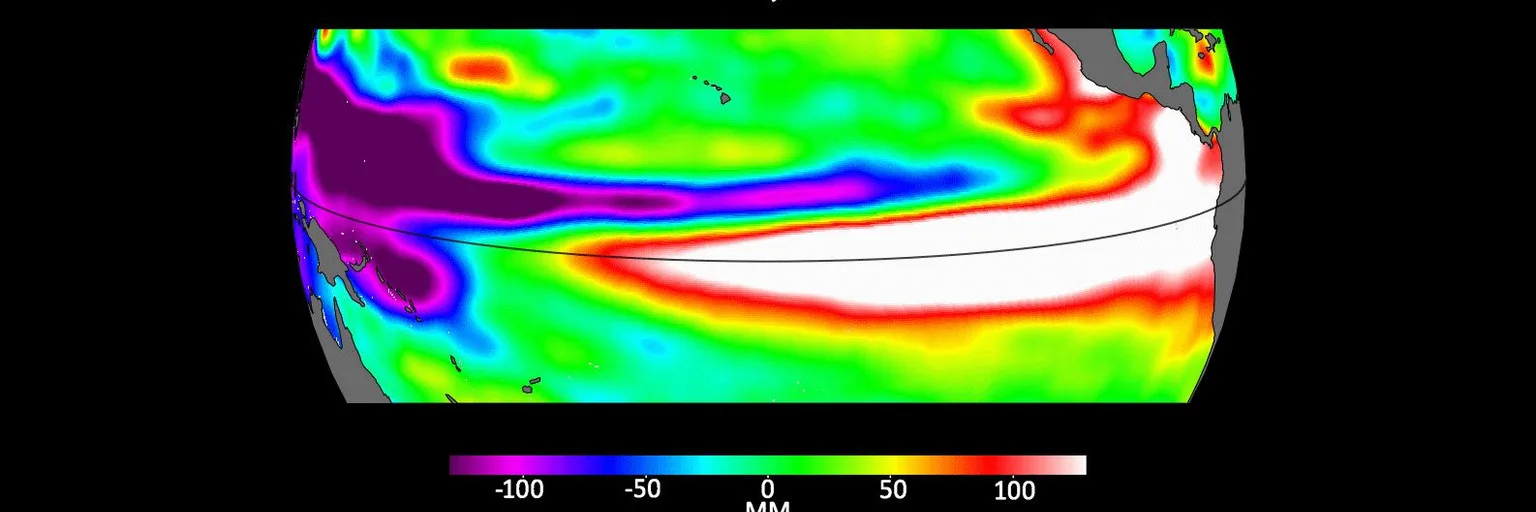
A 35-year altimetry record shows this El Niño rivals 1997, but NASA's own scientist warns that "looks like 1997" is a best guess, not a forecast of what happens to your town.
Treating women as small men was a methodological failure, not an oversight. A special issue won't fix it; changes to trials, dosing and funding rules might.
The agency keeps saying 2028. The date will mean something only when a lander docks with Orion, a suit gets tested and Blue Origin's damaged launch pad is flying again.
A summit splitting at up to five millimeters a week shows how water and warming loosen the Alps, and why the mountain's best sensors may matter more than its collapse.
A rockfall froze a Magdalenian dwelling with 4,614 objects in place. The real prize is the undisturbed context, and it should change how we dig and protect caves.