Curisfera Newsroom
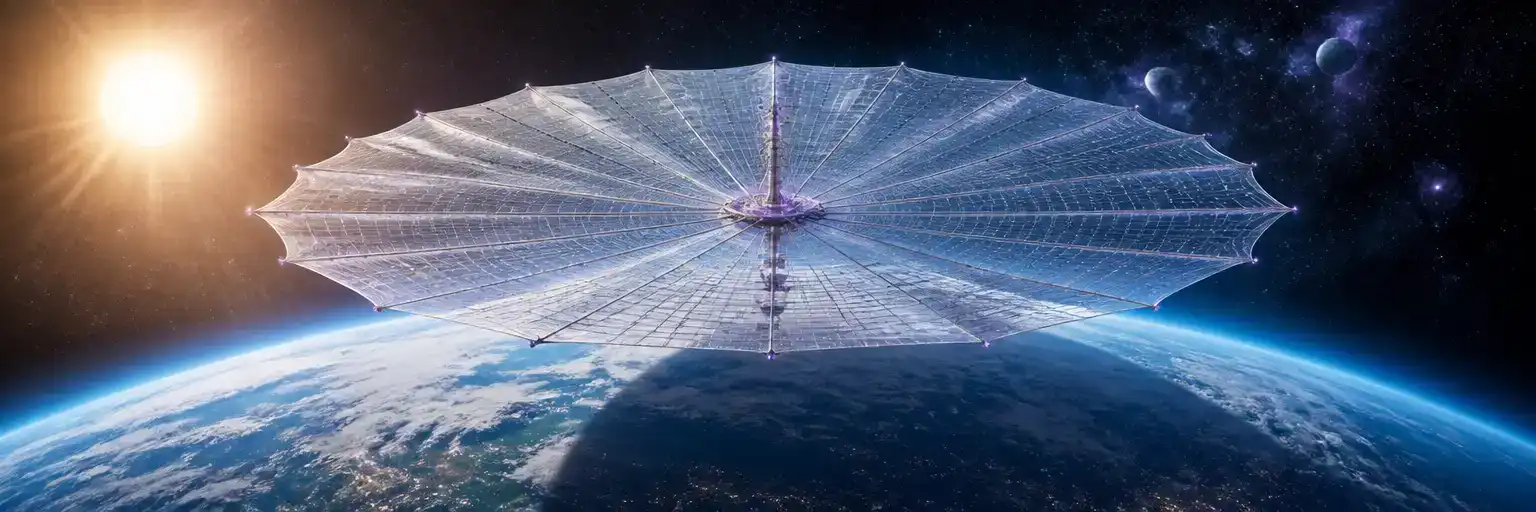
A space sunshade is worth studying, not worth betting on
A giant parasol in orbit may be physically possible. But it takes decades and millions of tons of cargo, and it can't replace cutting emissions.
A giant parasol in orbit may be physically possible. But it takes decades and millions of tons of cargo, and it can't replace cutting emissions.
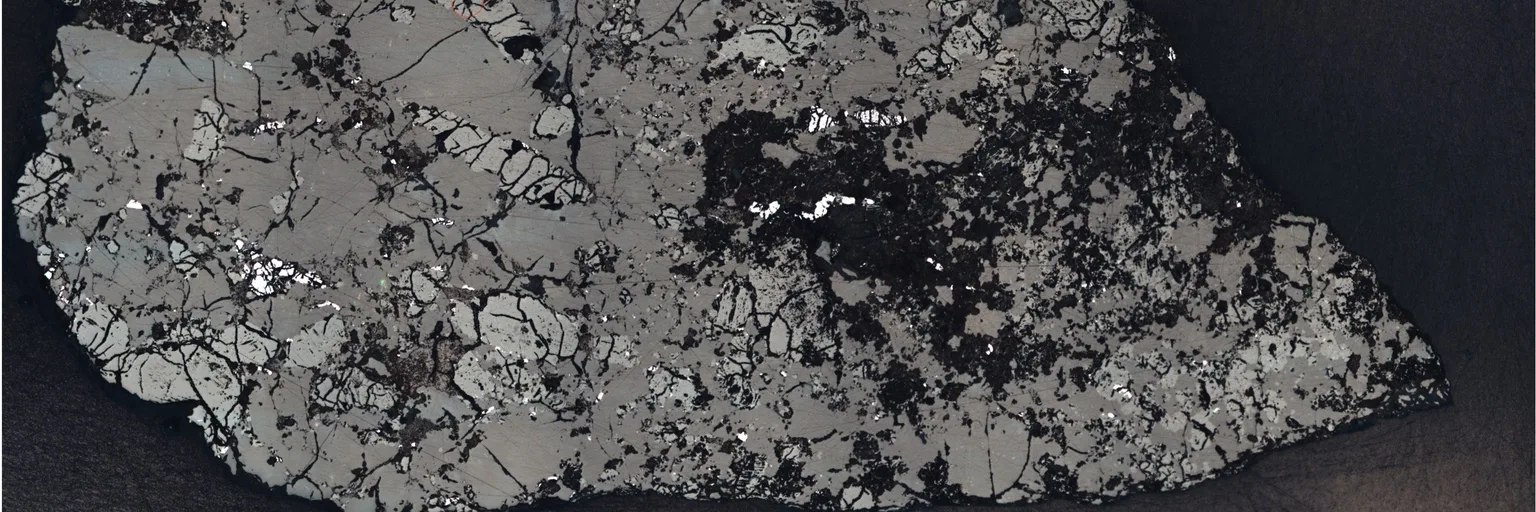
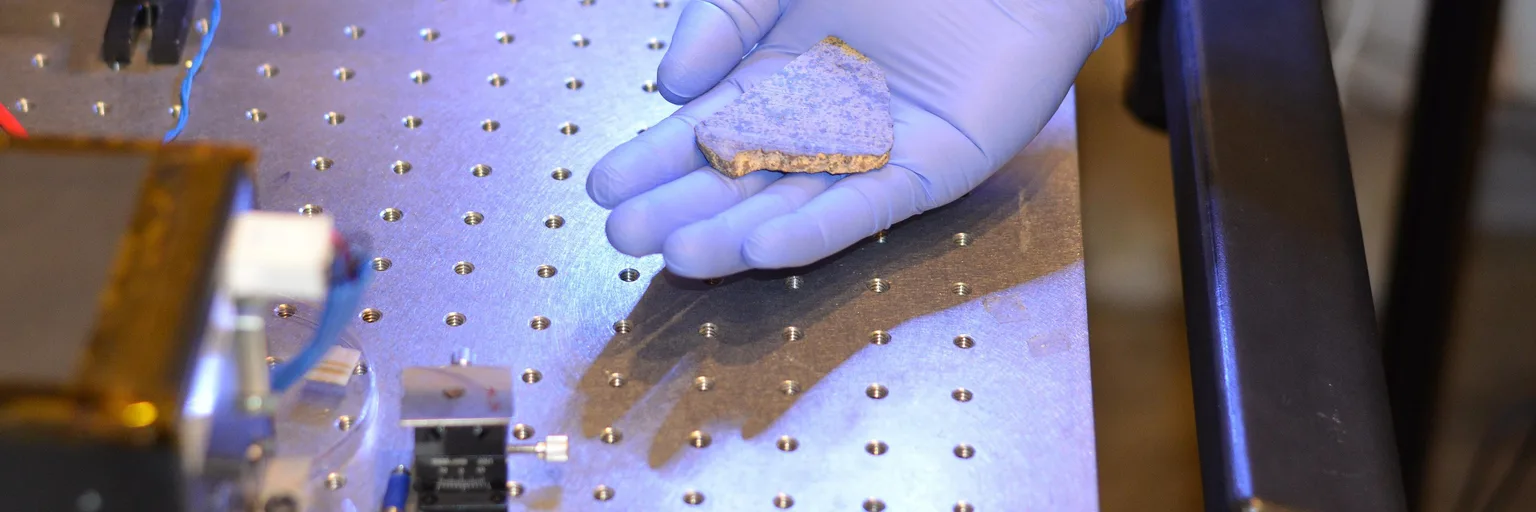
Teghaza 001, a meteorite at least 4.1 billion years old, hints at a wetter early Mars. It also shows why a lucky find from the desert needs careful, modest reading.
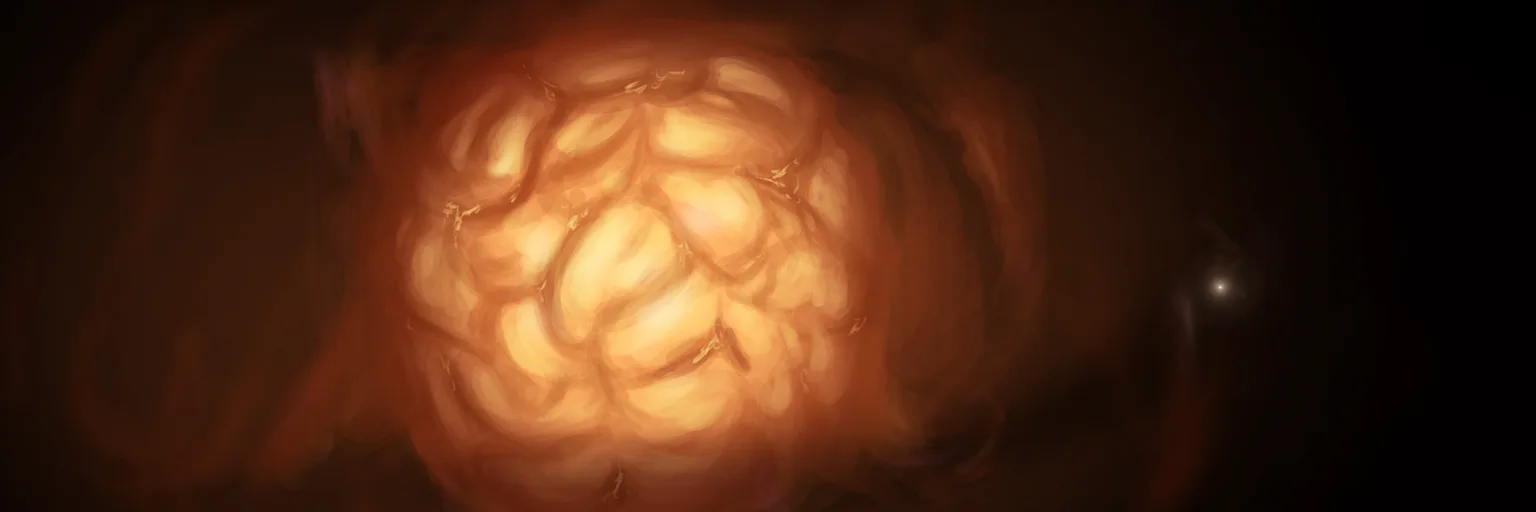
After months of fading, the red supergiant has stopped sinking, for now. That's no letdown: each wobble of Betelgeuse is teaching us how little we knew about stars near the end of their lives.
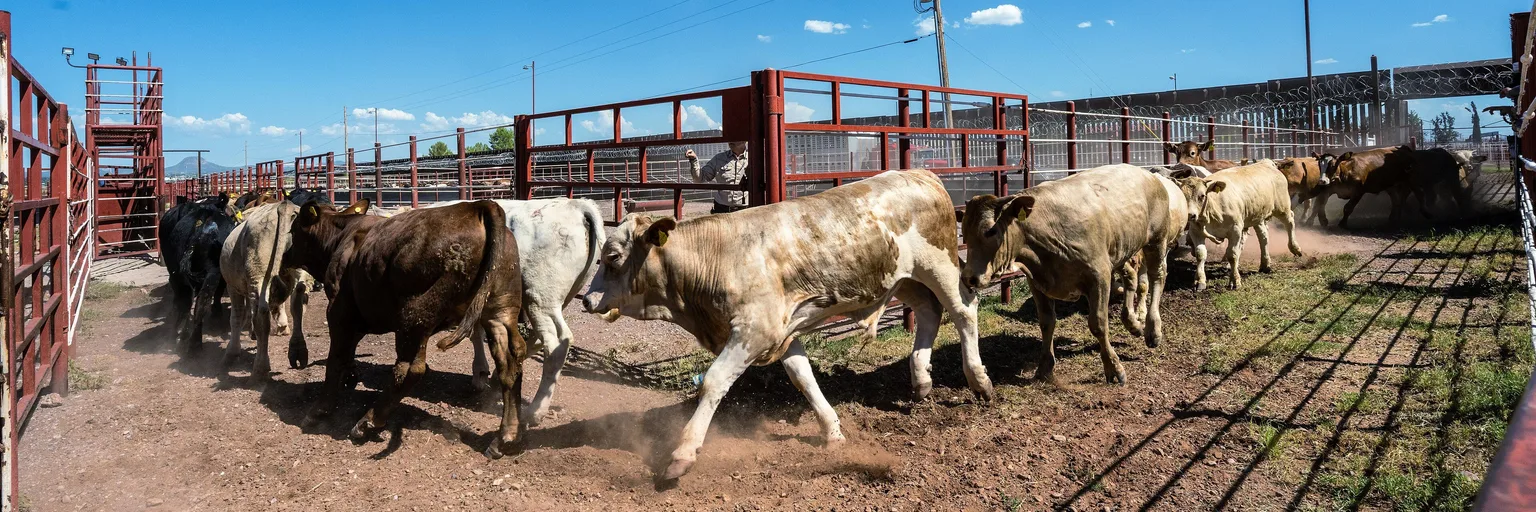
With a dog confirmed in Arizona and a cat in New Mexico, the New World screwworm is no longer just a cattle story. Beating it takes surveillance and sterile flies, not slogans.
A 4.1-billion-year-old rock from the Sahara shows how much meteorites can teach us about early Mars, and why that is an argument for sample return, not against it.
A possible new subduction zone off Portugal is real science. The "end of the Atlantic" is a geological metaphor, and the tsunami risk is the part that deserves your attention.
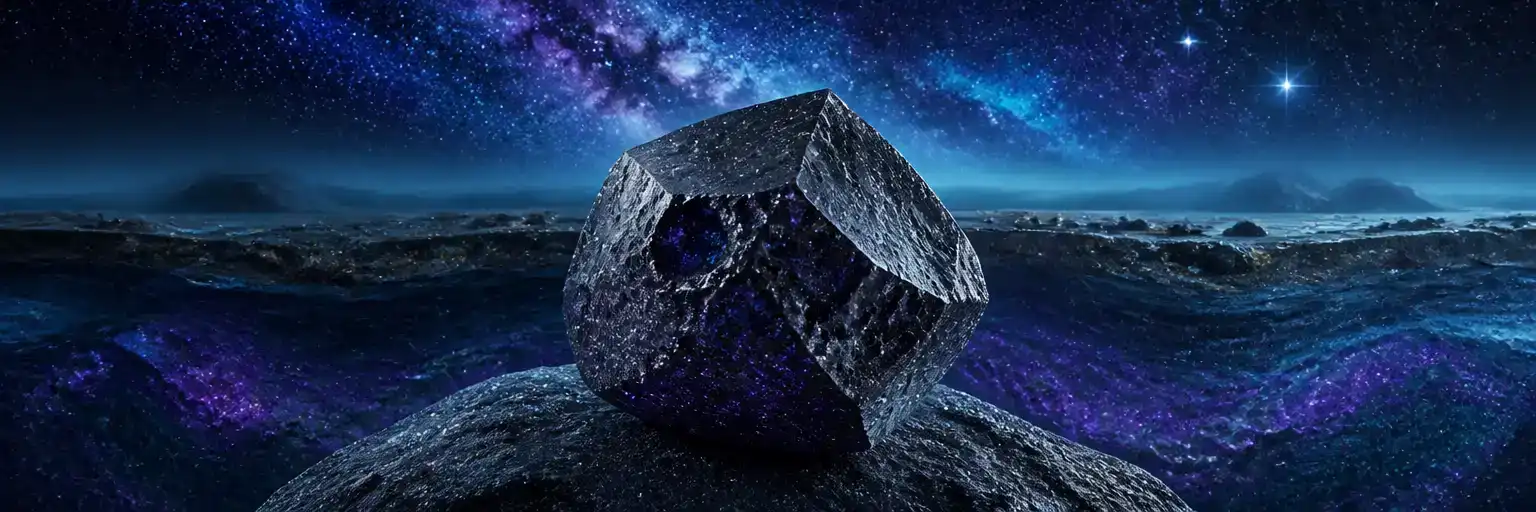
A century of cosmic-origin lore around black, porous diamonds is being challenged by carbon that looks like it came from ancient living things. The lesson is about scrutiny.
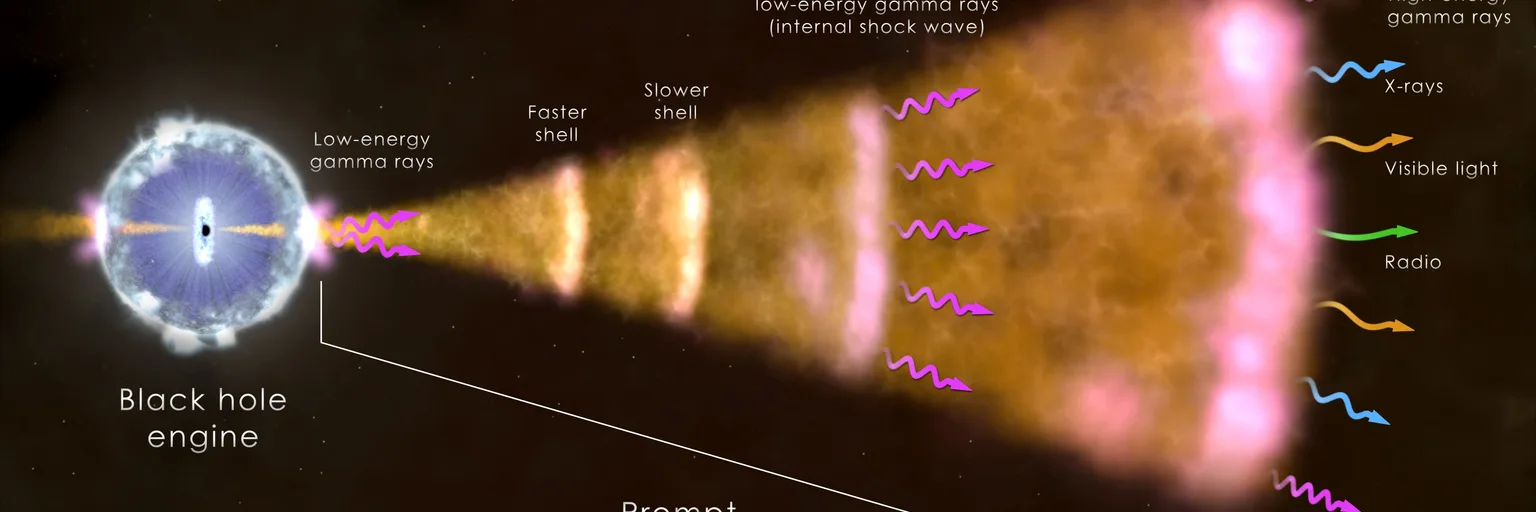
A gamma-ray burst that looked modest hid a far more energetic story in its afterglow. Brightness is a view from one angle, not a verdict on power.
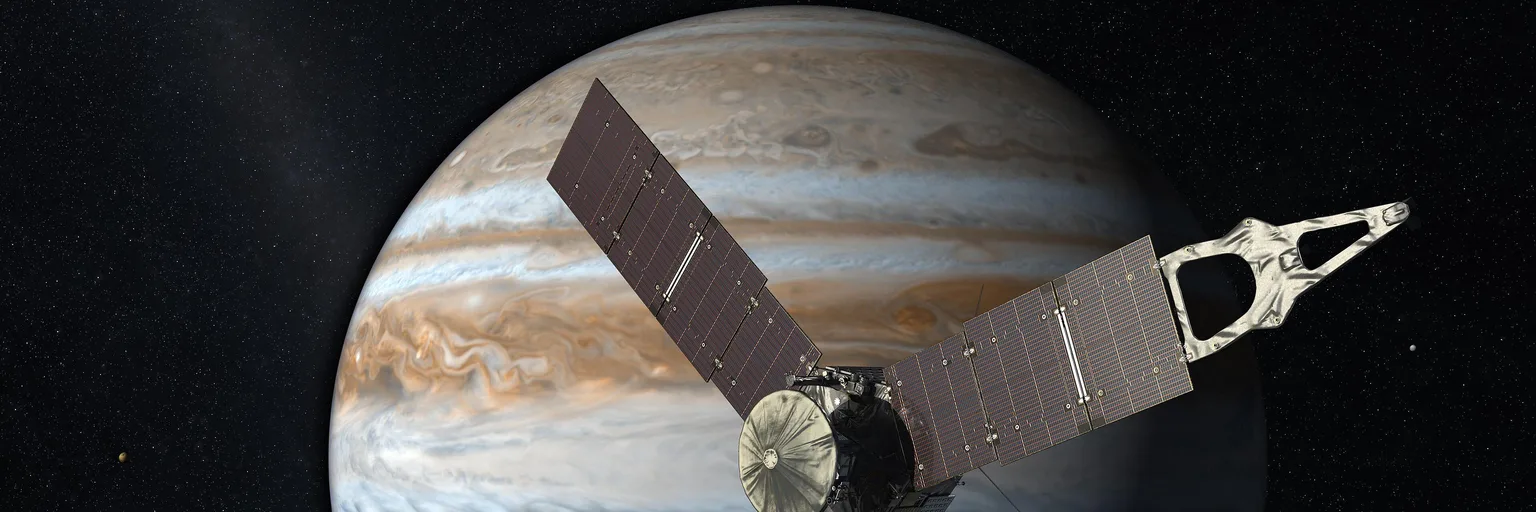
Juno found multi-frequency plasma waves and shocklets at Jupiter that Earth doesn't need. We think that makes our home planet a risky default for magnetosphere models.
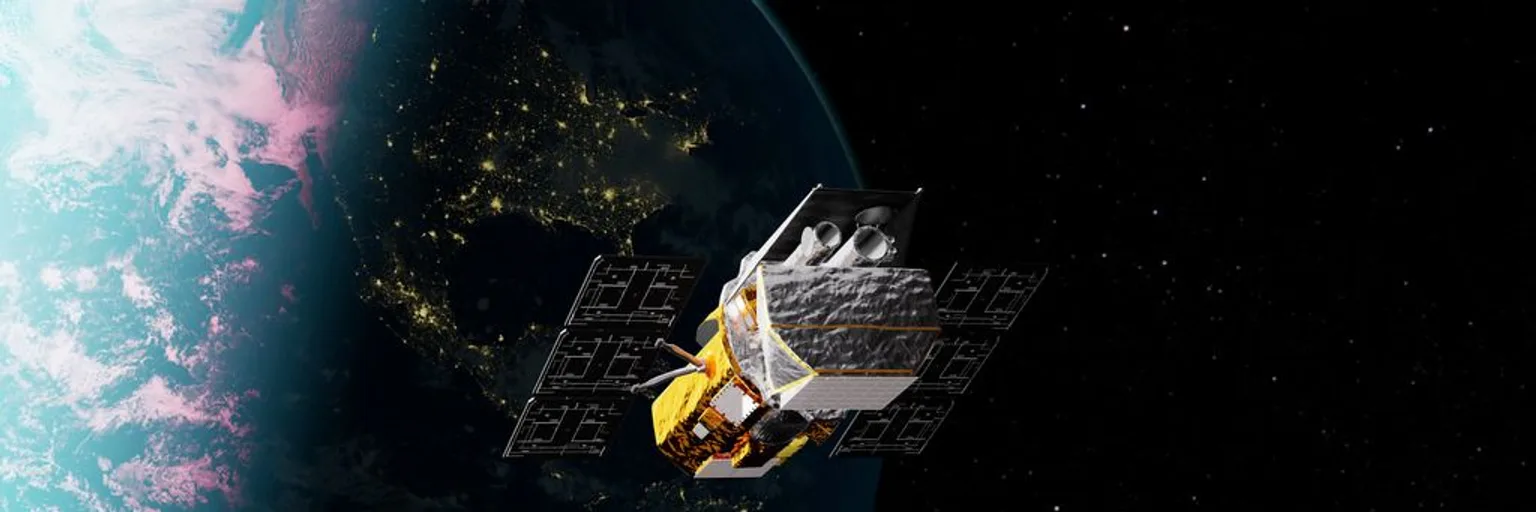
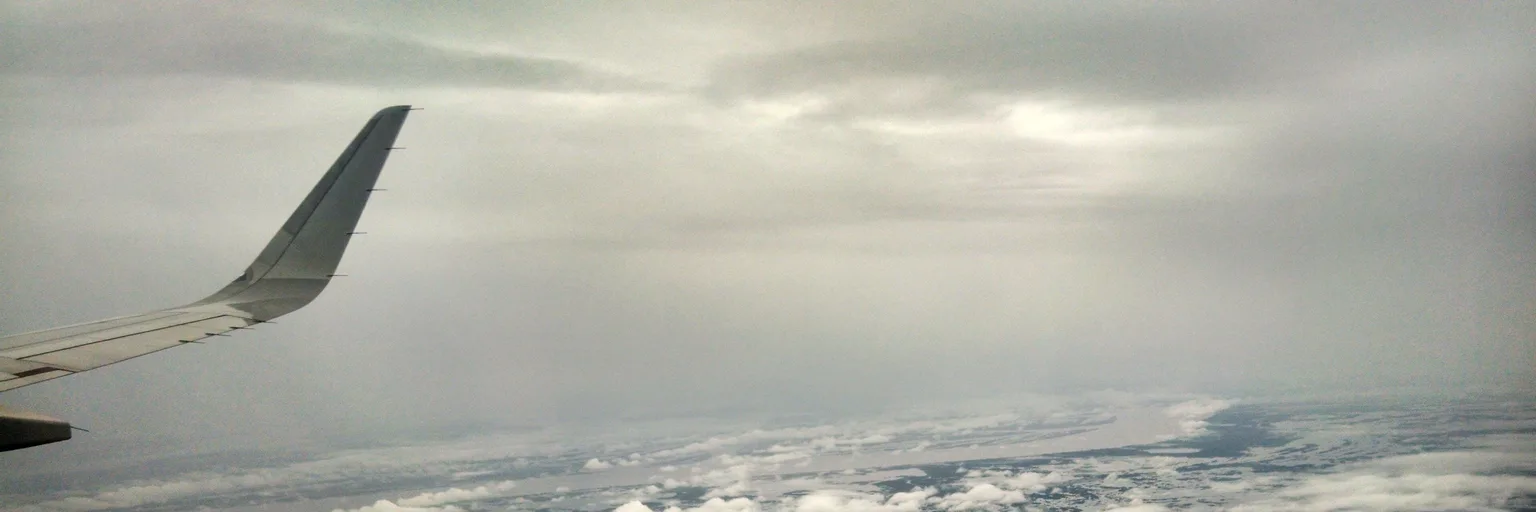
A 22-year-old NASA observatory is coming down with no thrusters to steer it. The reentry risk is tiny, but the real lesson is that science missions must be designed for their own funeral.
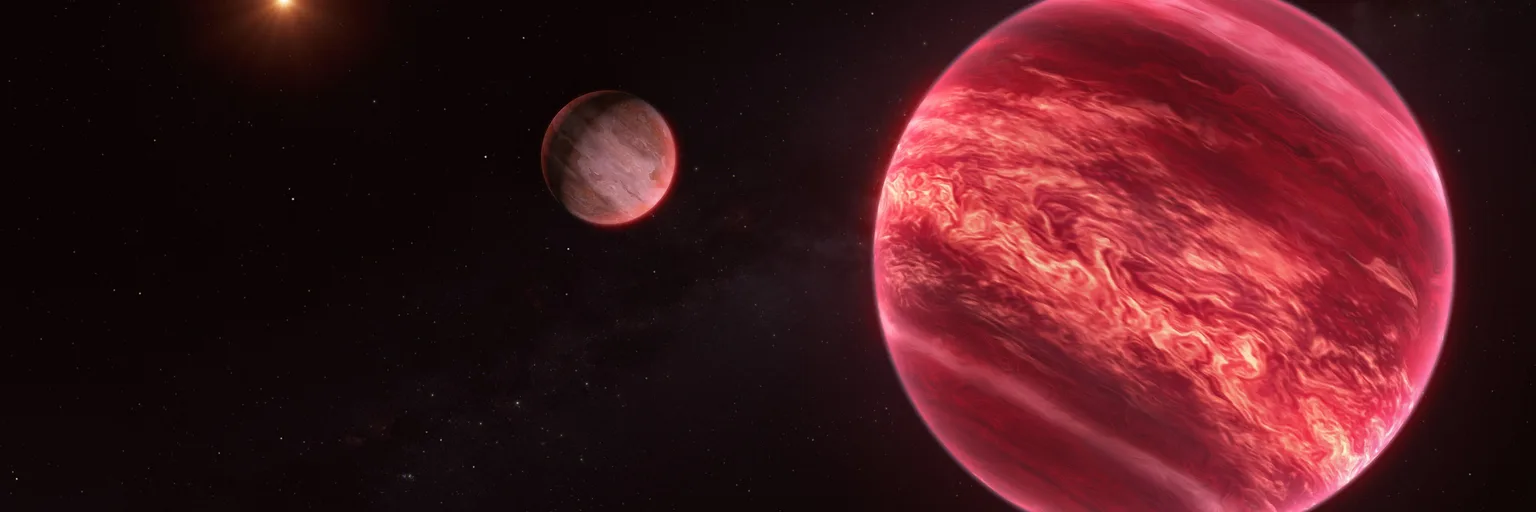
A Jupiter-mass body circling a brown dwarf strains our vocabulary. The useful question isn't what to call it, but how it formed, and that is still open.
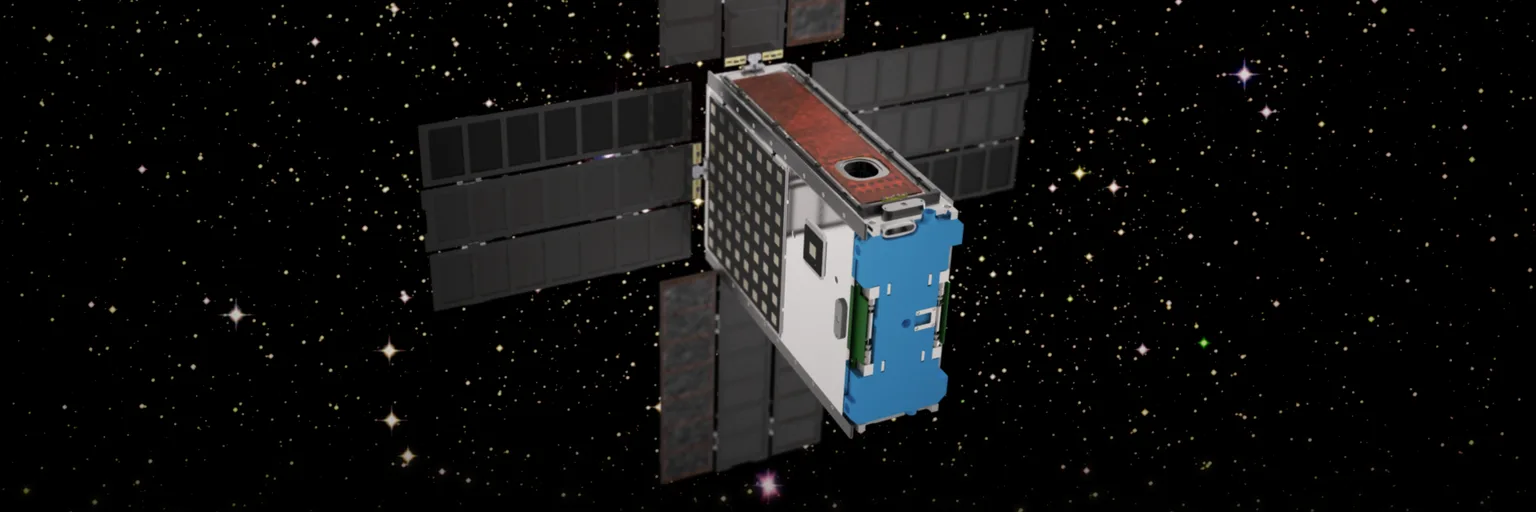
A black mold grew in every sample around the Moon, while a yeast likely expired before launch. The lesson isn't that fungi are tough; it's that deep-space biology lives or dies on controls.
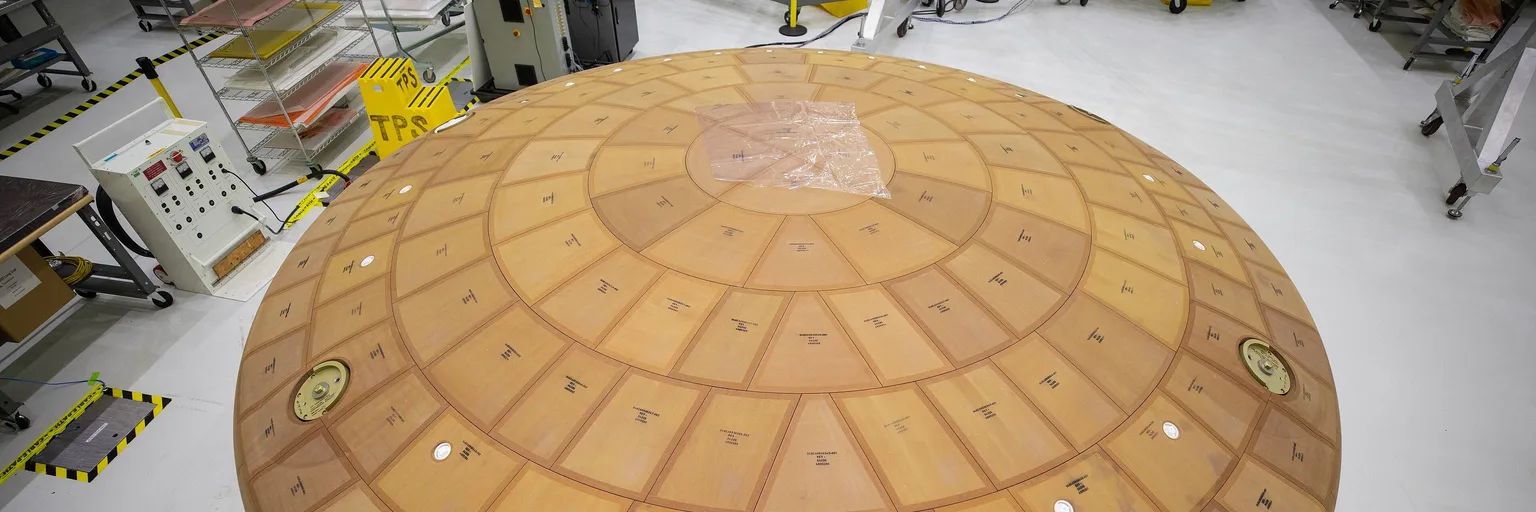
NASA says Orion's heat shield did its job on the way back from the Moon. That is real reassurance, but a single crewed flight can't tell us how much margin future lunar missions have.
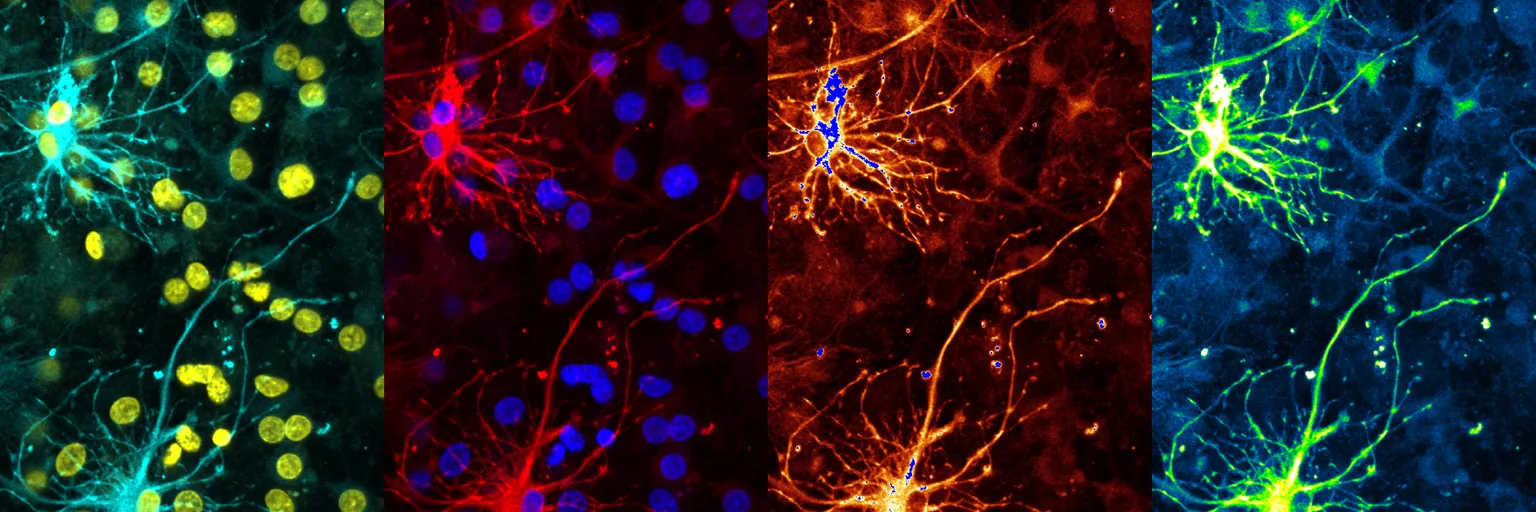
A Chinese Science study says single neurons can compare rules with sensory input. The real lesson is about biology's textbook model, not about brain-like machines.
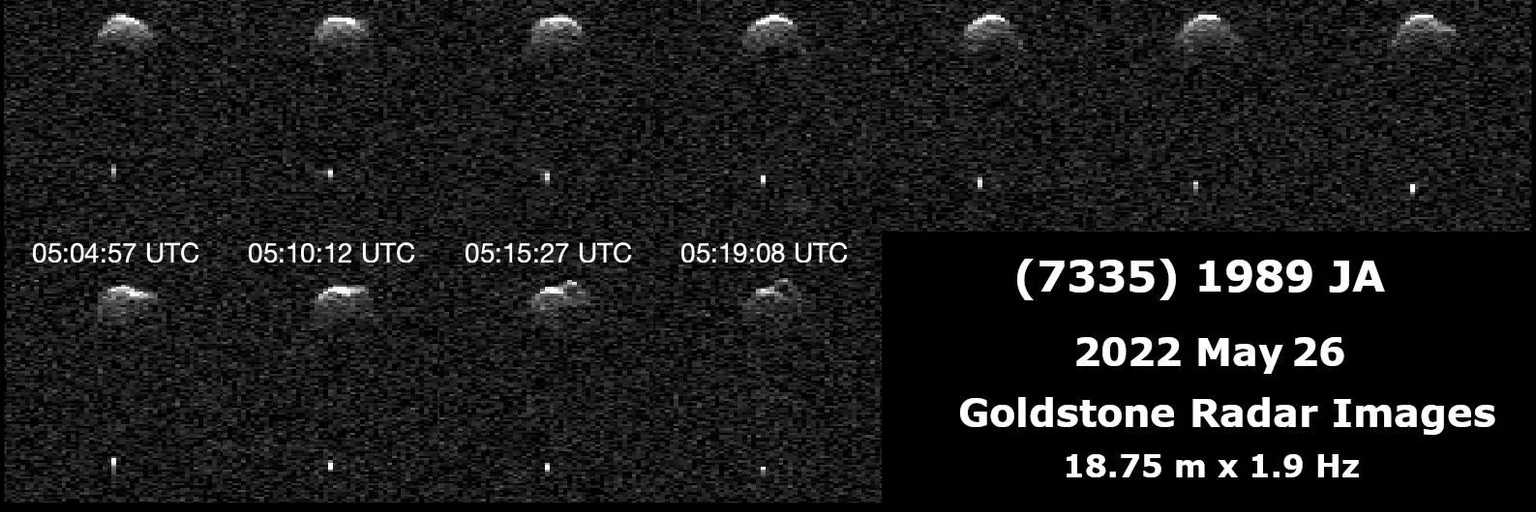
Asteroid 2025 UK9 will pass inside the Moon's distance on October 31. The scare is trivial. The real story is that we can see such small rocks coming at all.
NASA's 2031 ultraviolet telescope is good news, but its slipped date and doubled price tag show how fragile a capability we rarely notice until it's gone.
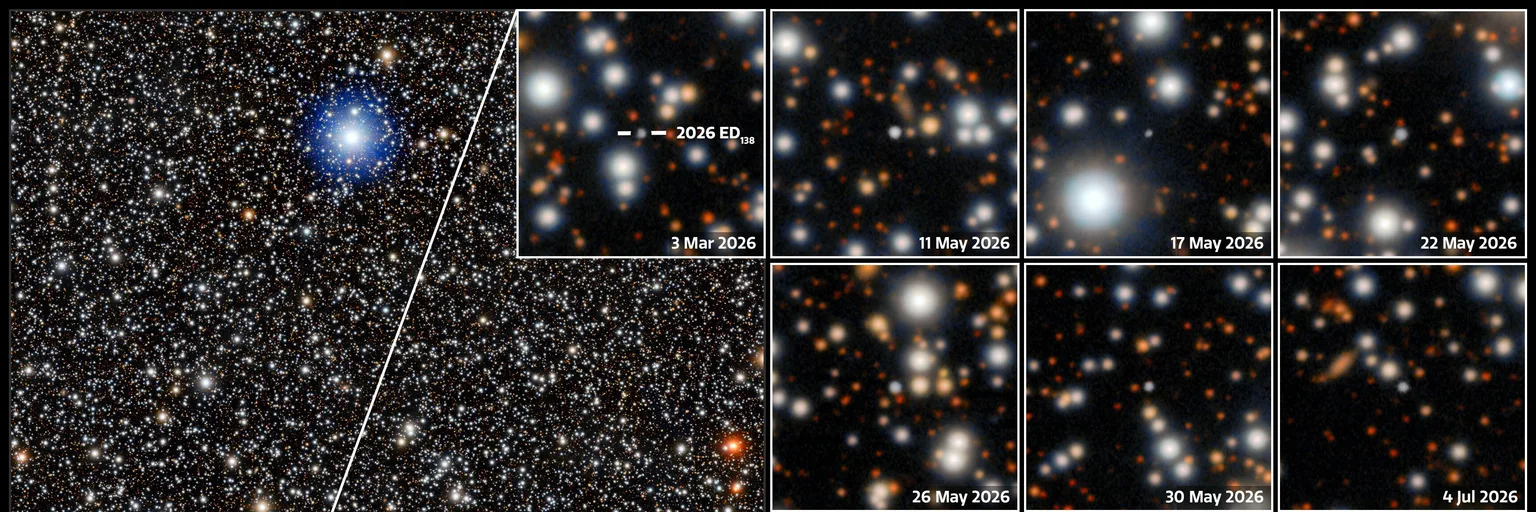
2026 ED138 stays a candidate until its size and shape are measured, and the bigger story is how many more worlds like it Rubin will turn up.
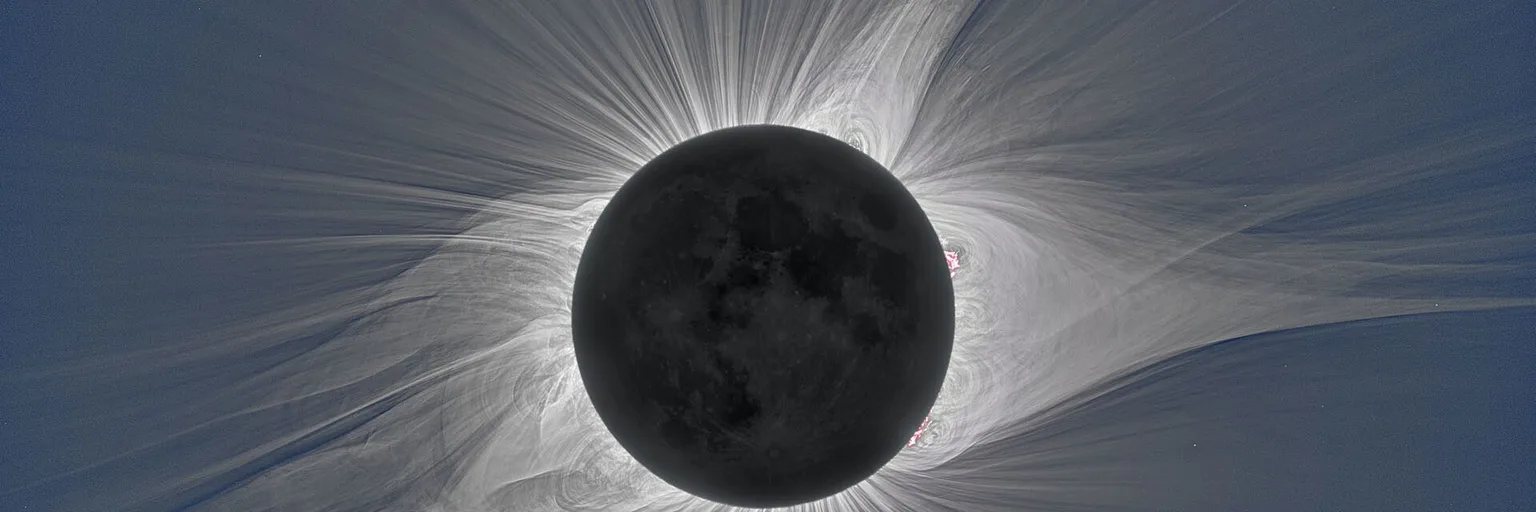
A 2,700-year-old Chinese eclipse now fits modern science after a small location correction. It's a fine win for treating old texts as data, and a poor basis for trusting every ancient date.
A few millimeters of drift in Earth's center of mass sounds trivial, but it shows the water cycle is planetary in scale and that precise measurement is a climate tool.
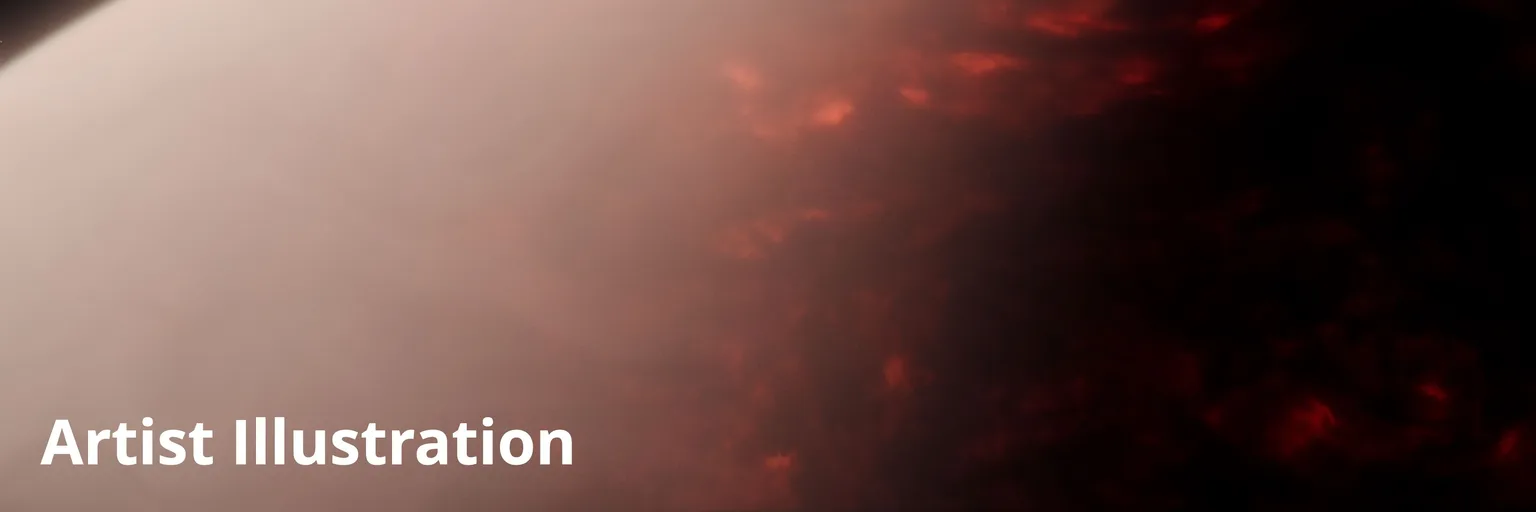
TOI-561 b, a scorched rocky world, seems to wear a reflective atmosphere it shouldn't have. We should loosen our habitability filters, not throw them out.