Curisfera Newsroom
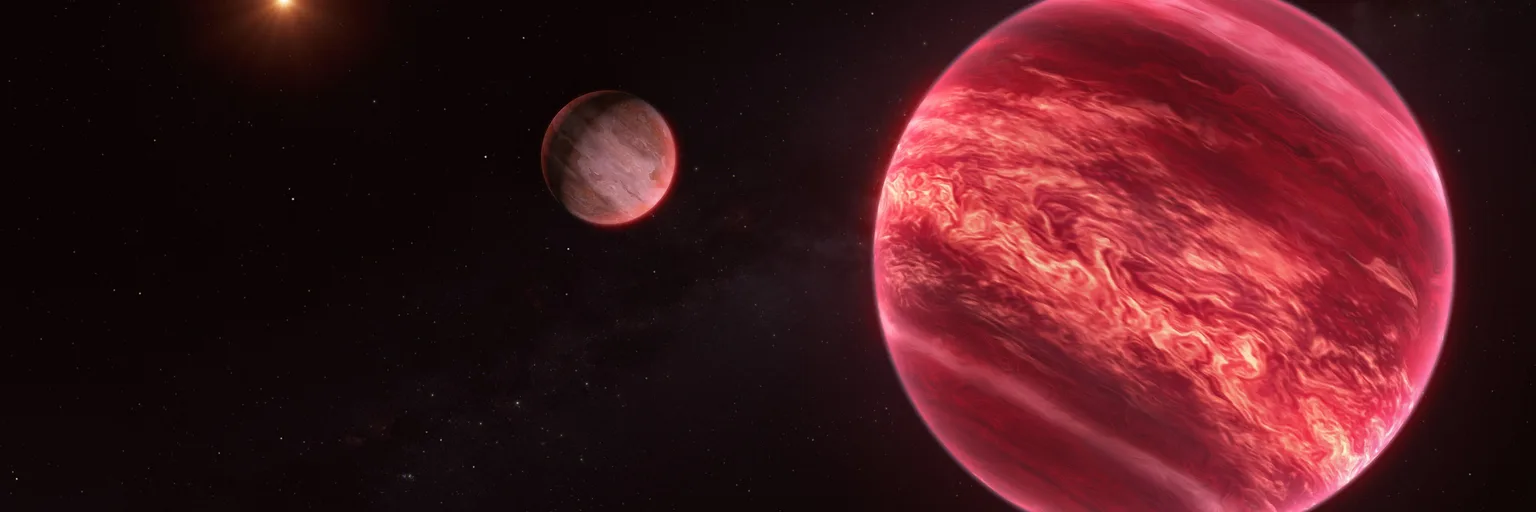
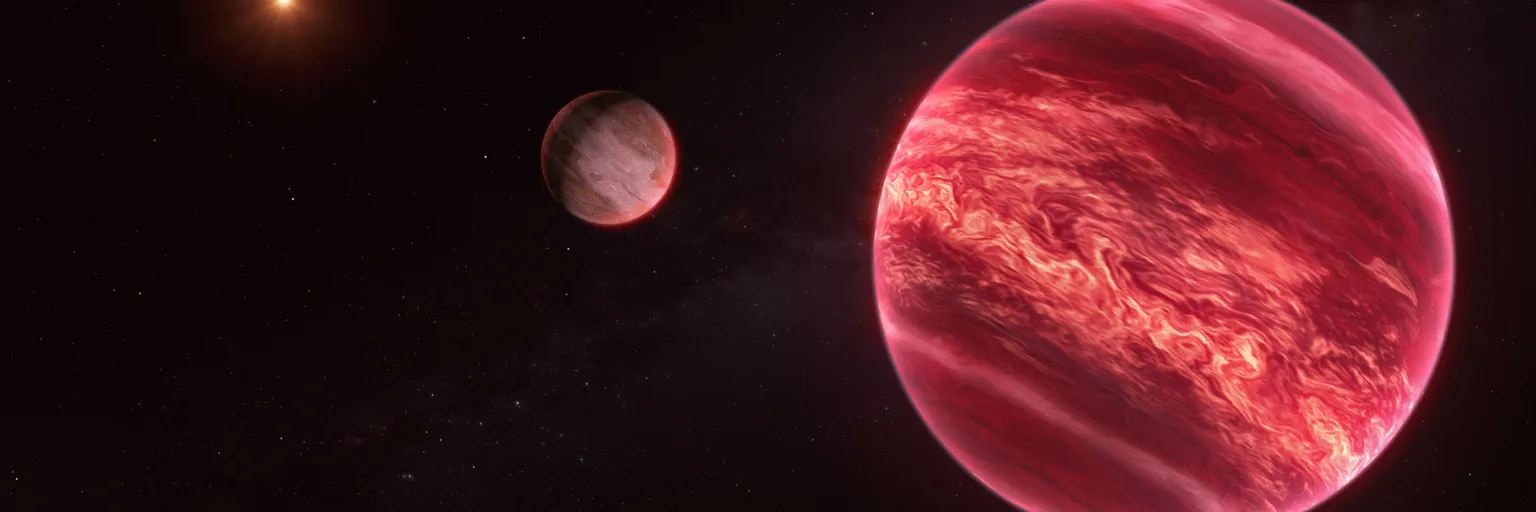
Moon or planet? The CD-35 2722 object shows names matter less than origins
A Jupiter-mass body circling a brown dwarf strains our vocabulary. The useful question isn't what to call it, but how it formed, and that is still open.
A Jupiter-mass body circling a brown dwarf strains our vocabulary. The useful question isn't what to call it, but how it formed, and that is still open.
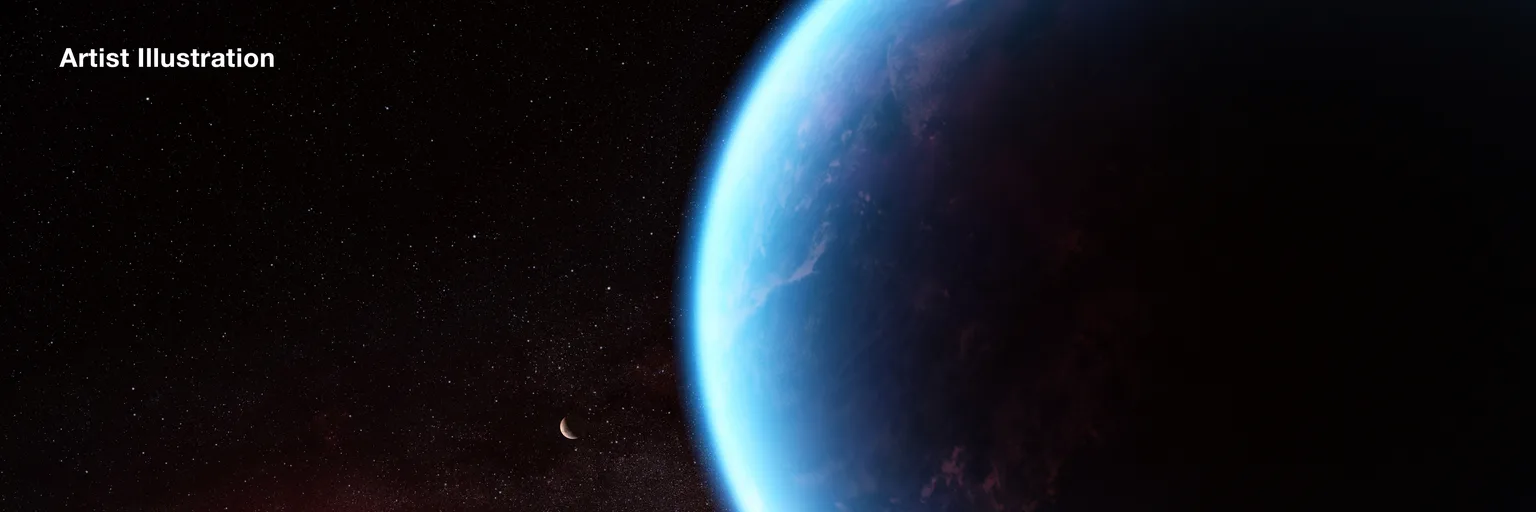
TOI-561 b, a scorched rocky world, seems to wear a reflective atmosphere it shouldn't have. We should loosen our habitability filters, not throw them out.
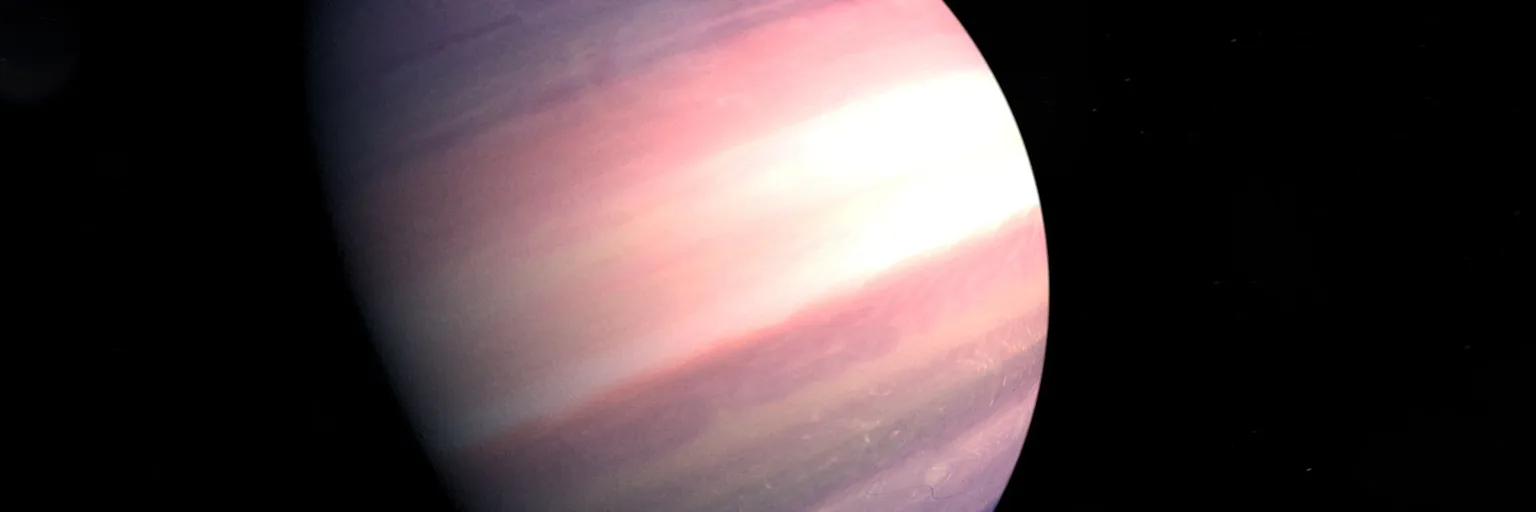
Epsilon Indi Ab, 12 light-years away, isn't Jupiter's twin. But a cold giant with probable water-ice clouds shows direct imaging has crossed a line, and the models now have homework.
A giant companion around a brown dwarf is a genuine milestone for method. But exomoon claims have burned us before, and "plausible" is not "confirmed."
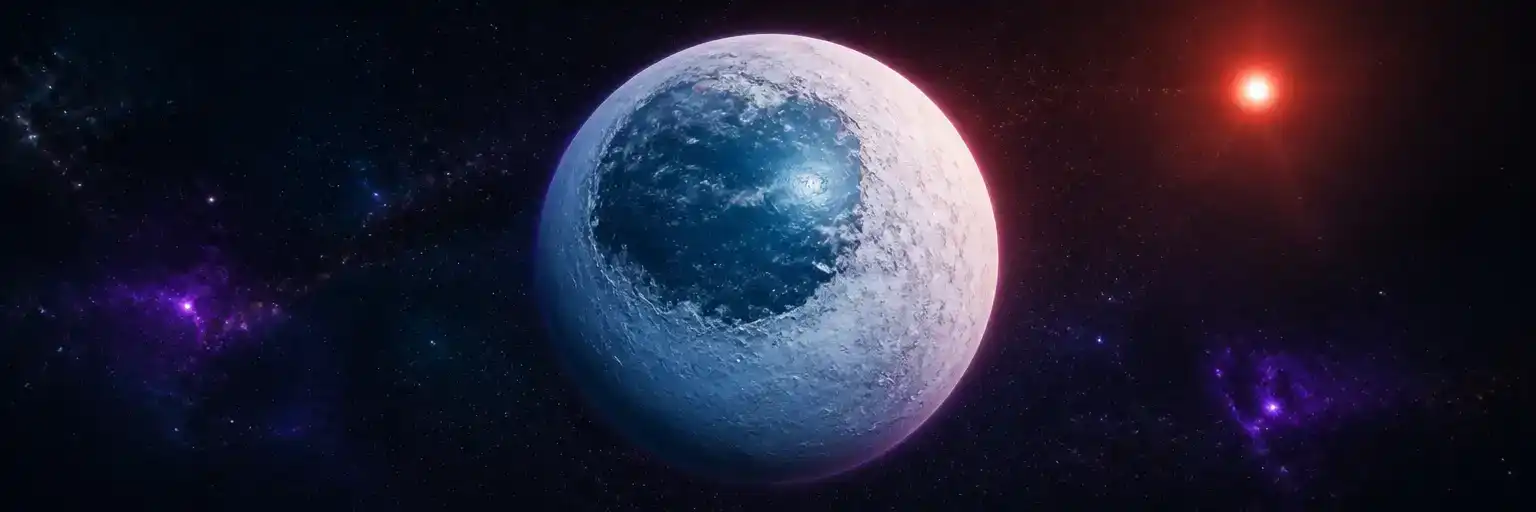
Headlines promise an "Earth-like" planet 49 light-years away. The data show something stranger and more interesting: a strong water-world candidate whose atmosphere is still unconfirmed.
A 17-year-old intern spotted TOI 1338 b in telescope data. The lesson isn't genius: it's that archives hold more than algorithms can see, and interns are cheap eyes.
A groundbreaking study suggests that moons orbiting starless rogue planets could harbor liquid water for billions of years, radically expanding our search for extraterrestrial life.
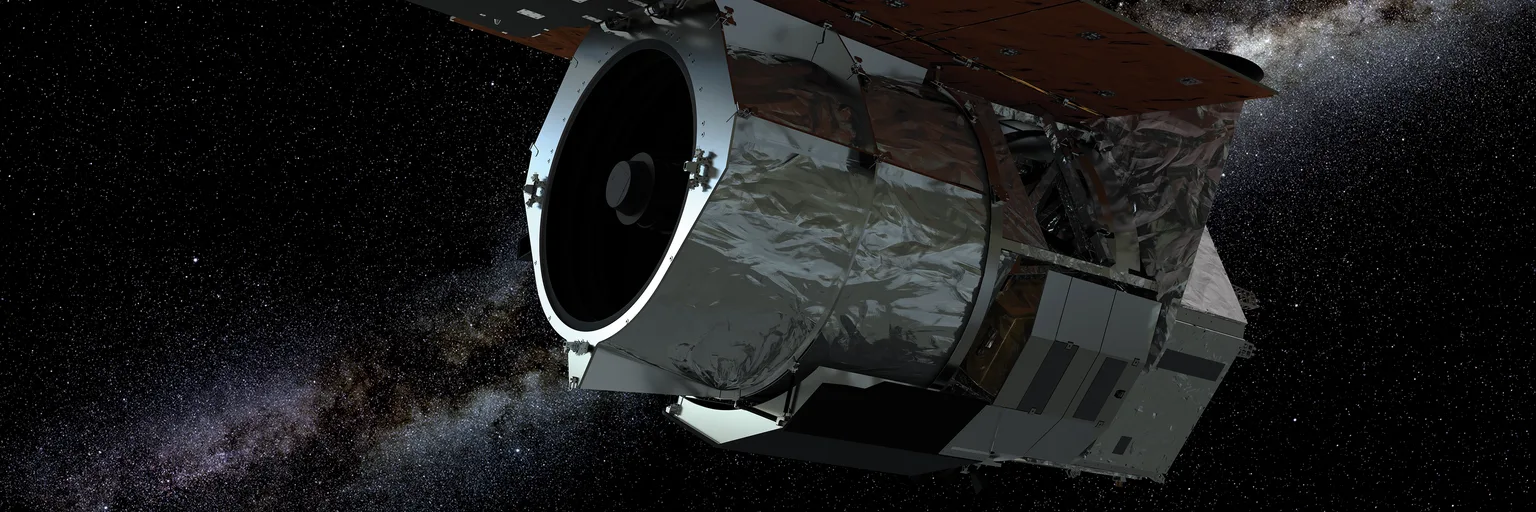
NASA's Nancy Grace Roman Space Telescope, with its wide-field infrared vision and powerful instruments, promises profound insights into dark energy, exoplanets, and the universe's structure.
A newly discovered exoplanet, formed from the ashes of its host star, challenges our most fundamental assumptions about how and where planets can emerge, opening new chapters in stellar archaeology.
The discovery of CD-35 2722, a Jupiter-sized object orbiting a brown dwarf, which then orbits a star, profoundly challenges the International Astronomical Union's definitions of planets and moons.
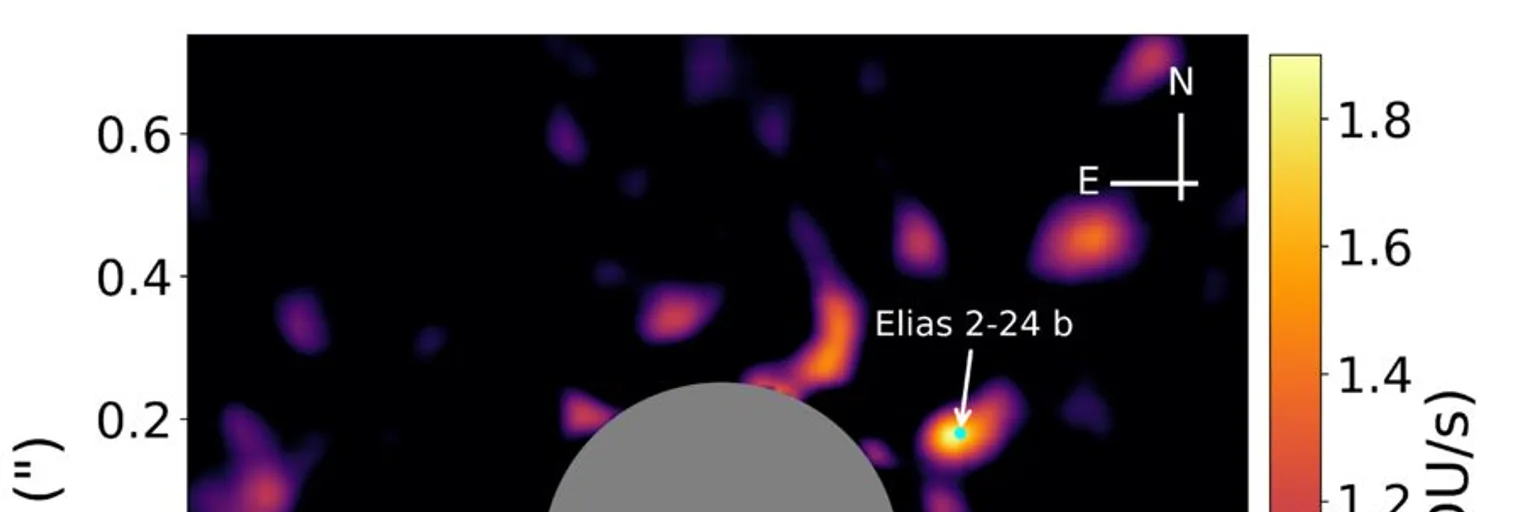
The discovery of Elias 2-24 b, the youngest exoplanet ever found, provides an unprecedented window into the early universe, compelling astrophysicists to reconsider established models of how giant planets rapidly come into being.
A groundbreaking electrical nanogap sensor, developed by Osaka University, promises to revolutionize astrobiology by accurately distinguishing the chiral forms of amino acids, offering a robust method to detect life's unique molecular signature.
The first definitive radio detection from an exoplanet, Beta Pictoris b, marks a monumental shift, offering an unprecedented view into distant planetary magnetic fields and their role in habitability.
NASA's new far-infrared space telescope, Prima, is a critical leap in astrophysics, set to unlock mysteries about planetary water acquisition and black hole growth beyond even the James Webb's perception.
NASA's Pandora mission is preparing to delve into the atmospheric makeup of known exoplanets and their host stars, a nuanced approach that could fundamentally redefine our search for habitable worlds.
A monumental 12-year time-lapse of a star and four orbiting exoplanets provides unprecedented insights into planetary dynamics and validates the power of long-term astrophysical observation.