Bumblebee Play Isn't Just Cute; It Rewrites Animal Cognition
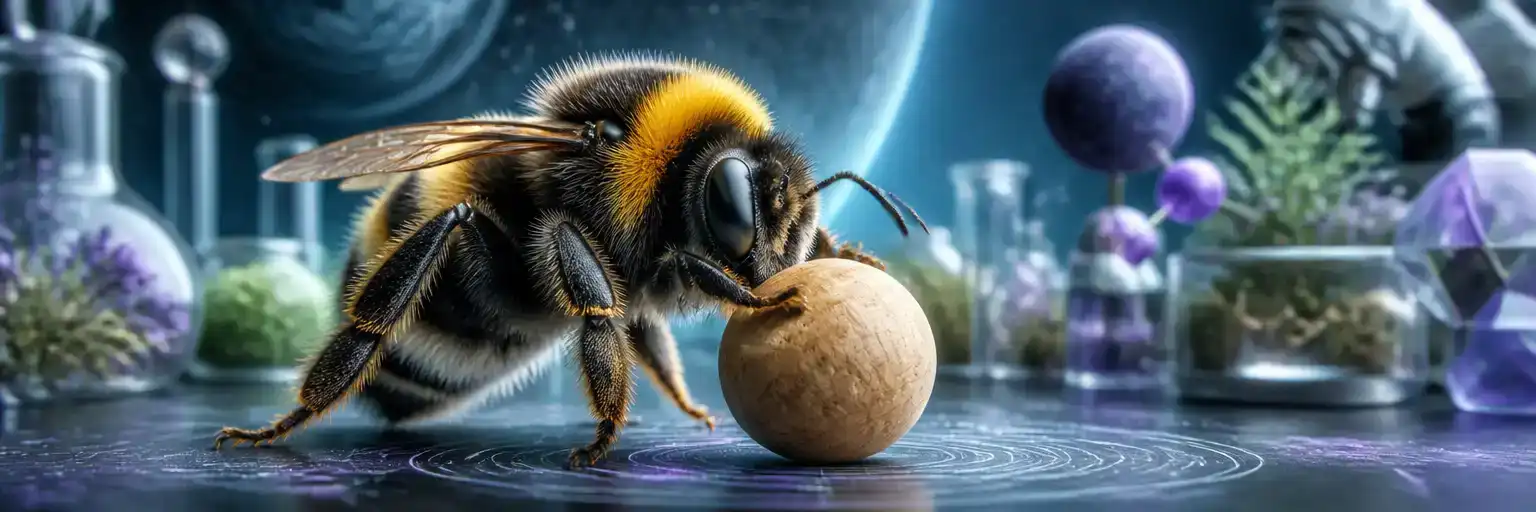
A new study demonstrating that bumblebees voluntarily roll wooden balls without reward challenges traditional views of play, pushing us to rethink insect intelligence and sentience.
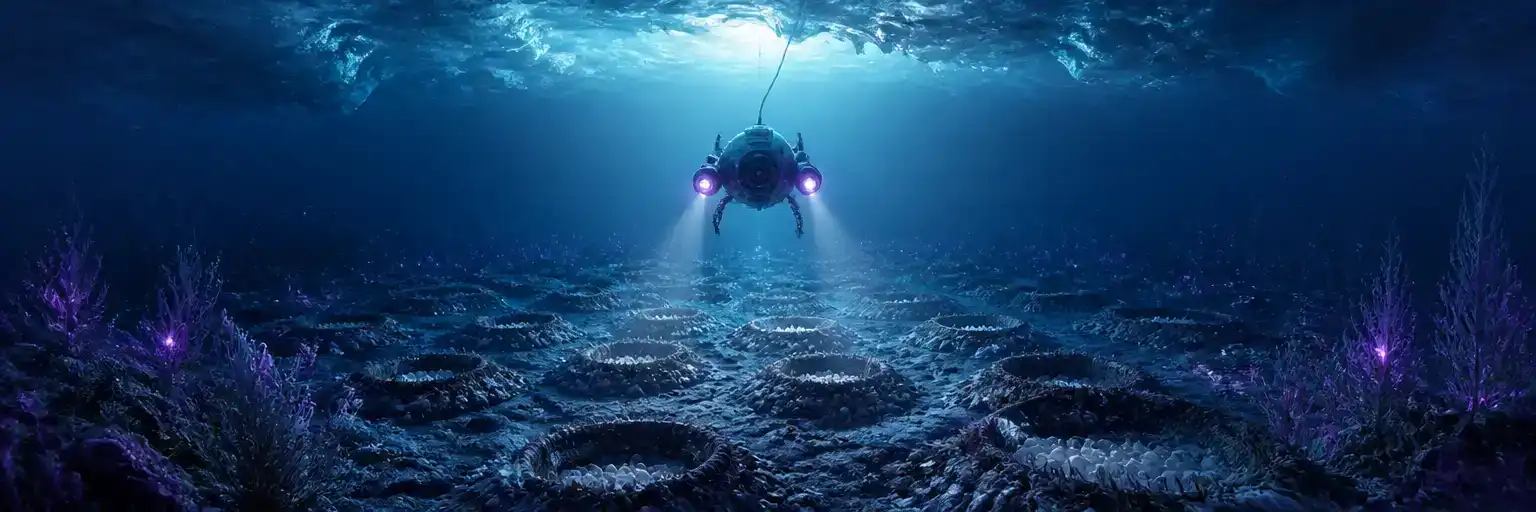
The recent discovery of over a thousand meticulously organized fish nests beneath the Antarctic ice, revealed by a massive iceberg and a nimble underwater robot, highlights not just the resilience of life in extreme environments, but also the transformative power of technology in unveiling our planet's deepest secrets.
A two-week Mars simulation on a city square in Germany, blending art and science, offers a uniquely accessible and thought-provoking approach to future space exploration.
The discovery of precisely 42,458 similar seabed holes in the North Sea, once attributed to gas leaks, now reveals surprising biological activity fundamentally altering our view of seafloor dynamics and marine life's impact.
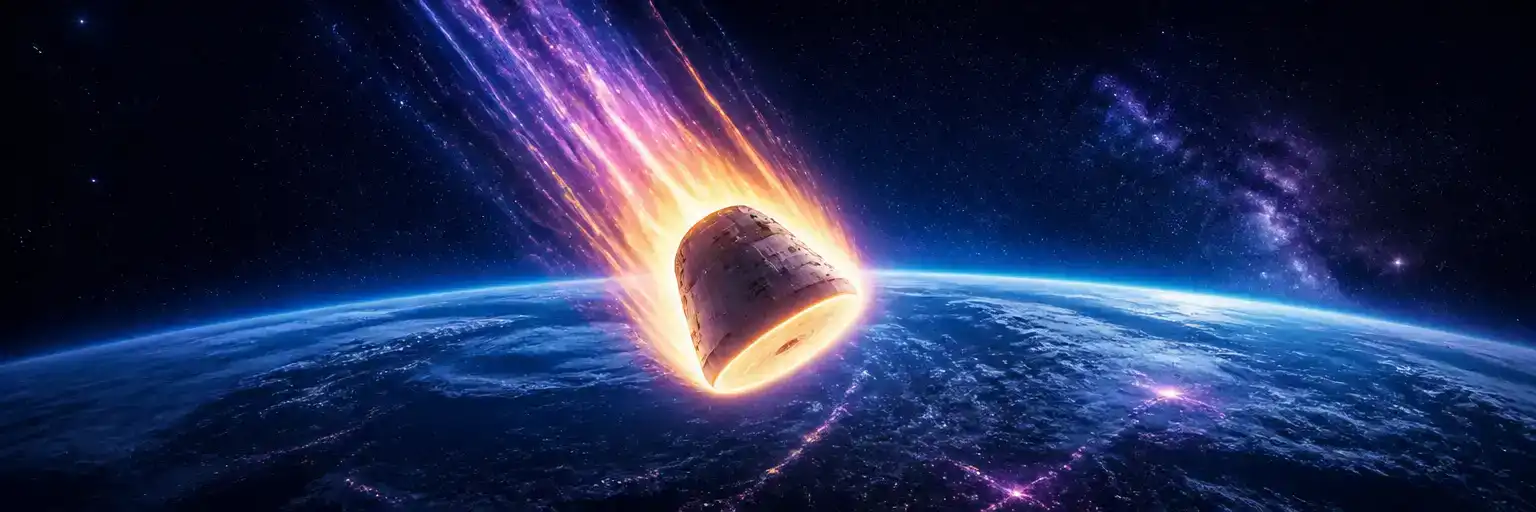
The latest SpaceX rideshare mission, featuring the Starfall reentry capsule, exemplifies the expanding sophistication and practical applications of commercial space programs and reusable technology for a diverse array of scientific and commercial payloads.
For one couple, a strange letter from a former resident transformed their purchase of a 130-year-old Victorian home into an architectural treasure hunt, revealing hidden rooms and a palpable link to its past inhabitants.
Dr. Barkha Yakub Bale's journey from Mumbai to Vilnius, culminating in a pivotal discovery about magnetically active stars, showcases the indispensable international collaboration driving astrophysics forward.
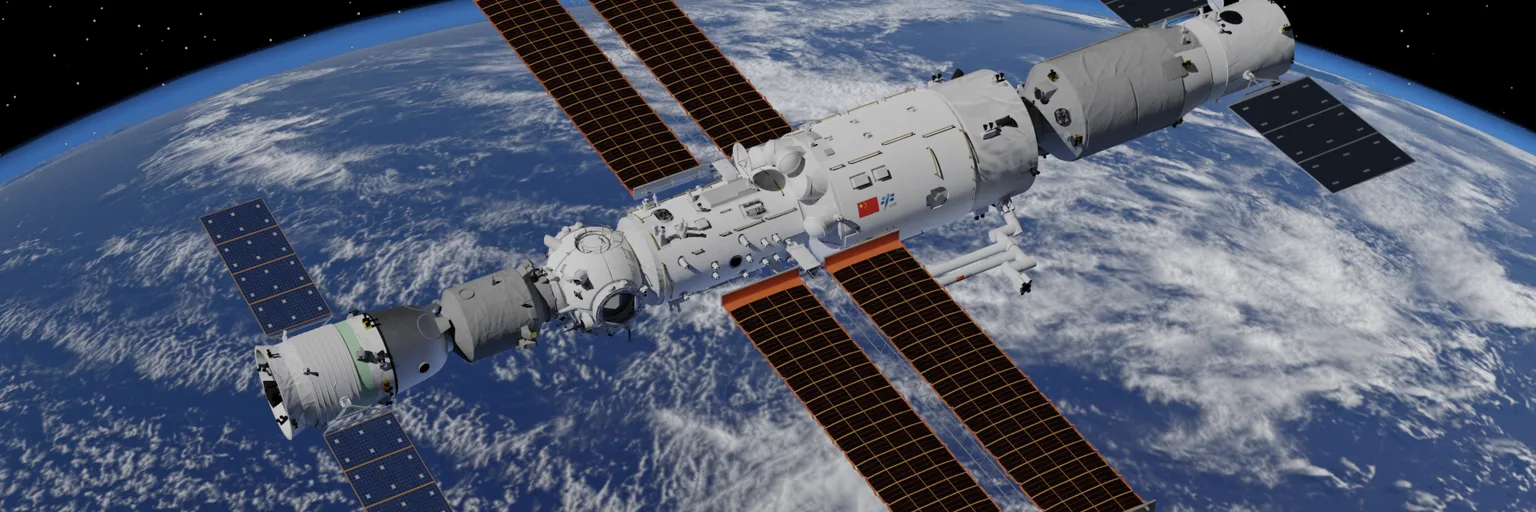
The successful cultivation and harvest of a first generation of rice, and the sowing of seeds for a second generation in orbit, is more than a botanical achievement; it's a blueprint for humanity's sustained presence beyond Earth.
Myalgic Encephalomyelitis/Chronic Fatigue Syndrome is a severe, multi-systemic illness that profoundly limits daily life, yet it remains critically underdiagnosed and in need of scientific breakthroughs.
A new class of effective antibiotic molecules, powered by innovative AI, signals a pivotal moment in our urgent battle against drug-resistant bacteria, offering a potential paradigm shift in life-saving drug development.
The recent measurement of Mont Blanc's altitude to 4,807.47 meters is far more than a numerical update; it's a testament to advanced geodetic science revealing critical environmental dynamics through unprecedented precision.
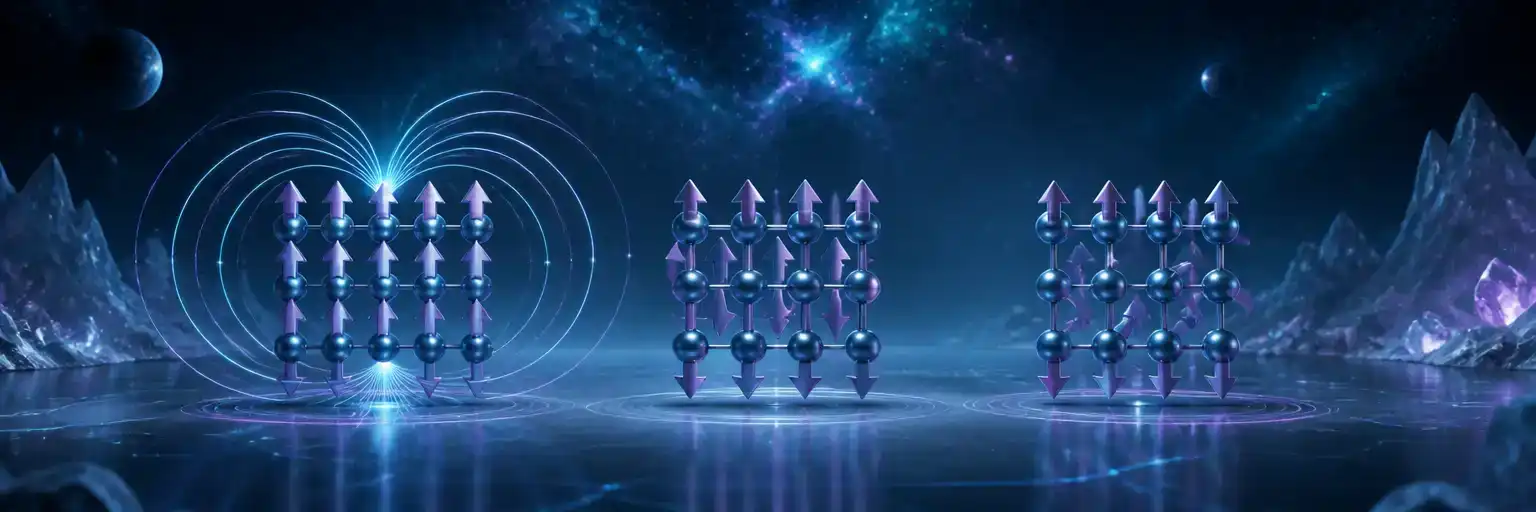
The discovery of altermagnetism, recognized with the 2026 Europhysics Prize, unveils a third fundamental form of magnetism that promises to redefine our understanding of quantum materials and revolutionize future information technologies.
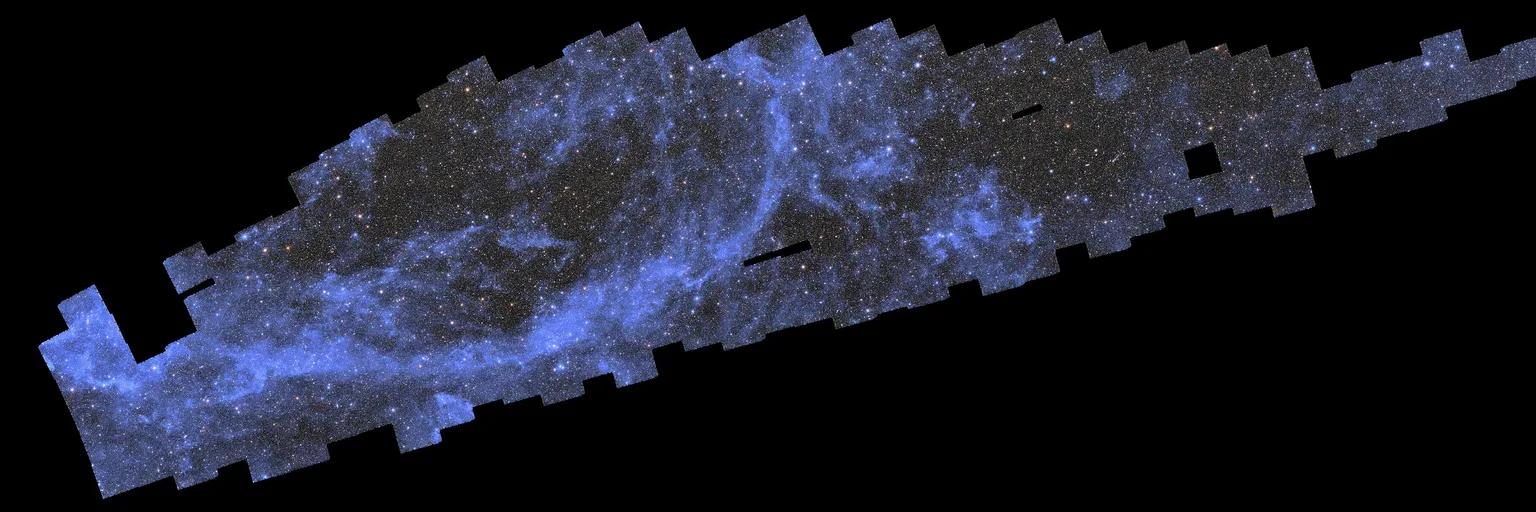
The ESA's Euclid mission is charting billions of galaxies, providing an unprecedented view of dark matter and dark energy that promises to fundamentally reshape our understanding of the universe.
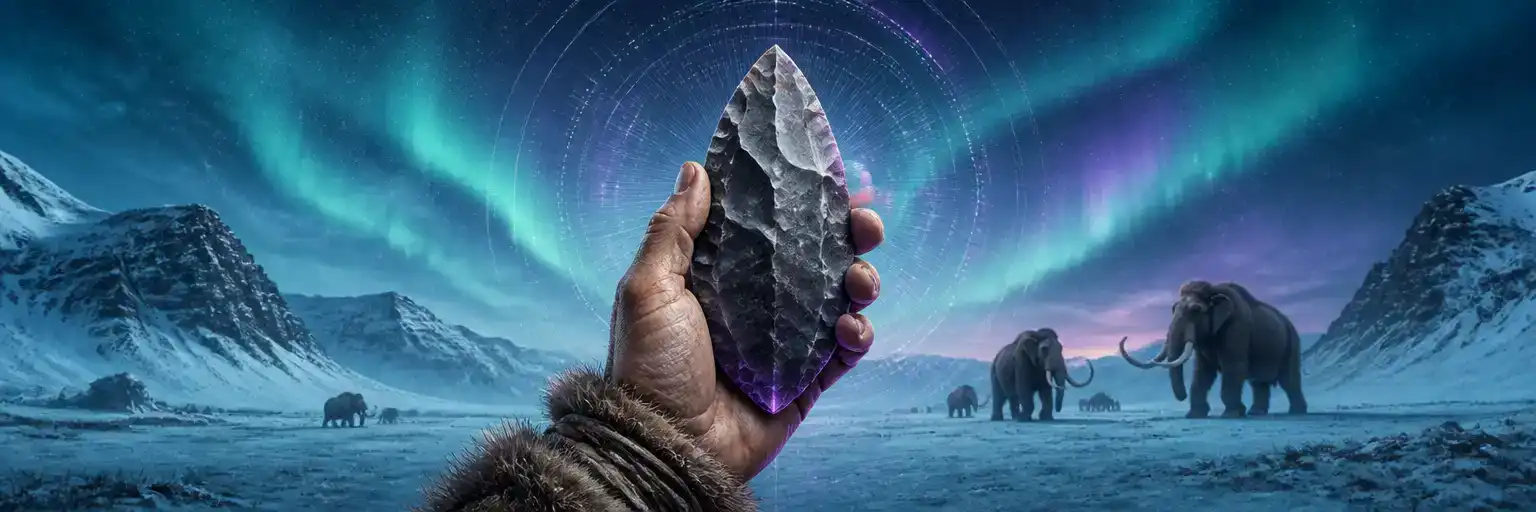
A recently unearthed toolkit from a Stone Age hunter-gatherer in the Czech Republic offers an unprecedented, intimate window into the sophisticated planning and resourcefulness of our ancient ancestors.
The UK's ambitious mission to deploy a refuelable robot claw for active debris removal is not merely about clearing orbital trash, but strategically building a sustainable space economy.
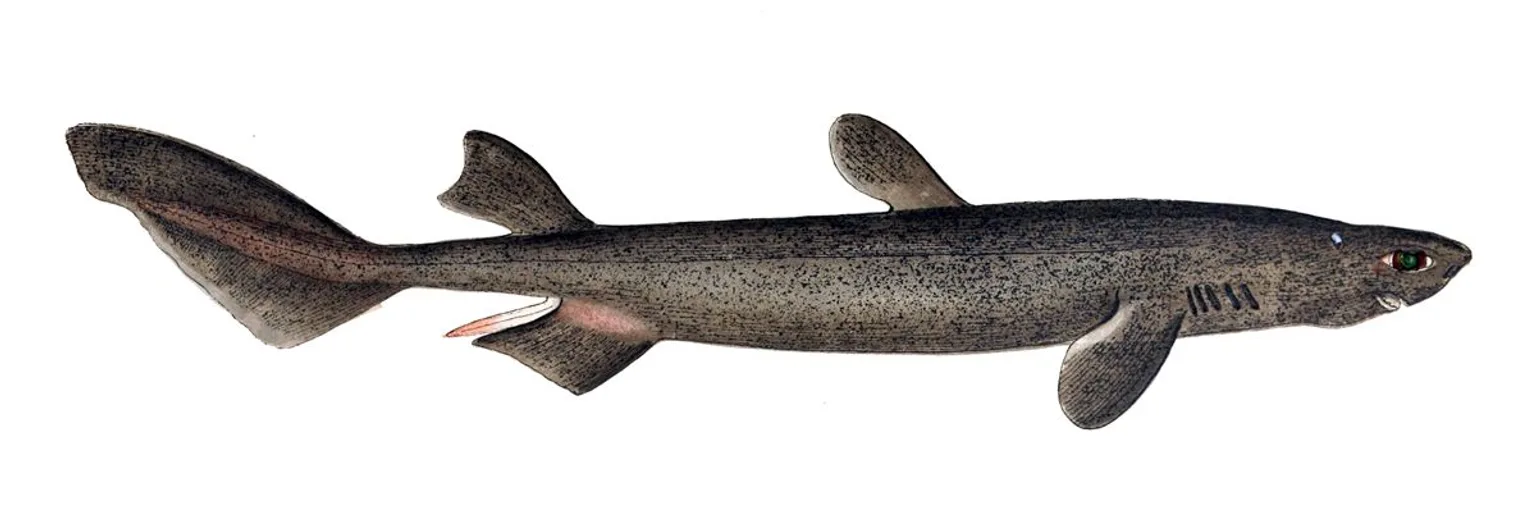
The discovery of the kitefin shark and two lanternshark species, capable of producing their own light in the ocean's twilight zone, underscores the vast, unexplored biodiversity thriving in the deep sea and challenges our understanding of life in extreme environments.
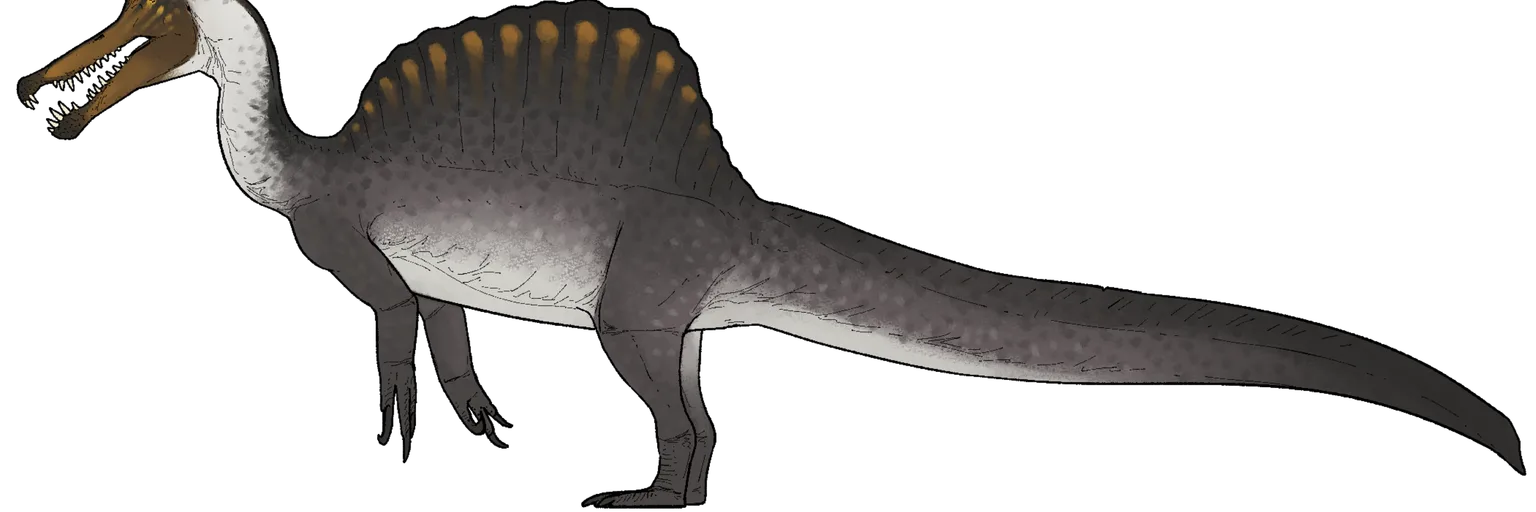
The discovery of *Spinosaurus mirabilis* in the Sahara not only unveils a stunning new predator but profoundly reshapes our understanding of ancient ecosystems and the life of spinosaurids.
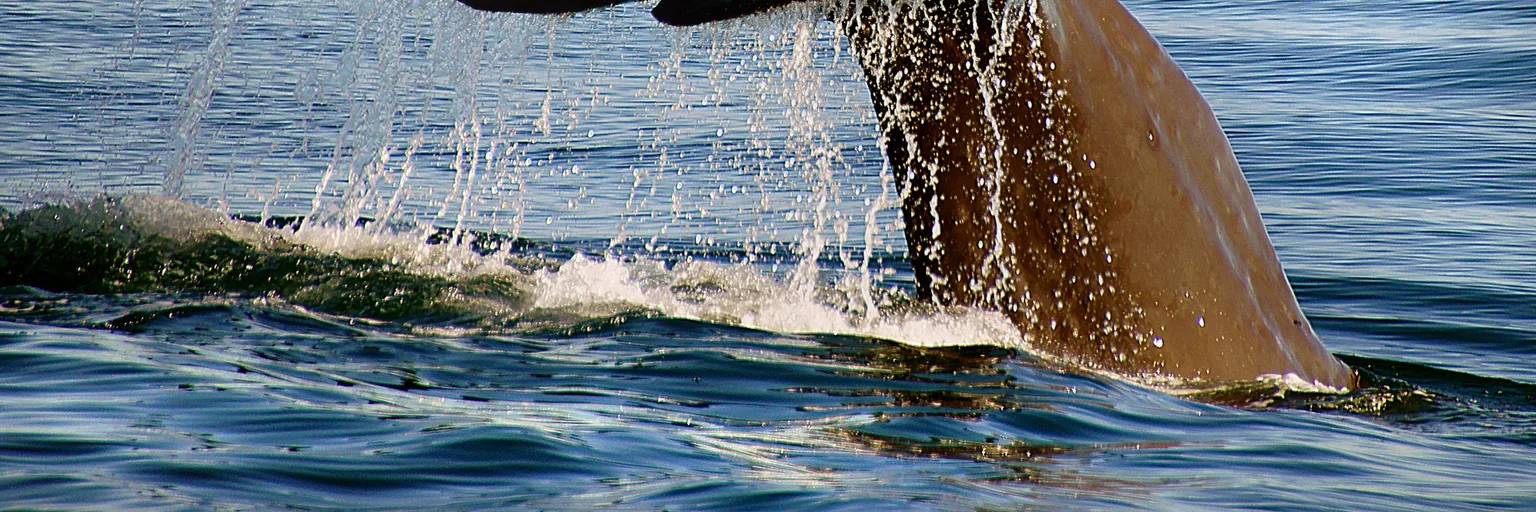
The latest breakthroughs in deciphering sperm whale communication are not merely a scientific curiosity but a profound re-evaluation of animal cognition and our place in the natural world.
The high-stakes competition between NASA and China to bring Martian samples to Earth is reshaping space exploration, accelerating our quest to understand the Red Planet's secrets.
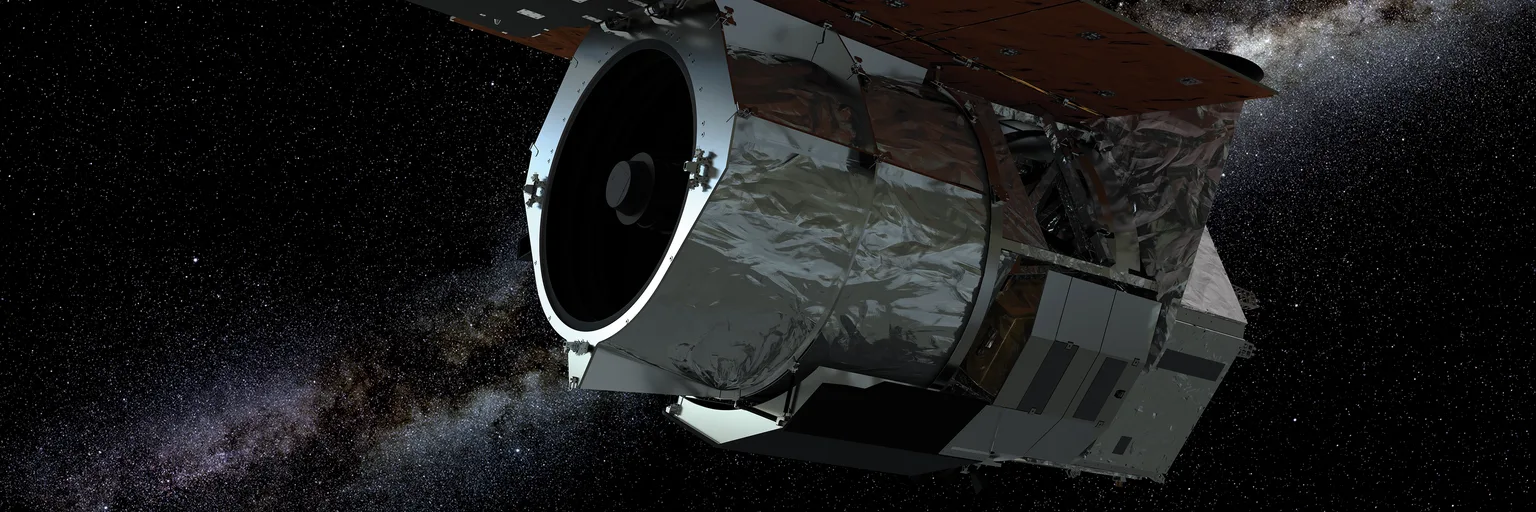
NASA's Nancy Grace Roman Space Telescope, with its wide-field infrared vision and powerful instruments, promises profound insights into dark energy, exoplanets, and the universe's structure.