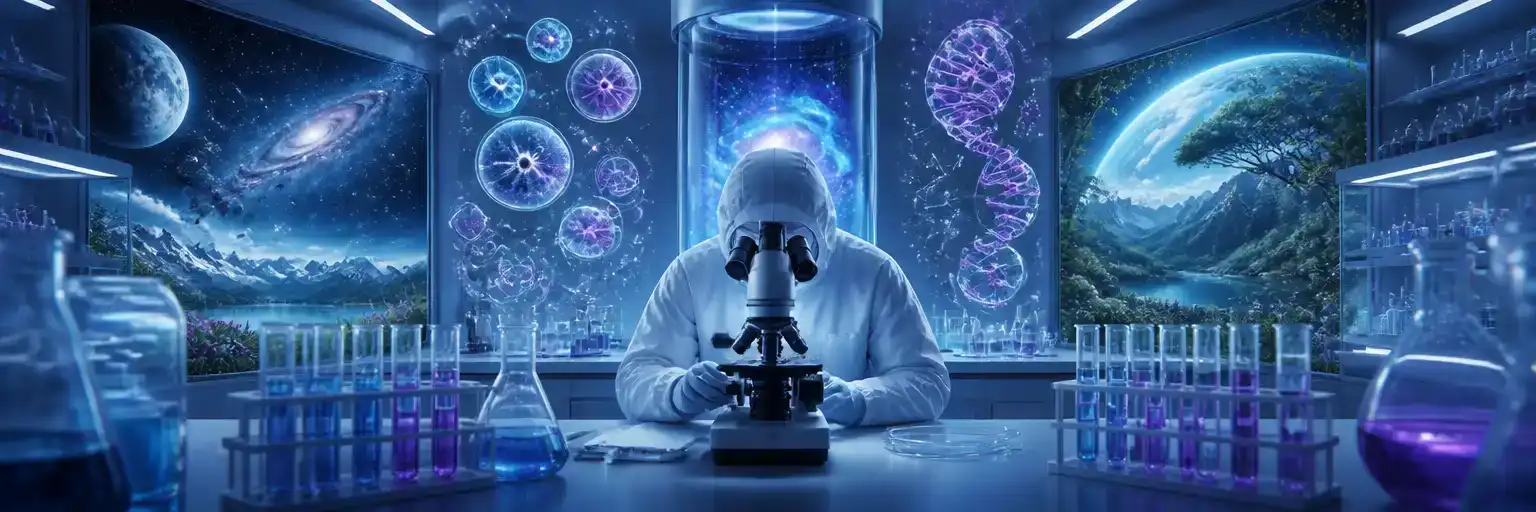
Plastic-to-levodopa is clever biology, not circularity solved
Engineered bacteria can turn PET-derived chemicals into L-DOPA, but the breakthrough still has to prove its cost, safety and scale before it becomes circular manufacturing.
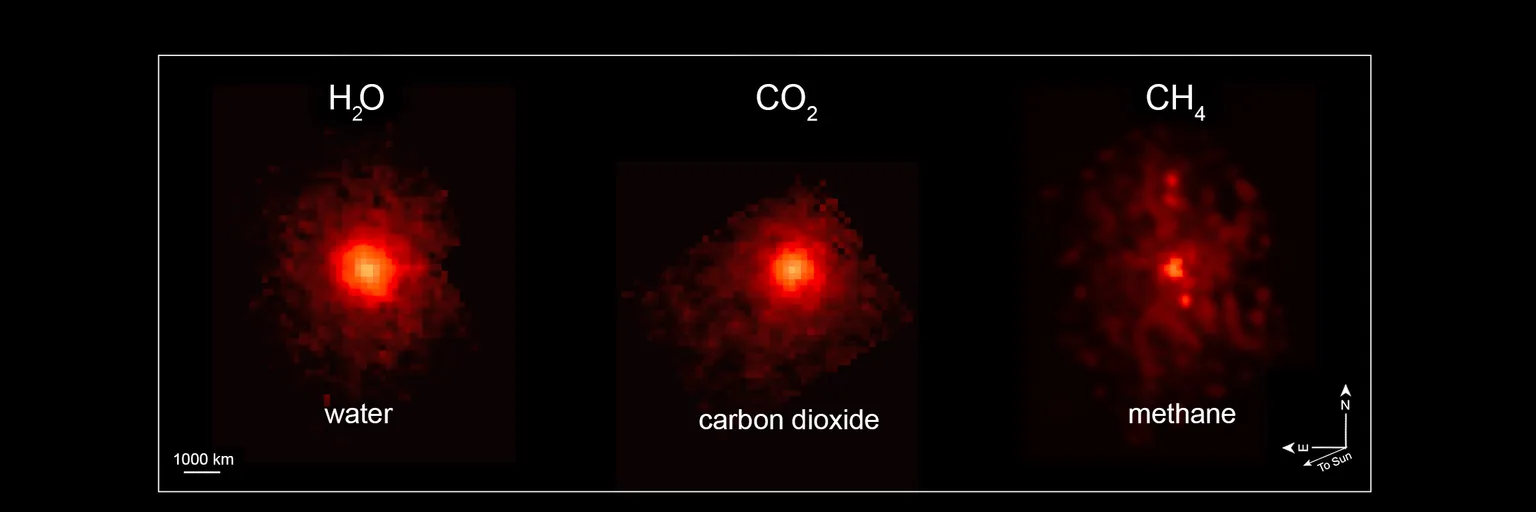
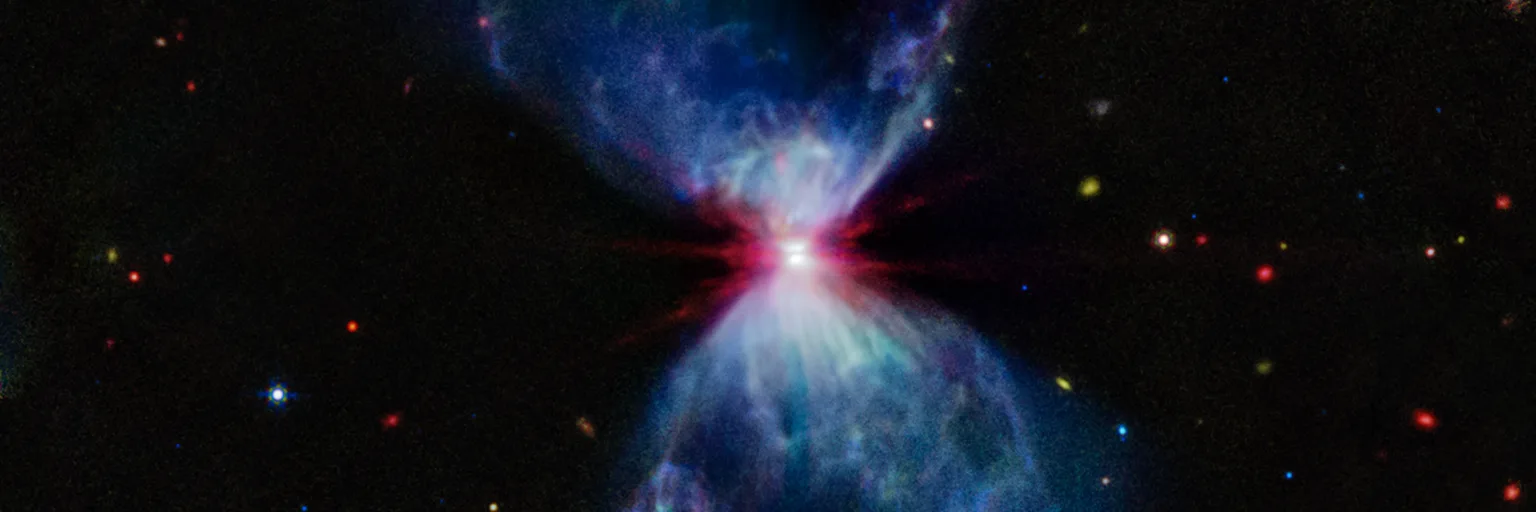
Its changing activity and alien isotope ratios matter because they let scientists test which comet behaviors are universal—and which belong only to our Solar System.
New experiments do not solve superconductivity, but they expose hidden competition that could make the search for its microscopic mechanism far more precise.
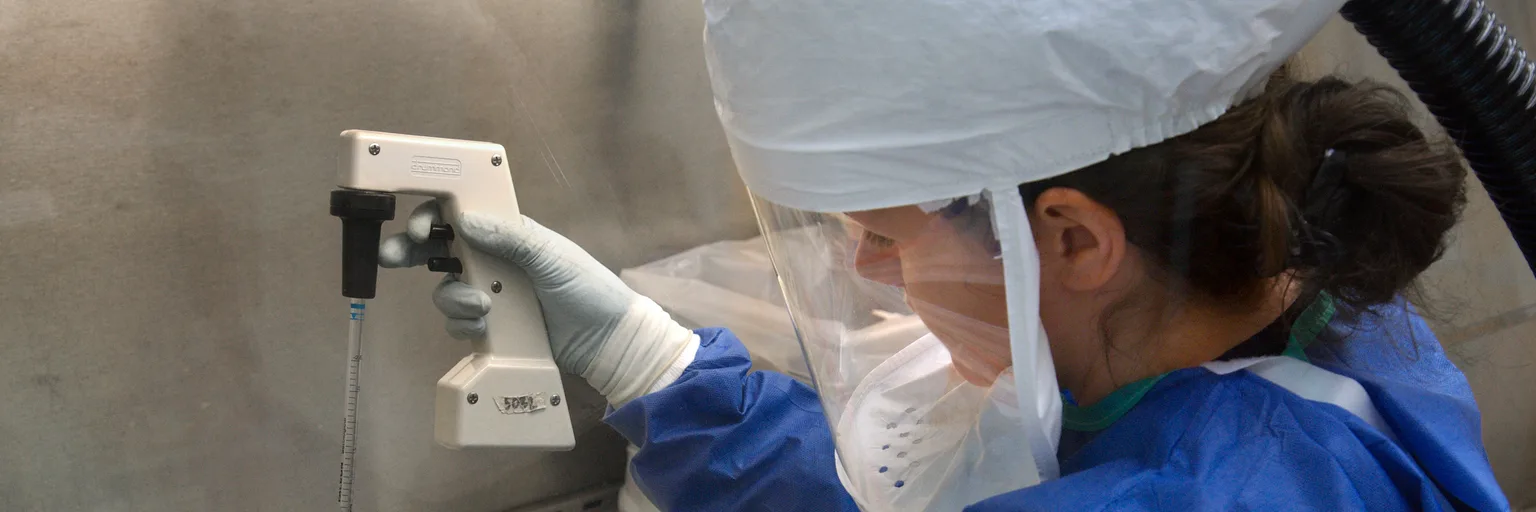
A molecule from researchers in Turin and Pisa appears active against influenza, coronaviruses and RSV in vitro, but laboratory breadth is only the first hurdle.
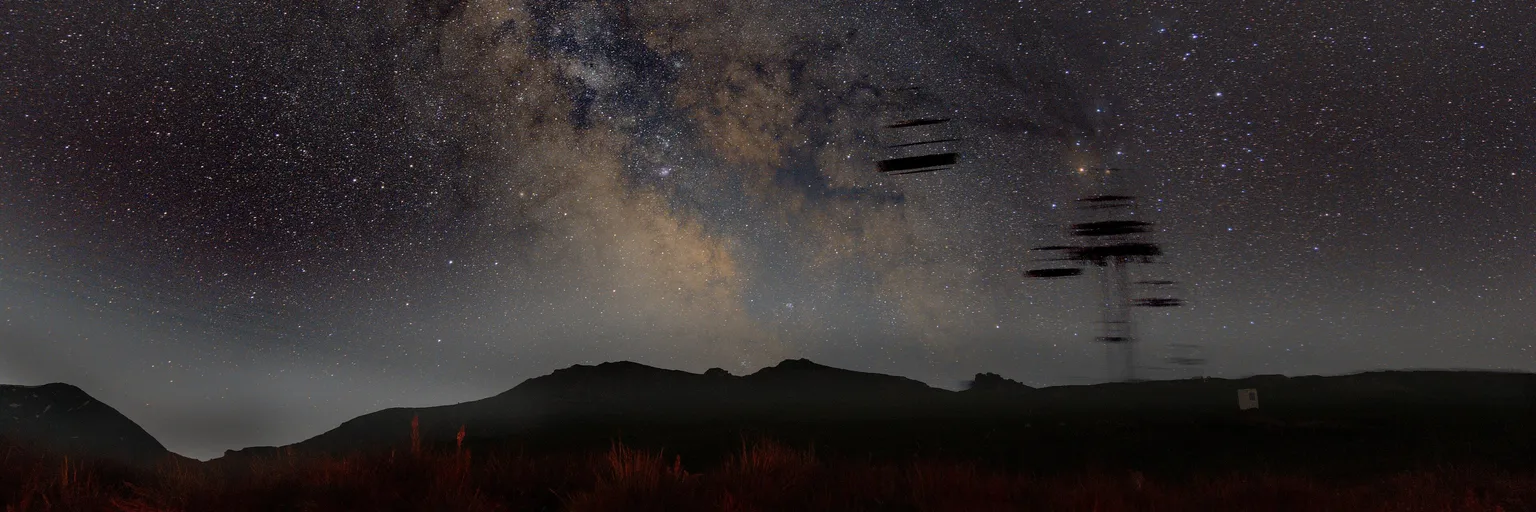
Citizen scientists could turn archival telescope data into a discovery engine, but the real breakthrough will come from validating signals—not merely spotting unusual curves.
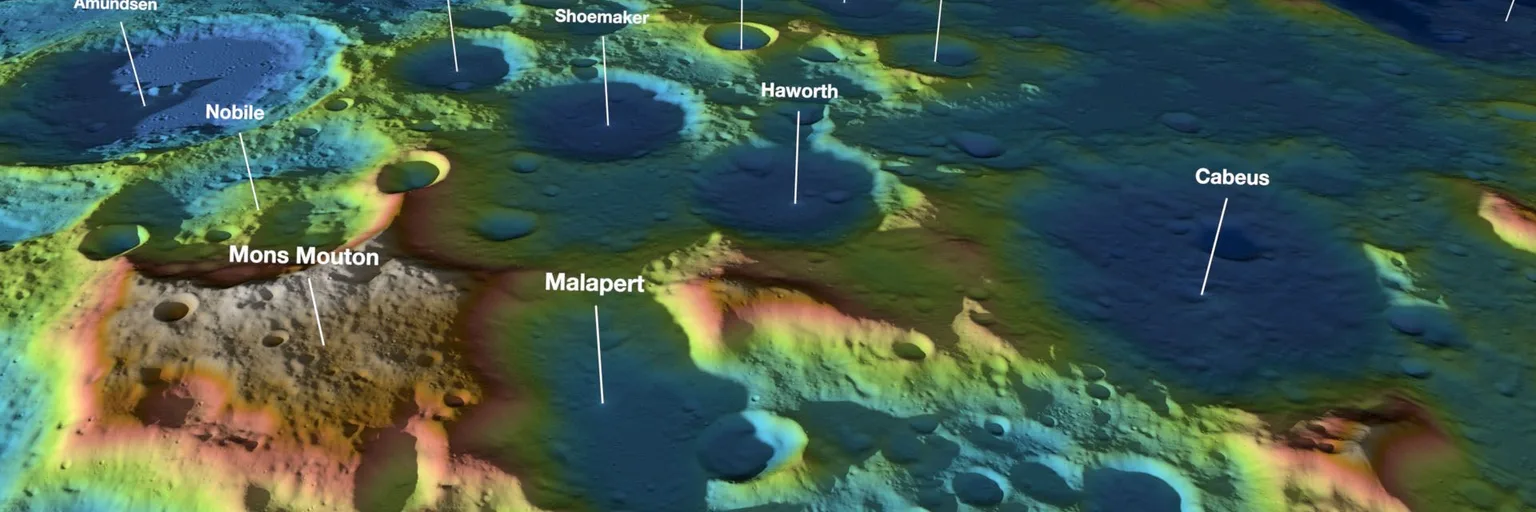
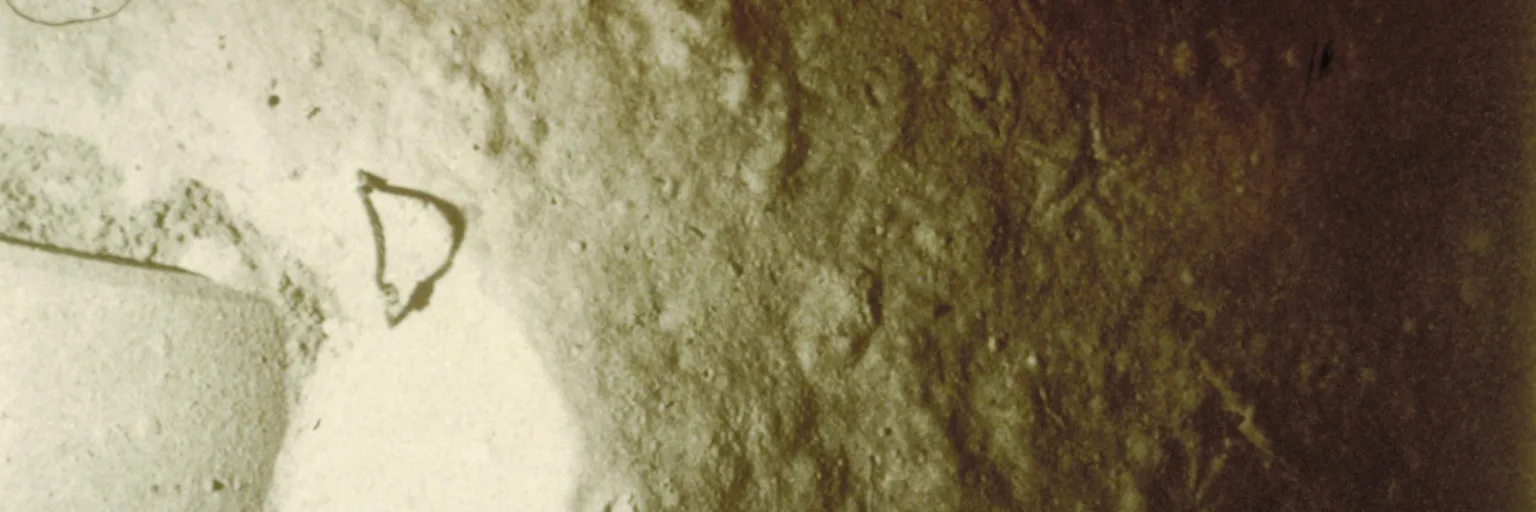
The Moon’s cooling interior is still reshaping its crust, turning faults, moonquakes and landslides into an operational risk Artemis should design around—not discover too late.
A New England Journal of Medicine trial strengthens immune-targeted treatment, but the hard part is turning fewer toxic drugs into an accessible standard of care.
A new helium measurement narrows the margin of error to 0.5%, turning the Universe’s first five minutes into a demanding test of cosmology and particle physics.
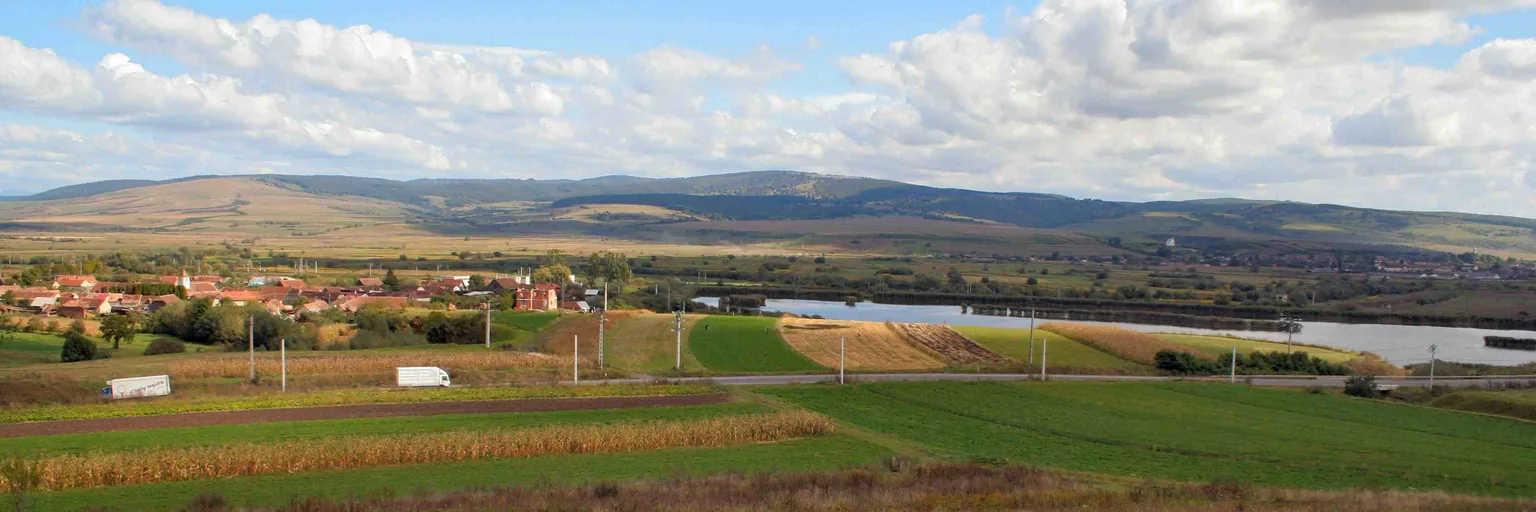
A 6,500-year-old female clay figurine from Transylvania is a valuable discovery, but its meaning remains open until archaeologists document more of its context.
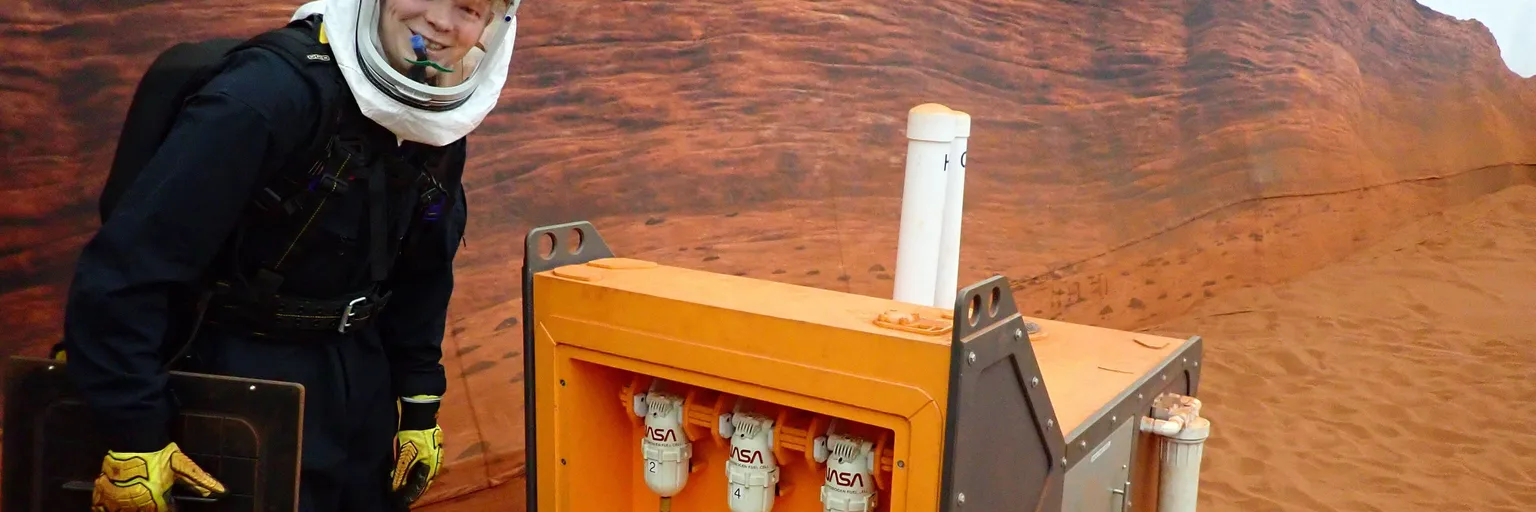
NASA’s year-long Mars simulation shows that survival will depend not only on hardware, but on food, communication, autonomy and the psychology of isolation.
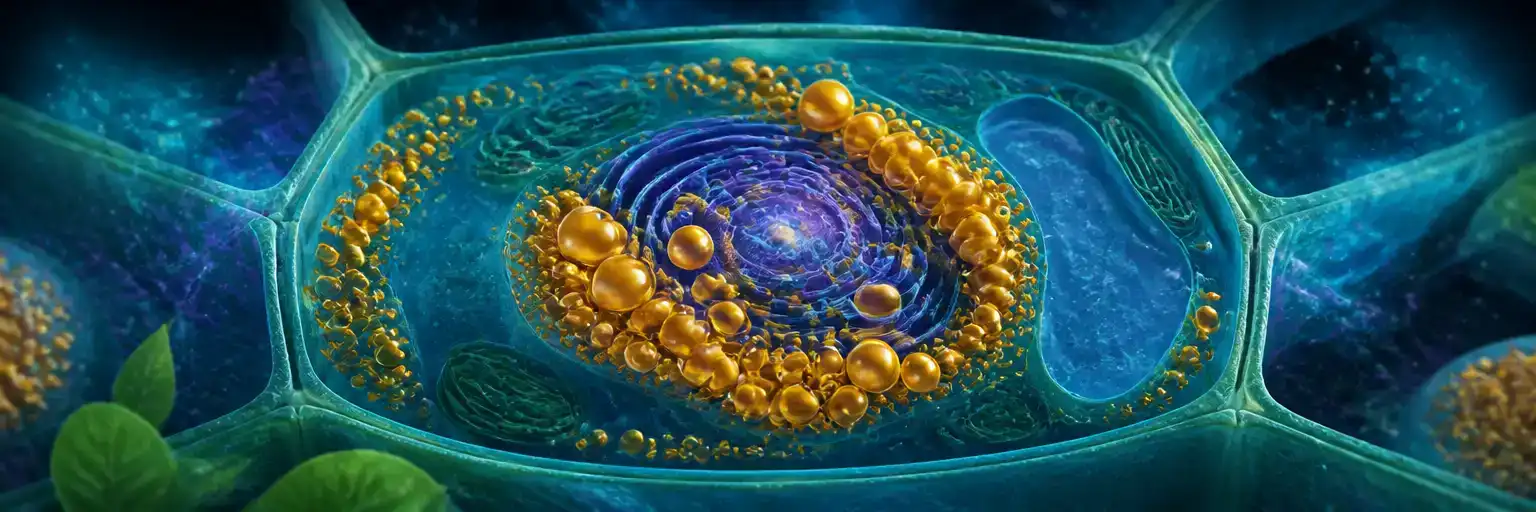
A study of Turnip mosaic virus shows how it hijacks plant lipid droplets, revealing a vulnerable part of infection without promising an instant agricultural cure.
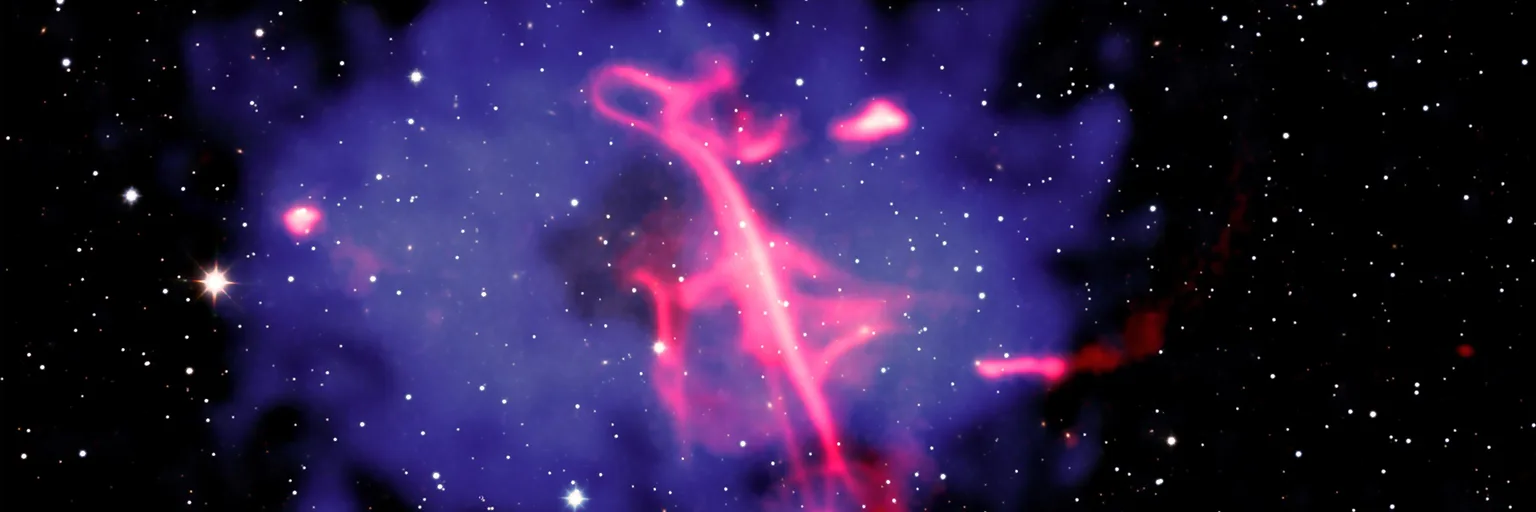
A vast radio structure resembles a musical symbol, but its real value is showing how familiar patterns can open a door to violent, complex astrophysics.
The discovery of leaking radioactive barrels in the Atlantic is a stark reminder of past environmental complacency, demanding urgent international action beyond mere monitoring.
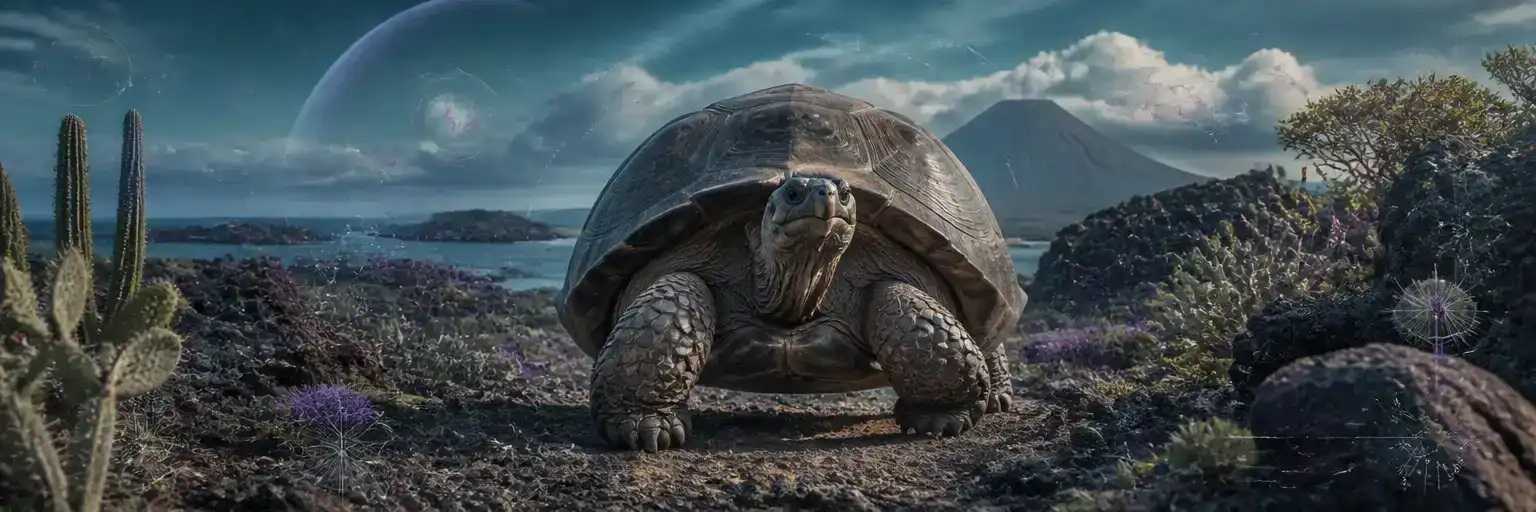
The rediscovery of the Fernandina giant tortoise, long thought extinct, is a powerful reminder of nature's resilience and the critical importance of persistent conservation efforts in unexpected places.
A novel injectable drug that eliminates fat cells rather than merely shrinking them promises a targeted approach to reducing dangerous visceral fat, potentially revolutionizing long-term obesity treatment.
A research team has detected fully deuterated methanol in space, an 'alcohol' whose surprising abundance around a protostar defies current chemical models and offers new clues to stellar evolution.
New research upends the long-held belief that ovaries become dormant after menopause, revealing their continued, dynamic activity could reshape our understanding of women's health and aging.
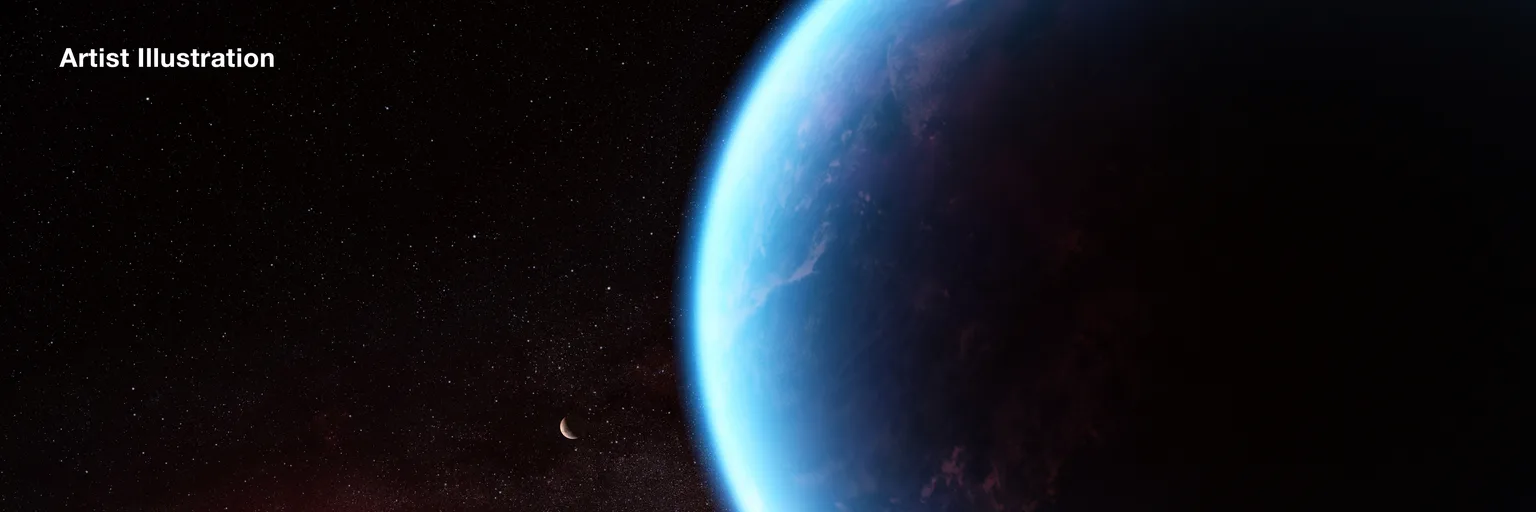
A groundbreaking study suggests that moons orbiting starless rogue planets could harbor liquid water for billions of years, radically expanding our search for extraterrestrial life.
A skull fragment, overlooked for a century in London's Natural History Museum, unveils *Invictibellatrix amberina*, Europe's first known Megaraptor, profoundly reshaping our understanding of Cretaceous predators and the enduring value of museum collections.
Professor Michele Carbone's Szent-Györgyi Prize for his mesothelioma discoveries underscores the profound impact of genetics and the indispensable role of cross-cultural scientific collaboration in transforming public health.