Curisfera Newsroom
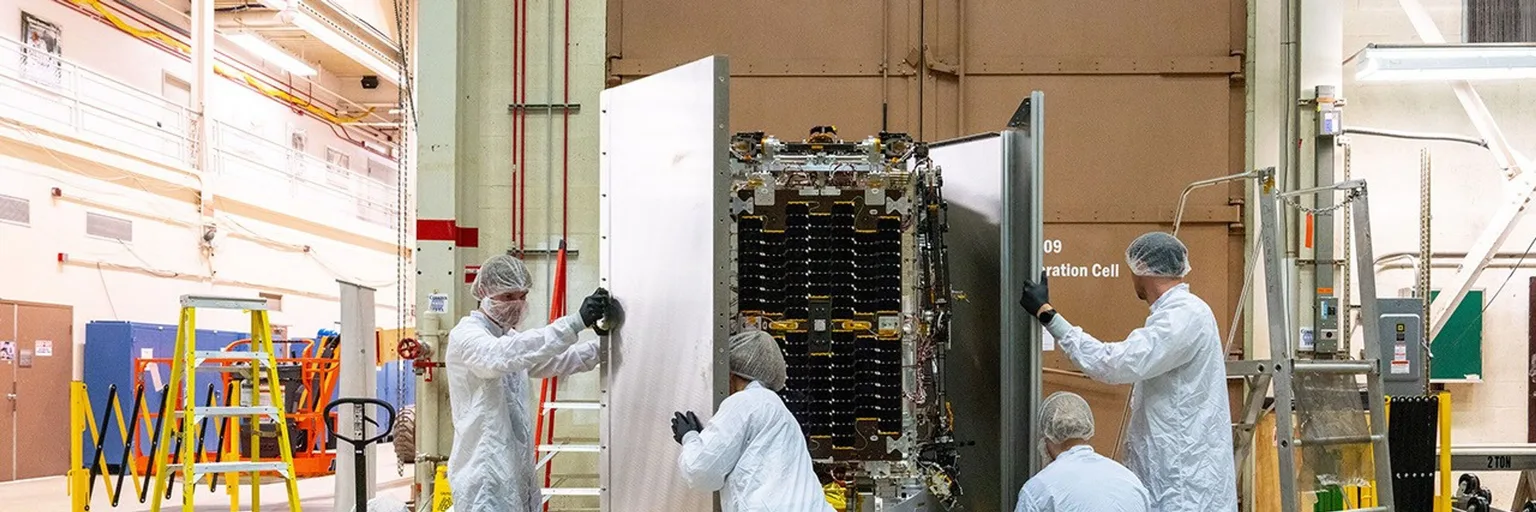
Swift's fall shows satellite rescue can't be improvised
A telescope that outlived its two-year mission more than tenfold fell after its rescuer failed. Servicing has to be designed in before a satellite is dying.
A telescope that outlived its two-year mission more than tenfold fell after its rescuer failed. Servicing has to be designed in before a satellite is dying.
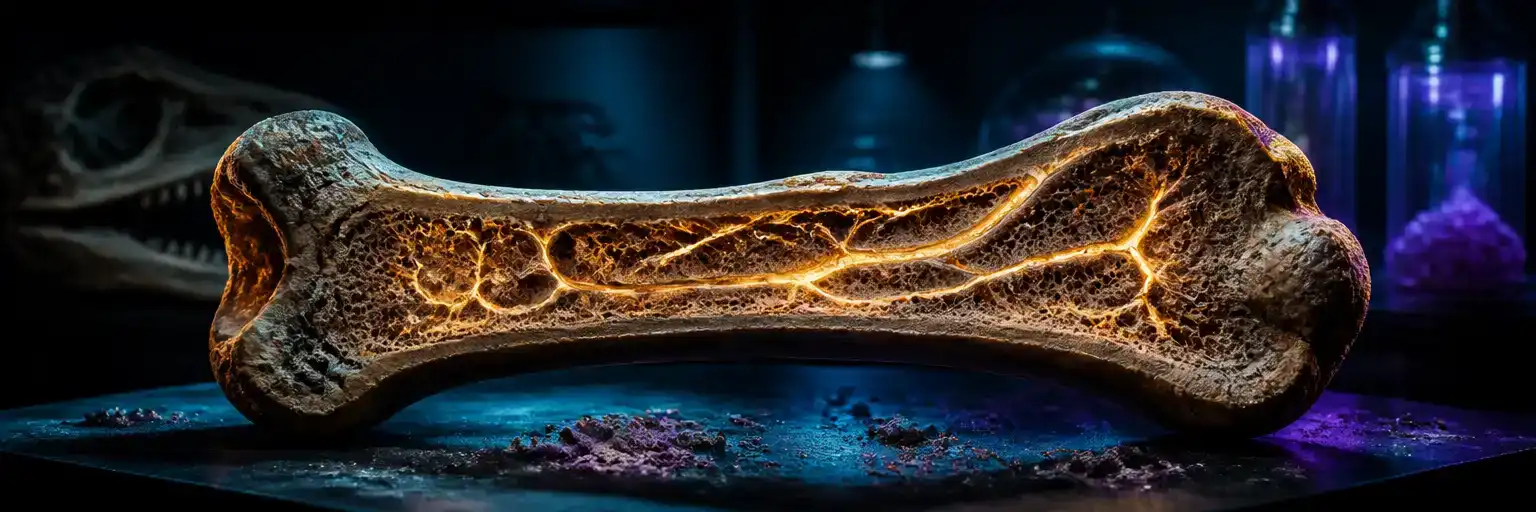
A 115-million-year-old bone from Brazil may hold red blood cells and heme. The result is strong, but the real test starts now, with replication and contamination checks.
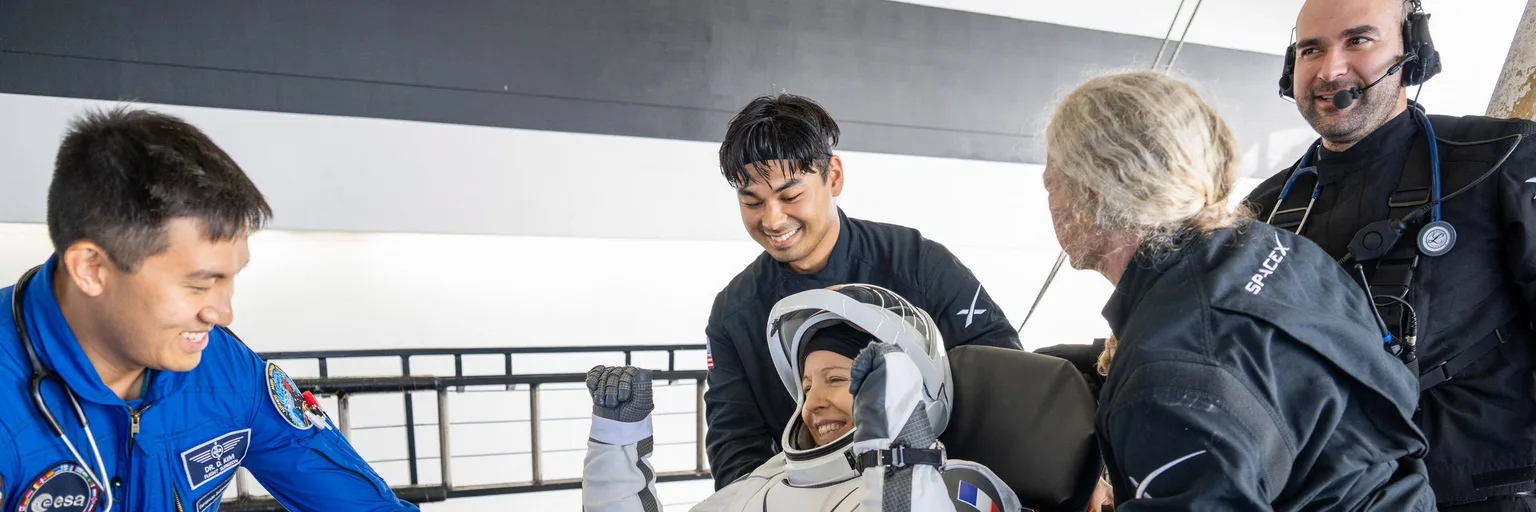
Saying a long mission ages astronauts by a decade is a catchy line, but it blurs reversible adaptation with true aging. The real stakes are Mars planning, not fear.
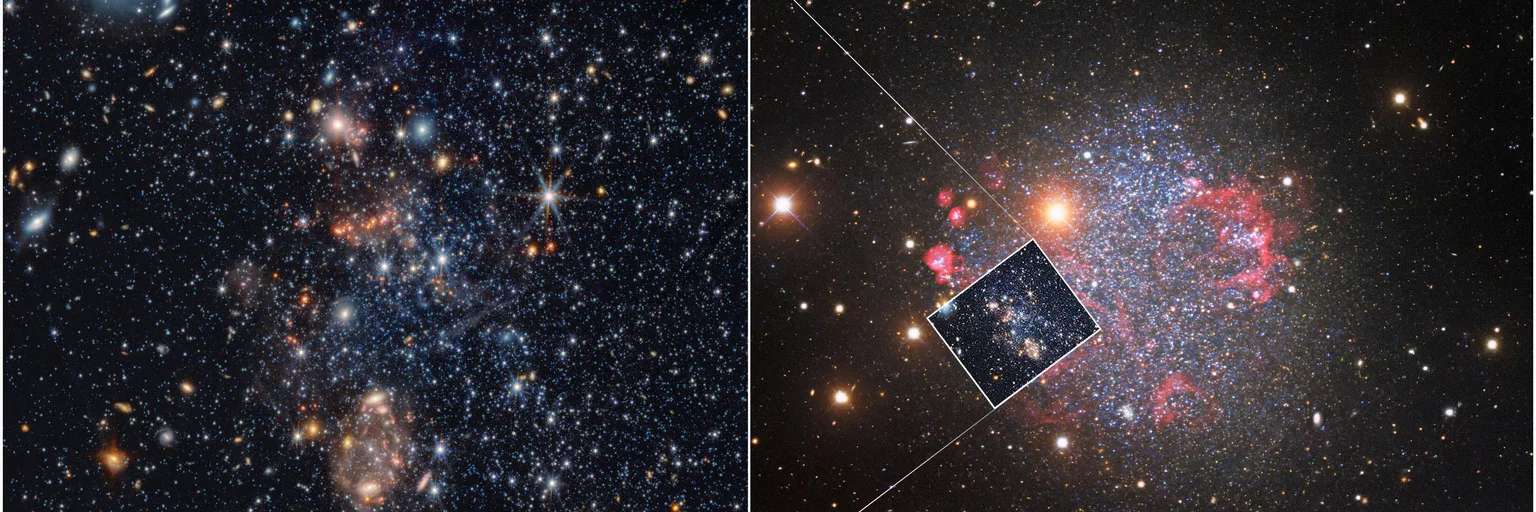
Webb caught metal-poor stars making dust in a nearby dwarf galaxy. That's a real step for cosmic chemistry, but it stands in for the early universe rather than showing it.
Aggressive cells hiding in pediatric tumors labeled lower-risk show how incomplete our cancer maps are. It's a real research step, but not yet a change in treatment.
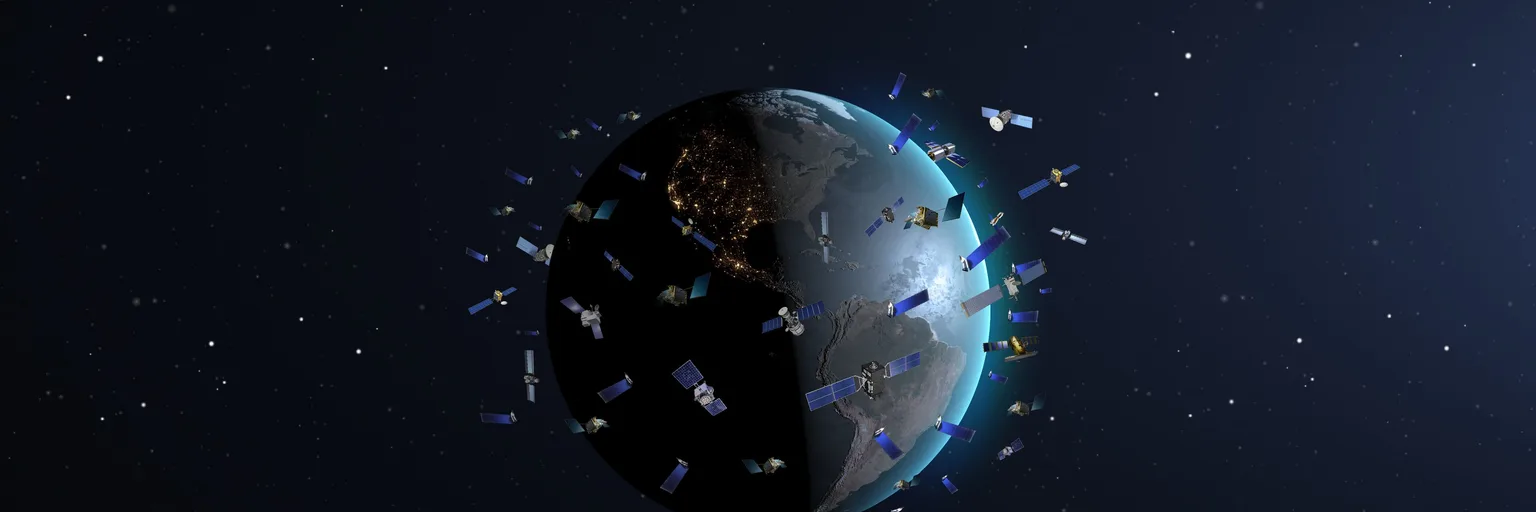
The Pentagon's report on a Russian nuclear satellite matters less as a treaty scandal than as a stress test of how much of daily life hangs on fragile orbital hardware.
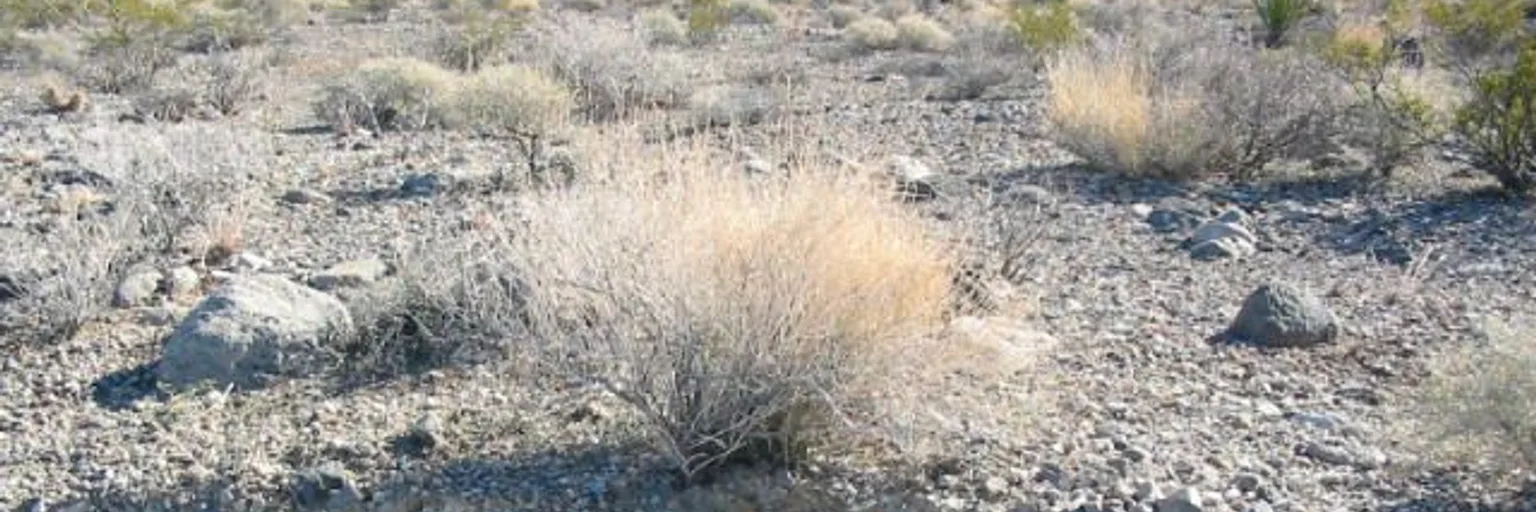
A mineral carbon cycle in the Mojave suggests our carbon books may be missing parts of the arid world, a reason to measure drylands properly, not to hope they bail us out.
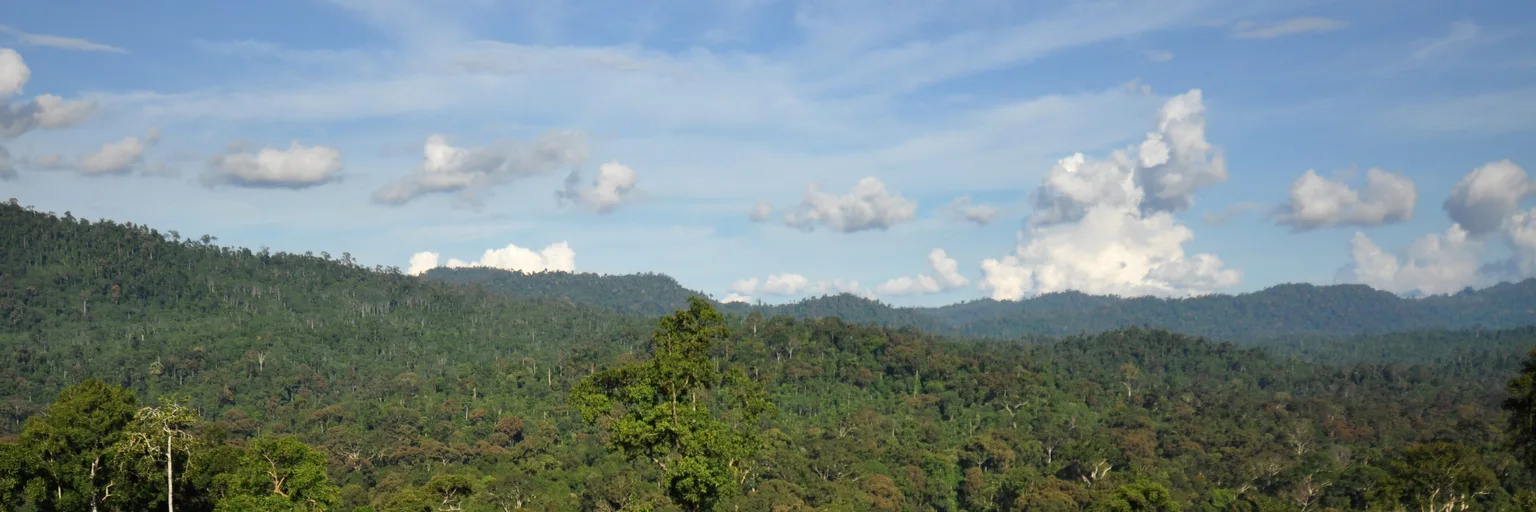
Australia's slow crash into Asia helped fill Southeast Asia's forests with species, but new amber fossils suggest the story starts much earlier and is messier than a collision.
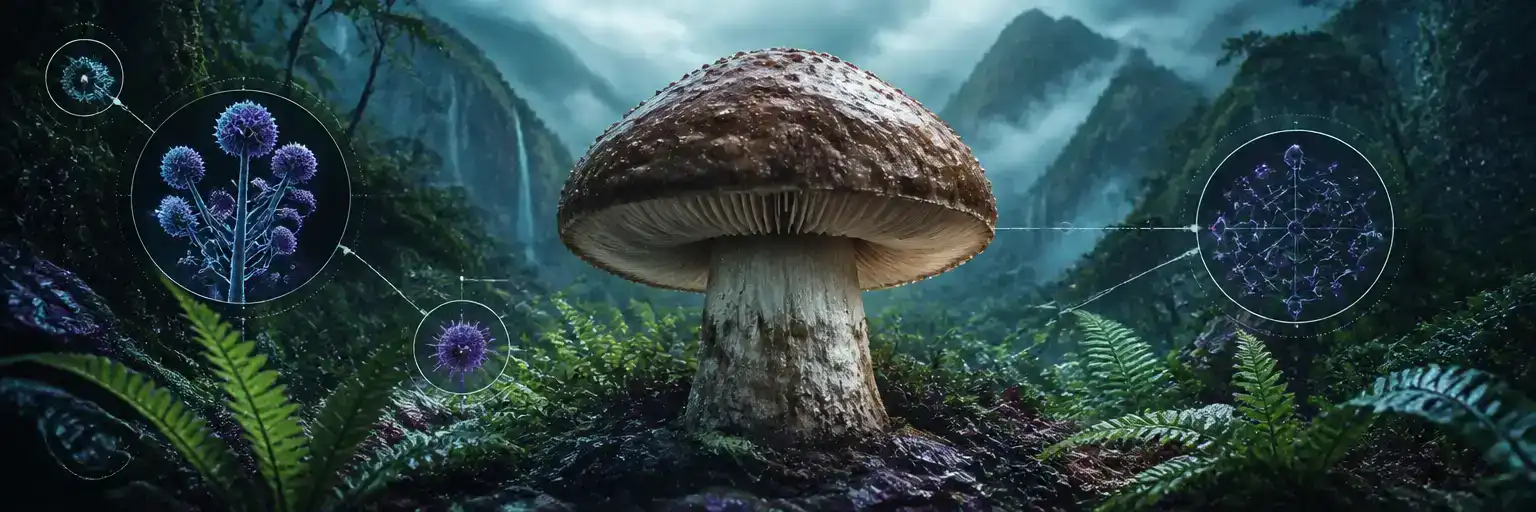
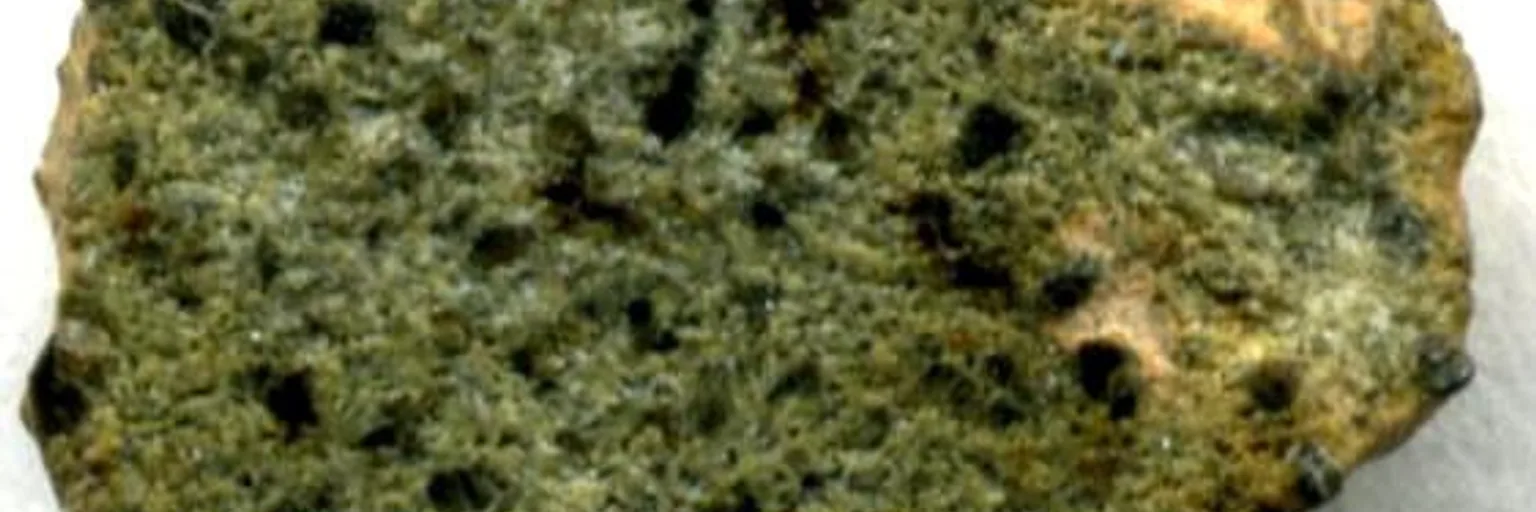
A 2.2-kilo fungus from Yunnan is being sold as a relic of the dinosaur age. The coverage says something different, and the gap is the real story.
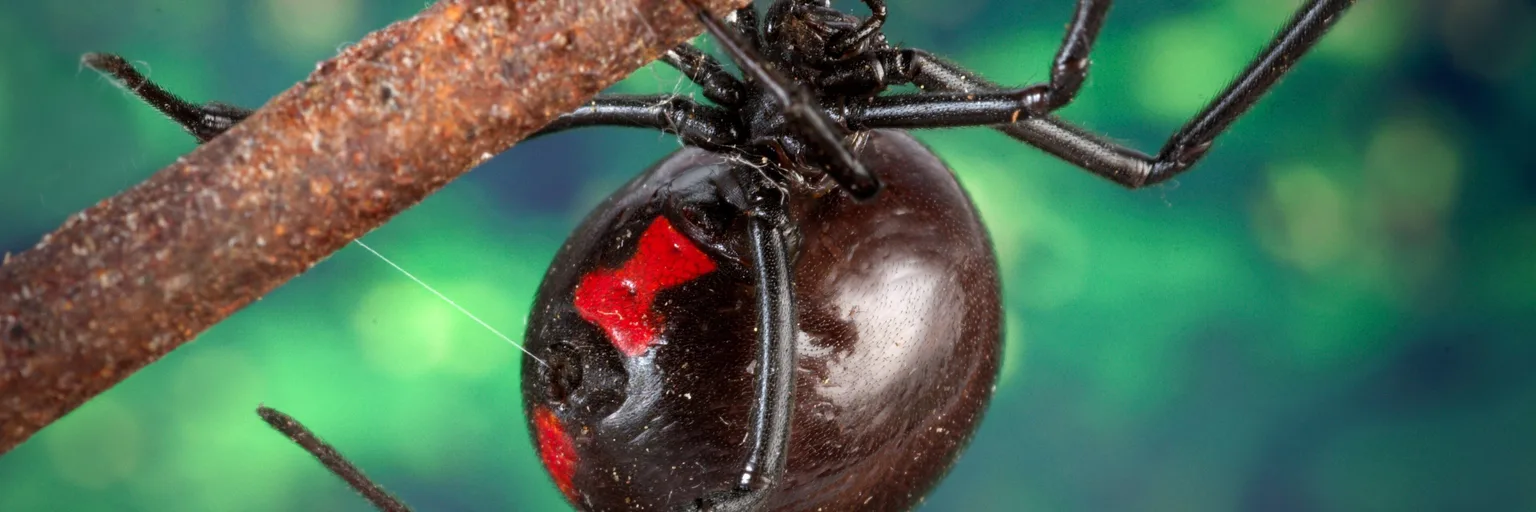
Researchers say they've seen how black widows turn liquid into a fiber stronger than Kevlar. It's promising science, but scale-up evidence, not headlines, will decide whether it matters.
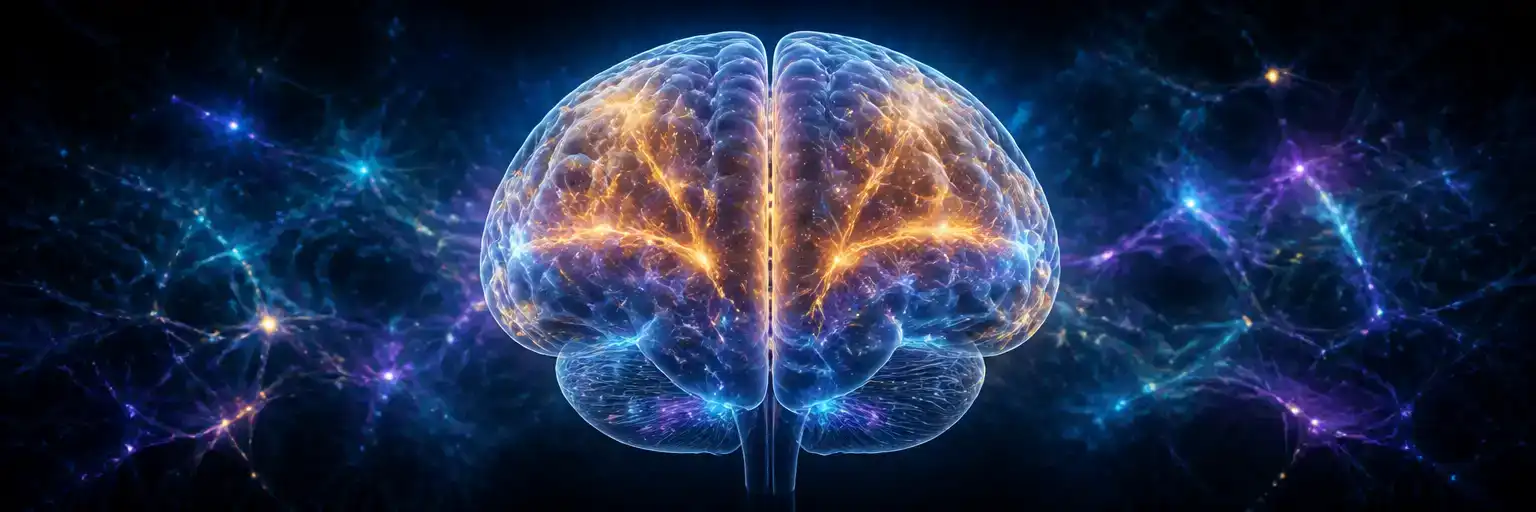
A Stanford-led study says the brain grows from two distinct cell lineages. It's a fascinating hypothesis about evolution, not a reason to tear up how we understand the brain.
A preprint says the brain alternates between conscious and suppressed signals about 15 times a second. Fascinating, yes, but it doesn't mean you are half-unconscious.
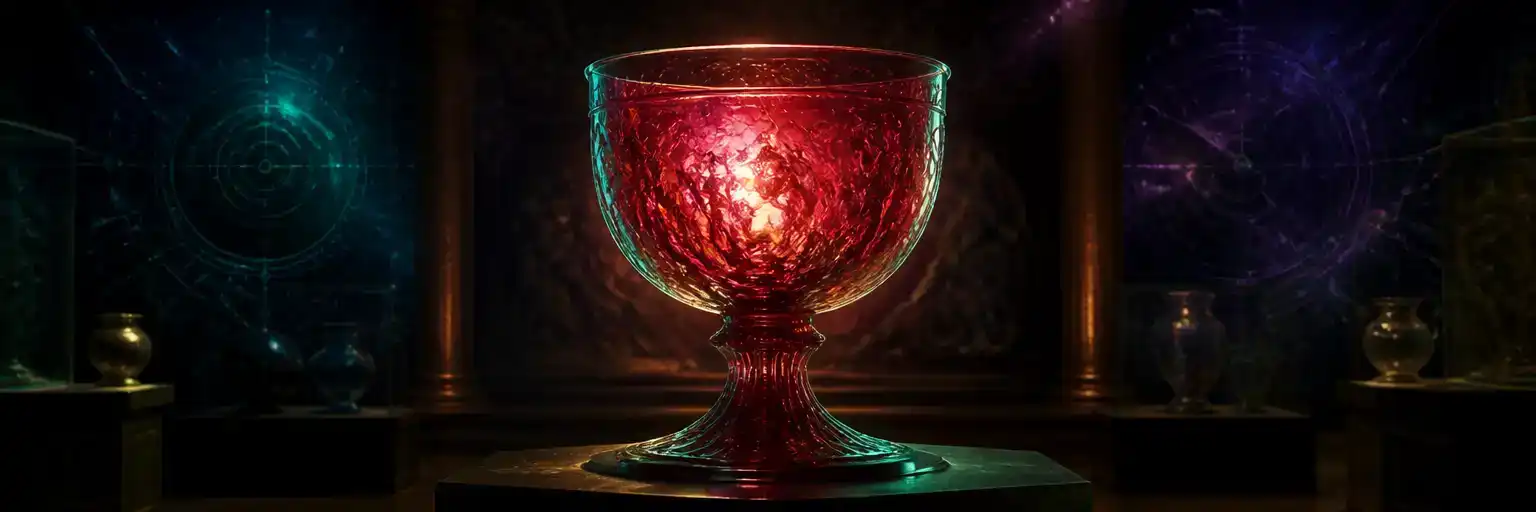
A Sheffield team has reproduced the Lycurgus Cup's color-shifting glass. The real lesson isn't that Romans were secret nanoscientists, but that craft knowledge can outrun theory.
A 4.1-billion-year-old meteorite with 13 candidate source sites shows how little a rock's age tells us without its geological setting, and why Mars sample return still matters.
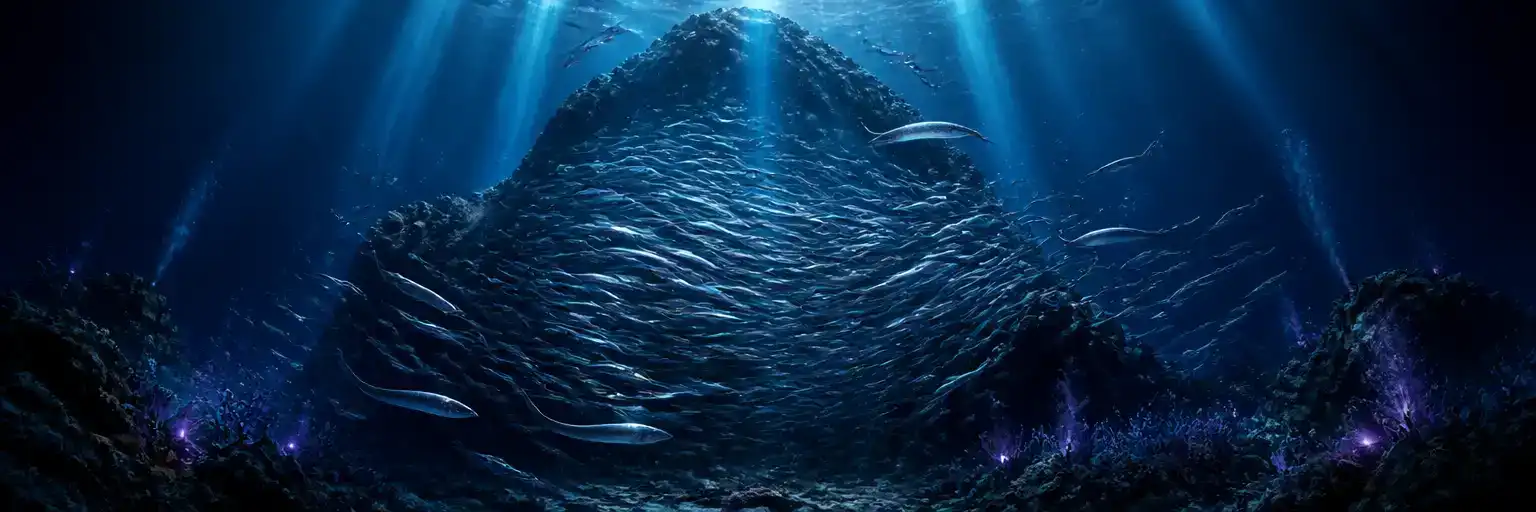
A single undersea peak off Tasmania hosts a swarm of millions of deep-sea eels nobody had counted. It's a warning to map the deep before anyone thinks about exploiting it.
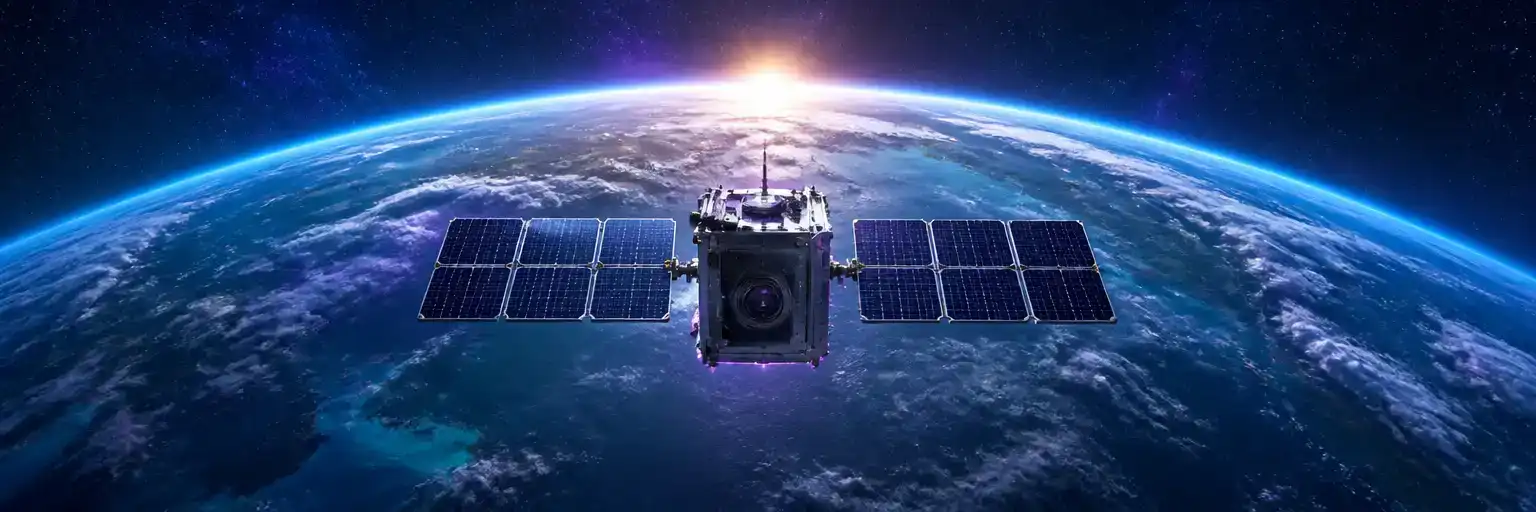
A satellite wrote a haiku with a Google TPU. Charming, but the real test of orbital AI is radiation, heat and economics, and none of that has been proven yet.
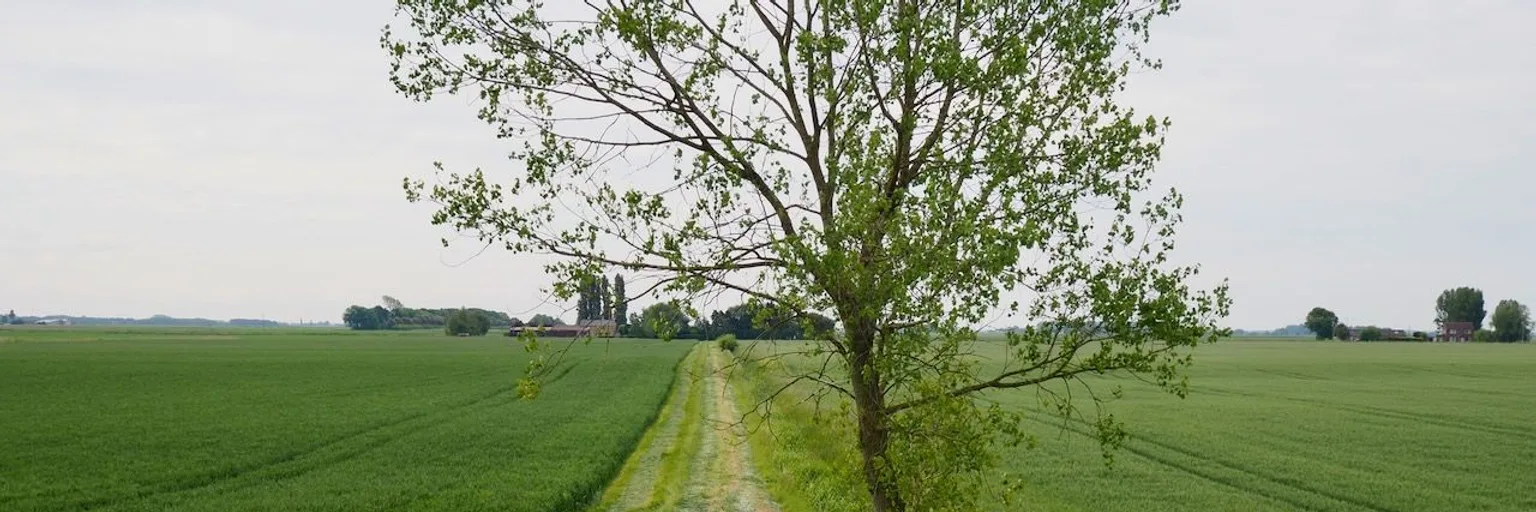
A French study of young poplars suggests trees sense their own shape and correct it with opposing wood, a reminder that plants are far more active than we assume.
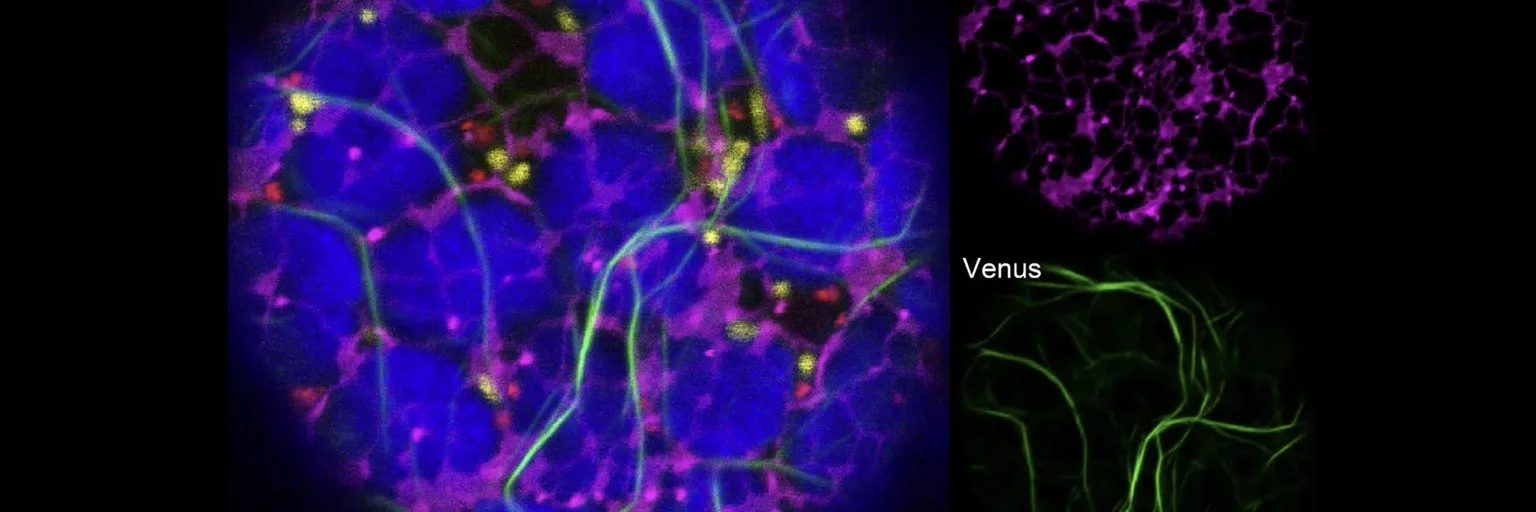
Filming the inside of a living cell in 3D turns biology from a photo album into cinema, as long as we can prove the camera doesn't change the plot.
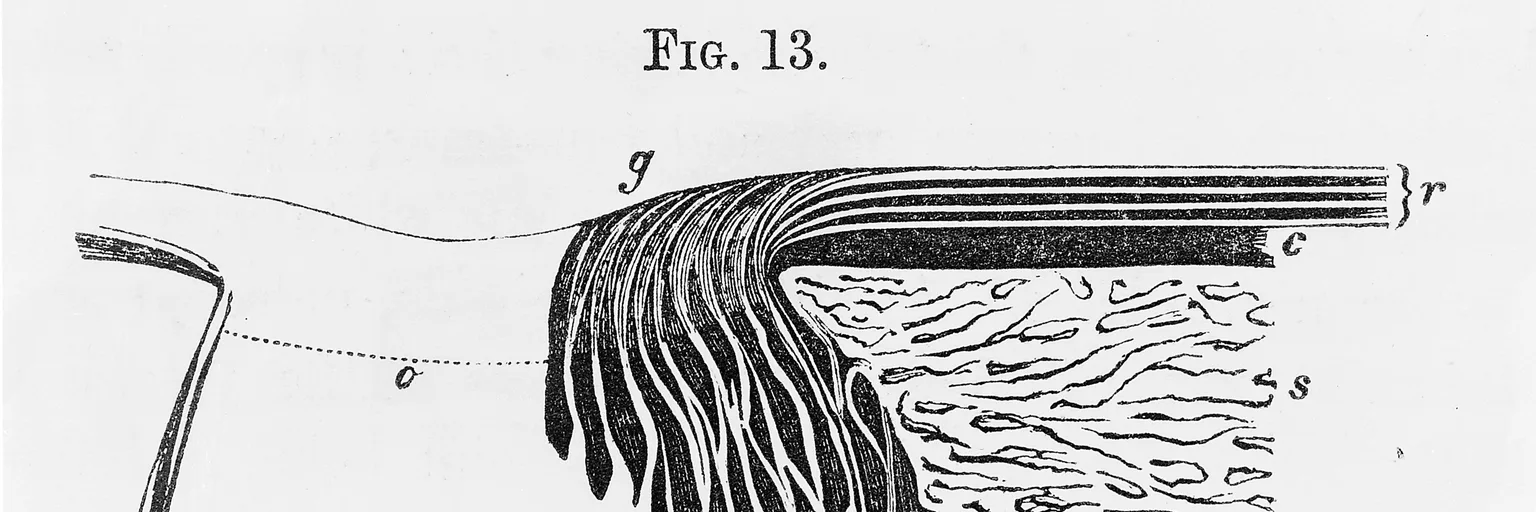
A Johns Hopkins study on how sharp vision is built before birth reminds us how much we still don't know about the eye, and why it shouldn't be sold as a pill.
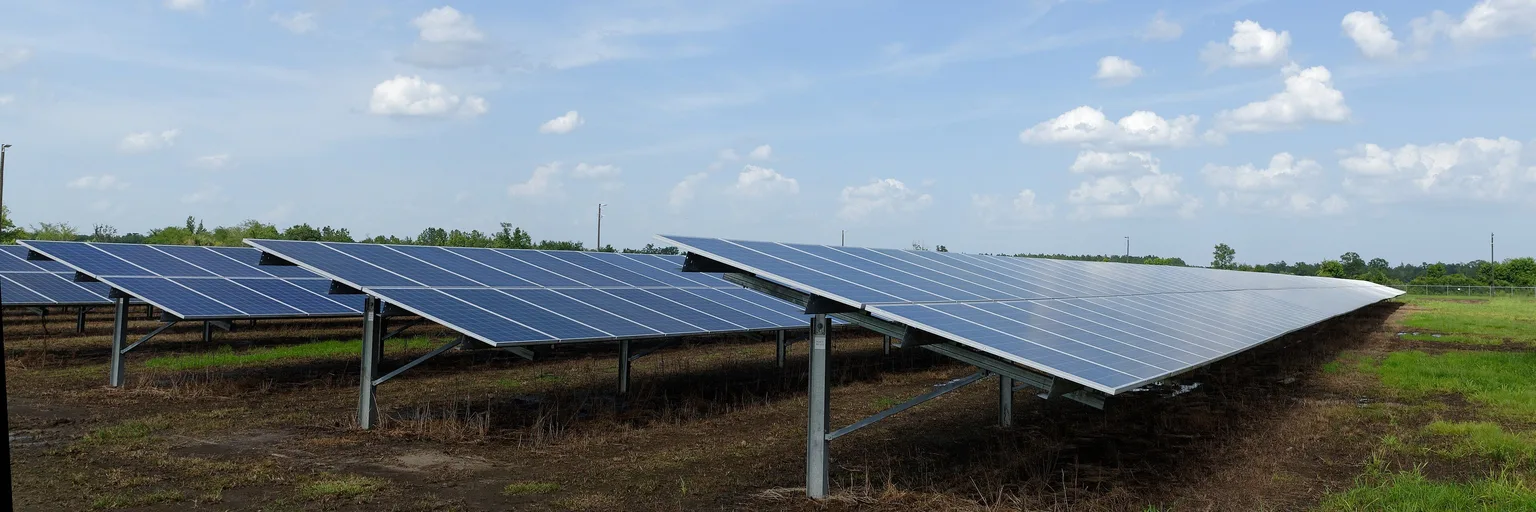
Headlines on solar parks and birds point in opposite directions. Rather than pick a slogan, we should demand that habitat be part of how solar farms are planned.