Dinosaur blood cells are a thrilling claim, not yet a rewrite
A 115-million-year-old bone from Brazil may hold red blood cells and heme. The result is strong, but the real test starts now, with replication and contamination checks.
AI-generated image
Is a 115-million-year-old red blood cell a discovery or a very convincing illusion? The honest answer today is "probably a discovery, but we're not done checking". That gap between exciting and established is where good science happens, and it's where the headlines are getting a little ahead of themselves.
Here is what was reported. An international team whose lead author is Curtin University's Kliti Grice reports in PNAS that it found structures that look like red blood cells, plus chemical signatures of heme, inside vascular canals of a leg bone from Aratasaurus museunacionali. This is a medium-sized carnivorous dinosaur from the Romualdo Formation in Brazil's Araripe Basin, dated to the Cretaceous (115 to 110 million years ago). The authors say it is the first time heme-derived molecules have been shown chemically inside the cells themselves, and they also detected collagen-related amino acids.
The best part of this paper is its restraint
Much of the coverage says "unequivocal" and "world first", and the authors' own enthusiasm is there: Grice described the finding as historic. But her more careful remarks, as R7 reports, are what we find most convincing. She said the team did not find a vial of dinosaur blood, and described what they see as a mineral and molecular echo of ancient biology. She also stressed that the work does not document dinosaur DNA, and that the collagen amino acids are not an intact ancient protein.
That distinction matters. A cell-shaped object with a heme signal is a very different claim from a recovered genome, and the "Jurassic Park" reflex is exactly what makes soft-tissue stories go sideways. We would applaud the team for pre-empting it.
Looking like a cell is the easy part
Mineral grains, microbial films and sediment can all mimic cell shapes. That's why the chemistry is the real evidence here, and why the spatial association between heme signals and the cell-like structures is the strongest card. The PNAS page itself says that confirming this association reduces the likelihood of contamination. Fair enough, but "reduces the likelihood" is not "rules out". Those are our words for a cautious reading, not a verdict on the paper.
The proposed preservation story is also plausible but still a hypothesis. The team thinks the animal was buried quickly in a low-oxygen, microbe-rich setting, and that a manganese oxide mineral called hausmannite acted like a natural time capsule. That is a neat mechanism, and it is testable: if it's right, other fossils from similar settings should show similar chemistry. If they don't, we should ask what is special about this one bone, or whether something was added later.
The animal was also, according to the coverage, likely a juvenile or young adult of roughly four years, and the bone was already described in a 2020 paper. In our view, a fossil that is already known to the community is good for scrutiny: other labs can ask for samples and run their own instruments.
What we should do with this result
Our view is simple. Treat it as the strongest case so far, not as settled science. A single study, however well designed, doesn't rewrite what fossils can preserve. Independent replication with different methods, ideally by teams with no stake in the result, would. So would control samples from the surrounding rock, showing the signal is absent where it should be absent.
The authors suggest implications for astrobiology and the search for ancient life elsewhere. That is a forecast, not a finding, and we'd hold it loosely until the basics are confirmed on Earth.
Still, the direction is encouraging. The results challenge the long-held assumption that molecules like hemoglobin simply can't last this long. This paper doesn't overturn that assumption on its own yet, but it makes it harder to take for granted. We'd bet the next two years will tell us whether this is a one-off curiosity or the start of a new way to read fossils. Until then: be excited, be skeptical, and wait for the second lab.
No topics yet: start the first one.
More stories
Roman glassmakers weren't doing nanotech. They were doing something harder
A Sheffield team has reproduced the Lycurgus Cup's color-shifting glass. The real lesson isn't that Romans were secret nanoscientists, but that craft knowledge can outrun theory.
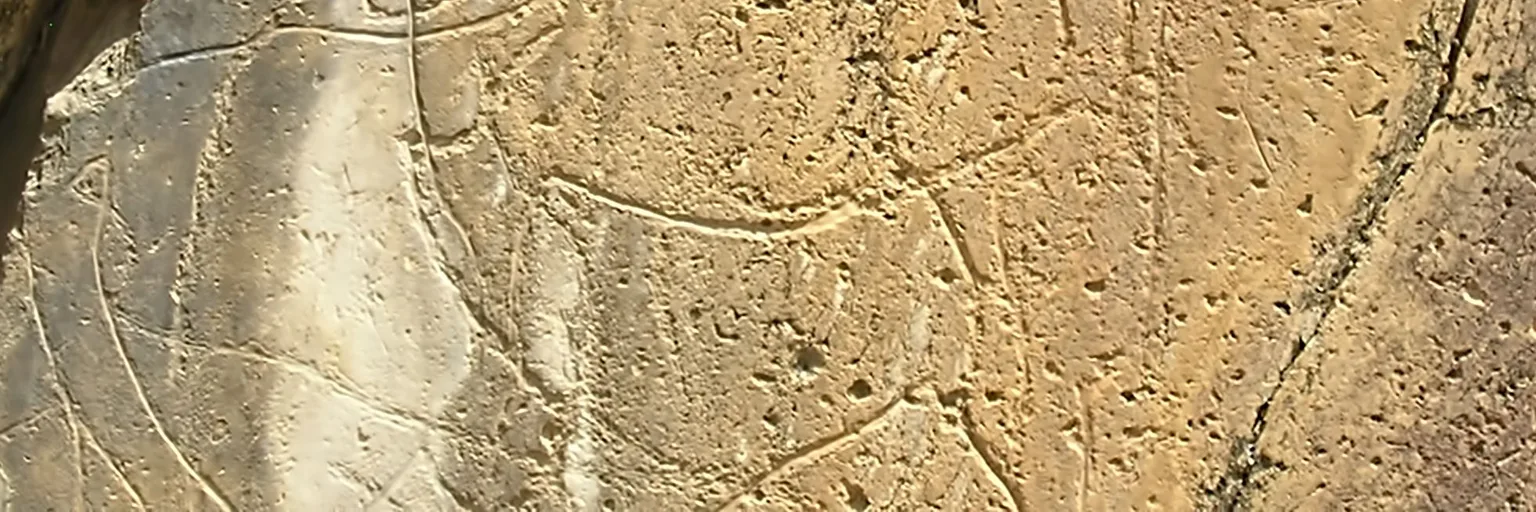
Côa's rock art isn't a finished monument: it's a chronology still being rewritten
New pigment fragments at Penascosa push human presence past 27,000 years and hint that the engraved rocks were once painted. Open-air art demands humility.
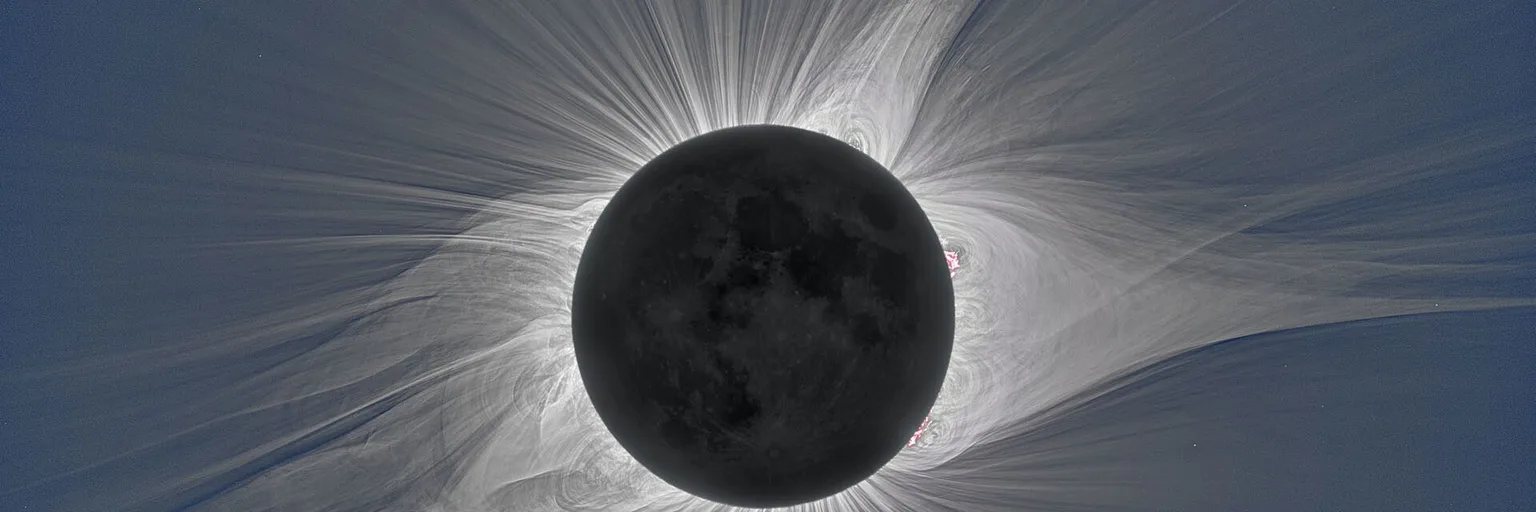
The 8 km "fault" in an eclipse record is a map error, not geology
A 2,700-year-old Chinese eclipse now fits modern science after a small location correction. It's a fine win for treating old texts as data, and a poor basis for trusting every ancient date.
The oldest shipwreck's real treasure is the gunk inside its jars
The Kekova wreck off Turkey may take the "world's oldest" crown, but the residue left in its amphorae could tell us far more about Bronze Age trade than any record.