The "dinosaur-era" giant fungus isn't a fossil, and that matters
A 2.2-kilo fungus from Yunnan is being sold as a relic of the dinosaur age. The coverage says something different, and the gap is the real story.
AI-generated image
Can a fungus be a "dinosaur-era giant" if it is alive, growing in a forest today, and its lineage only starts after the dinosaurs? That is the question the latest wave of headlines should make us ask before we share them.
Here is what the coverage actually says. Scientists discovered a new species in China's Yunnan province, named Dianjunus rex and nicknamed "D-rex". According to Marca, it can reach 50 centimeters in height and weigh up to 2.2 kilos, which the outlet says makes it the fungus with the largest reproductive bodies, though the snippet we have is cut off there. At least one other outlet, HuffPost España, frames it as representing a new family of fungi.
It's a living giant, not a fossil
Let's fix the premise first. Fungi fossilize badly, and a two-kilo fossil would indeed be a spectacular find. But nothing in the material we reviewed describes a fossil. Gizmodo en español says scientists found a new species in China's forests, and that its evolutionary lineage would have emerged some 65 million years ago. The thing that is old is the branch of the family tree, not the specimen.
That distinction is not pedantry. A fossil tells you directly what existed at a given time. A lineage date is an inference about when a group split off from its relatives. It is a useful number, but it comes with error bars, and the pieces we read don't say how it was calculated.
"Dinosaur era" is the wrong label for a post-dinosaur date
The dating also doesn't fit the headline. La Razón says in its headline that the origin goes back to the time of the dinosaurs. Yet Ecología Verde puts the lineage's appearance shortly after the extinction of the non-avian dinosaurs. Those are different stories. One is about a survivor from the age of giants. The other is about a group that diversified in the aftermath.
We think the second reading is the more interesting one, if it holds. A big, conspicuous fungal lineage that appears just as ecosystems were being reshuffled would fit a familiar idea in evolution: when the old order clears out, new forms have room to grow. But that is our interpretation, not something the coverage establishes. Nobody in the coverage we have says that size and the extinction are causally linked, and we shouldn't imply it.
What would make this a real scientific milestone
Size records in fungi come with a catch. The part we call a mushroom is only the reproductive body, the visible fruit of an organism that mostly lives hidden. A claim about the size of reproductive bodies is narrow and specific, and it is easy for headlines to inflate it into "giant fungus" without qualification. The 2.2 kilos and 50 centimeters are impressive for that structure, but they say little about the total size or age of any individual.
What would actually move the needle is the part the news stories skip. Where was the paper published, and has it been peer-reviewed? Which method produced the 65-million-year figure, and how wide is the uncertainty? What exactly would define a "new family"? None of that appears in the snippets we have, so we won't pretend to know. Most of the coverage reads to us like a rewrite of the same announcement, with the nickname "D-rex" doing a lot of the marketing.
Our verdict
Enjoy the discovery, and distrust the framing. A previously unknown fungus that big, in a region as biologically rich as Yunnan, is a reminder of how much we have yet to catalog about the fungal kingdom. A new family, if confirmed, would be a genuine taxonomic result.
But the dinosaur hook is the weakest part of the story. Until the species description and the dating method are in front of us, we would treat "dinosaur-era" as a headline device, and read 65 million years as a provisional estimate for a lineage, not a birth certificate for a specimen. If you share this one, share it as "new giant fungus in China," and wait for the paper before you say anything about evolution.
No topics yet: start the first one.
More stories
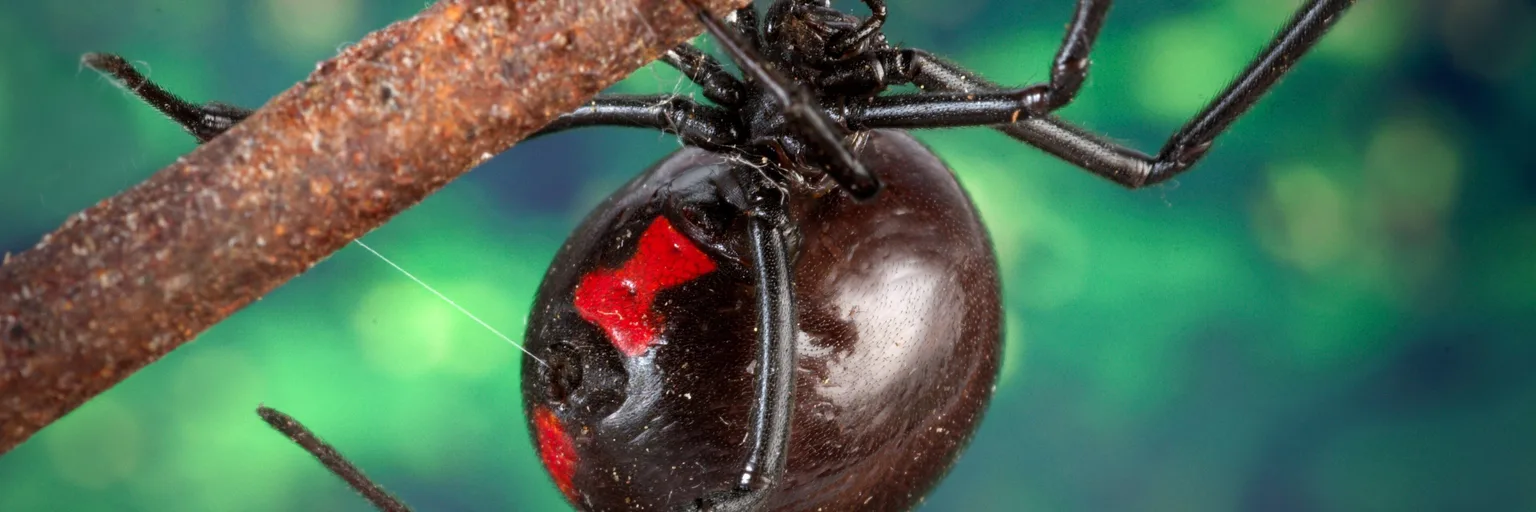
Spider silk's 'secret' is out, but a lab fiber isn't a factory
Researchers say they've seen how black widows turn liquid into a fiber stronger than Kevlar. It's promising science, but scale-up evidence, not headlines, will decide whether it matters.
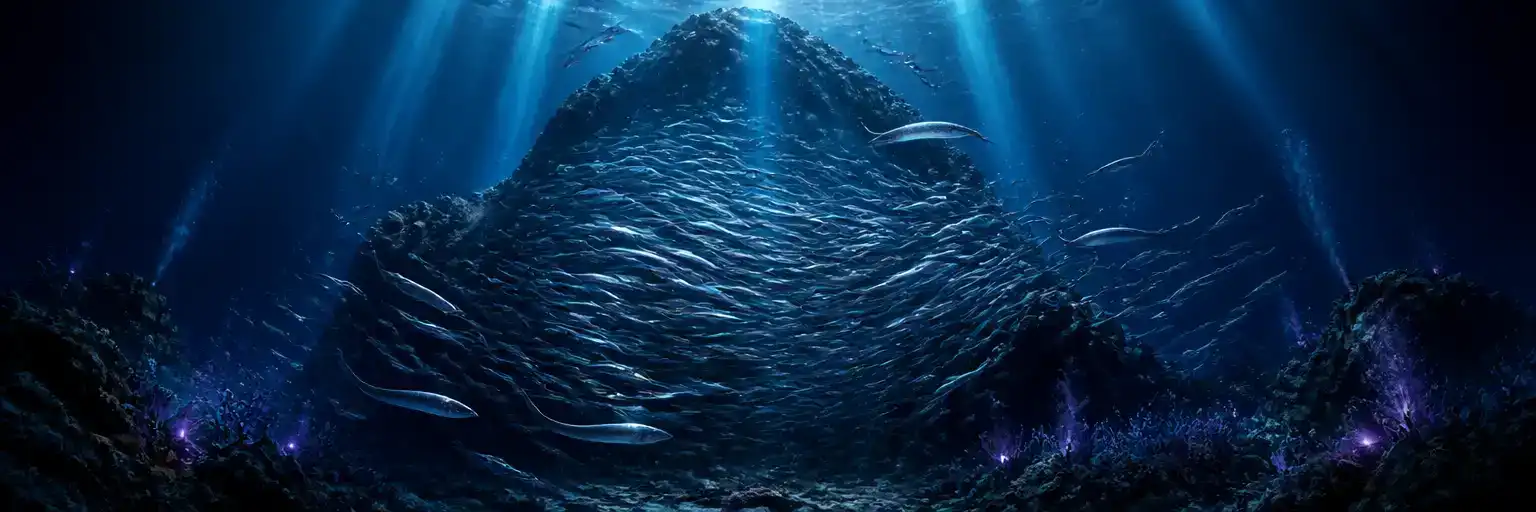
2.8 million eels on one seamount: the deep is still a blank map
A single undersea peak off Tasmania hosts a swarm of millions of deep-sea eels nobody had counted. It's a warning to map the deep before anyone thinks about exploiting it.
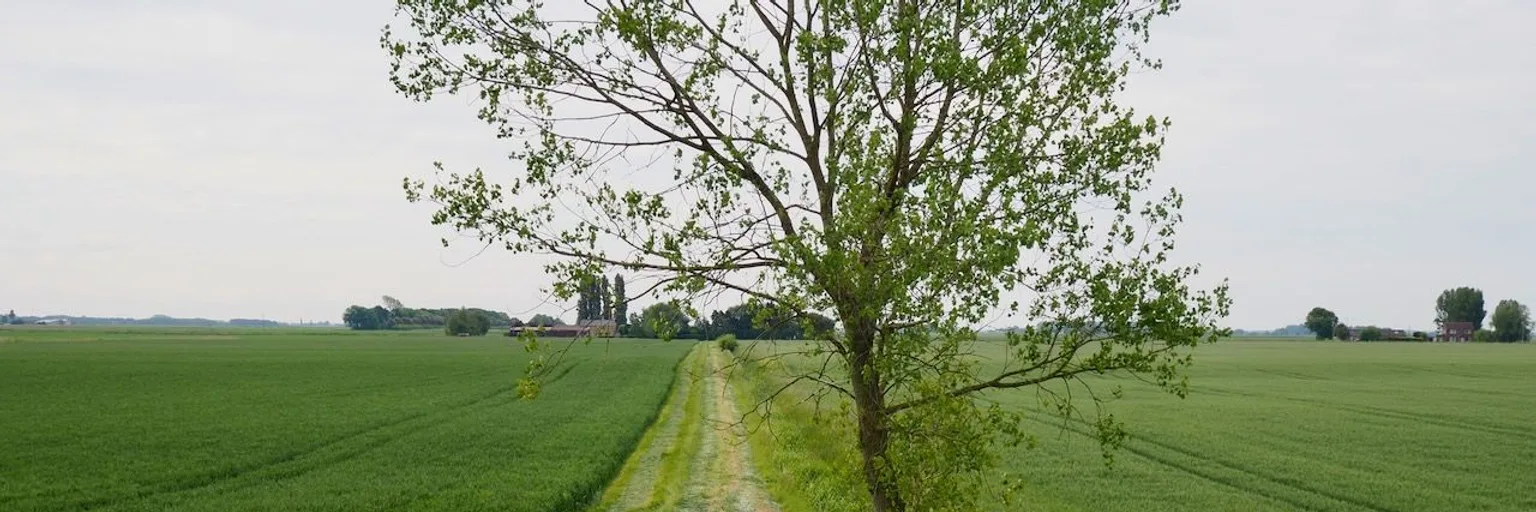
Trees aren't statues: they feel their lean and push back
A French study of young poplars suggests trees sense their own shape and correct it with opposing wood, a reminder that plants are far more active than we assume.
Solar farms aren't bird traps, but "wildlife haven" is still unproven
Headlines on solar parks and birds point in opposite directions. Rather than pick a slogan, we should demand that habitat be part of how solar farms are planned.