Trees aren't statues: they feel their lean and push back
A French study of young poplars suggests trees sense their own shape and correct it with opposing wood, a reminder that plants are far more active than we assume.
Photo: David Lally / Wikimedia Commons (CC BY-SA 2.0)
Ask most people what a tree does all day and the honest answer is "nothing." It stands there. Yet a new study suggests that standing is itself work: trees appear to notice when they are crooked and actively fix it.
What the researchers found
According to ScienceDaily, scientists have found that trees can sense their own shape and straighten their trunks using specialized wood that acts like opposing muscles. The experiment, run by researchers at the French institute INRAE and the Université Clermont Auvergne, began simply: young poplars were laid on their sides in pots, as Ecoportal describes.
The wood in question is called tension wood. One of the reports we reviewed says it can exert antagonistic functions depending on where it forms, much like muscles pulling in opposite directions to hold or change an animal's posture. The reports frame the finding as a form of proprioception, meaning the tree perceives its body configuration and uses that information to correct itself.
"Muscle" is a metaphor, and a good one
Let's be careful here. One of the outlets in the documentation says it plainly: there is no nervous system and no hidden muscles under the bark. The word is an analogy, and headlines stretch it. We also only have secondary coverage of one experiment on young poplars. We haven't seen the paper itself, and the material doesn't say where it was published, so we can't tell you how it fared in peer review. Treat "all trees do this" as a hypothesis, not a result.
Still, we think the analogy earns its place. One of the sources recalls a 2012 PNAS study with a mathematical model showing that sensing gravity alone could not explain how shoots straighten smoothly without repeatedly overshooting. Something extra was needed: feedback about the plant's own curvature. That is precisely what a control system for posture looks like. A tree that only reacted to "down" would wobble. A tree that also reads its own bend can settle upright.
Why the "static scenery" view should retire
Our view is that the real news is conceptual. We keep describing plants as passive, and then act surprised when they turn out to run sophisticated feedback loops. Growth is slow, so we mistake slowness for stillness. A trunk that builds opposing tissue to pull itself back to vertical is doing something closer to a gymnast's correction than to a rock's sitting.
The practical stakes are plausible, though still speculative. The researchers want to use this knowledge to better study tree shape and wood quality, according to MSN's summary. That matters to forestry: tension wood changes how timber behaves, so understanding when and why a tree makes it could help managers predict which stems will end up straight and which won't.
The storm-resilience angle, which is the one people will want to draw, is where we would slow down. Nothing in the documentation tests wind damage or mature forests. It is tempting to say that trees which can right themselves will survive hurricanes better, but that is our extrapolation, not a finding. Righting a leaning sapling over time is a very different thing from surviving a gust.
What to take from it
Enjoy the finding, but keep it in proportion. It is a lovely demonstration that plants sense and respond to their own bodies, and a good reason to retire the "scenery" metaphor. It is not yet a forestry toolkit or a storm-proofing strategy. If you manage woodland or plant street trees, the sensible reaction today is curiosity, not policy change. Watch for the full paper and for tests on older trees, because that is where this idea will either prove its worth or stay a charming result about poplars lying in pots.
No topics yet: start the first one.
More stories
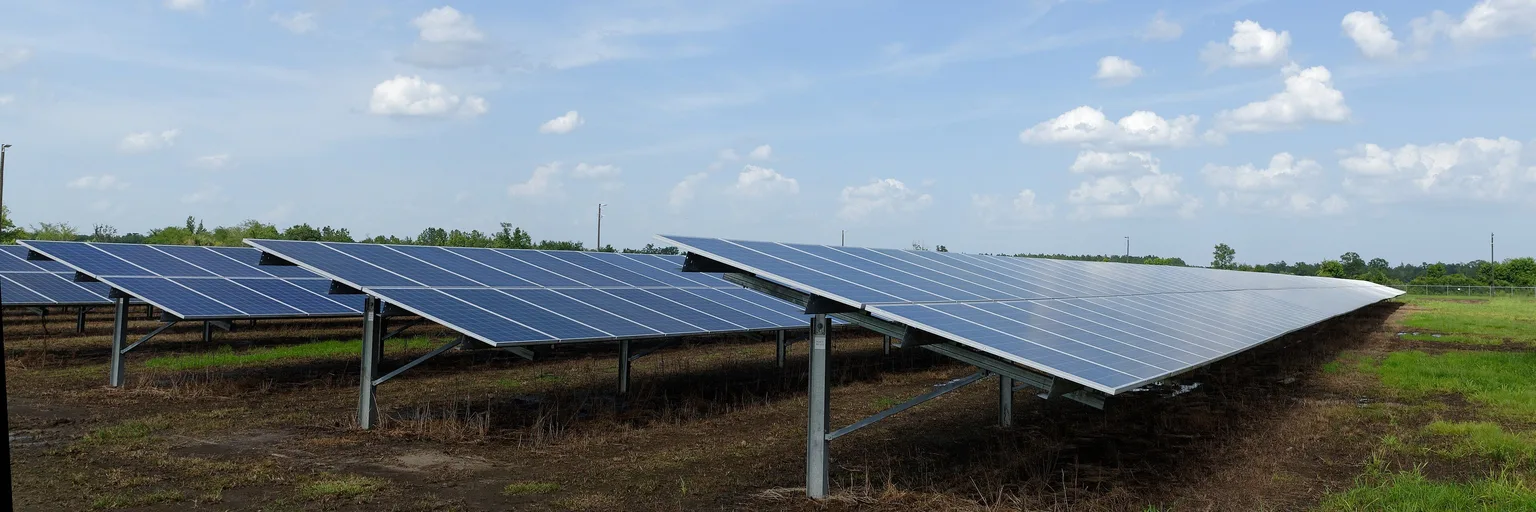
Solar farms aren't bird traps, but "wildlife haven" is still unproven
Headlines on solar parks and birds point in opposite directions. Rather than pick a slogan, we should demand that habitat be part of how solar farms are planned.
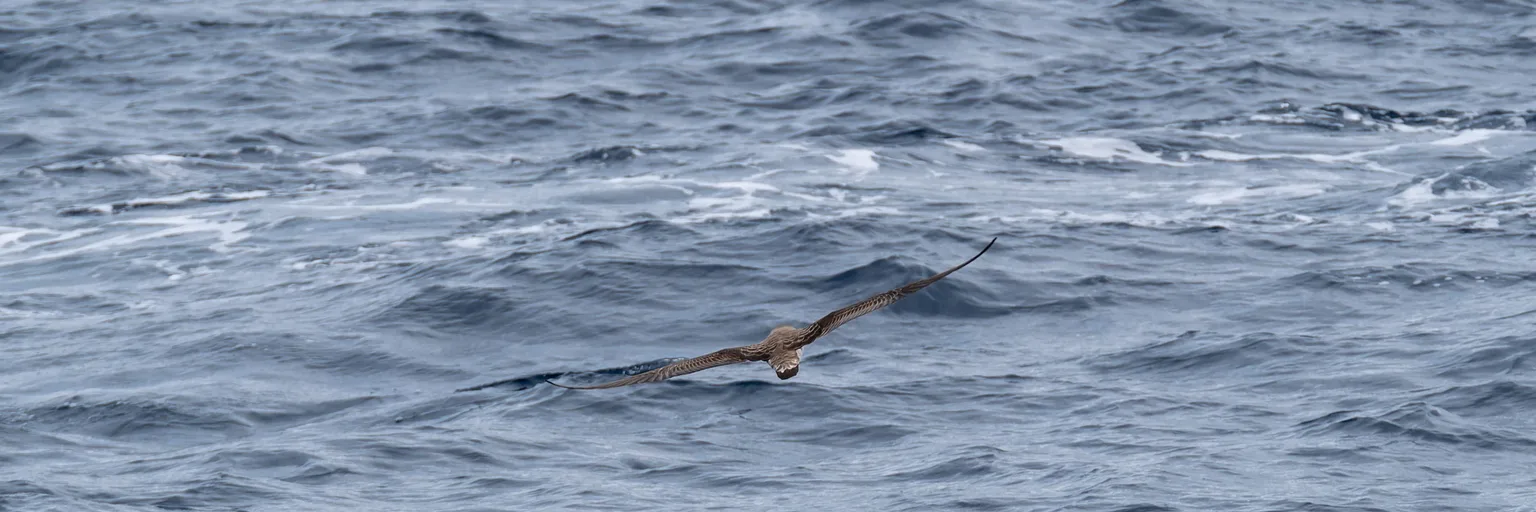
Even seabirds get jet lag, and that should humble conservation
A new finding suggests migrating seabirds can lose their way when their sense of time slips, which shows how much navigation we still don't understand and why long-term tracking beats assumptions.
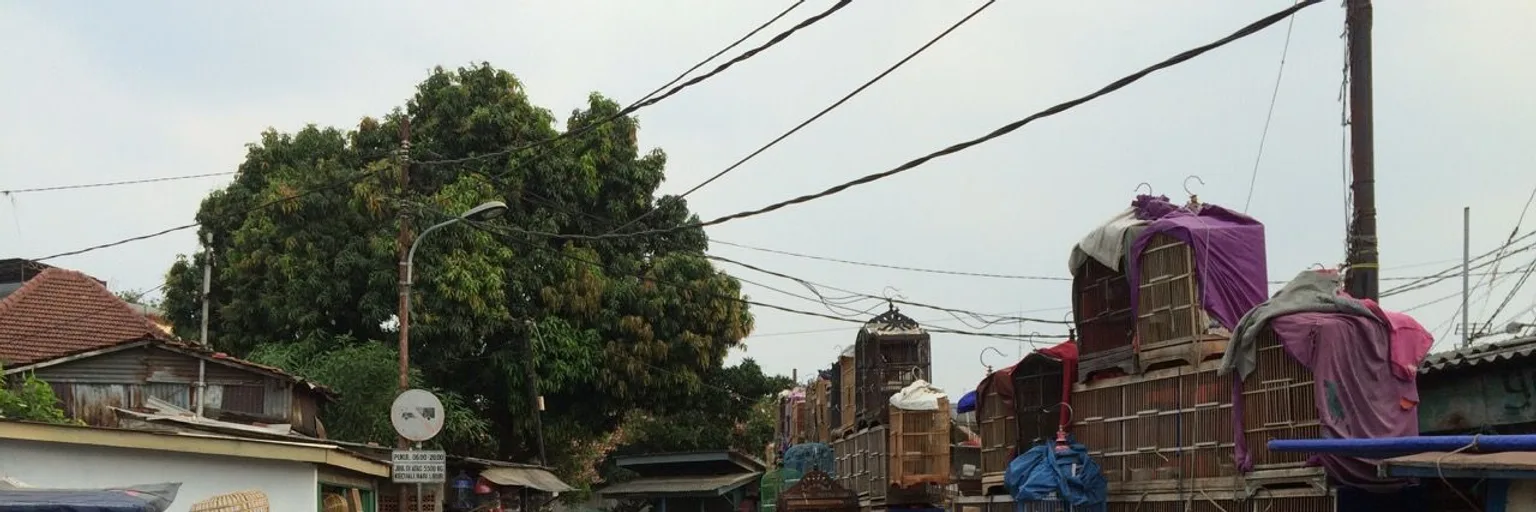
107,000 traded species: protection must follow the trade
A study doubles the count of species in the wildlife trade to 107,356, and the global target covers only 2–3% of them. Rules written for famous animals miss the real market.
The screwworm doesn't read border speeches: sterile flies and surveillance do the work
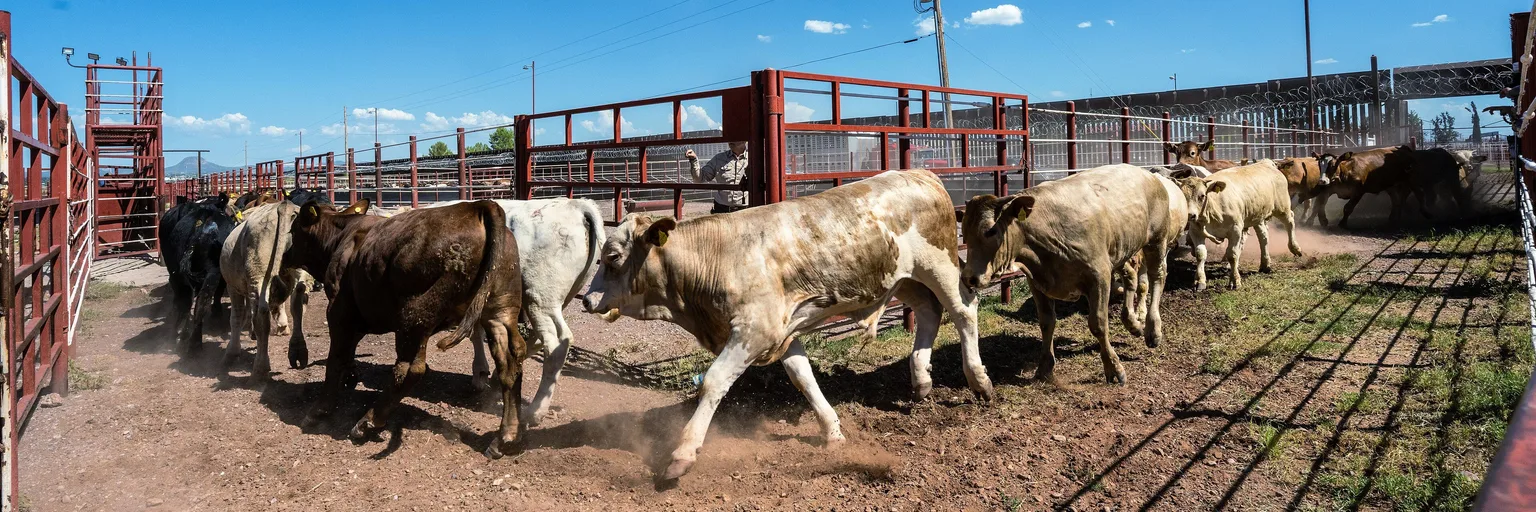
With a dog confirmed in Arizona and a cat in New Mexico, the New World screwworm is no longer just a cattle story. Beating it takes surveillance and sterile flies, not slogans.