We may have stalled the next ice age, and that's no reason to cheer
A Science study suggests warming halted a glacier's growth around 1960. It's remarkable paleoclimate, but a stalled ice age is a poor consolation prize for rapid warming.
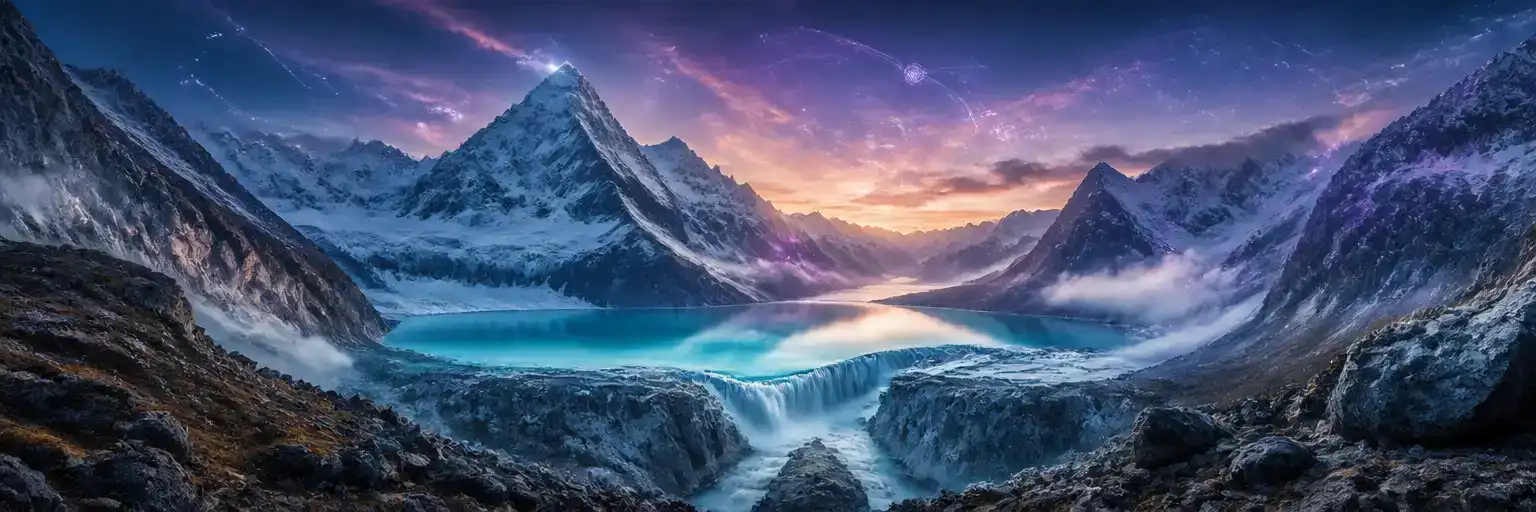
AI-generated image
Imagine a headline that sounds like a gift: humans burned so much fossil fuel that we "stopped the next ice age." Now imagine someone reading it and shrugging, as if the damage came with a refund. That reading is exactly the one to resist.
According to Yale Environment 360, researchers found evidence that warming driven by fossil fuel burning reversed the advance of a new ice age. The work, published in the journal Science, tracks the advance and retreat of the Barnes ice cap on Baffin Island in northern Canada. Coverage in La Brújula Verde says the cap preserves dead plants indicating that ice from North America's last great ice sheet began growing again about 2,000 years ago, and that warming halted that advance around 1960.
The headline is bolder than the evidence it rests on
Note the verbs in the coverage: "may have," "could have." Spanish-language outlets such as eltiempo.es also frame the result as a possibility. Gizmodo's Spanish edition adds a useful caution: the research doesn't mean a new ice age was imminent or that the planet was about to freeze, and scientists still debate when the next one would begin. We have only summaries of the study, so we won't pretend to know its finer details, and neither should anyone quoting it on social media.
A glacier that stopped growing is a thermometer, not a bargain
The science here is genuinely cool. A single ice cap, with plants entombed under it, works as a long ledger of what the climate was doing. If the ledger shows a trend that had run for about two millennia stalling within the last century or so, that tells us something striking about the scale of human influence. As ZME Science puts it, the scientists argue that humanity has overpowered the subtle planetary cycles that governed global climate for the past 2.6 million years.
But read that again as a warning rather than a trophy. The speed is the whole story. Ecosystems, coastlines, farmers and cities adapt, when they can, on timescales of decades to centuries, not at the pace of a tailpipe.
"We saved ourselves from ice" is an argument that collapses
We can already hear the pitch: if warming canceled something worse, isn't it a net positive? We think that logic fails for three reasons.
First, timing. Nothing in the coverage we've seen suggests a glaciation was close enough to threaten anyone alive today, or anyone's grandchildren. Trading a speculative, very distant cold for a present, measurable heat is a bad deal by construction.
Second, risk. Ice-age cycles, however dramatic, unfold slowly enough that societies could plausibly respond. Rapid warming gives no such grace. Reports of summers growing hotter and longer, melting ice faster than it can spread, describe a system already moving in one direction.
Third, and most important, the finding says nothing about what the right amount of CO2 is. At best it shows how sensitive the climate is. A sensitive system is a reason for more caution, not less.
Enjoy the paper, but don't let it become an excuse for delay
Share the Barnes ice cap story, and let it spark curiosity about how Earth's slow rhythms work. Then treat it as evidence that we are powerful enough to override natural cycles, and therefore responsible enough to stop doing it carelessly. The next ice age, if the study is right, can wait. The decisions about emissions can't.
No topics yet: start the first one.
More stories
Bhutan's lake burst is a warning: fund monitoring downstream
A flood that sent about 7.4 million cubic meters toward India has so far been reported without casualties, thanks to alarms, but the Himalaya has far more lakes than alarms.
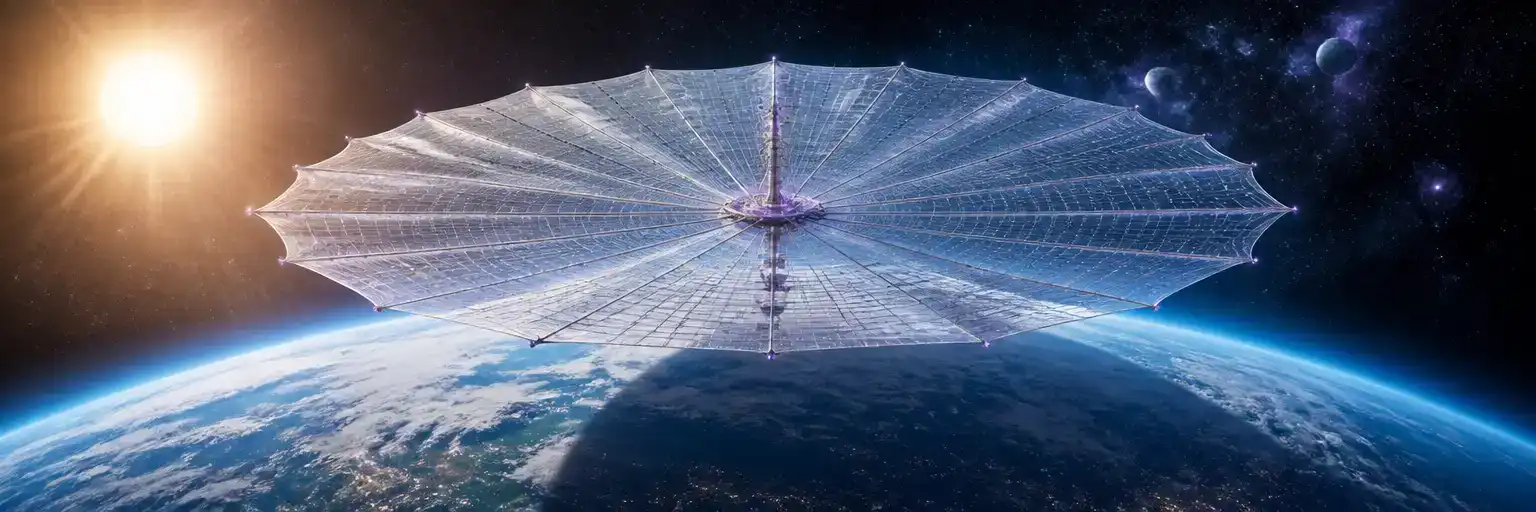
A space sunshade is worth studying, not worth betting on
A giant parasol in orbit may be physically possible. But it takes decades and millions of tons of cargo, and it can't replace cutting emissions.
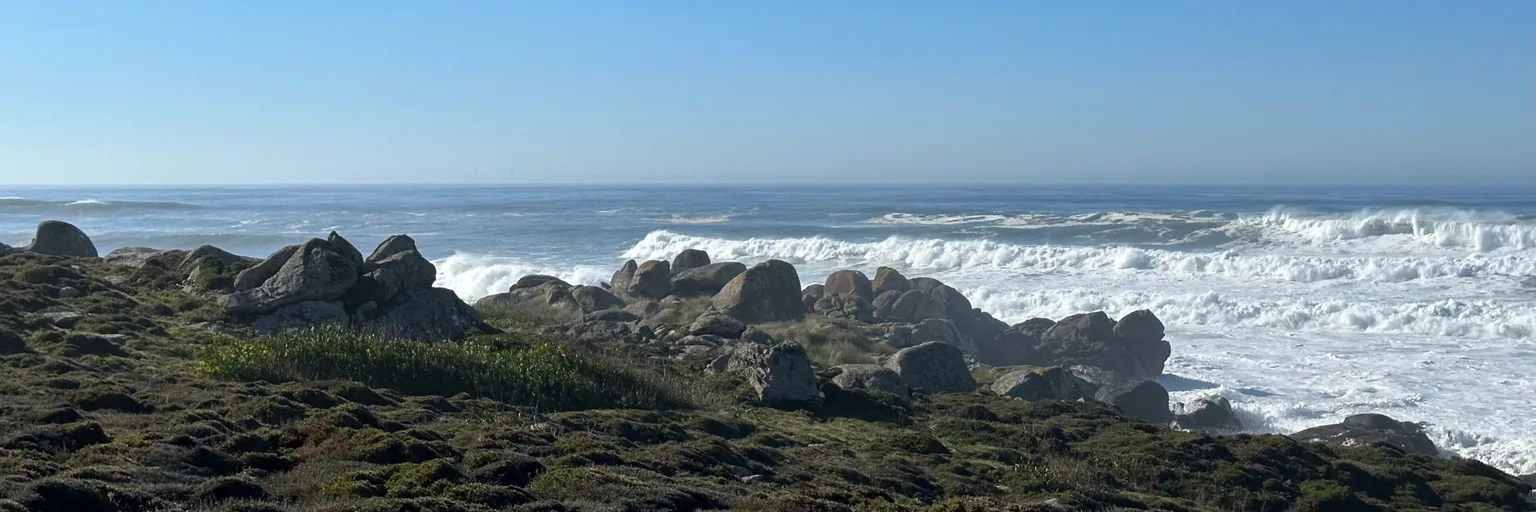
The Atlantic isn't closing on our watch, but Iberia should still worry
A possible new subduction zone off Portugal is real science. The "end of the Atlantic" is a geological metaphor, and the tsunami risk is the part that deserves your attention.
Carbonado, the 'space diamond,' may be ancient Earth life in disguise
A century of cosmic-origin lore around black, porous diamonds is being challenged by carbon that looks like it came from ancient living things. The lesson is about scrutiny.