Curisfera Newsroom
NASA needs a fallback for low Earth orbit, not a bet on private schedules
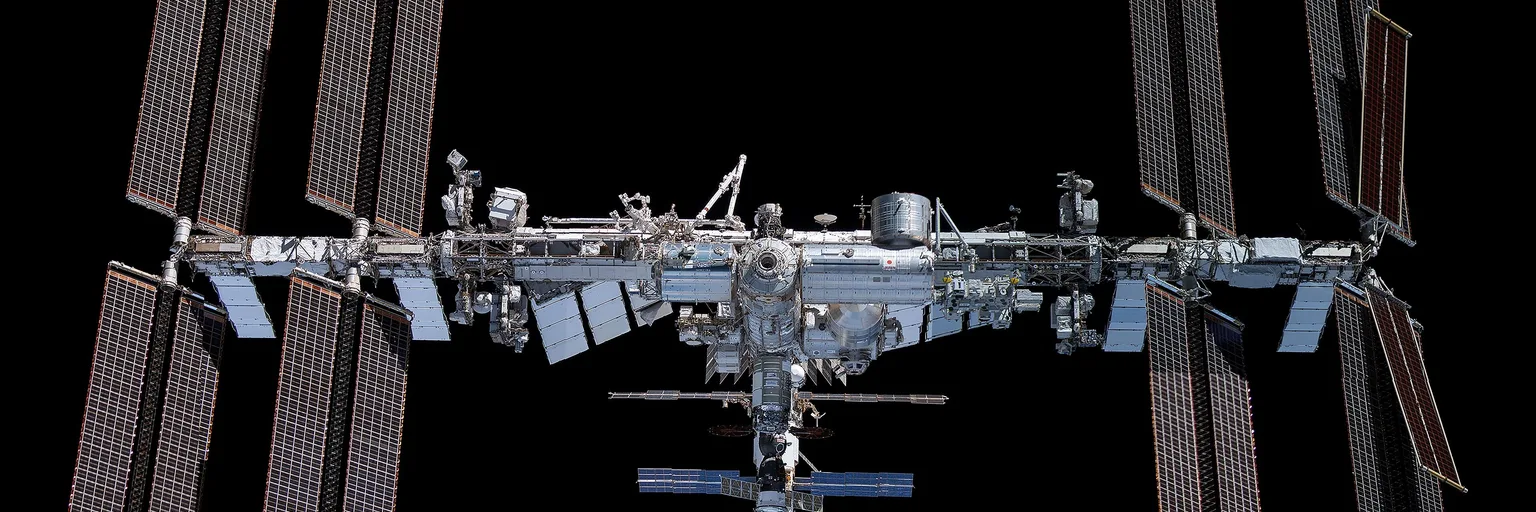
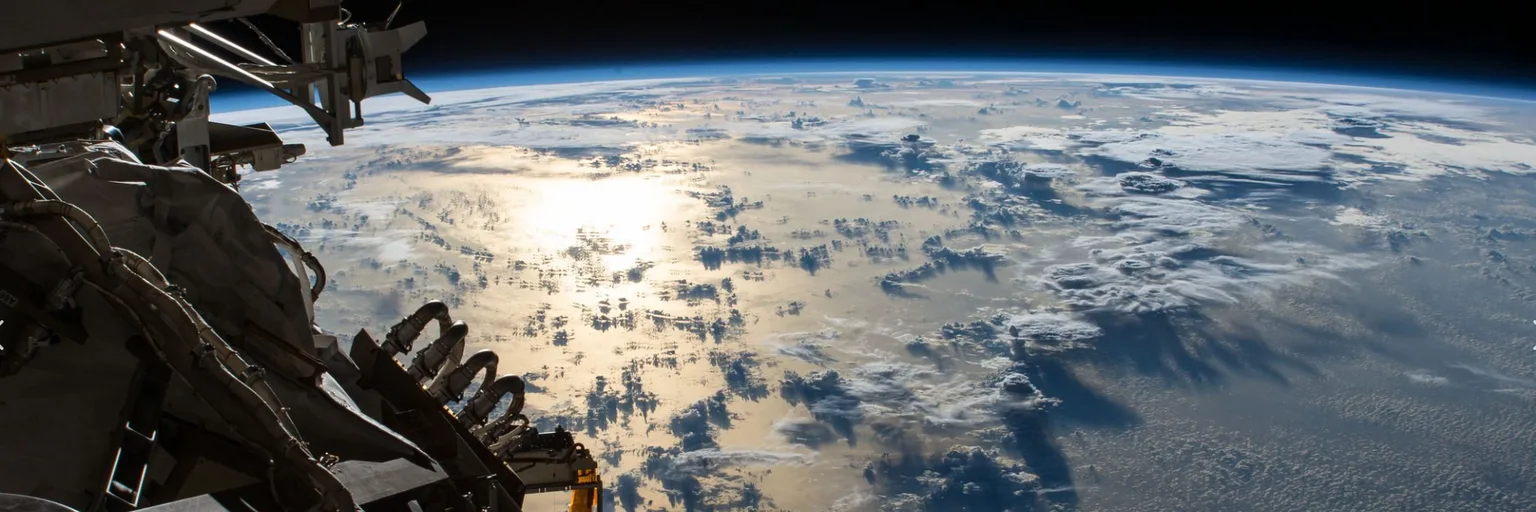
NASA's stated goal is to avoid a gap in crew-capable platforms in orbit. But the plan to replace the ISS has changed course too often to be the only plan.
NASA's stated goal is to avoid a gap in crew-capable platforms in orbit. But the plan to replace the ISS has changed course too often to be the only plan.
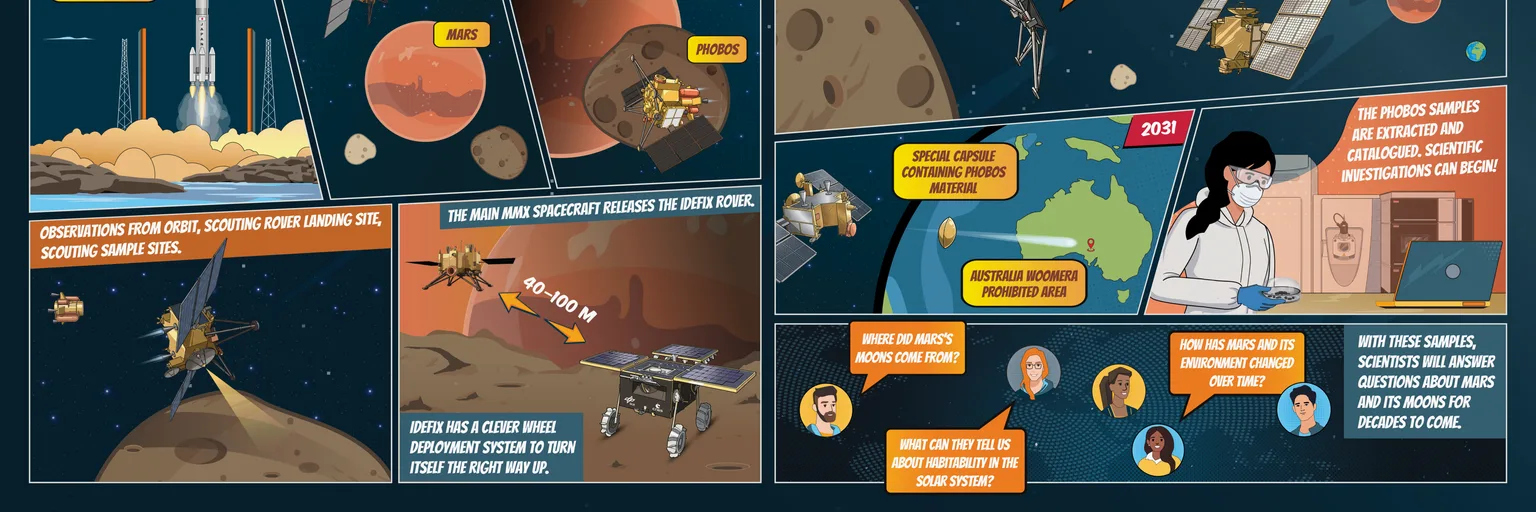
Japan chose Phobos because Mars itself is hard to land on and leave. That makes MMX a pragmatic bet, though it answers a different question from bringing home Mars rock.
A new simulation study ties the painting's sky to a real Provence dawn. It's a lovely result, and a good reason not to announce the death of Van Gogh's imagination.
A 415-million-year-old scorpion the size of a dog says less about monsters than about empty ecosystems, and about how little we know of life's first steps onto land.
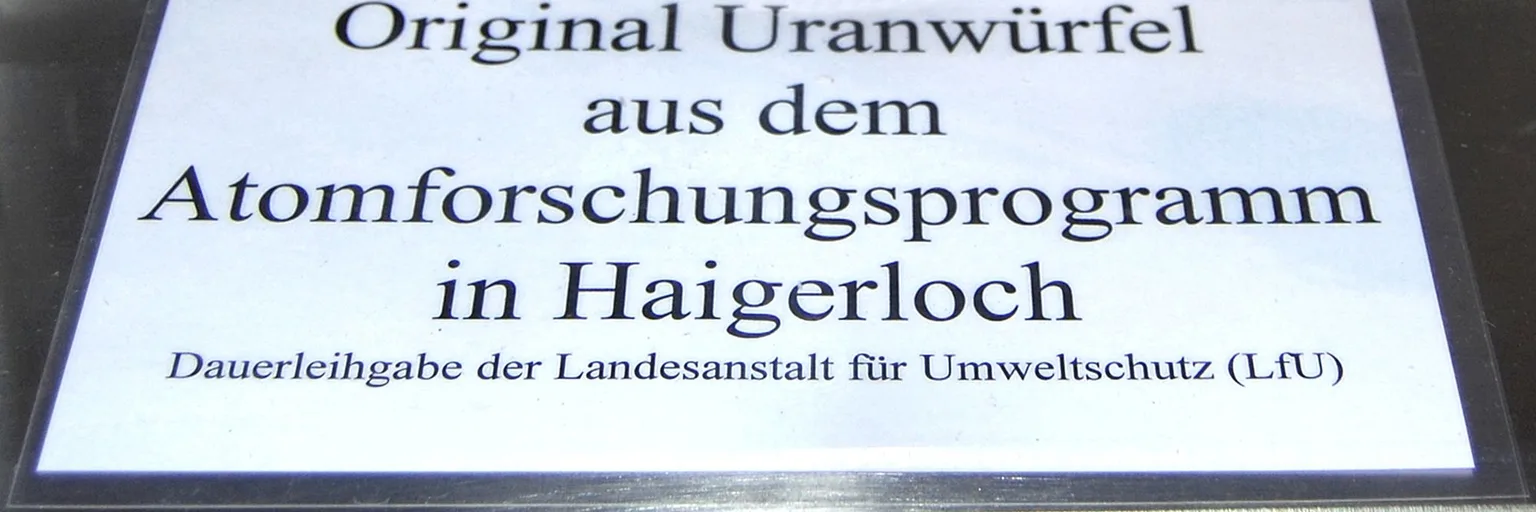
A simulation built on two surviving uranium cubes shows Heisenberg's near-miss story was off by a factor of about two, and the myth outlived the physics.
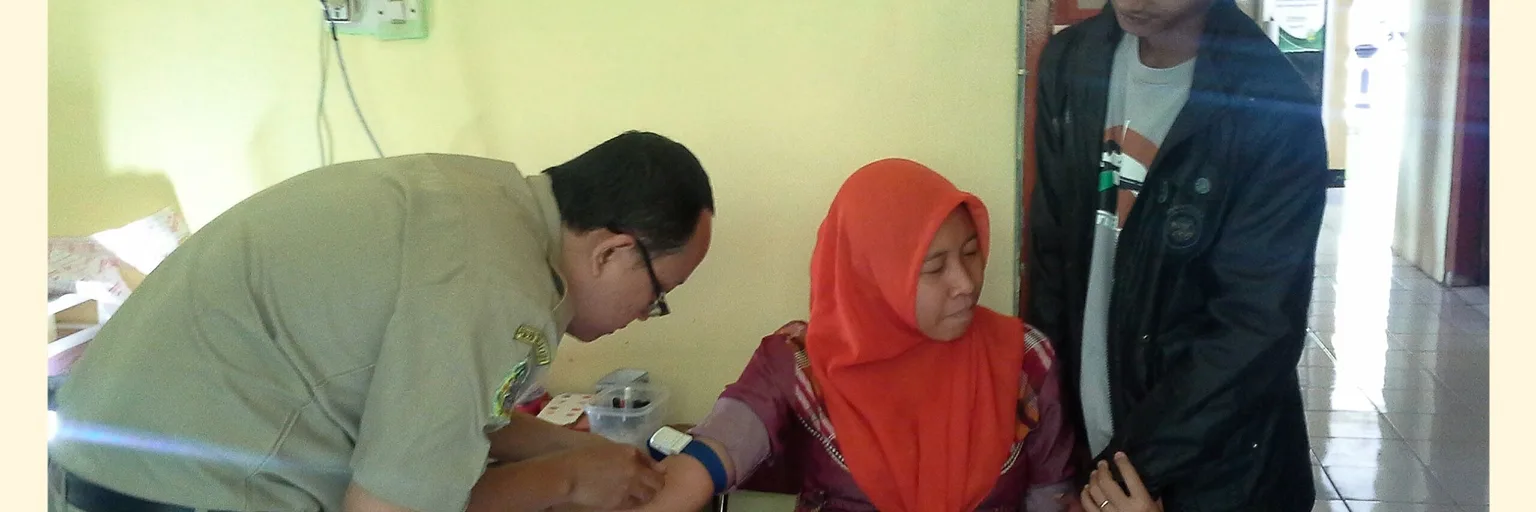
A virus long labeled non-transmissible to humans has now turned up in a patient who died in Lyon. The lesson is less about fear than about how little we watch "harmless" livestock pathogens.
The asteroid 2025 SC79 is not an imminent threat. Its real lesson is more useful: planetary defense still has a blind spot where the Sun makes dangerous objects hardest to find.
A new antibody signal could make preterm birth more measurable, but turning an association into a safe prenatal test or treatment will take far more evidence.
Animal research links moderate cold with slower age-related decline, but that evidence does not justify cold plunges or prove a human longevity benefit.
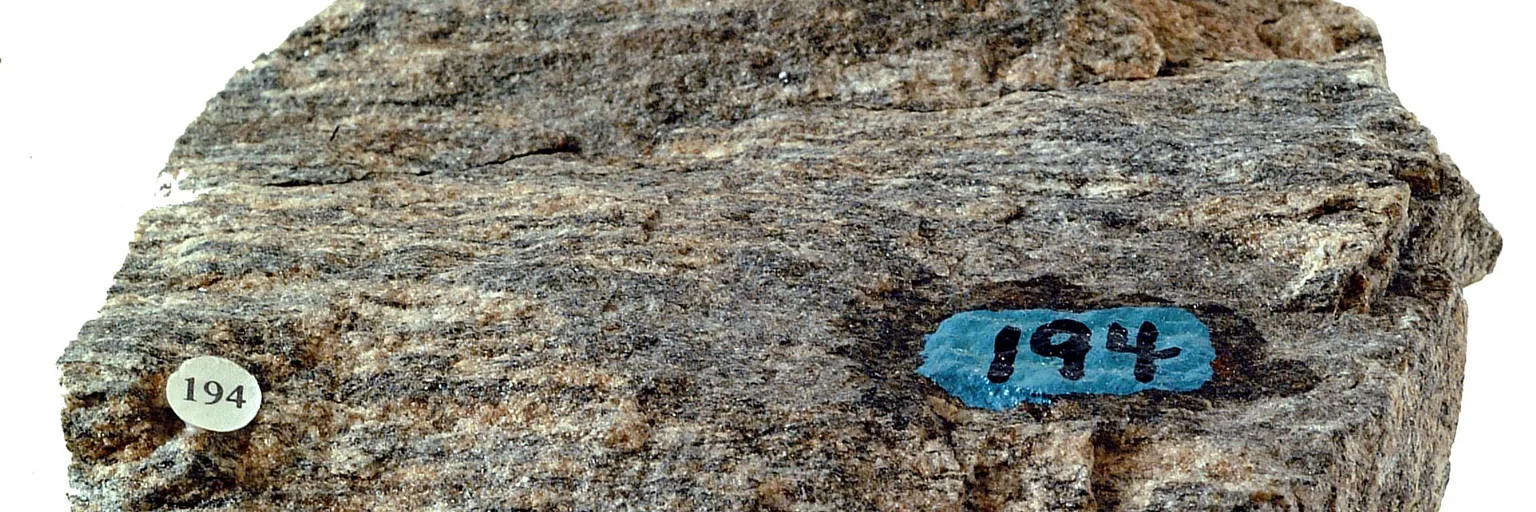
A rock carried more than 90 kilometers underground preserves a rare thermal history—but one anomalous sample is evidence to investigate, not permission to discard every model.
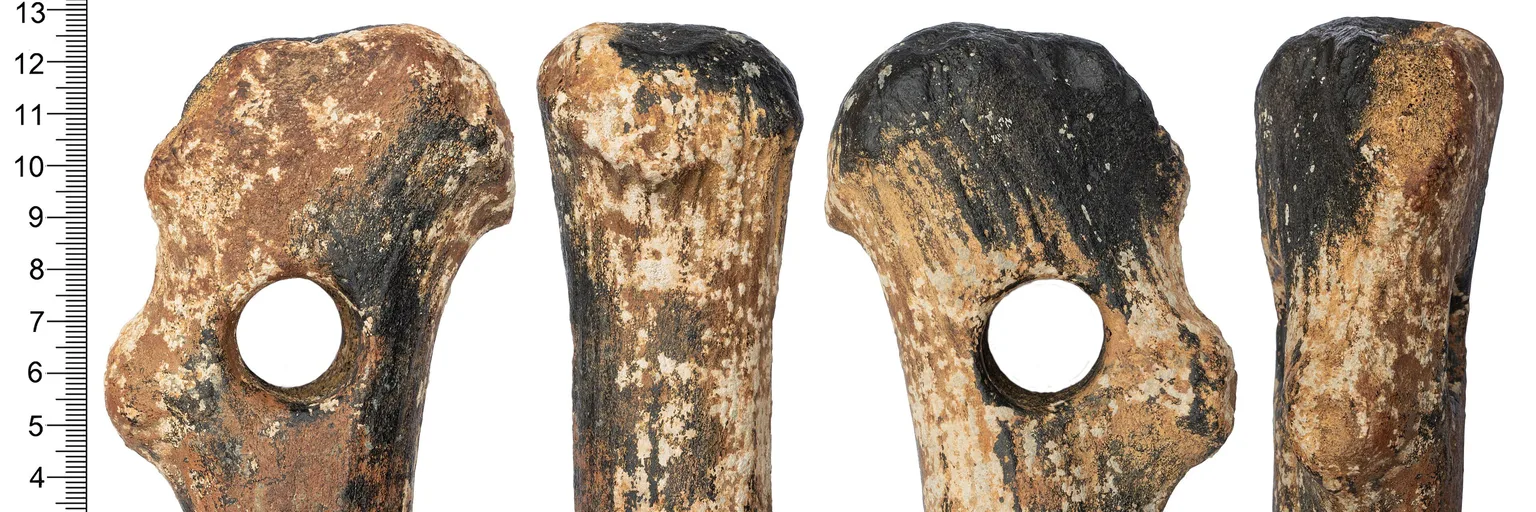
An antler tool preserved with its history of reuse shows why stone-heavy archaeology may reflect survival conditions more than the full range of prehistoric innovation.
Turritopsis dohrnii does not offer a fountain of youth. Its real value is showing how an adult body can reorganize itself under stress.
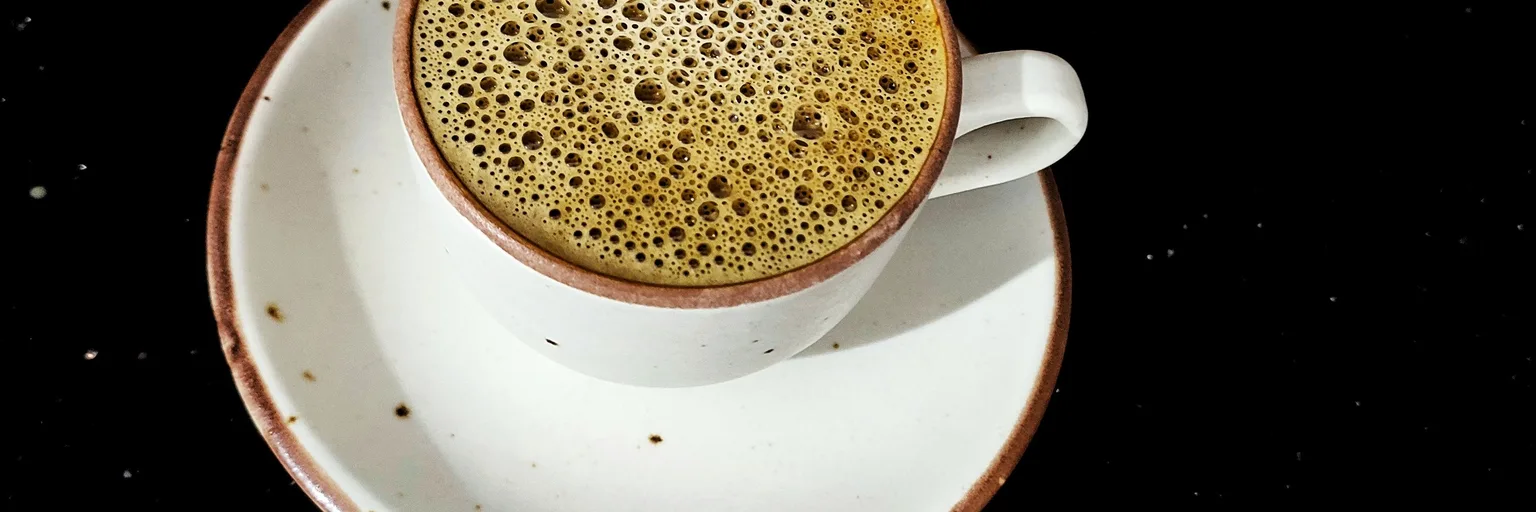
New research links coffee, including decaf, with distinctive gut microbes, but association is not proof that everyone should drink more for better health.
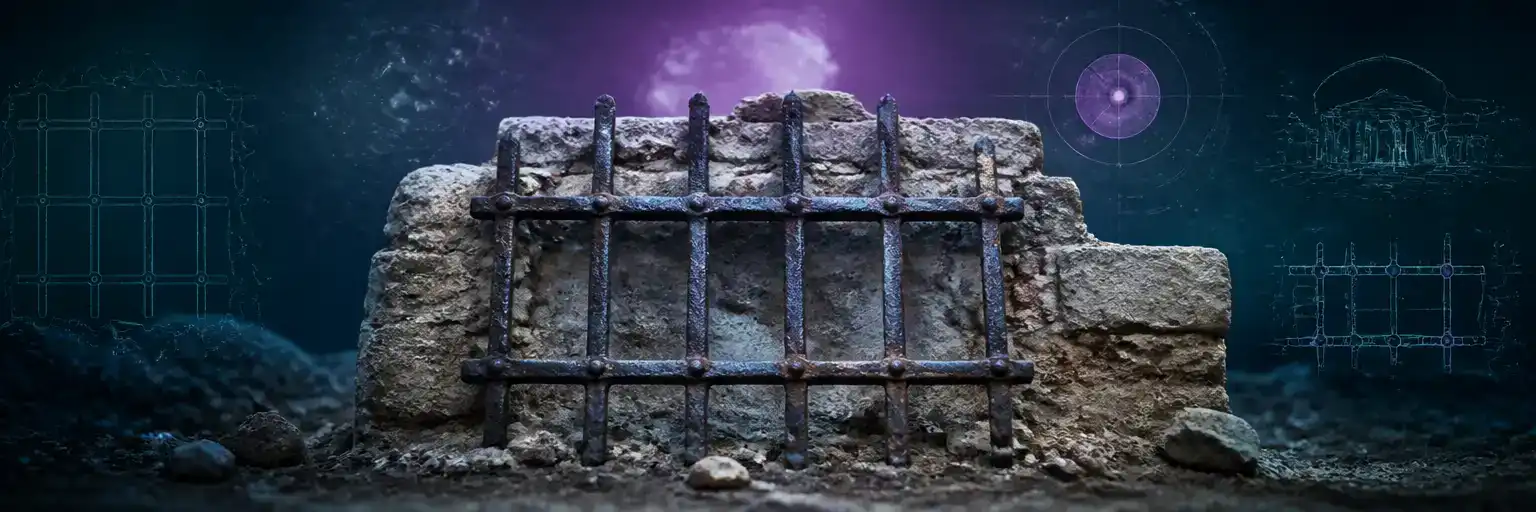
A battered iron grille from Augusta Raurica offers something monuments rarely can: a close look at security, construction and the routines of everyday Roman life.
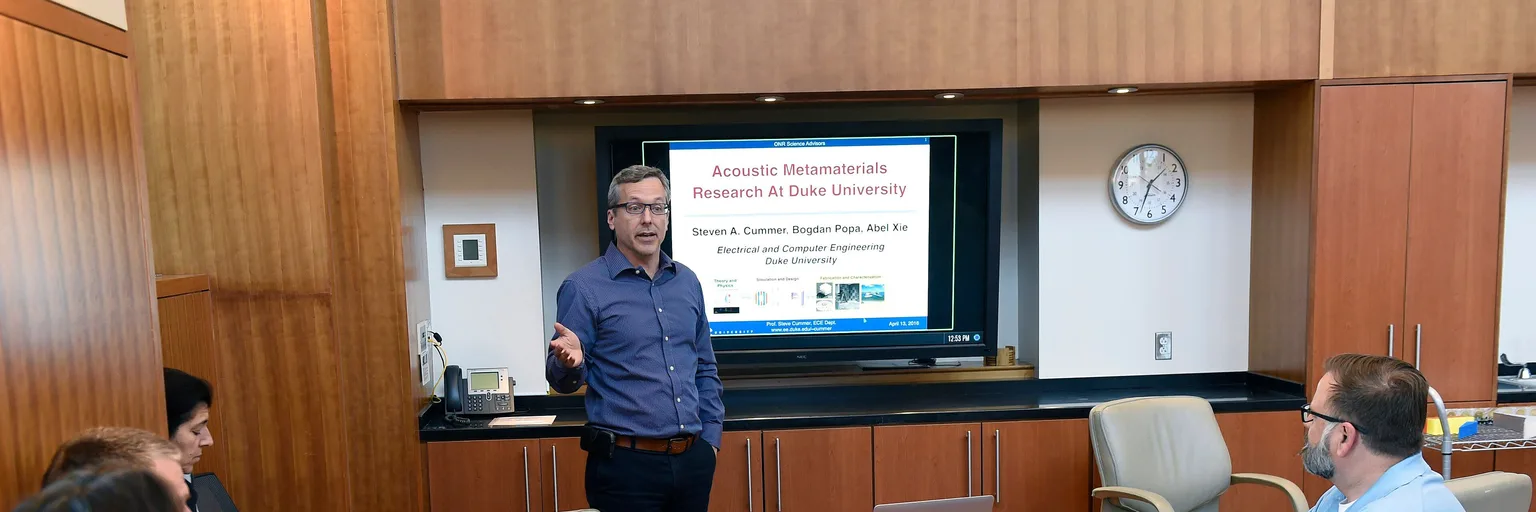
A pair of Nature studies may connect critical phenomena with topology, but the real test is whether this bridge survives replication beyond carefully engineered acoustic systems.
Erhaia dijiang did not become strange for its own sake: in darkness, isolation and scarcity, sight became expendable—and its tiny habitat became precious.
NASA’s satellite maps show El Niño draining green from the equatorial Pacific, revealing how a shift in deep-water nutrients can ripple through marine life.
Blacktip sharks detected low-frequency sounds from up to 74 meters away in the wild, exposing both a hidden sense and a neglected risk of ocean noise.
Engineered bacteria can turn PET-derived chemicals into L-DOPA, but the breakthrough still has to prove its cost, safety and scale before it becomes circular manufacturing.
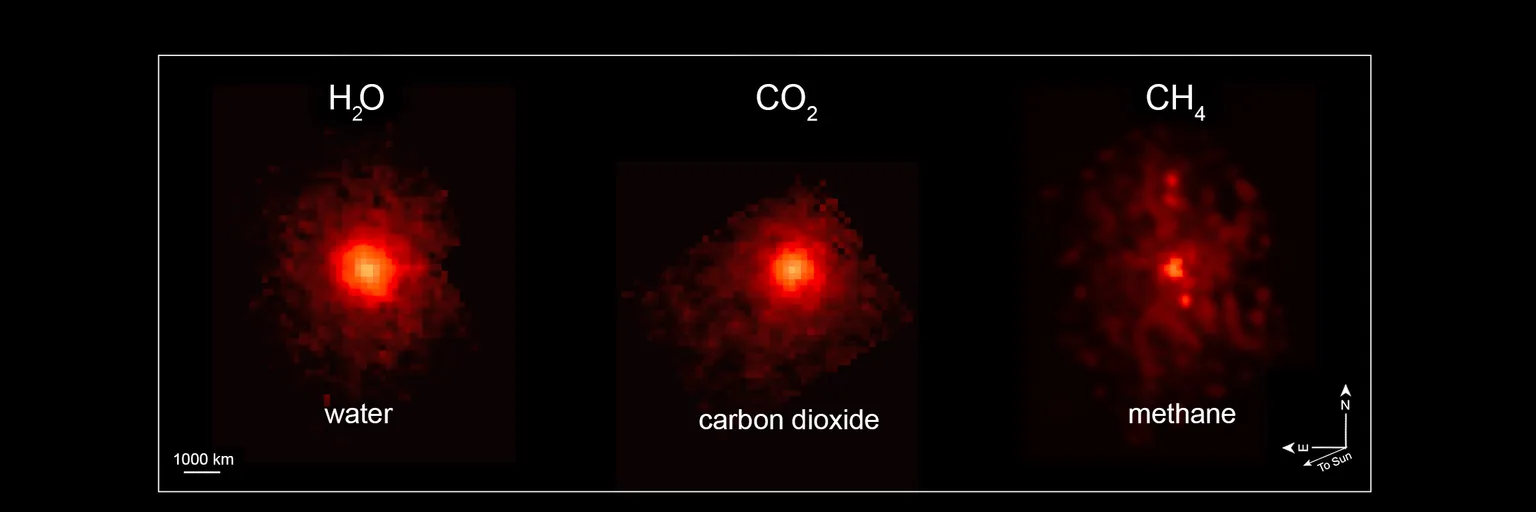
Its changing activity and alien isotope ratios matter because they let scientists test which comet behaviors are universal—and which belong only to our Solar System.