Curisfera Newsroom
"Ten years older" in orbit? Adenot's line hides the real story
Saying a long mission ages astronauts by a decade is a catchy line, but it blurs reversible adaptation with true aging. The real stakes are Mars planning, not fear.
Saying a long mission ages astronauts by a decade is a catchy line, but it blurs reversible adaptation with true aging. The real stakes are Mars planning, not fear.
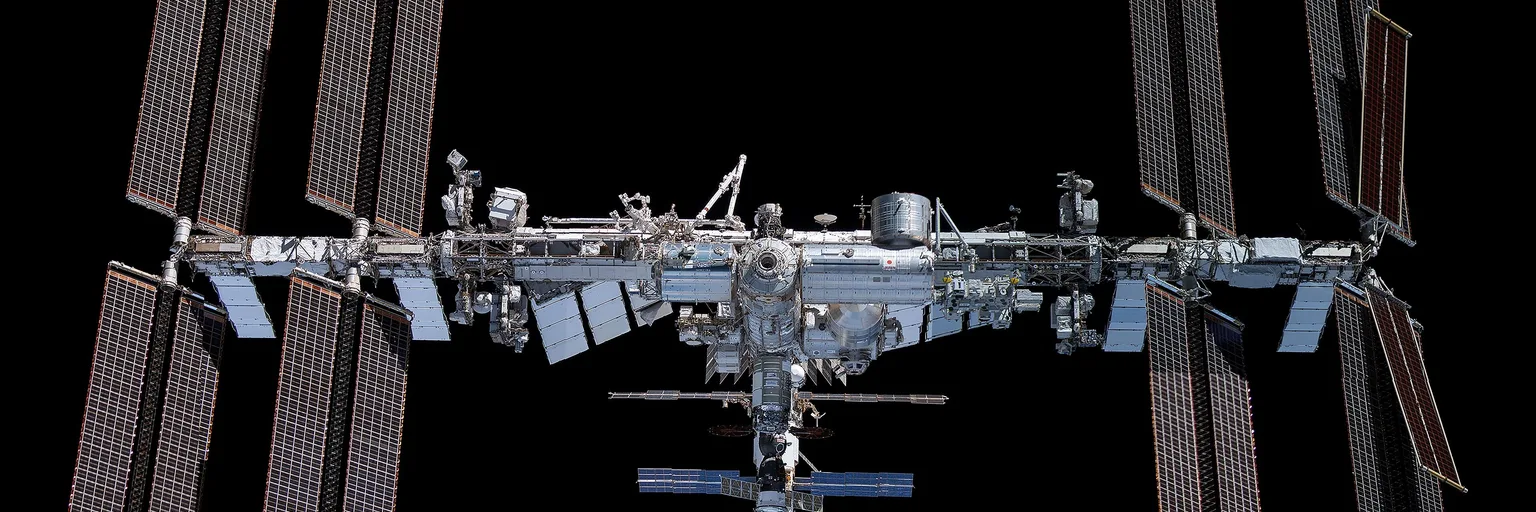
NASA's stated goal is to avoid a gap in crew-capable platforms in orbit. But the plan to replace the ISS has changed course too often to be the only plan.
The BioGravity-1 mission, launching the first biological samples from the Middle East into space, is a strategic move positioning Saudi Arabia at the forefront of understanding and treating neurodegenerative diseases.
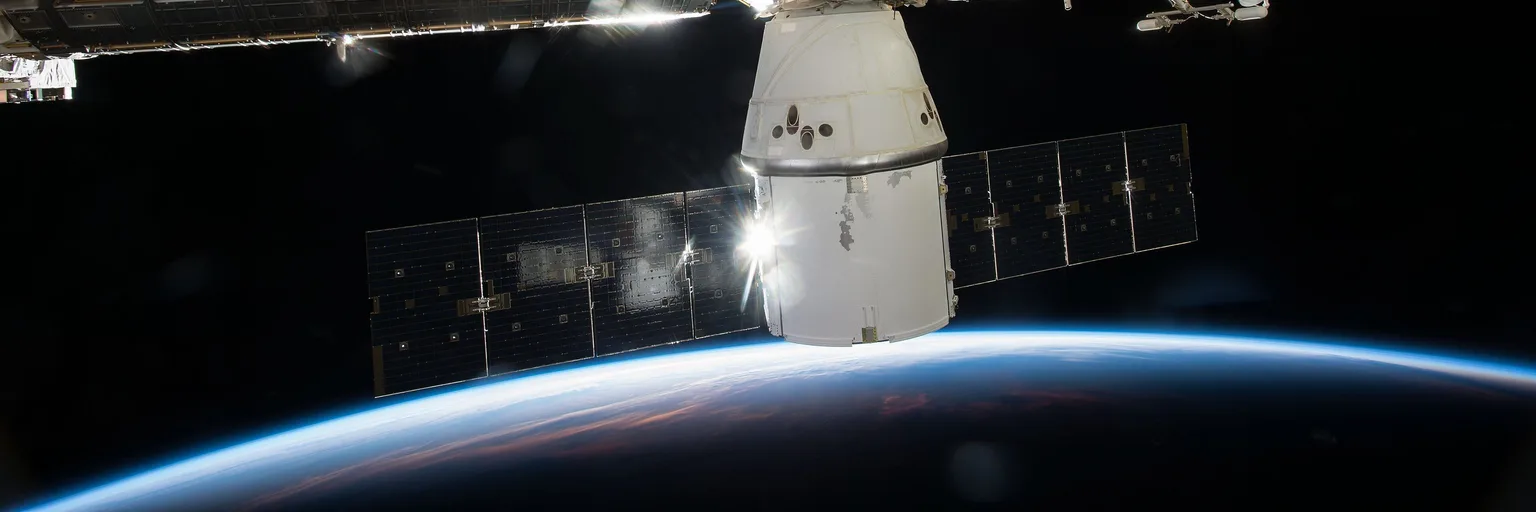
The latest Dragon resupply mission, delivering critical research on human health and plant growth, underscores how private enterprise is reshaping the landscape of orbital scientific discovery.
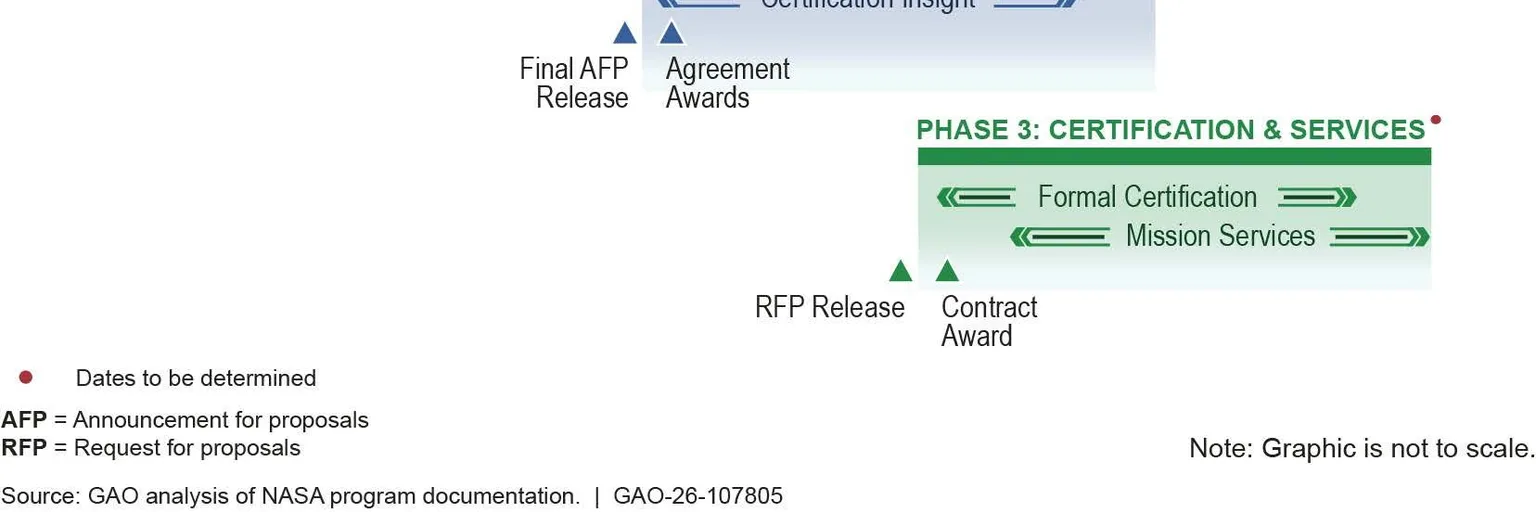
NASA's latest Request for Proposals for commercial space stations signals a pivotal shift toward private-sector leadership, offering both immense innovation and critical questions about the government's evolving role in orbit.
The Crew-13 mission’s lightning-fast journey to the ISS isn't just a speed record; it heralds a new, more efficient era of space travel, challenging the legacy of the costly Space Shuttle.
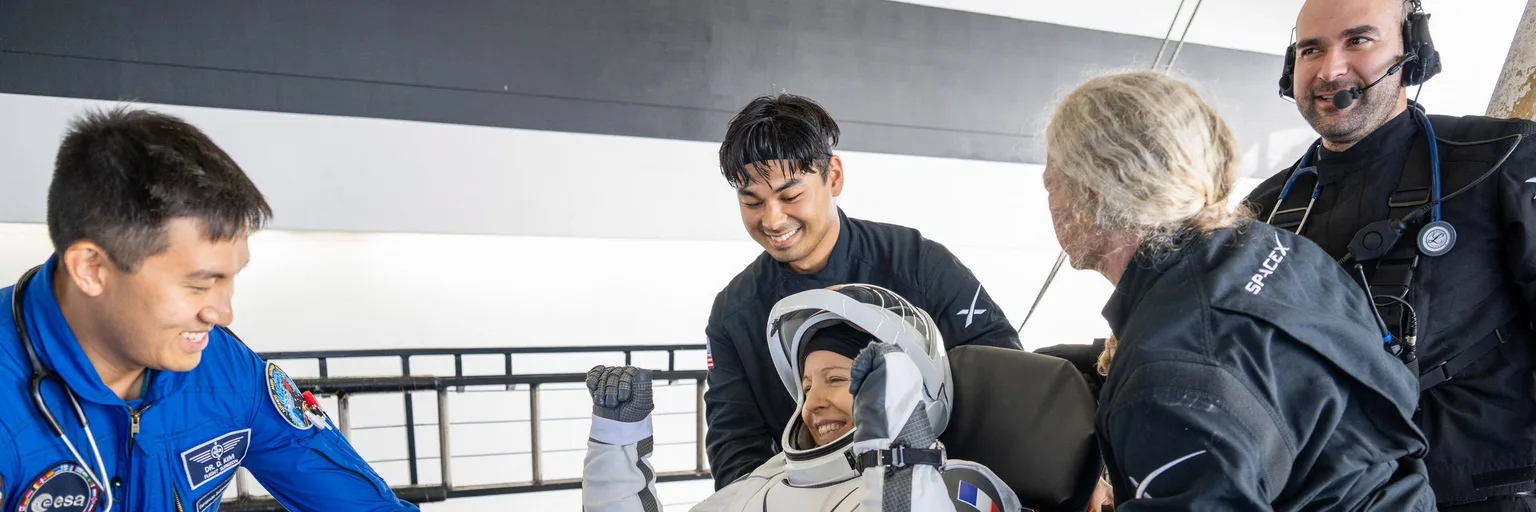
The successful 237-day mission of NASA's Crew-12 underscores that true space exploration is less about the spectacle and more about the quiet, sustained dedication to scientific advancement in orbit.
The surge in commercial spaceflight, celebrated during World Space Week, highlights an urgent need for global cooperation on orbital debris and long-term sustainability.
NASA's latest achievements, spanning Curiosity's Martian vistas, successful ISS crew returns, and significant Artemis III progress, reveal its unparalleled ability to drive scientific discovery and human deep-space exploration.
Despite advanced technology and reusable rockets, the Crew-12 mission's multiple launch delays and ongoing departure monitoring reveal how Earth's unpredictable weather remains a dominant force in space operations.