Curisfera Newsroom
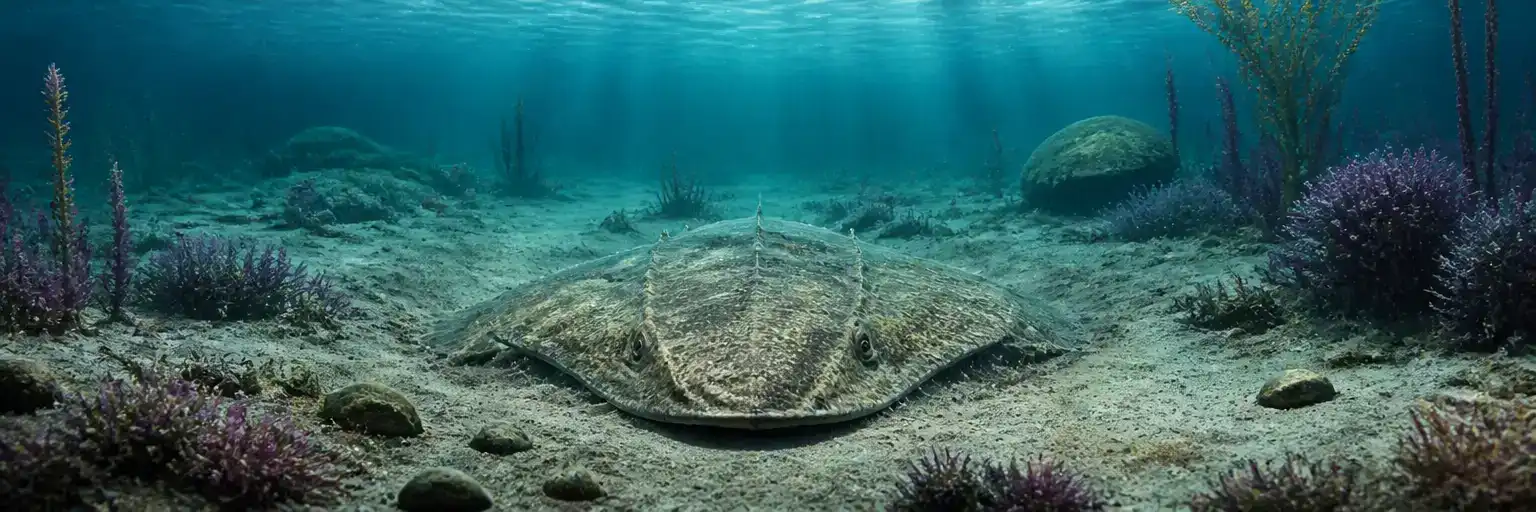
The "no amphibians at sea" rule is a habit of history, not biology
An armored amphibian that lived in a Triassic sea suggests that today's salt-water ban says more about which lineages survived than about what amphibians can do.
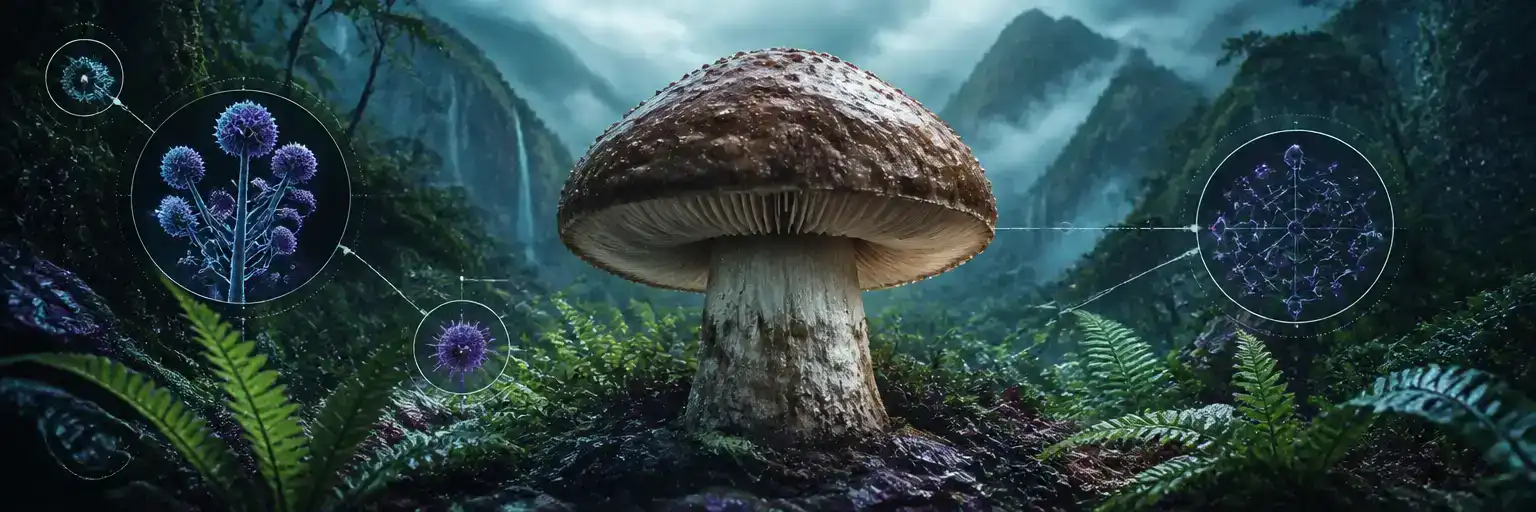
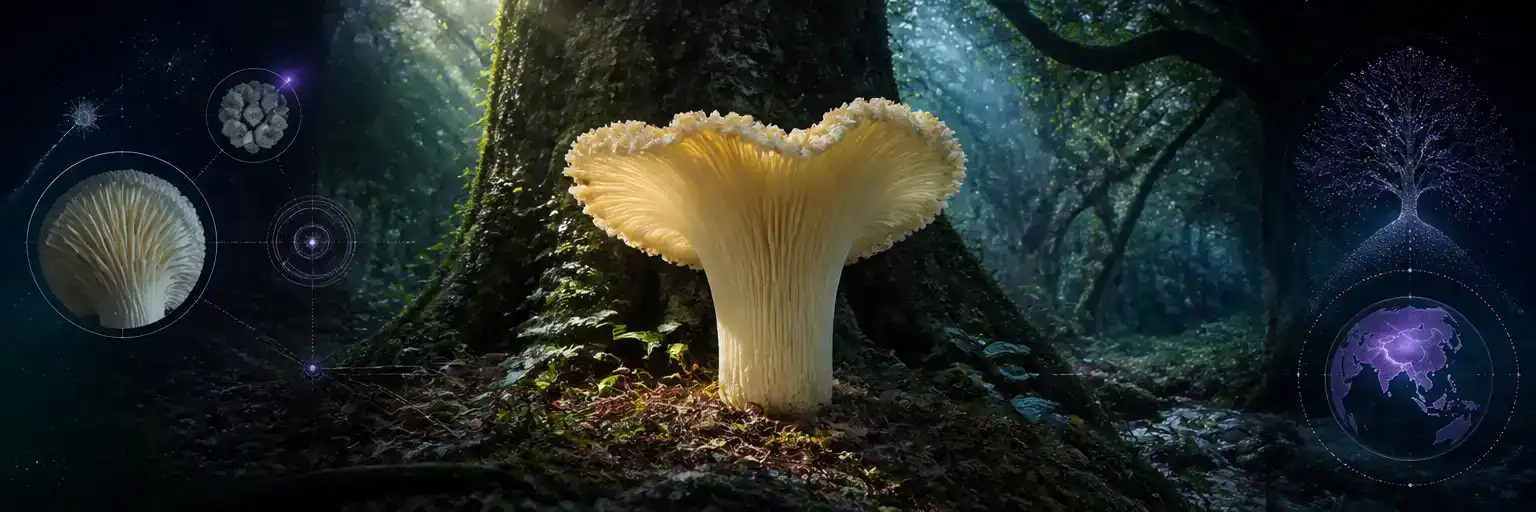
A 2.2-kilo fungus from Yunnan is being sold as a relic of the dinosaur age. The coverage says something different, and the gap is the real story.
A Stanford-led study says the brain grows from two distinct cell lineages. It's a fascinating hypothesis about evolution, not a reason to tear up how we understand the brain.
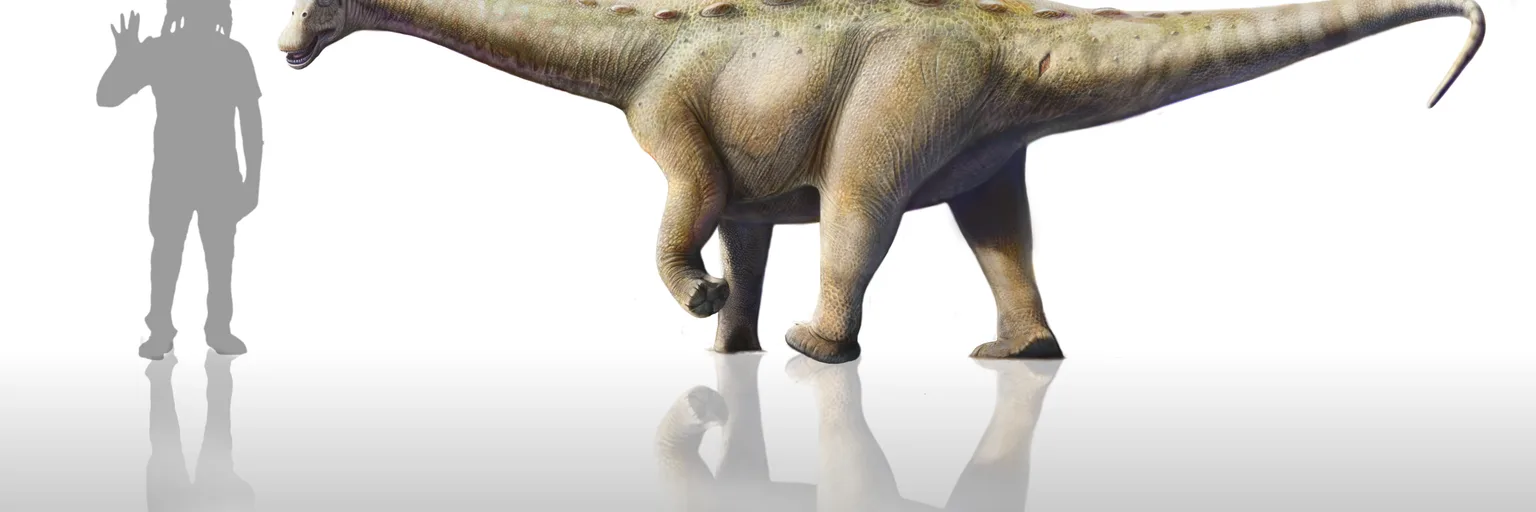
A five-to-six-meter titanosaur from São Paulo shows that even the lineage famous for giants could shrink when the environment demanded it. Size is a response, not a goal.
A 415-million-year-old scorpion the size of a dog says less about monsters than about empty ecosystems, and about how little we know of life's first steps onto land.
Erhaia dijiang did not become strange for its own sake: in darkness, isolation and scarcity, sight became expendable—and its tiny habitat became precious.
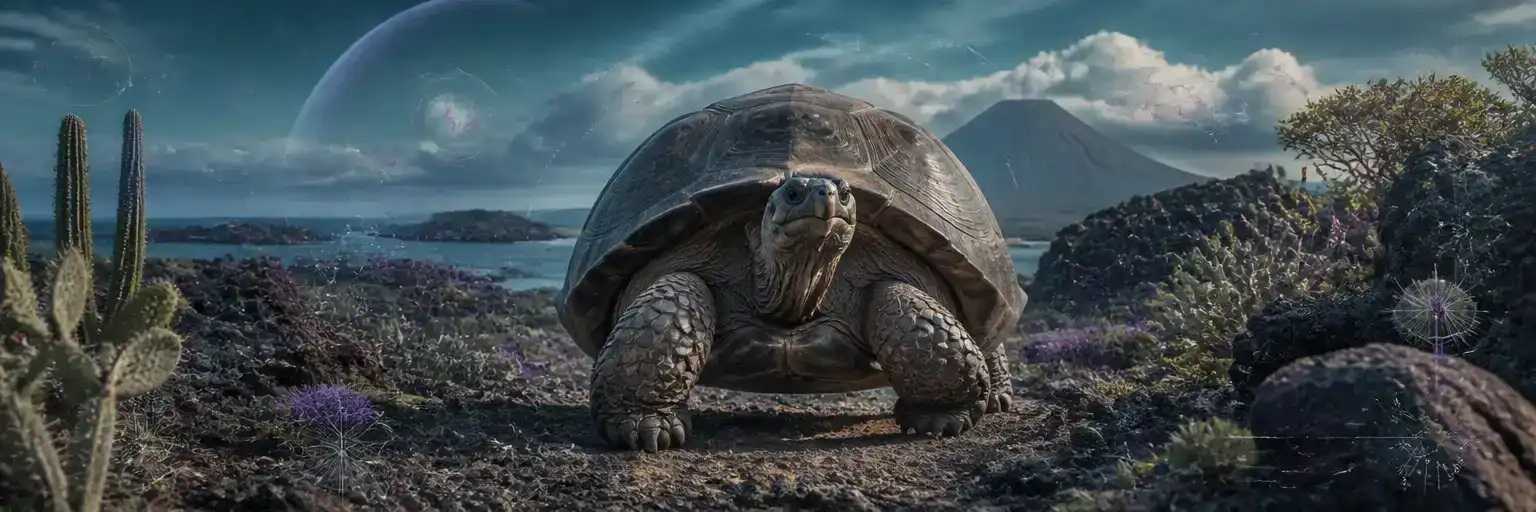
The rediscovery of the Fernandina giant tortoise, long thought extinct, is a powerful reminder of nature's resilience and the critical importance of persistent conservation efforts in unexpected places.
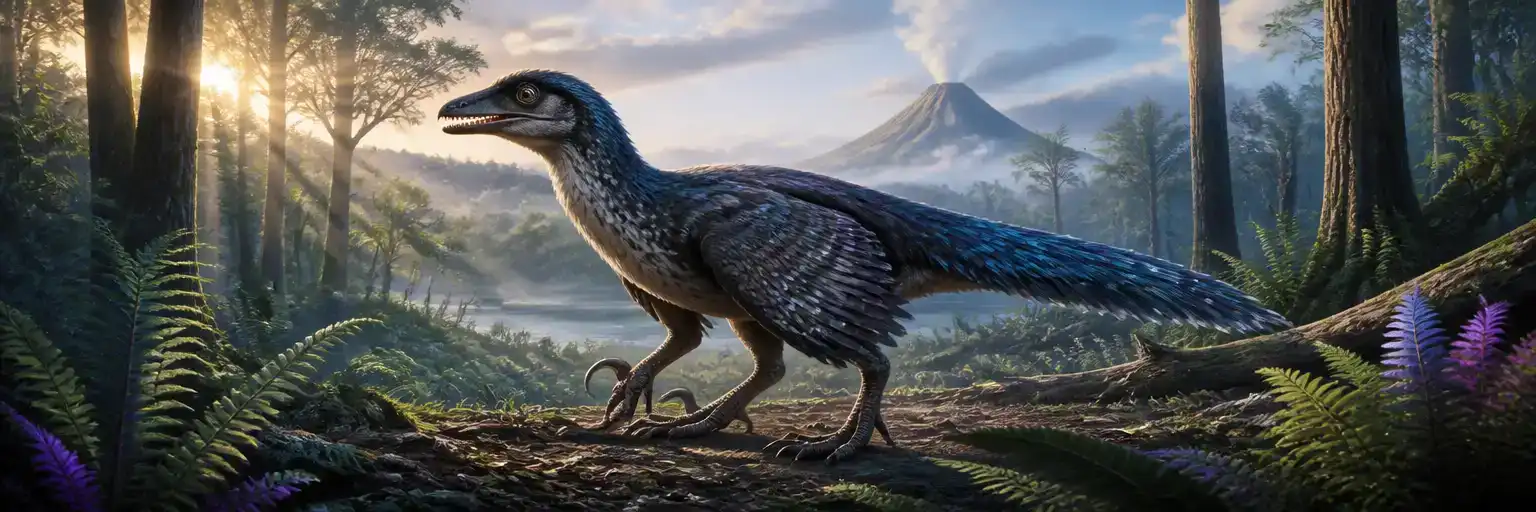
The discovery of a 150-million-year-old flightless bird fossil in China is compelling scientists to rethink the foundational drivers of avian evolution.
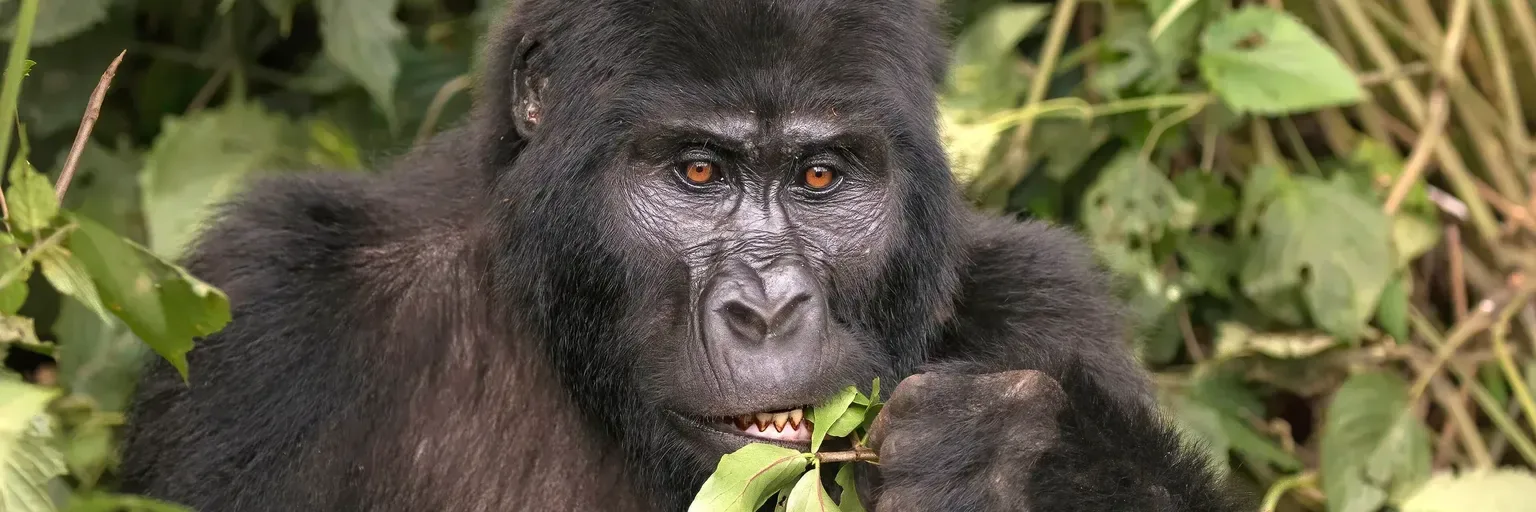
A new study revealing post-reproductive longevity in mountain gorillas upends assumptions about aging in the animal kingdom, offering critical insights into the evolutionary roots of human menopause.
The discovery of a colossal 65-million-year-old fungus in China, named Dianjunus rex, not only redefines our understanding of fungal scale but also offers a profound glimpse into Earth's post-dinosaur ecosystems.
New research from Mongolia challenges a long-held assumption, suggesting animal life may have emerged 200 million years earlier, demanding a fundamental rethink of evolutionary timelines.
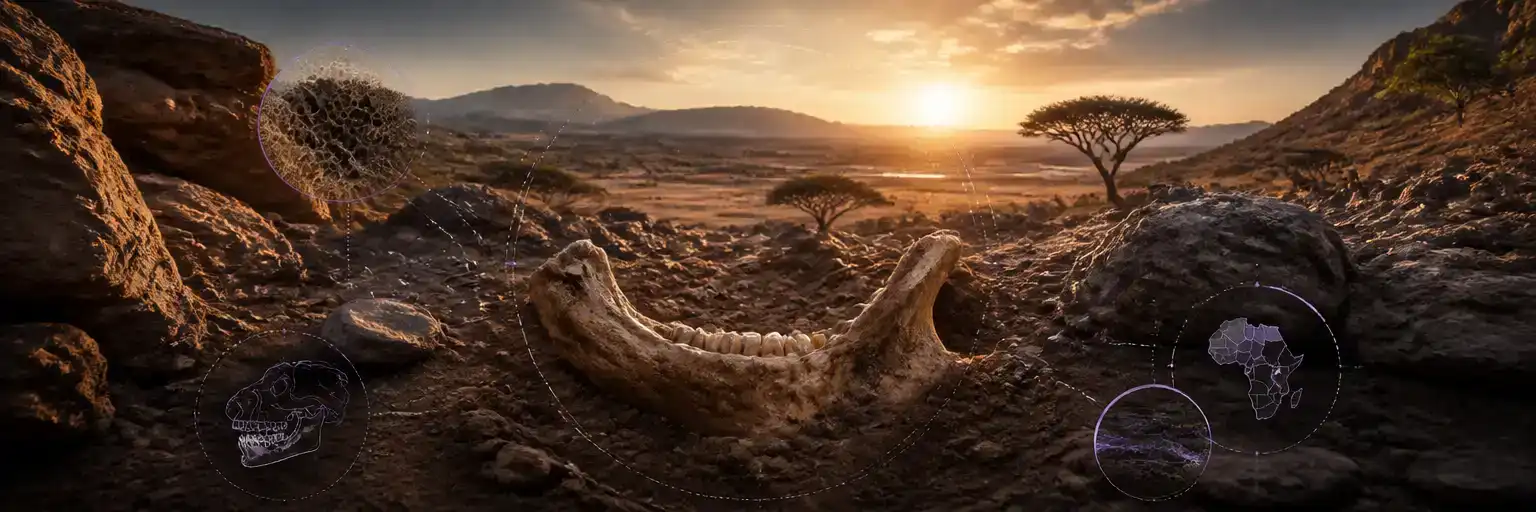
A newly described 2-million-year-old adult Homo erectus fossil from South Africa challenges existing theories on our ancestors' timeline and geographical origins.
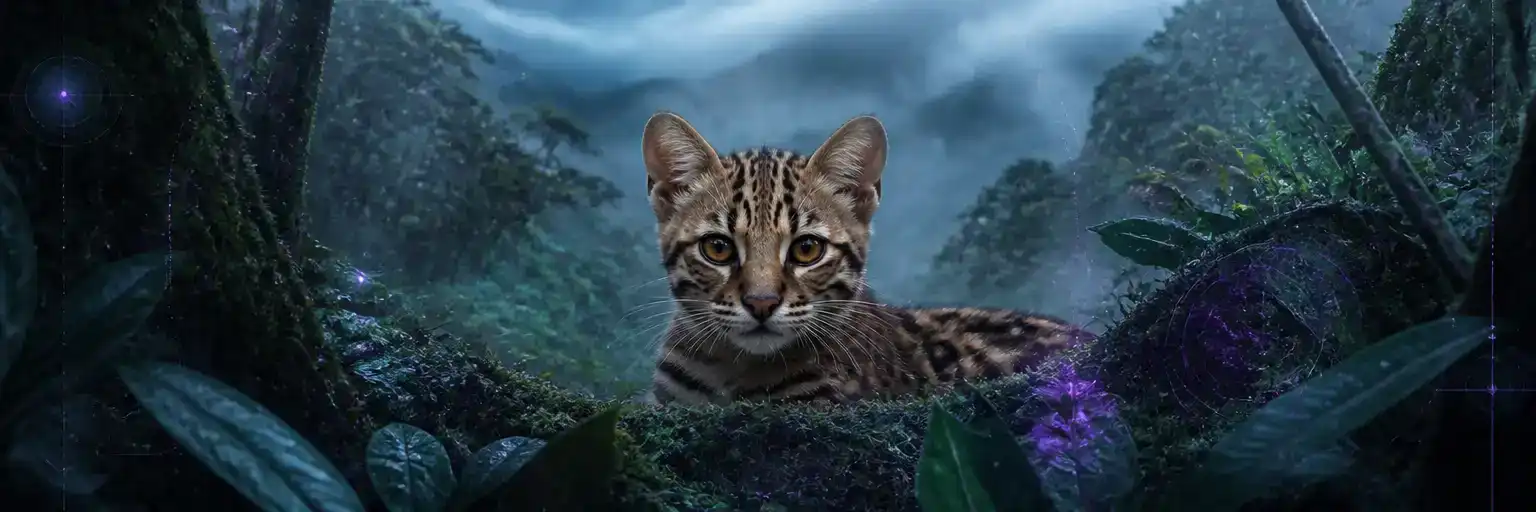
The identification of *Leopardus tilcayo* in Bolivia, the first new wild cat in over a century, underscores the vibrant hidden biodiversity in remote ecosystems and the indispensable role of local communities in safeguarding these natural treasures.
New research challenges the long-held belief of a single origin for the human brain, suggesting it formed from two distinct embryonic systems, an insight that could revolutionize neurodevelopmental research.
Recent findings from Chilean scientists in Patagonian wild yeast challenge conventional views on adaptation, suggesting evolution is more complex and dynamic than previously thought.