Nitrogen on Mars is a necessary ingredient, not evidence of life
Curiosity's detection of usable nitrogen strengthens the case that ancient Mars was habitable, but a pantry stocked with chemistry tells us nothing about whether anyone cooked.
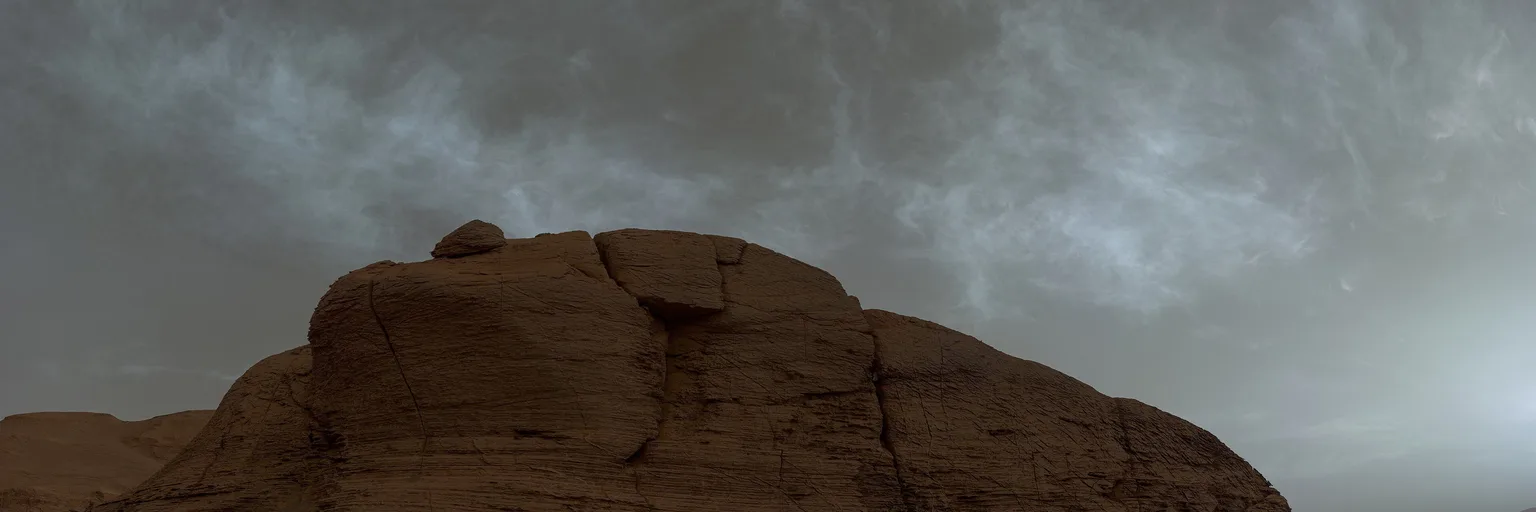
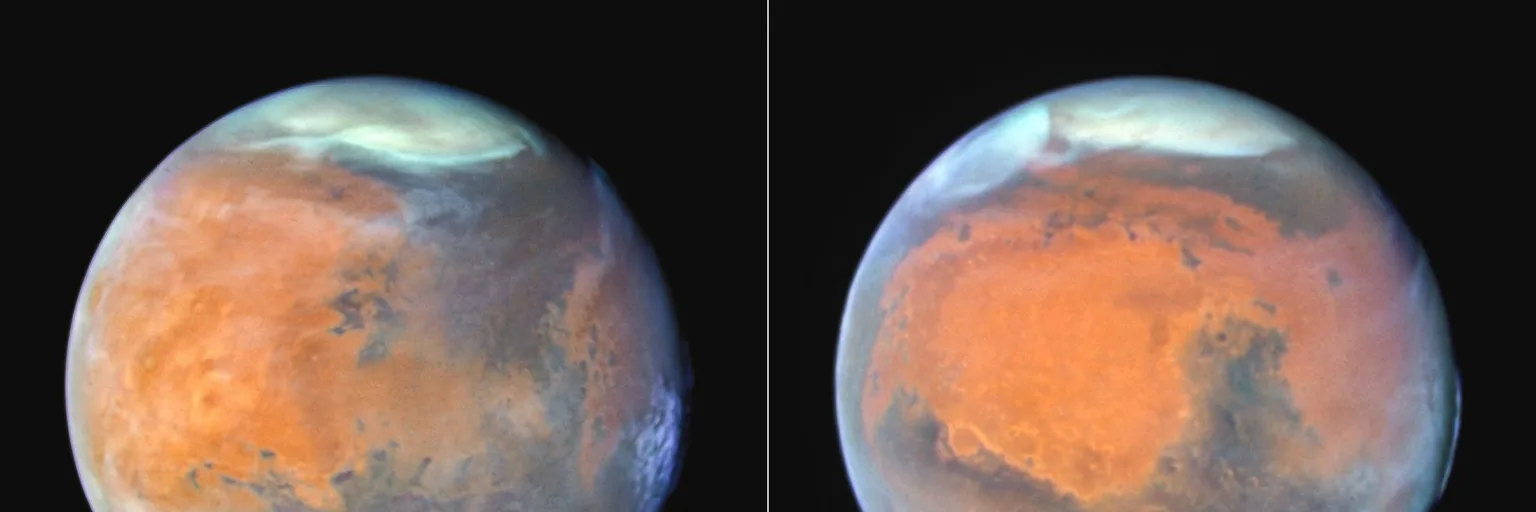
Hydrogen chloride over Alba Mons suggests Mars still has a working interior. That is a reason to rethink where we look for life, not to announce it.
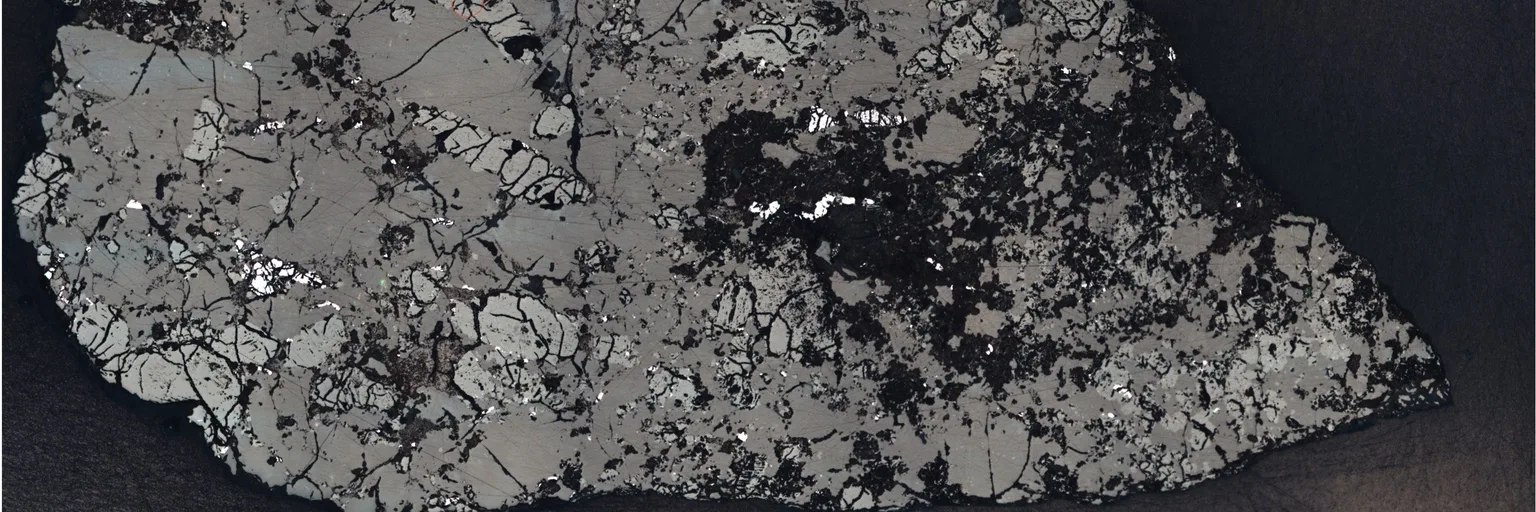
Teghaza 001, a meteorite at least 4.1 billion years old, hints at a wetter early Mars. It also shows why a lucky find from the desert needs careful, modest reading.
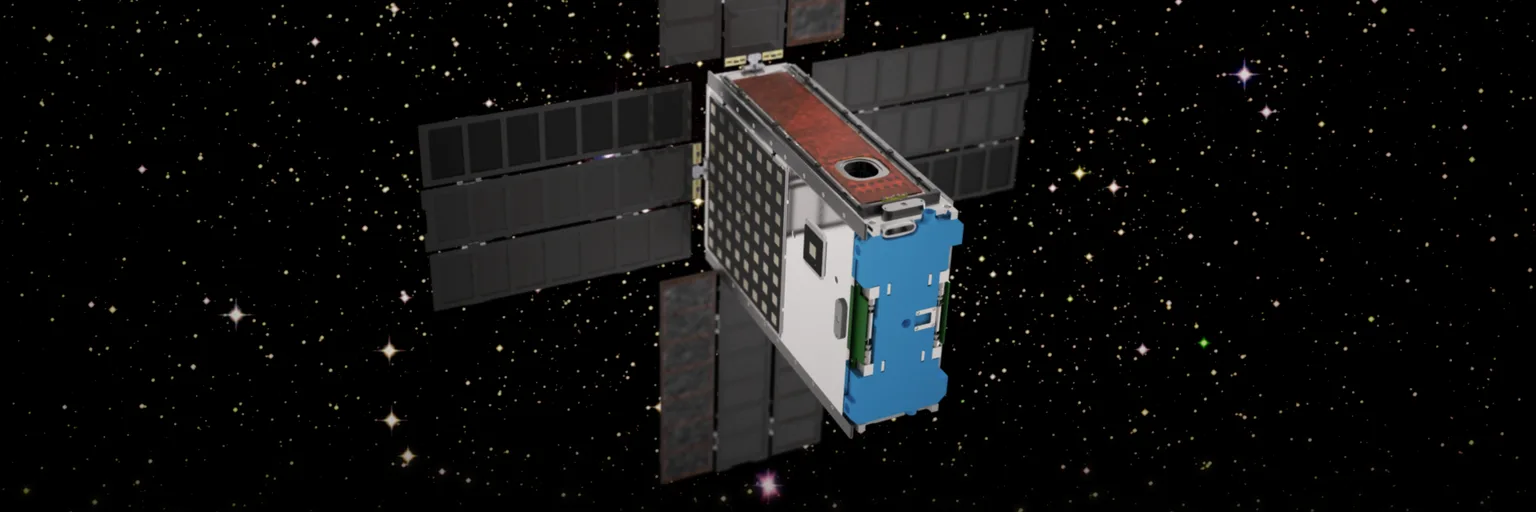
A black mold grew in every sample around the Moon, while a yeast likely expired before launch. The lesson isn't that fungi are tough; it's that deep-space biology lives or dies on controls.
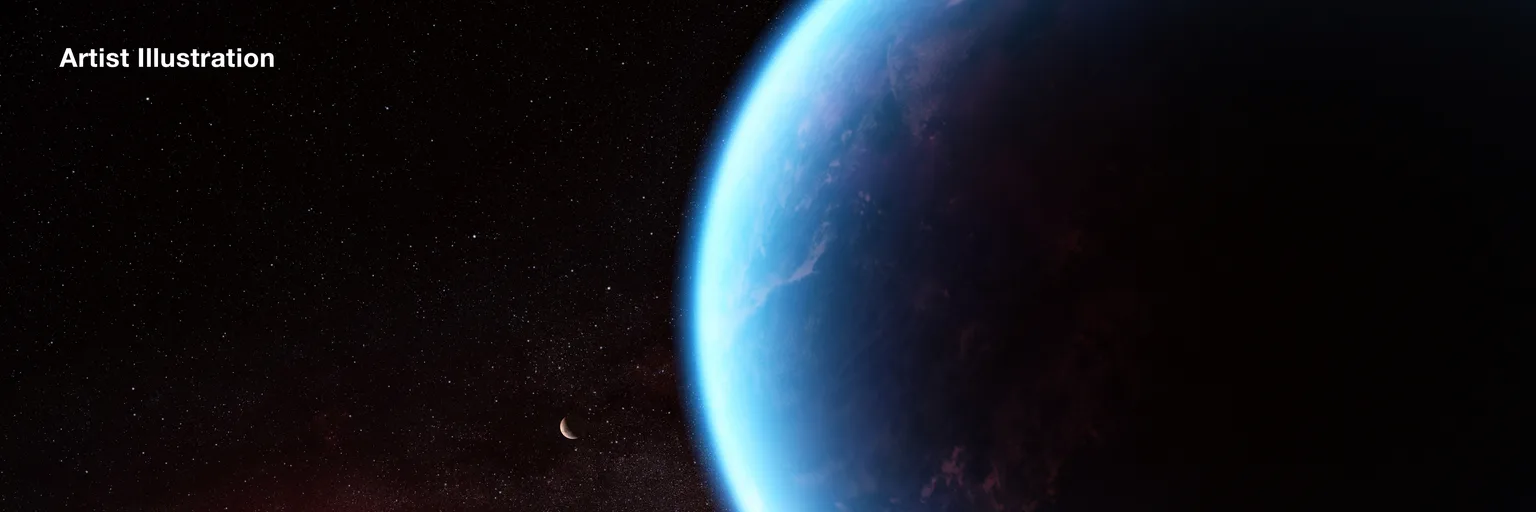
Headlines promise an "Earth-like" planet 49 light-years away. The data show something stranger and more interesting: a strong water-world candidate whose atmosphere is still unconfirmed.
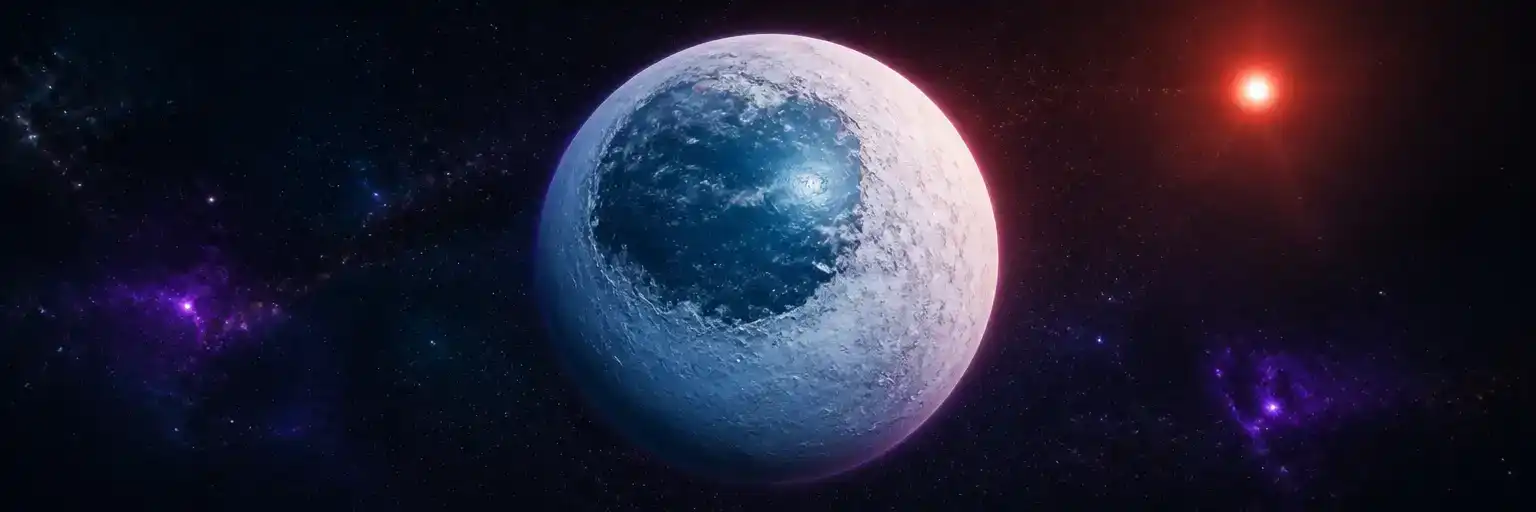
A groundbreaking study suggests that moons orbiting starless rogue planets could harbor liquid water for billions of years, radically expanding our search for extraterrestrial life.
A recent discovery of fungal communities thriving deep beneath Michigan's surface, extracting energy from ancient rocks, forces us to rethink the very boundaries of life on Earth and its impact on global carbon cycles.
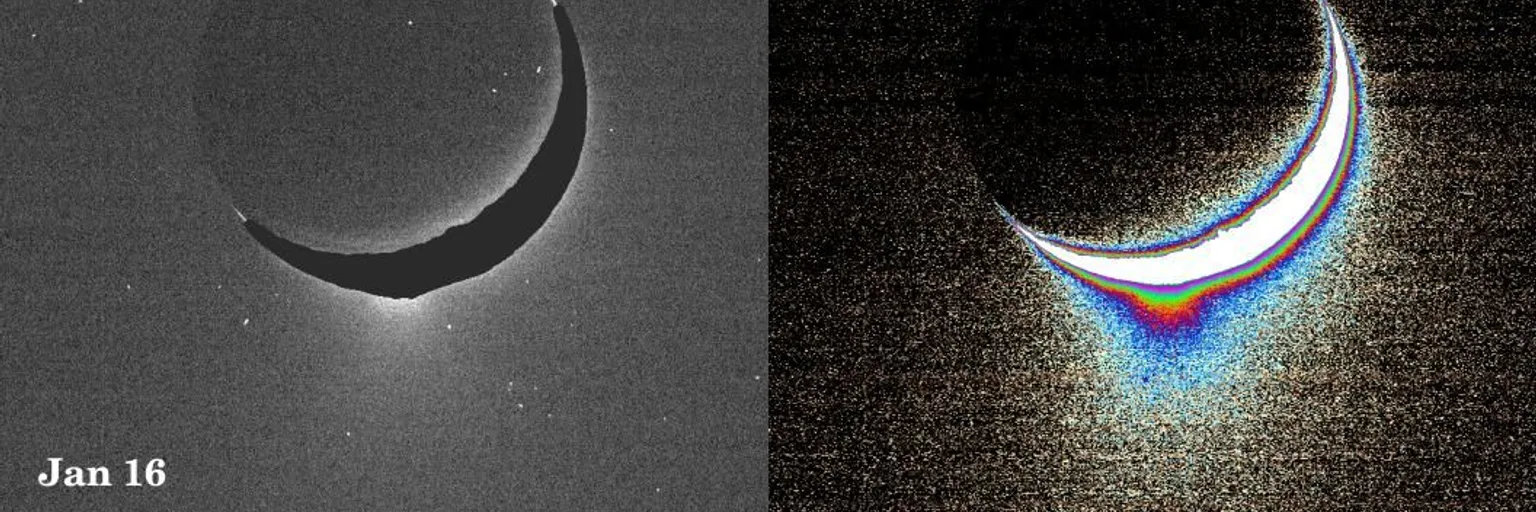
New research shows Saturn’s moon Enceladus is not just habitable, but actively aids in the search for life by 'preparing' samples for us.
Recent findings by physicists at Queen Mary University of London reveal that the universe's fundamental constants are not just tuned for matter, but precisely for the liquid flow essential to all known life.
The discovery of thriving ecosystems 2,500 meters deep within the Earth's oceanic crust fundamentally reshapes our understanding of life's boundaries and hints at extraterrestrial possibilities.
A groundbreaking electrical nanogap sensor, developed by Osaka University, promises to revolutionize astrobiology by accurately distinguishing the chiral forms of amino acids, offering a robust method to detect life's unique molecular signature.