Thirteen possible homes for one Mars rock is a feature, not a flaw
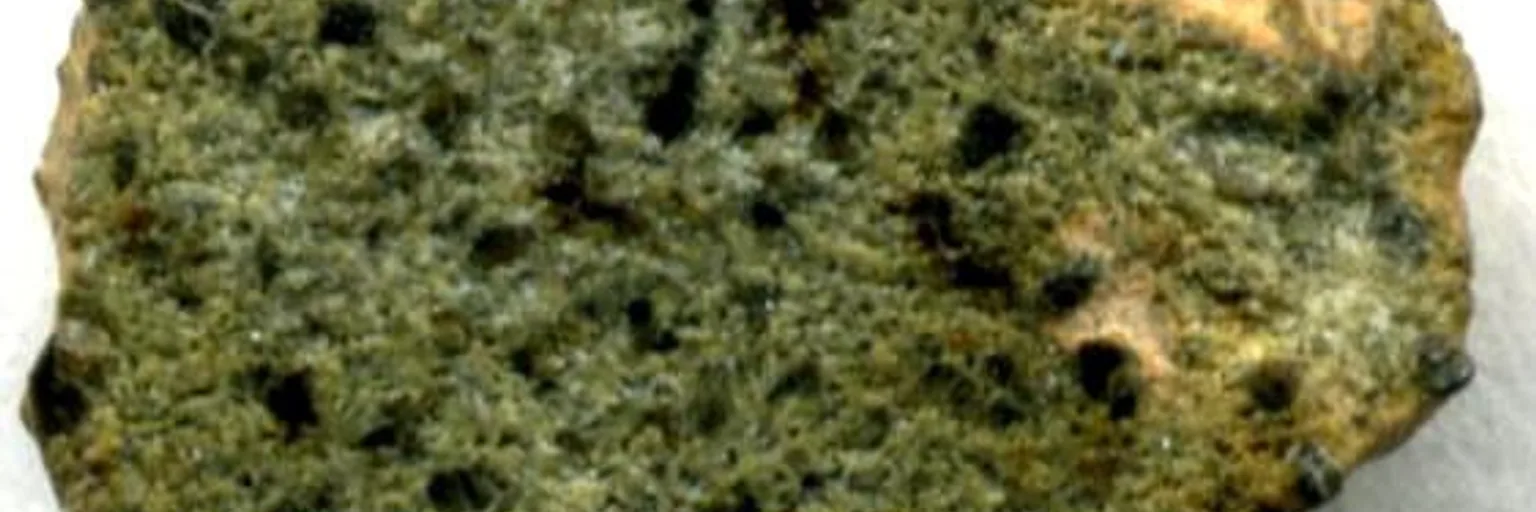
A 4.1-billion-year-old meteorite with 13 candidate source sites shows how little a rock's age tells us without its geological setting, and why Mars sample return still matters.
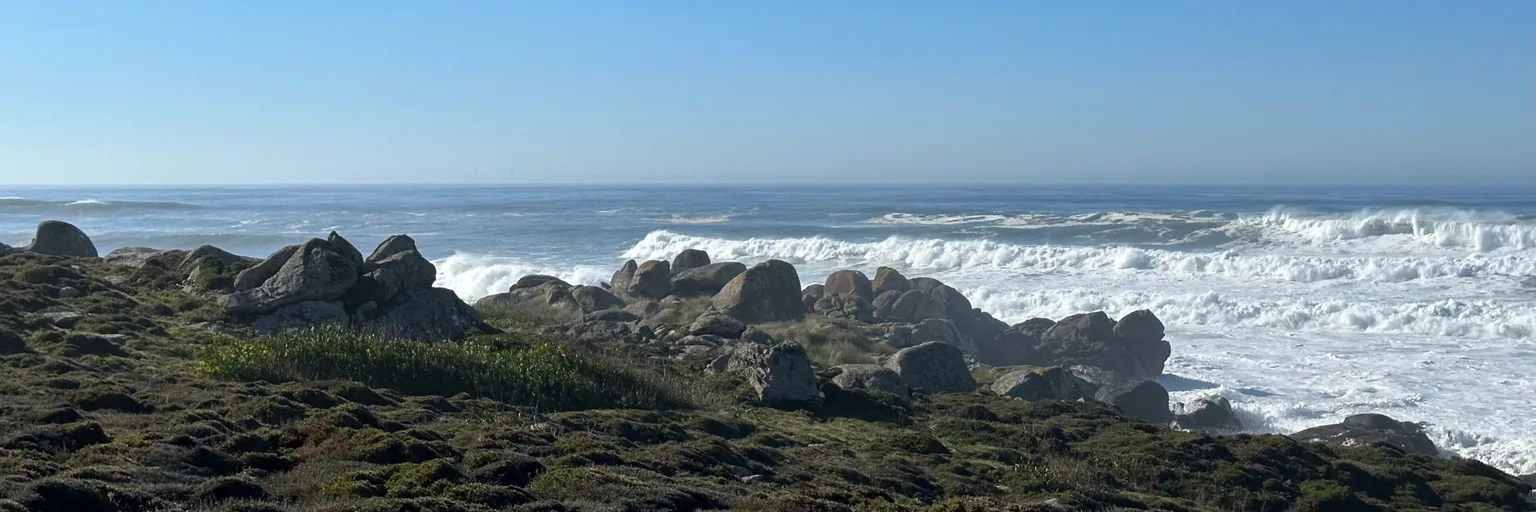
A possible new subduction zone off Portugal is real science. The "end of the Atlantic" is a geological metaphor, and the tsunami risk is the part that deserves your attention.
A century of cosmic-origin lore around black, porous diamonds is being challenged by carbon that looks like it came from ancient living things. The lesson is about scrutiny.
Six huge collapses in New Horizons images show Pluto's surface has been reshaped in ways we hadn't confirmed. That's progress, but it's not proof of present-day activity.
A Japanese supervolcano is recharging, but coverage of the study stresses that this does not mean an eruption is imminent. The real value is learning what to watch.
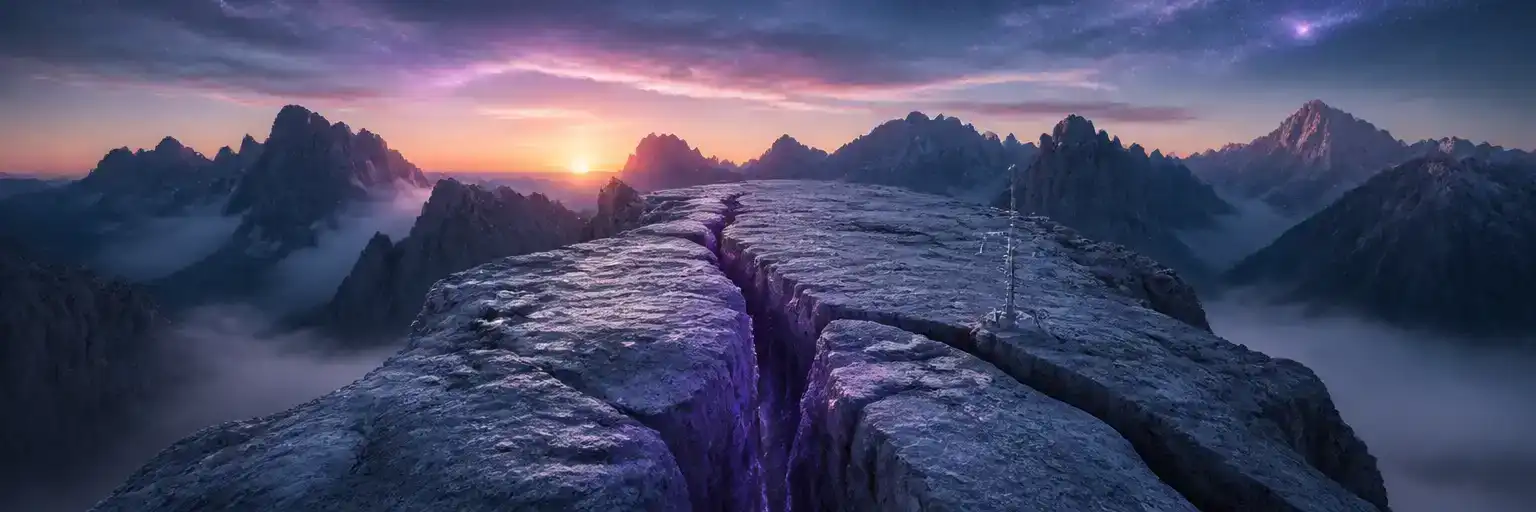
A summit splitting at up to five millimeters a week shows how water and warming loosen the Alps, and why the mountain's best sensors may matter more than its collapse.
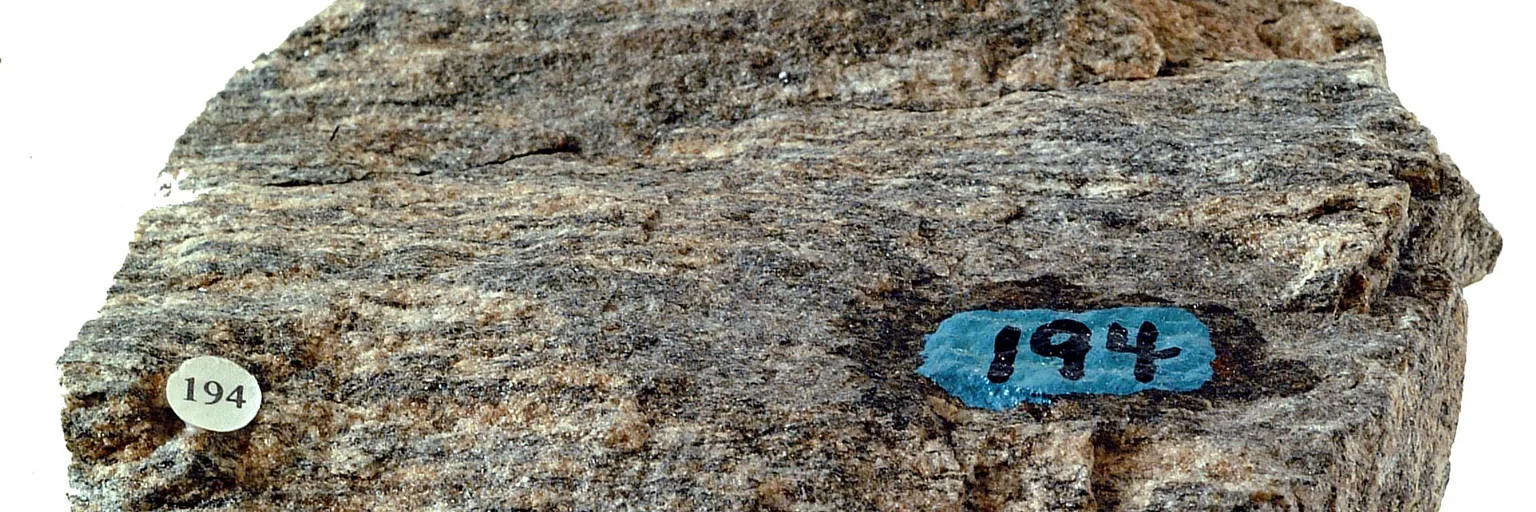
A rock carried more than 90 kilometers underground preserves a rare thermal history—but one anomalous sample is evidence to investigate, not permission to discard every model.
The discovery of precisely 42,458 similar seabed holes in the North Sea, once attributed to gas leaks, now reveals surprising biological activity fundamentally altering our view of seafloor dynamics and marine life's impact.
The recent measurement of Mont Blanc's altitude to 4,807.47 meters is far more than a numerical update; it's a testament to advanced geodetic science revealing critical environmental dynamics through unprecedented precision.
Recent discoveries beneath the streets of Araraquara are not just about ancient reptiles; they reshape our understanding of Brazil's prehistoric desert ecosystems and the surprisingly diverse creatures that once roamed them.
A recent discovery of fungal communities thriving deep beneath Michigan's surface, extracting energy from ancient rocks, forces us to rethink the very boundaries of life on Earth and its impact on global carbon cycles.
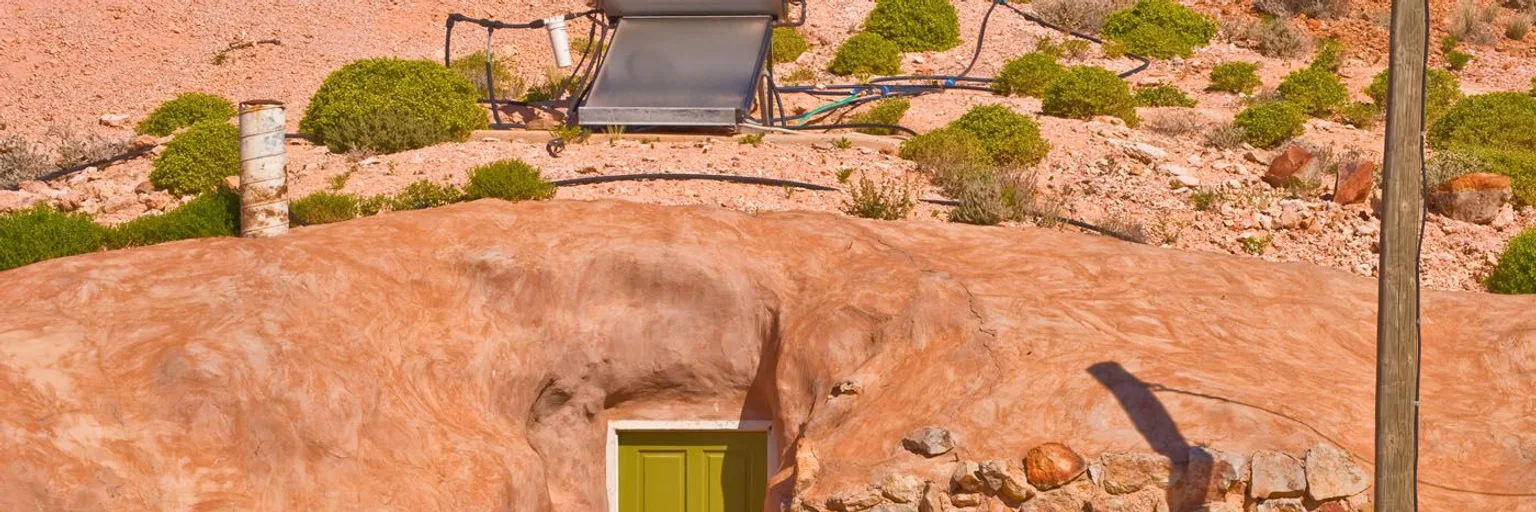
The remote Australian town of Coober Pedy, where residents live in subterranean homes to escape extreme heat, offers profound lessons in human resilience and sustainable adaptation in an era of escalating climate challenges.
New research from Mongolia challenges a long-held assumption, suggesting animal life may have emerged 200 million years earlier, demanding a fundamental rethink of evolutionary timelines.
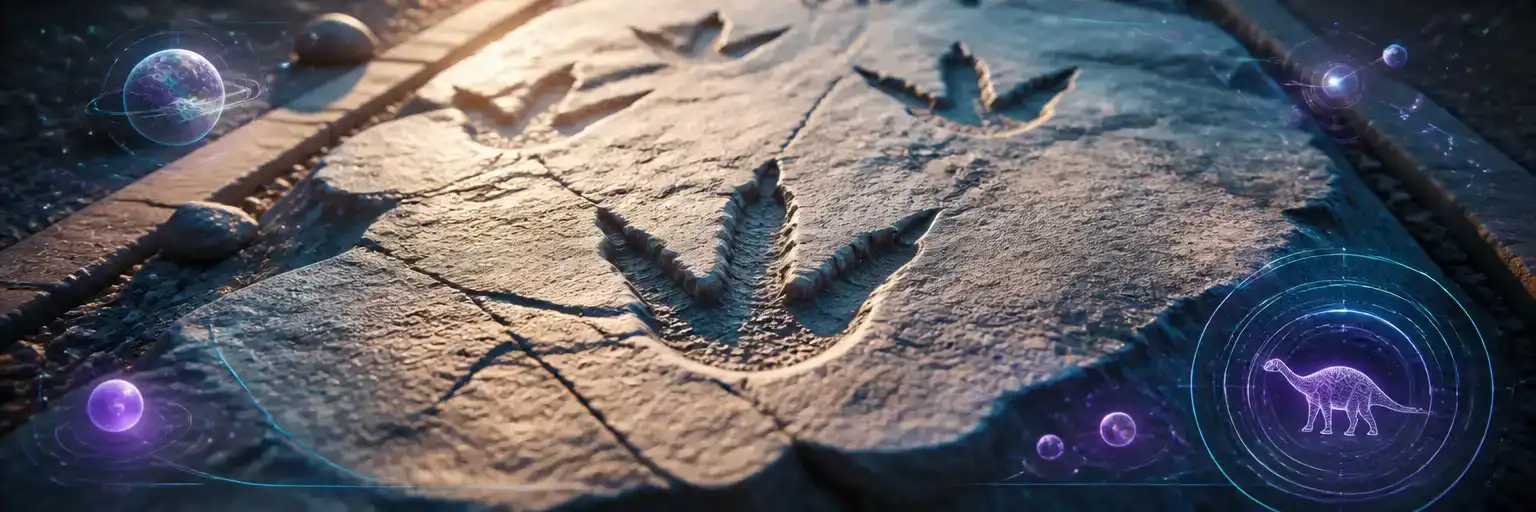
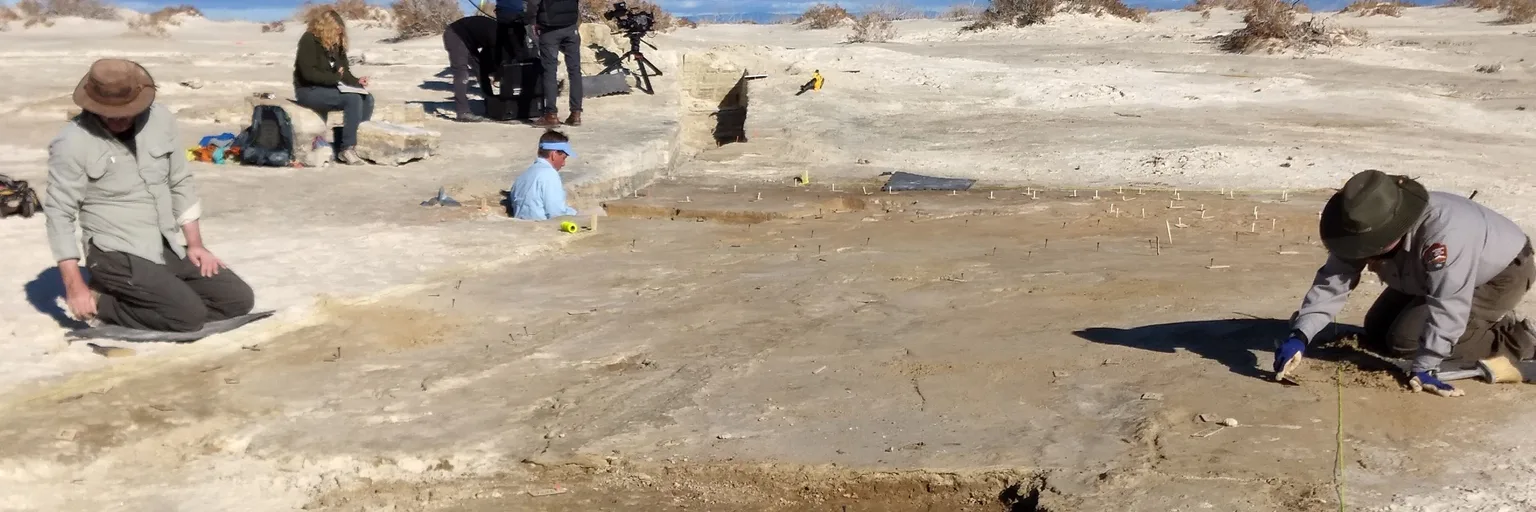
The recent discovery of an adult Tyrannosaurus rex trackway in North Dakota provides an unprecedented and rare window into the locomotion and sheer scale of this iconic dinosaur.
New findings of 530-million-year-old rocks in Val Chisone reveal an ancient fragment of the supercontinent Gondwana, compelling geologists to fundamentally rethink the Alps' true origins.
A recent discovery in Quebec by an amateur astronomer using readily available mapping technology underscores the profound and often overlooked potential of citizen science in planetary geology.