Curisfera Newsroom
Antibodies may explain preterm birth—but they are not prevention yet
A new antibody signal could make preterm birth more measurable, but turning an association into a safe prenatal test or treatment will take far more evidence.
A new antibody signal could make preterm birth more measurable, but turning an association into a safe prenatal test or treatment will take far more evidence.
Turritopsis dohrnii does not offer a fountain of youth. Its real value is showing how an adult body can reorganize itself under stress.
A New England Journal of Medicine trial strengthens immune-targeted treatment, but the hard part is turning fewer toxic drugs into an accessible standard of care.
A novel injectable drug that eliminates fat cells rather than merely shrinking them promises a targeted approach to reducing dangerous visceral fat, potentially revolutionizing long-term obesity treatment.
Professor Michele Carbone's Szent-Györgyi Prize for his mesothelioma discoveries underscores the profound impact of genetics and the indispensable role of cross-cultural scientific collaboration in transforming public health.
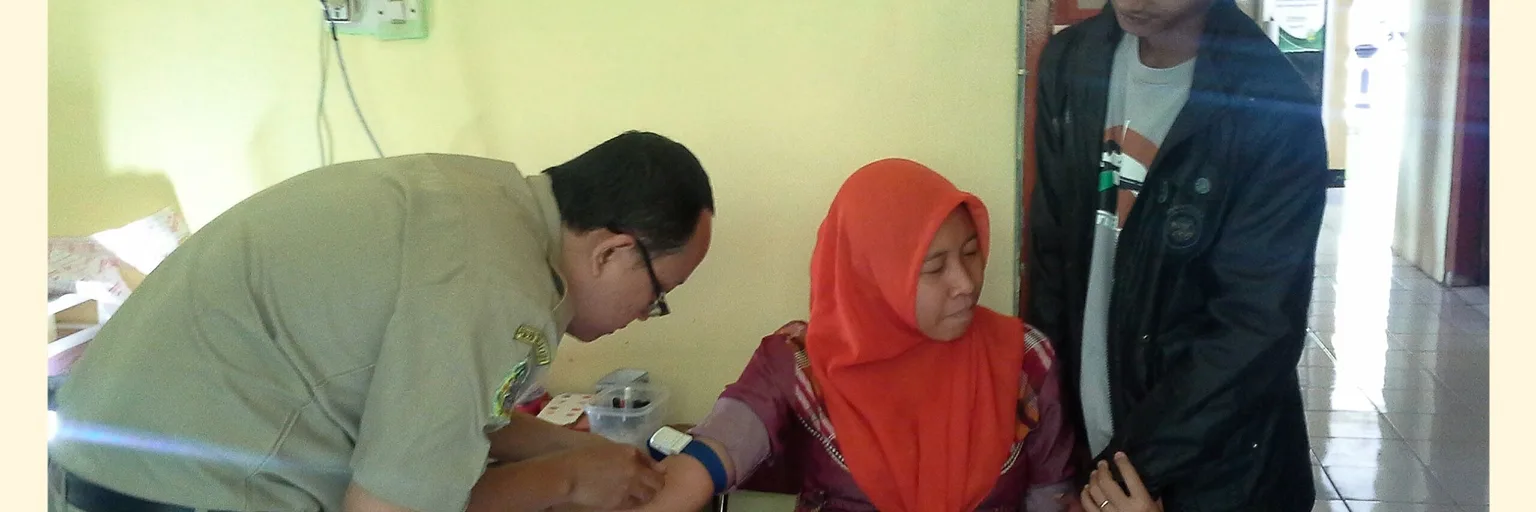
Myalgic Encephalomyelitis/Chronic Fatigue Syndrome is a severe, multi-systemic illness that profoundly limits daily life, yet it remains critically underdiagnosed and in need of scientific breakthroughs.
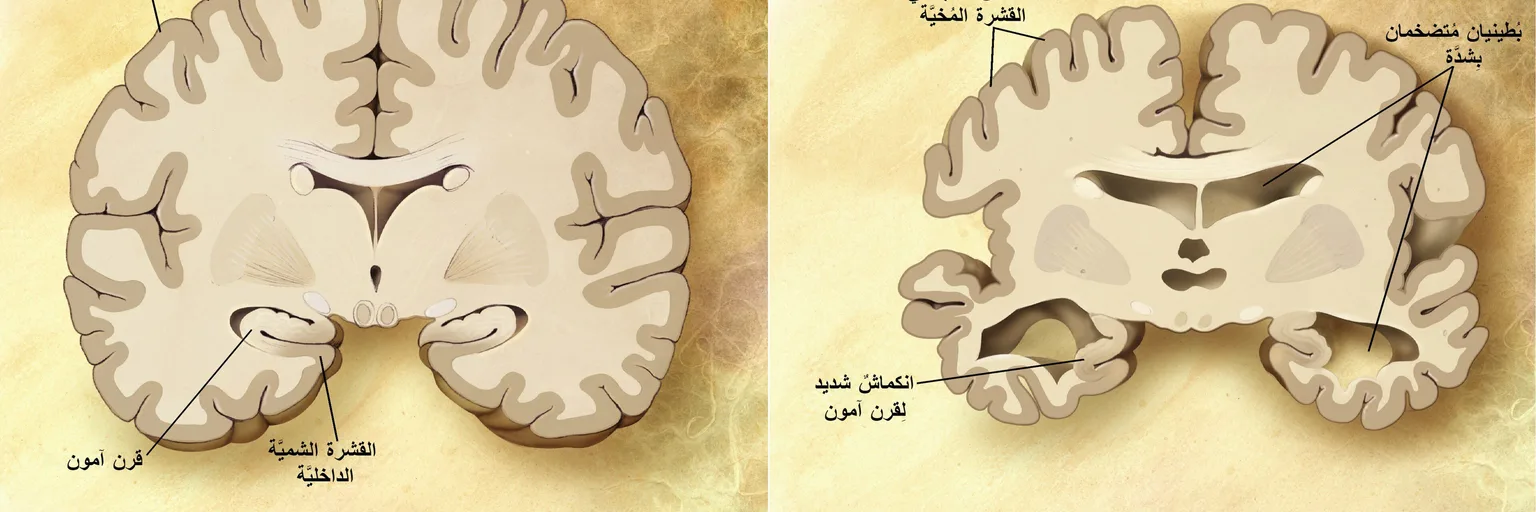
Mounting evidence strongly links common herpesviruses to Alzheimer's disease, reshaping our understanding, yet clinical trials show the path to treatment remains complex.
New research from the Université libre de Bruxelles and University of Cambridge reveals fundamental sex-specific differences in how skin renews, challenging traditional dermatological approaches and promising tailored treatments.
The horrifying case of a Guatemalan teen mistakenly declared dead and waking in her coffin exposes critical flaws in diagnostic protocols, urging an immediate global reevaluation of medical verification, especially in underserved communities.
The surprising role of narcoleptic dogs, particularly one named Watson, has been pivotal in unraveling the genetic and neurological mechanisms of narcolepsy, paving the way for groundbreaking human treatments.
A groundbreaking discovery from Stanford offers a new perspective on treating osteoarthritis, moving beyond merely repairing damage to unlocking the body's inherent regenerative power.
The Italian Medicines Agency's significant investment in the CARtoALL project isn't just funding research; it's solidifying Italy's position as a leader in advanced, life-saving CAR T-cell therapies for aggressive blood cancers.
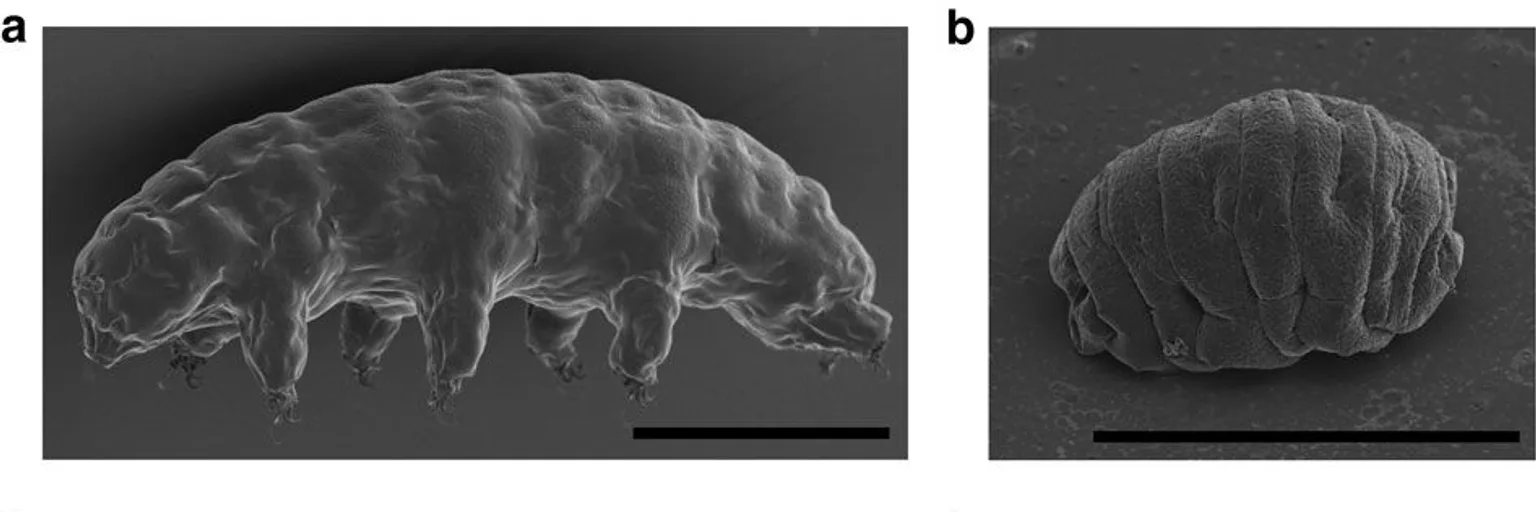
The remarkable resilience of tardigrades is no longer just a biological curiosity; its proteins could soon protect human cells, signaling a revolutionary shift in medicine.
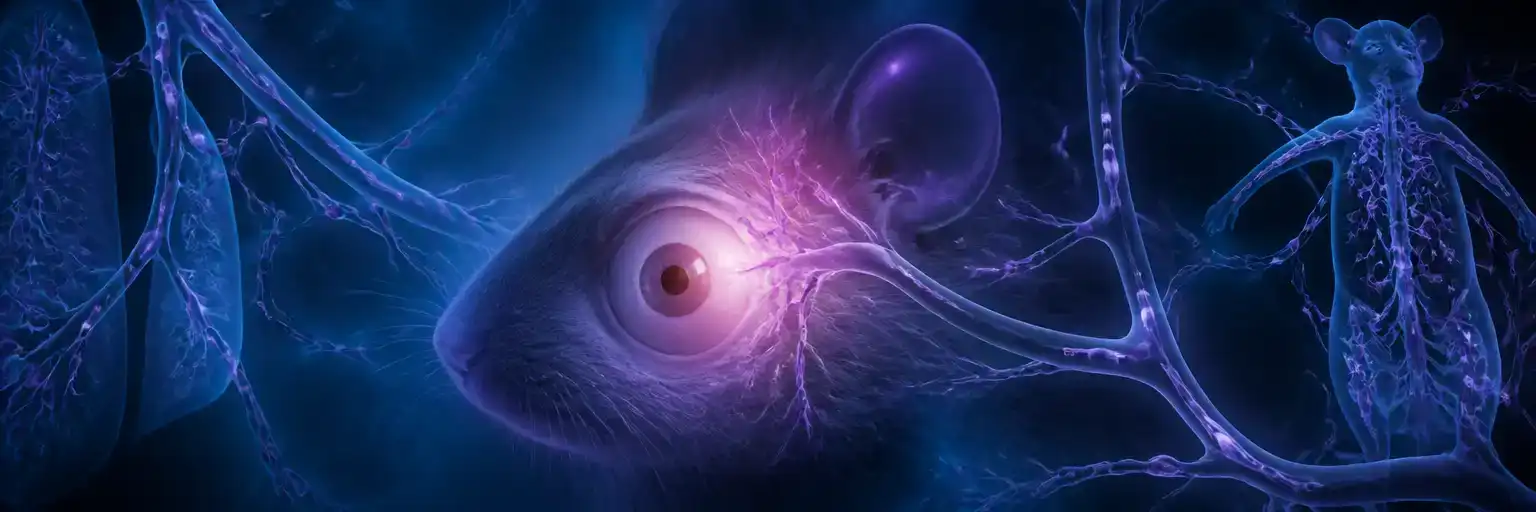
A groundbreaking discovery of a previously unknown lymphatic drainage system in the mouse eye challenges a century of scientific belief and offers promising new avenues for treating human vision loss.
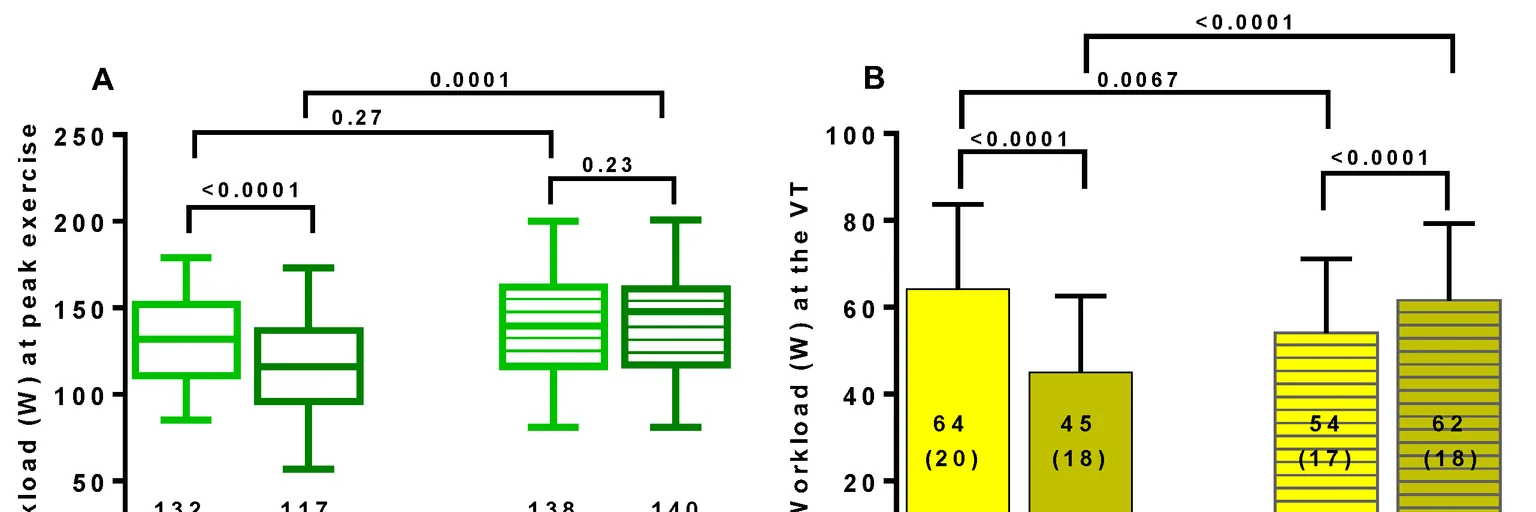
New research challenges our assumptions about cardiovascular care, suggesting that a simple hot bath might offer a significant, immediate blood pressure reduction, comparable to moderate exercise, for those who struggle with physical activity.
New research challenges the long-held belief of a single origin for the human brain, suggesting it formed from two distinct embryonic systems, an insight that could revolutionize neurodevelopmental research.
The extraordinary story of a kidney functioning for a century challenges our perceptions of organ longevity and underscores the profound impact of decades of advancements in transplantation.