Curisfera Newsroom
Google's orbital haiku is a stunt; the data center is the question
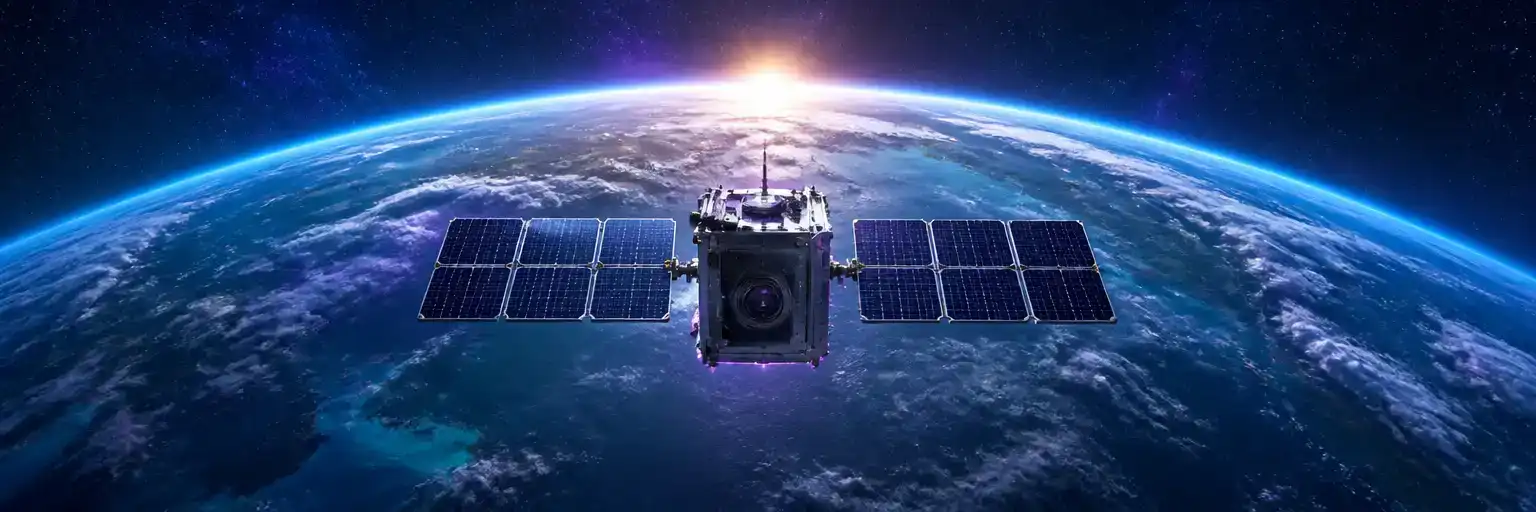
A satellite wrote a haiku with a Google TPU. Charming, but the real test of orbital AI is radiation, heat and economics, and none of that has been proven yet.
A satellite wrote a haiku with a Google TPU. Charming, but the real test of orbital AI is radiation, heat and economics, and none of that has been proven yet.
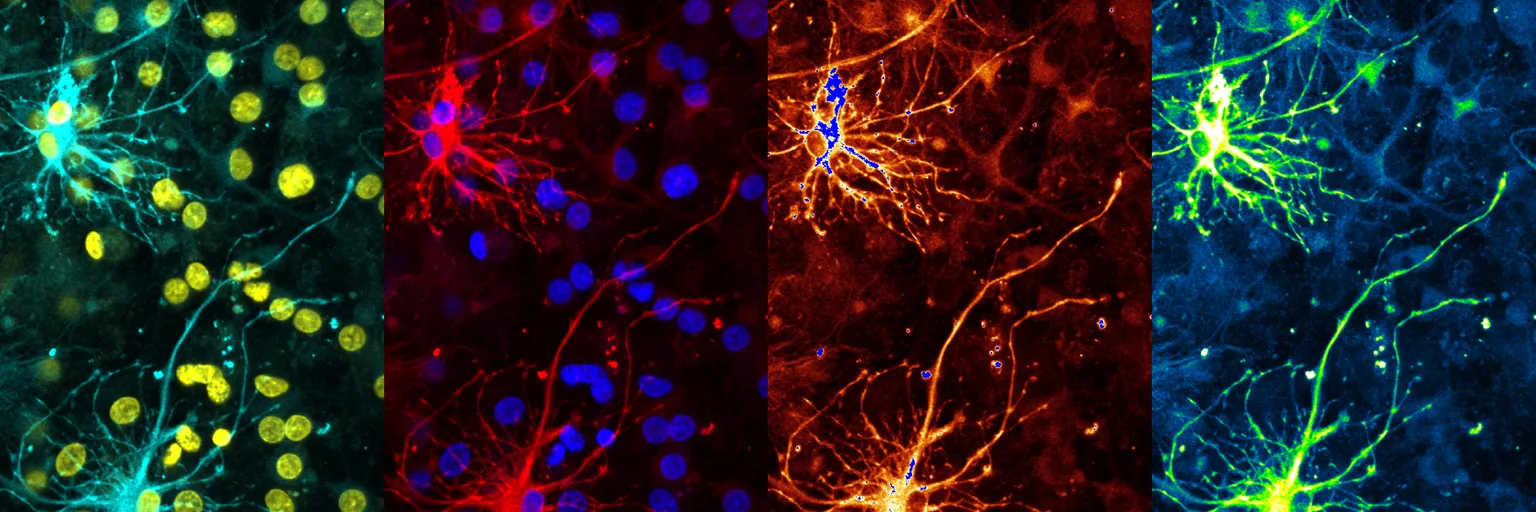
A Chinese Science study says single neurons can compare rules with sensory input. The real lesson is about biology's textbook model, not about brain-like machines.
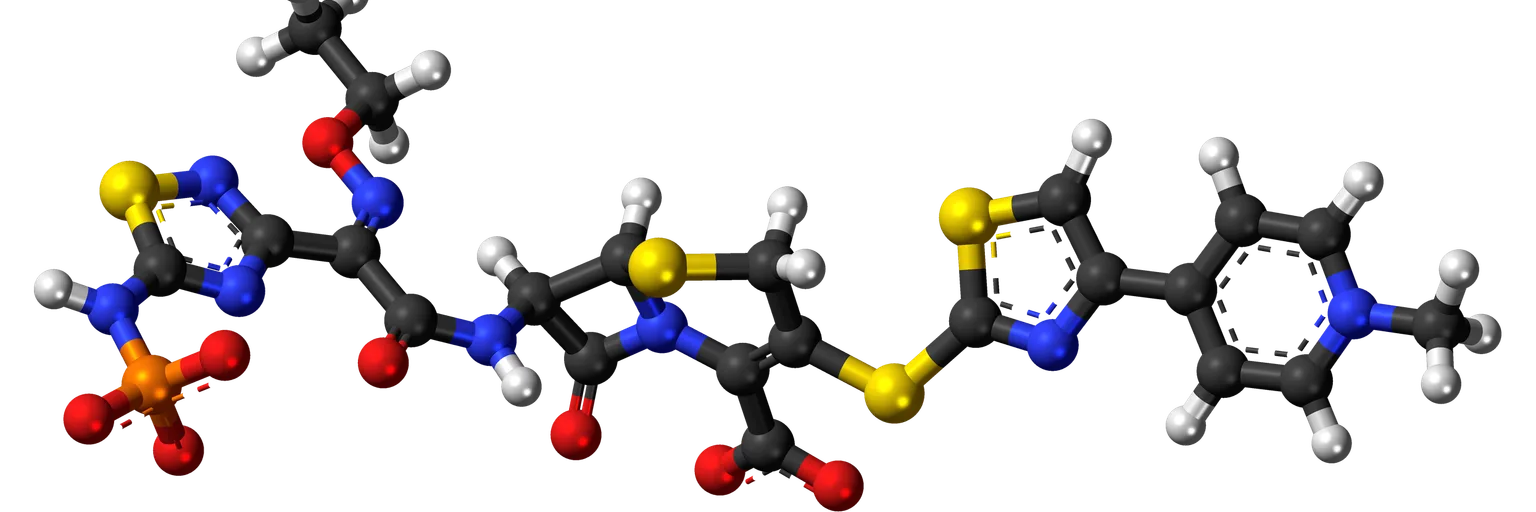
A new class of effective antibiotic molecules, powered by innovative AI, signals a pivotal moment in our urgent battle against drug-resistant bacteria, offering a potential paradigm shift in life-saving drug development.
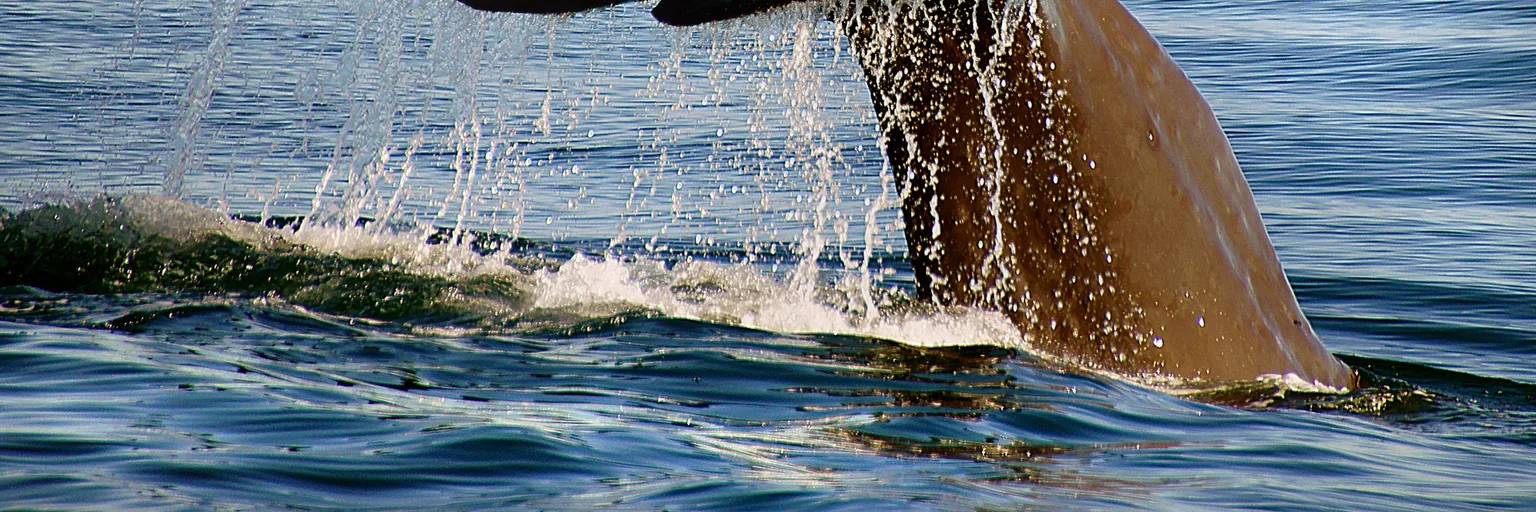
The latest breakthroughs in deciphering sperm whale communication are not merely a scientific curiosity but a profound re-evaluation of animal cognition and our place in the natural world.
A landmark collaboration between CERN and Mistral AI signals a future where advanced foundation models are indispensable allies in unraveling the universe's most profound mysteries, not mere tools.
The dramatic expansion of the Nazca Lines catalog, driven by artificial intelligence, reveals not only more ancient geoglyphs but also a profound shift in how we discover and interpret the past.
The AI-assisted discovery of a unique 3D Einstein tile, capable of filling space without repeating patterns, marks a profound shift in our understanding of mathematical symmetry and the physical structures that can exist in the universe.
Shou Zi Chew's optimistic forecast of AI-driven scientific breakthroughs within three years highlights AI's transformative potential, but also underscores urgent questions about human oversight and ethical boundaries in this accelerated future.
The recent discovery of a unique ultrasonic vocalization in rats enjoying chocolate offers an unprecedented, real-time window into animal pleasure, fundamentally reshaping our understanding of reward states and emotional expression.
OpenAI's recent mathematical achievements signal a profound shift, demonstrating how artificial intelligence is not just a tool, but a catalyst for fundamental scientific progress.
A recent claim of an AI-driven enzyme discovery by Anthropic has been met with skepticism, underscoring that true scientific breakthrough demands more than just pattern identification.
The $300 million investment in Biohub's virtual cell project signals a new frontier for AI in biology, but its true impact hinges on predictive accuracy and equitable access to its vast datasets.
A groundbreaking electrical nanogap sensor, developed by Osaka University, promises to revolutionize astrobiology by accurately distinguishing the chiral forms of amino acids, offering a robust method to detect life's unique molecular signature.
The current administration proclaims a new era of scientific discovery, but a closer look reveals a worrying shift from public, merit-based funding to politically aligned private interests.
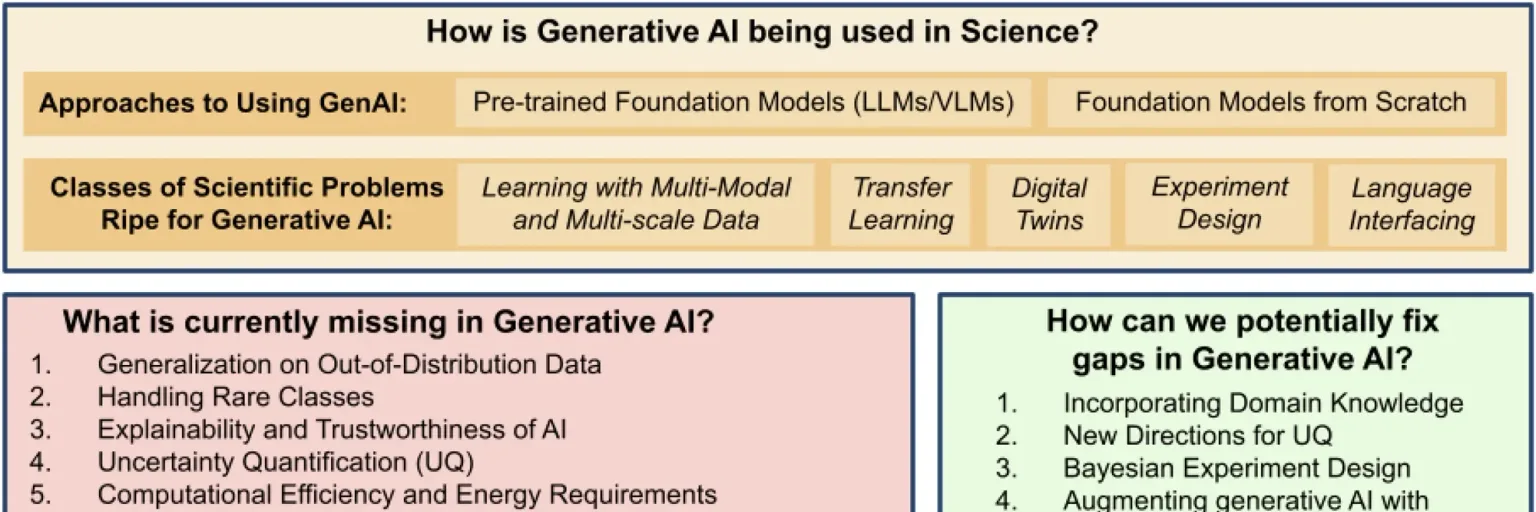
Seventeen nations have embraced a vision for science powered by 'super intelligence,' promising accelerated discovery but raising critical questions about trust, control, and the very nature of human ingenuity.
Nobel laureate Eric Cornell argues that the relentless pursuit of new questions and the inherent joy of discovery are the true engines of scientific advancement, distinguishing human ingenuity from mere problem-solving.