The deepest explosive volcanism ever found should humble ocean science
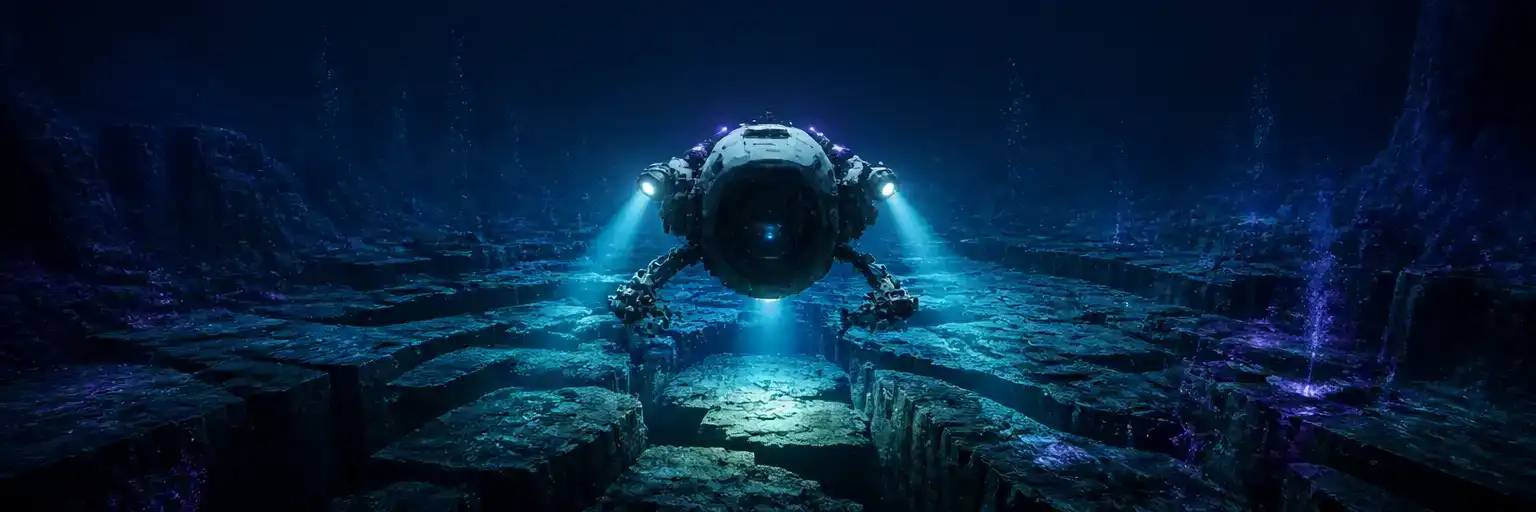
Pyroclastic rocks at over 6,000 meters in the Mariana Trench break a textbook rule about deep-sea eruptions, and they show why ocean exploration deserves steadier funding.
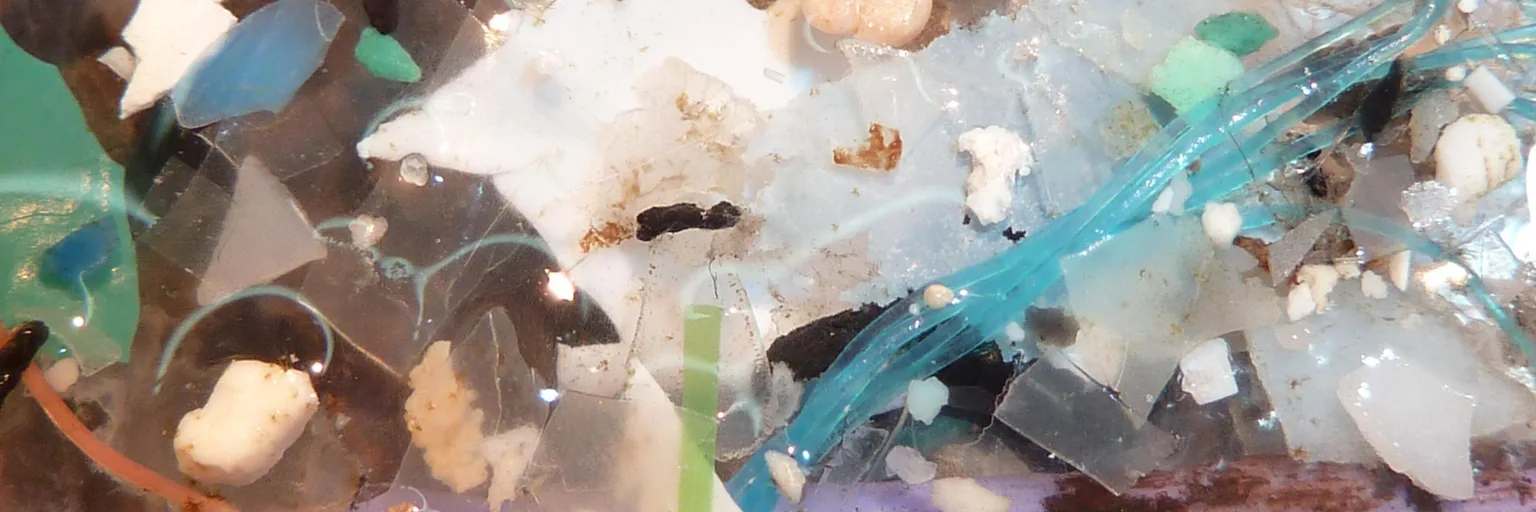
A 674 nm absorption band in biofilm-coated plastic is a real finding, but it looks too much like chlorophyll to trust from orbit without hard validation.
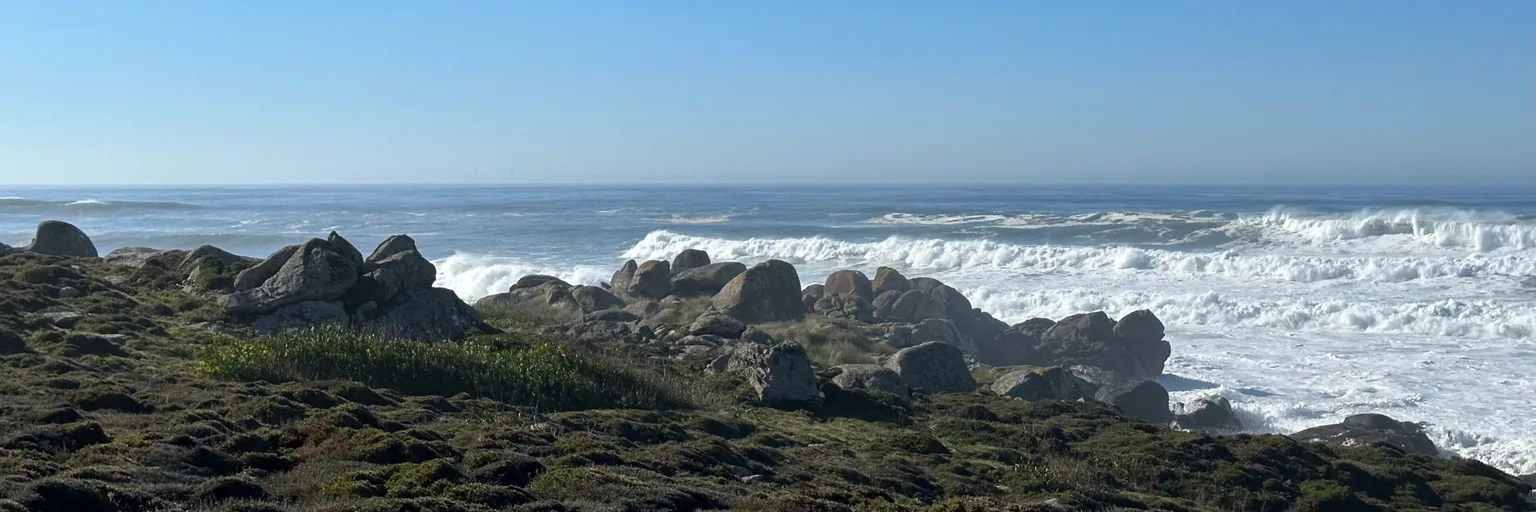
A possible new subduction zone off Portugal is real science. The "end of the Atlantic" is a geological metaphor, and the tsunami risk is the part that deserves your attention.
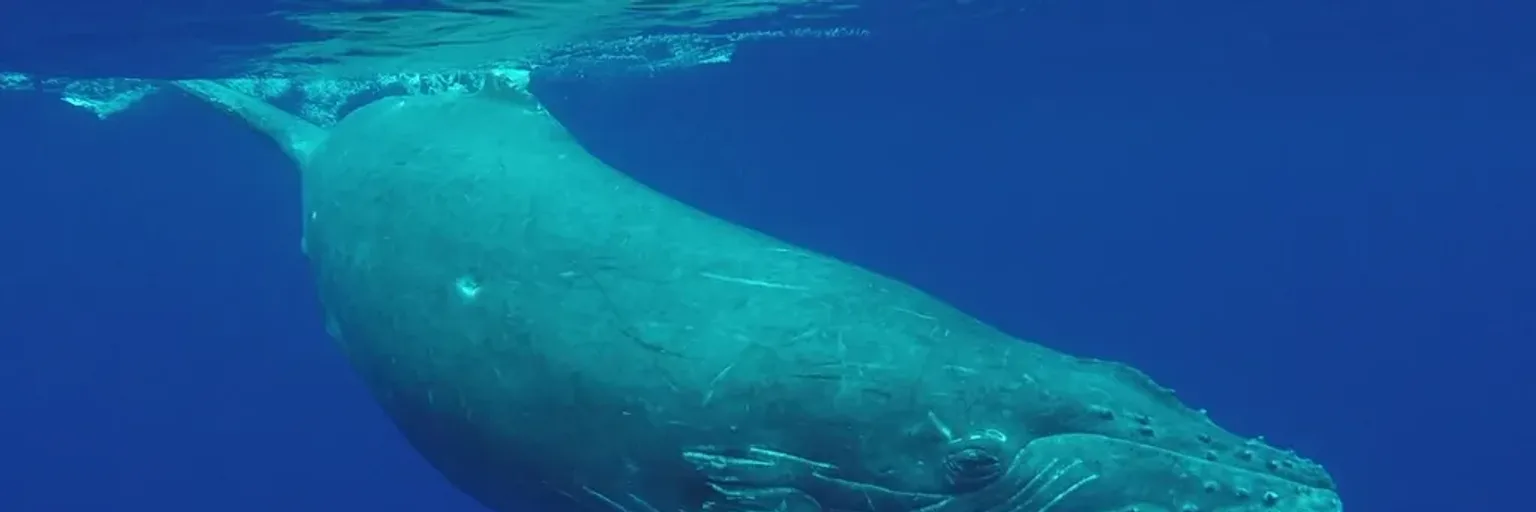
A humpback recorded near Bermuda on a dictation disc could be a baseline for ocean noise that no one can recreate. Sound archives deserve the protection we give fossils.
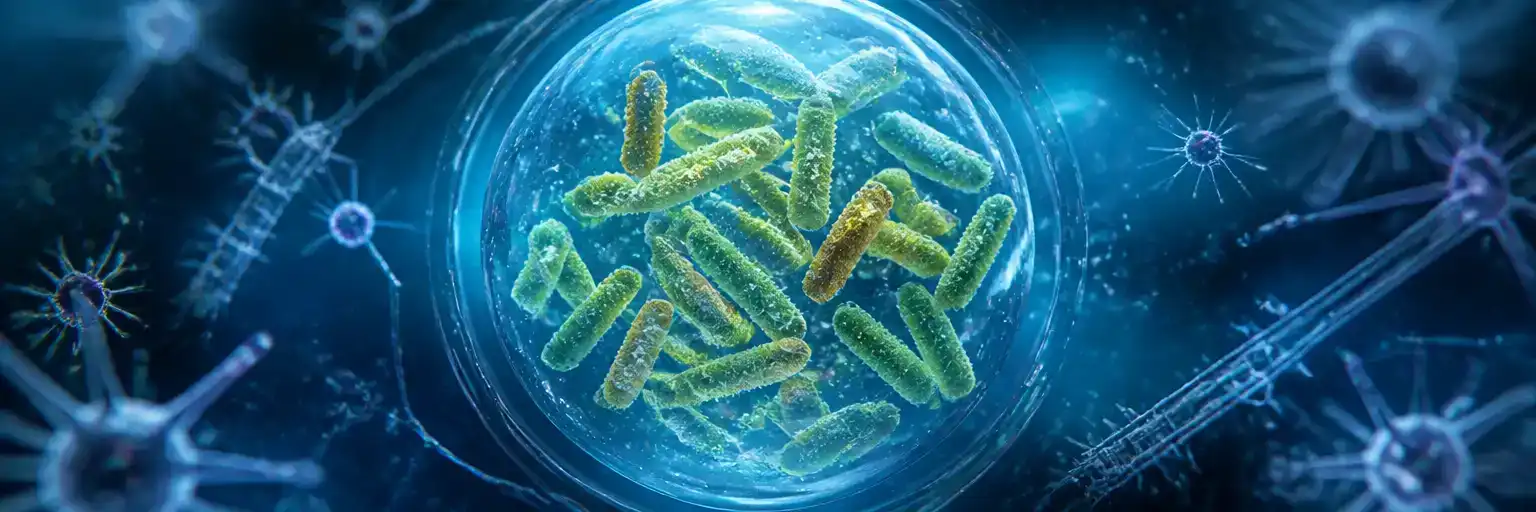
Paraburkholderia aromaticivorans FR-4 fixes CO2 and grows on a pollutant, which says more about our ignorance of ocean microbes than about any near-term cleanup tool.
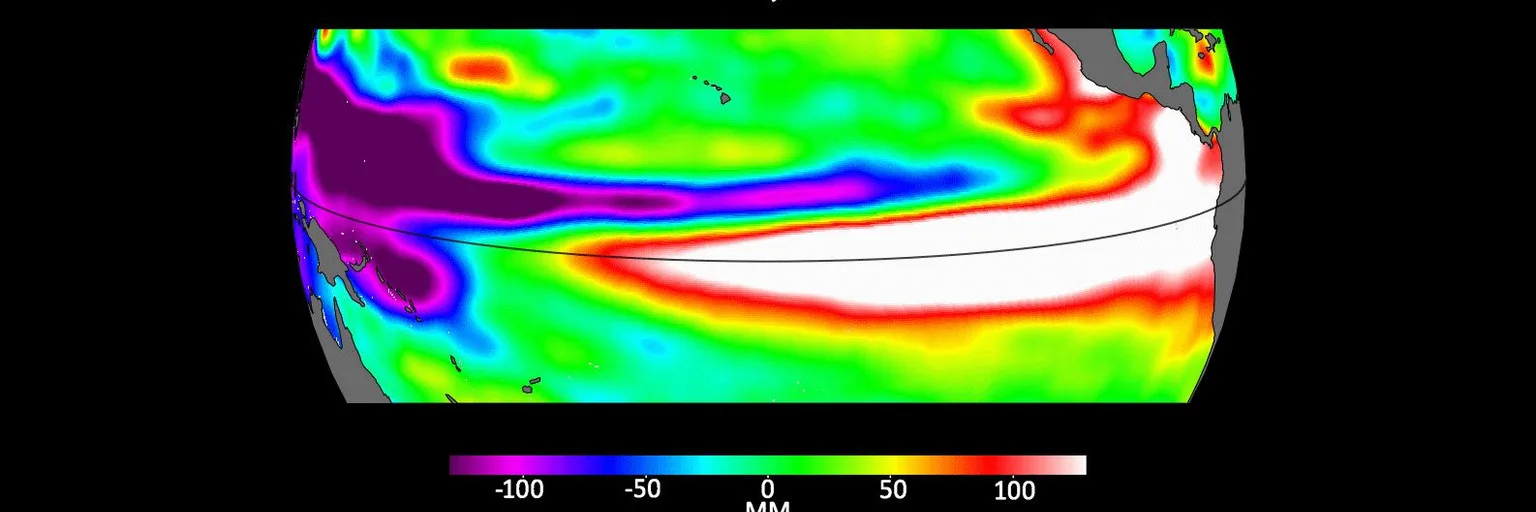
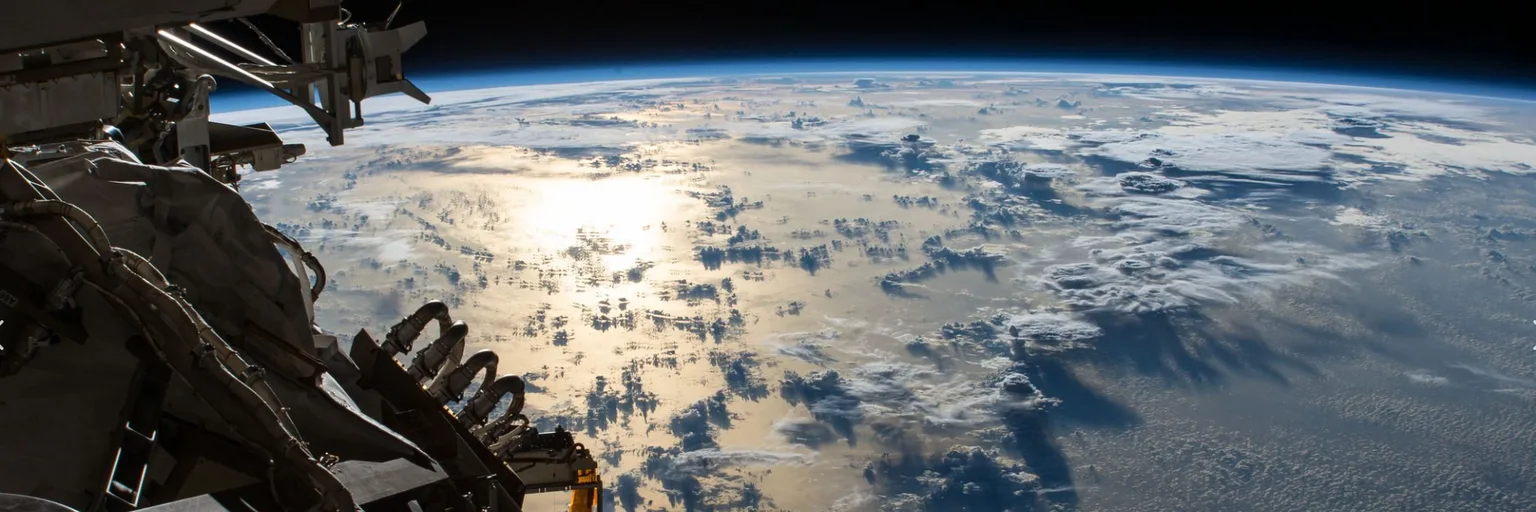
A 35-year altimetry record shows this El Niño rivals 1997, but NASA's own scientist warns that "looks like 1997" is a best guess, not a forecast of what happens to your town.
NASA’s satellite maps show El Niño draining green from the equatorial Pacific, revealing how a shift in deep-water nutrients can ripple through marine life.
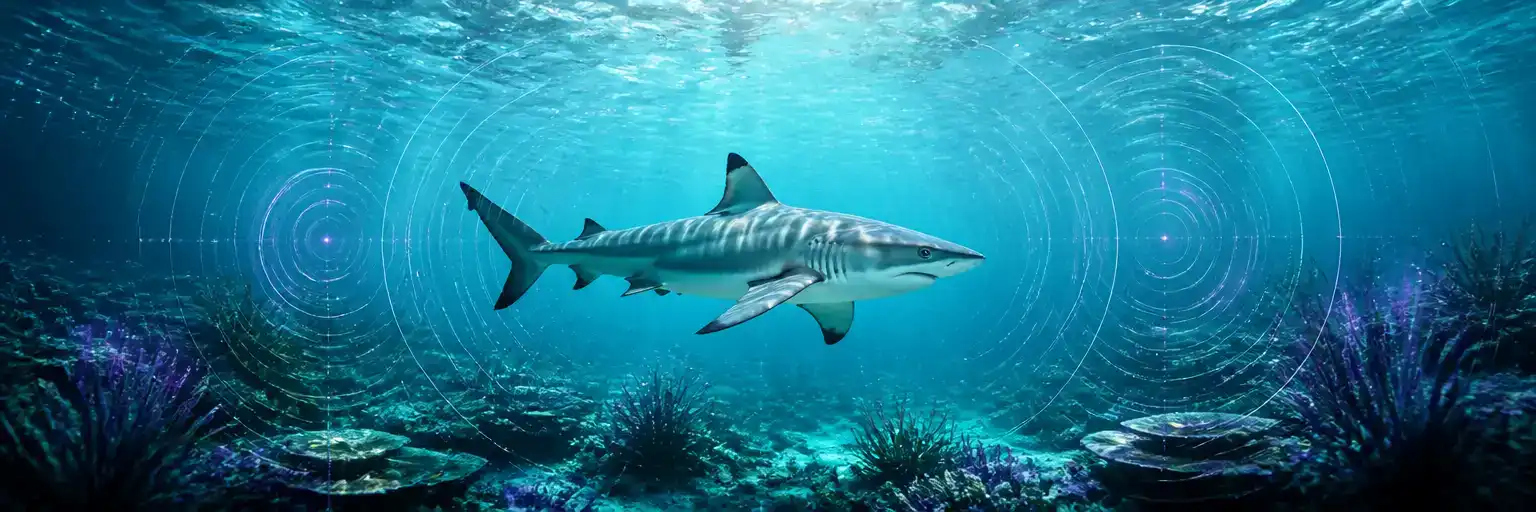
Blacktip sharks detected low-frequency sounds from up to 74 meters away in the wild, exposing both a hidden sense and a neglected risk of ocean noise.
The discovery of leaking radioactive barrels in the Atlantic is a stark reminder of past environmental complacency, demanding urgent international action beyond mere monitoring.
The discovery of precisely 42,458 similar seabed holes in the North Sea, once attributed to gas leaks, now reveals surprising biological activity fundamentally altering our view of seafloor dynamics and marine life's impact.
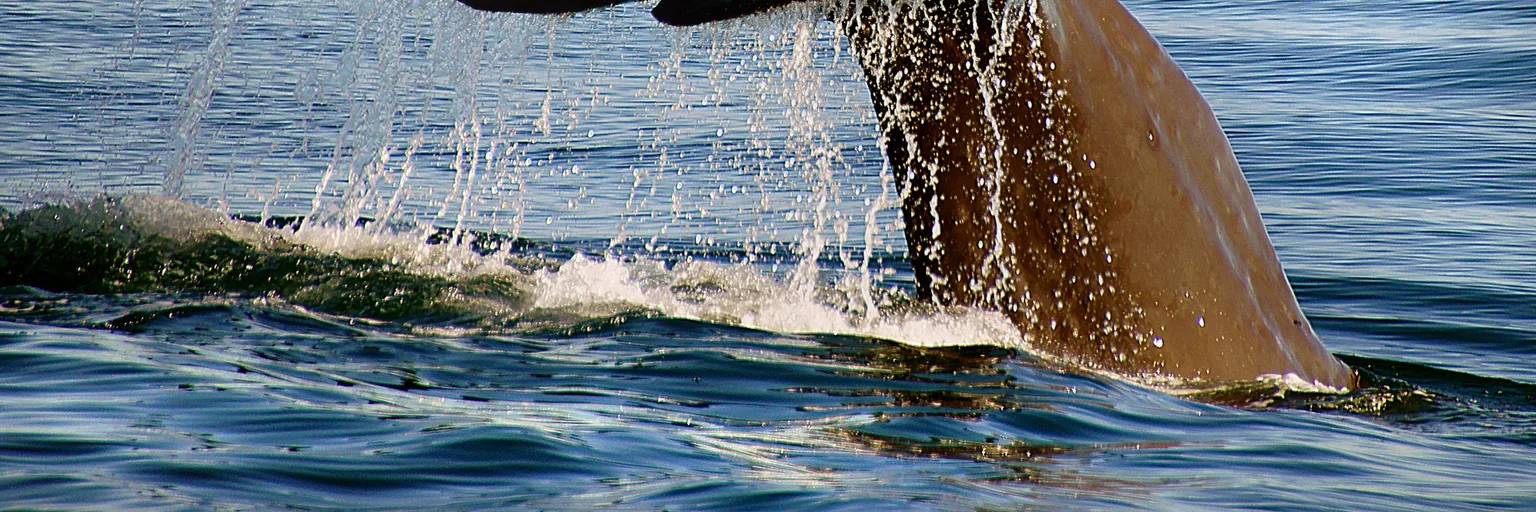
The latest breakthroughs in deciphering sperm whale communication are not merely a scientific curiosity but a profound re-evaluation of animal cognition and our place in the natural world.
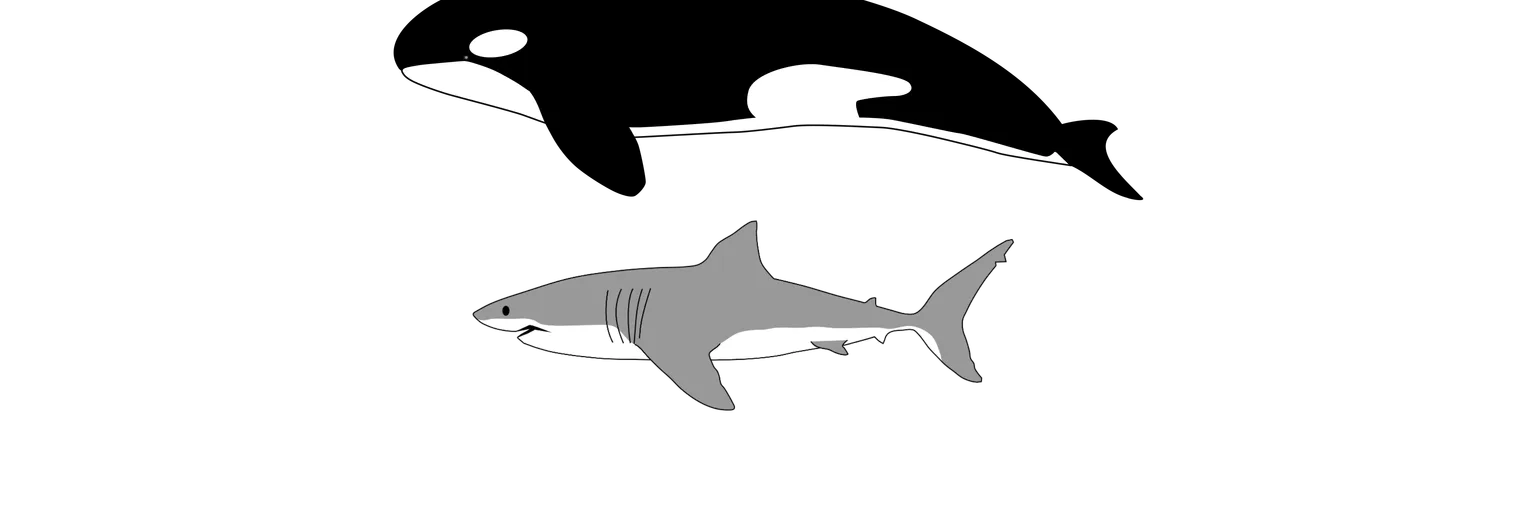
The dramatic escalation of orcas hunting great white sharks, once a rare sight, is now a documented pattern, reflecting how climate change is subtly yet profoundly reshaping marine ecosystems.
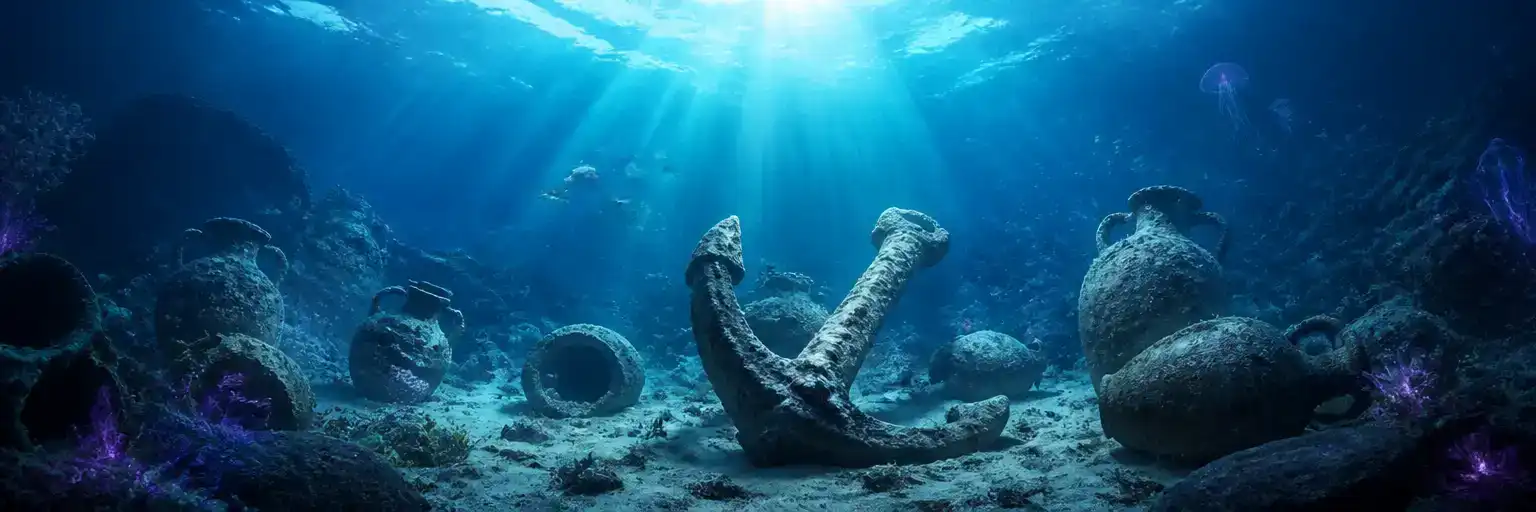
The discovery of the world's oldest shipwreck off Turkey's coast is a monumental find, offering an unprecedented, if incomplete, window into early Bronze Age trade and interconnectedness.
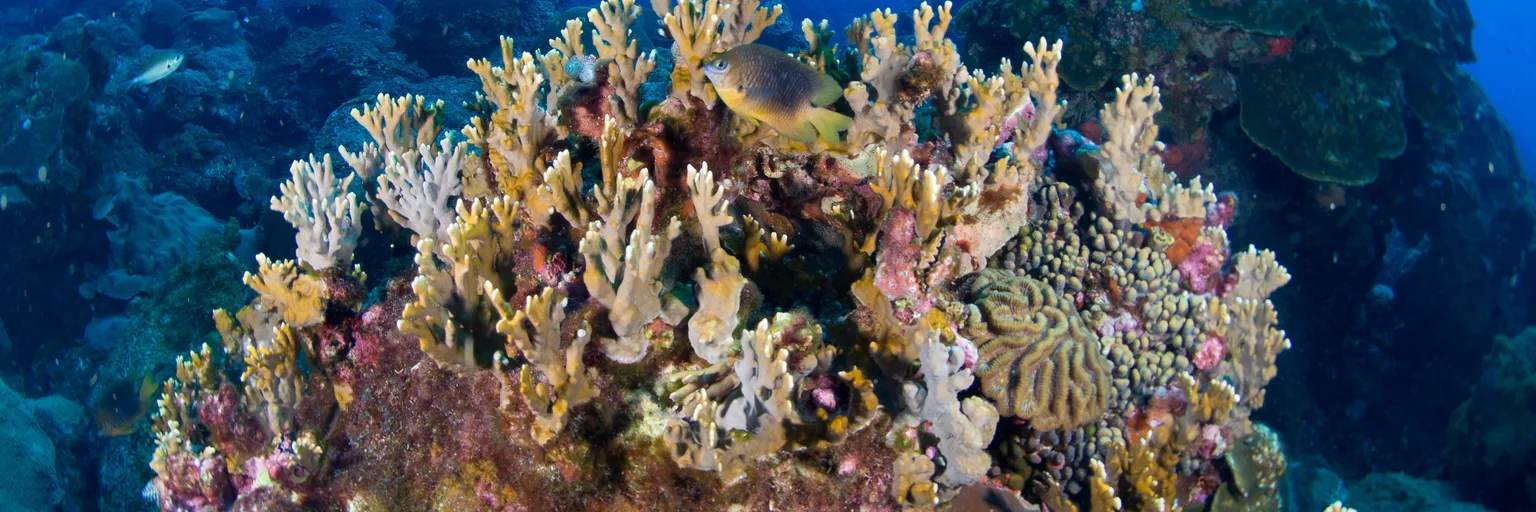
Discussions are emerging around the possibility that robust coral reefs might actively assist struggling counterparts in resisting ocean warming, suggesting a shift in conservation thinking.
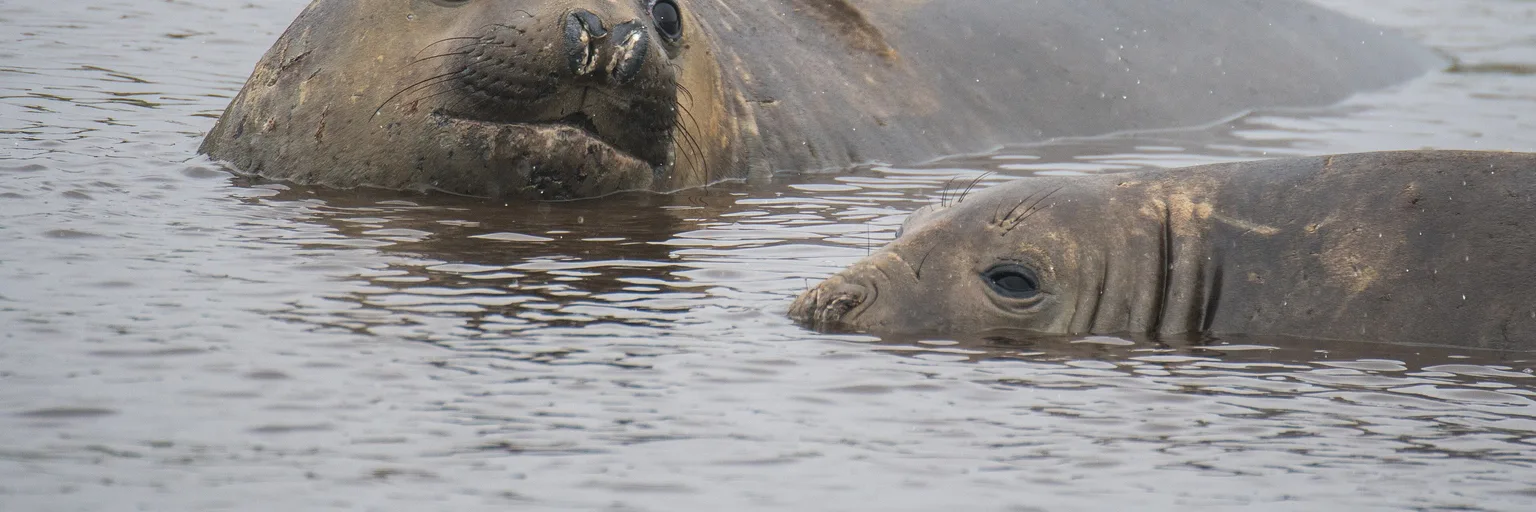
A remarkable discovery of new deep ocean currents in the Kerguelen Islands, facilitated by an unlikely team of elephant seals, is revolutionizing our understanding of marine ecosystems and climate dynamics.