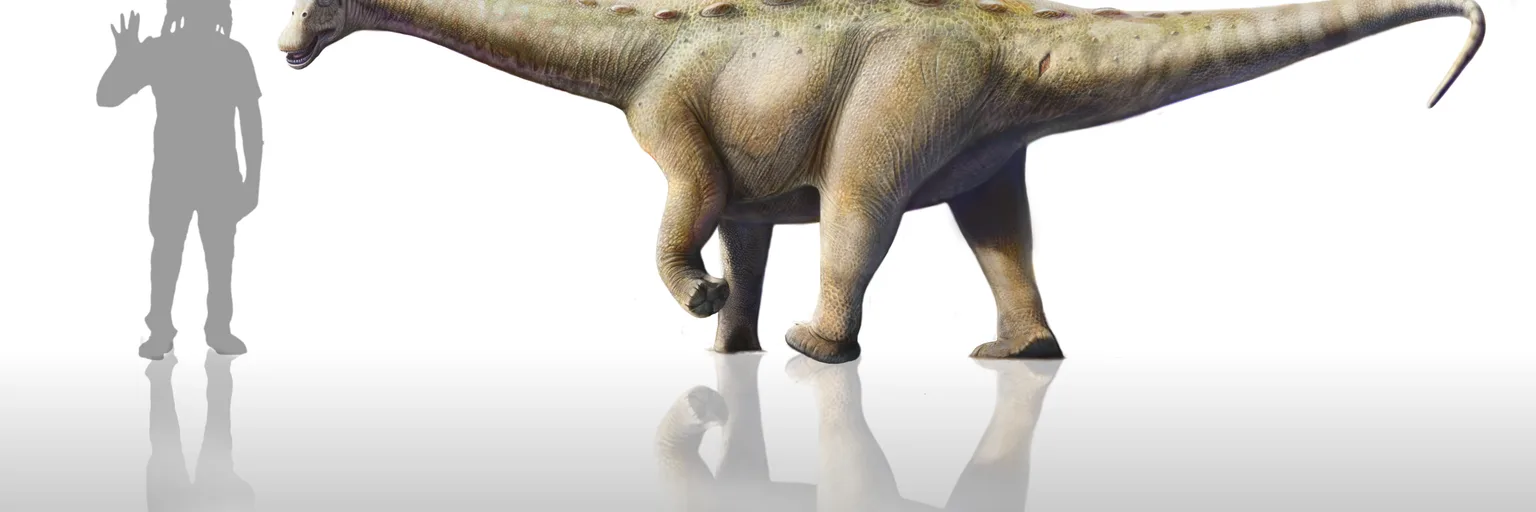
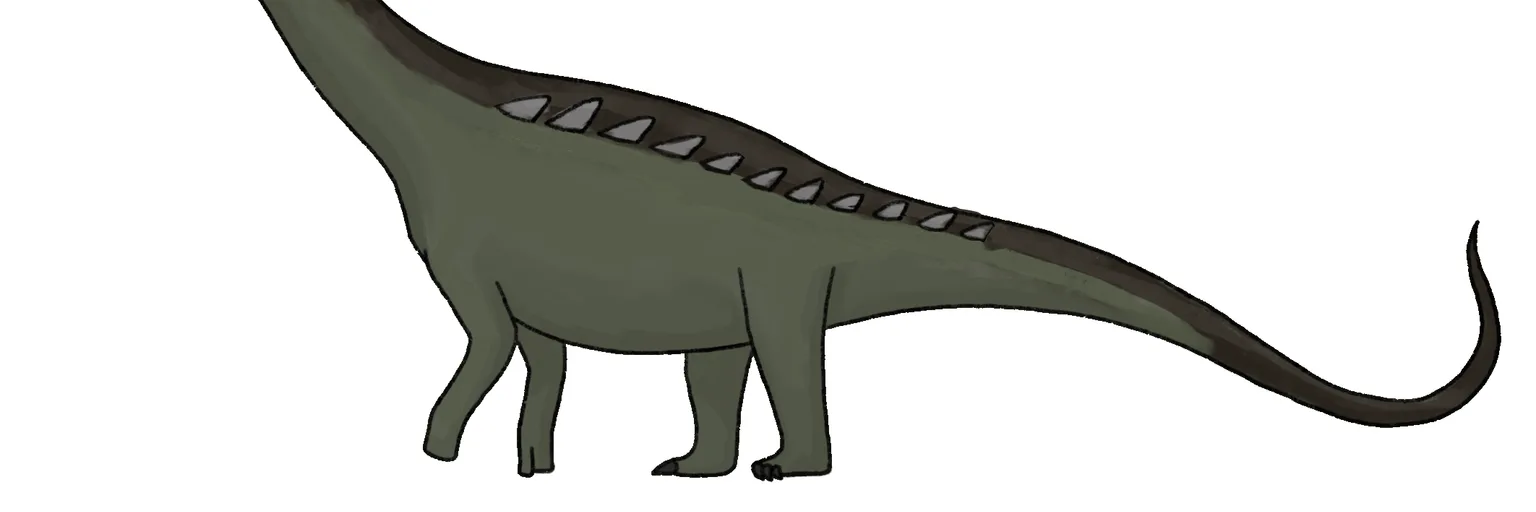
Europe's "largest dinosaur" is a headline. The Pyrenean neck is the story
A seven-meter neck from Catalonia may belong to Europe's biggest titanosaur, but record claims rest on scaling incomplete bones, and the context is worth more.

An armored amphibian that lived in a Triassic sea suggests that today's salt-water ban says more about which lineages survived than about what amphibians can do.
A 115-million-year-old bone from Brazil may hold red blood cells and heme. The result is strong, but the real test starts now, with replication and contamination checks.
A five-to-six-meter titanosaur from São Paulo shows that even the lineage famous for giants could shrink when the environment demanded it. Size is a response, not a goal.
A snake from a Colombian coal mine, around 13 meters long and over a ton, matters less as a creature feature than as a measurement of how hot the ancient tropics were.
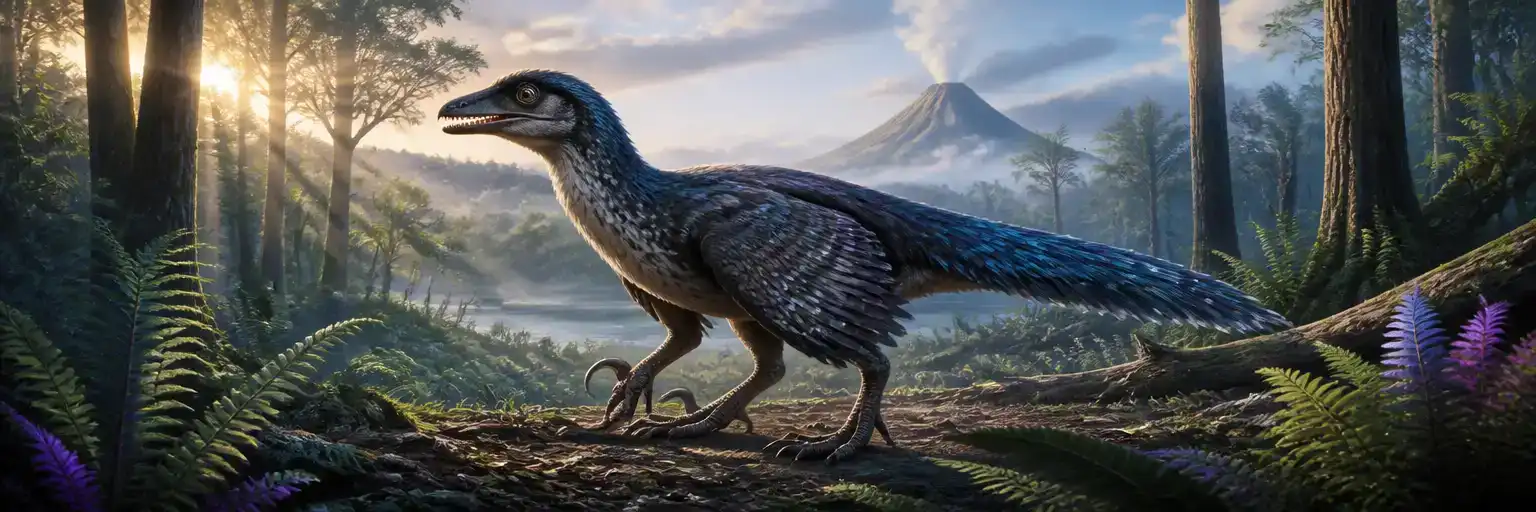
A skull fragment, overlooked for a century in London's Natural History Museum, unveils *Invictibellatrix amberina*, Europe's first known Megaraptor, profoundly reshaping our understanding of Cretaceous predators and the enduring value of museum collections.
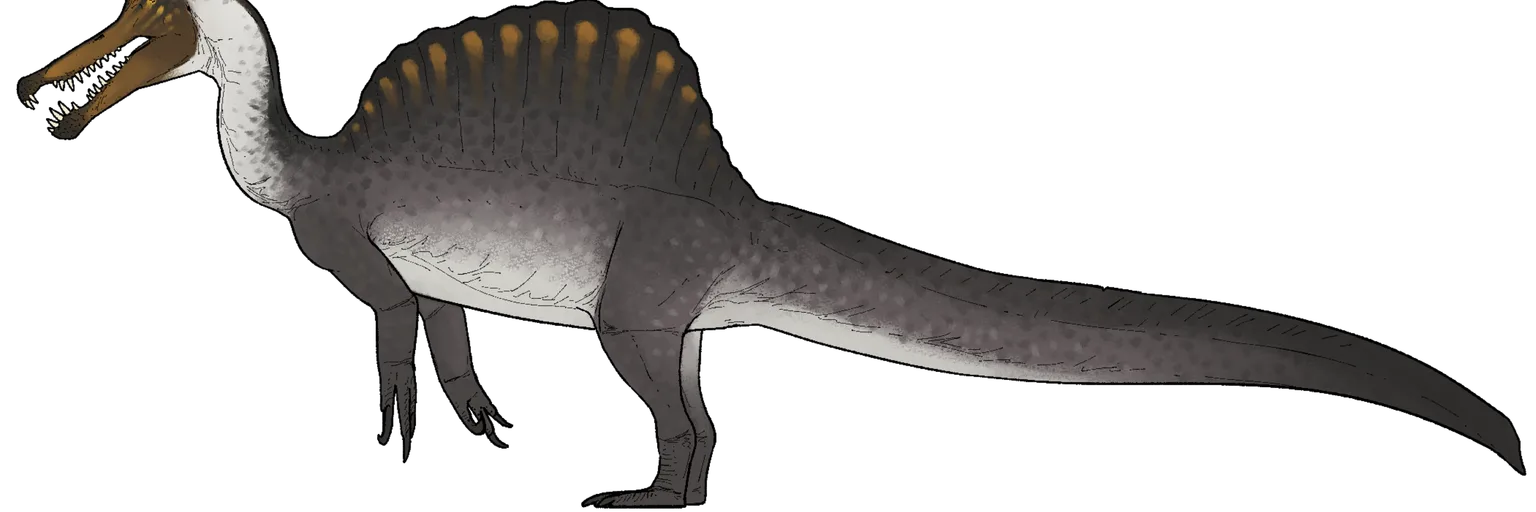
The discovery of *Spinosaurus mirabilis* in the Sahara not only unveils a stunning new predator but profoundly reshapes our understanding of ancient ecosystems and the life of spinosaurids.
Recent discoveries beneath the streets of Araraquara are not just about ancient reptiles; they reshape our understanding of Brazil's prehistoric desert ecosystems and the surprisingly diverse creatures that once roamed them.
Analyzing a 75,000-year-old Neanderthal scapula from Shanidar Cave, pierced by a spear, suggests a deliberate, lethal attack, challenging our understanding of prehistoric societies' complex balance of violence and compassion.
The discovery of a 150-million-year-old flightless bird fossil in China is compelling scientists to rethink the foundational drivers of avian evolution.
The discovery of a colossal 65-million-year-old fungus in China, named Dianjunus rex, not only redefines our understanding of fungal scale but also offers a profound glimpse into Earth's post-dinosaur ecosystems.
New research from Mongolia challenges a long-held assumption, suggesting animal life may have emerged 200 million years earlier, demanding a fundamental rethink of evolutionary timelines.
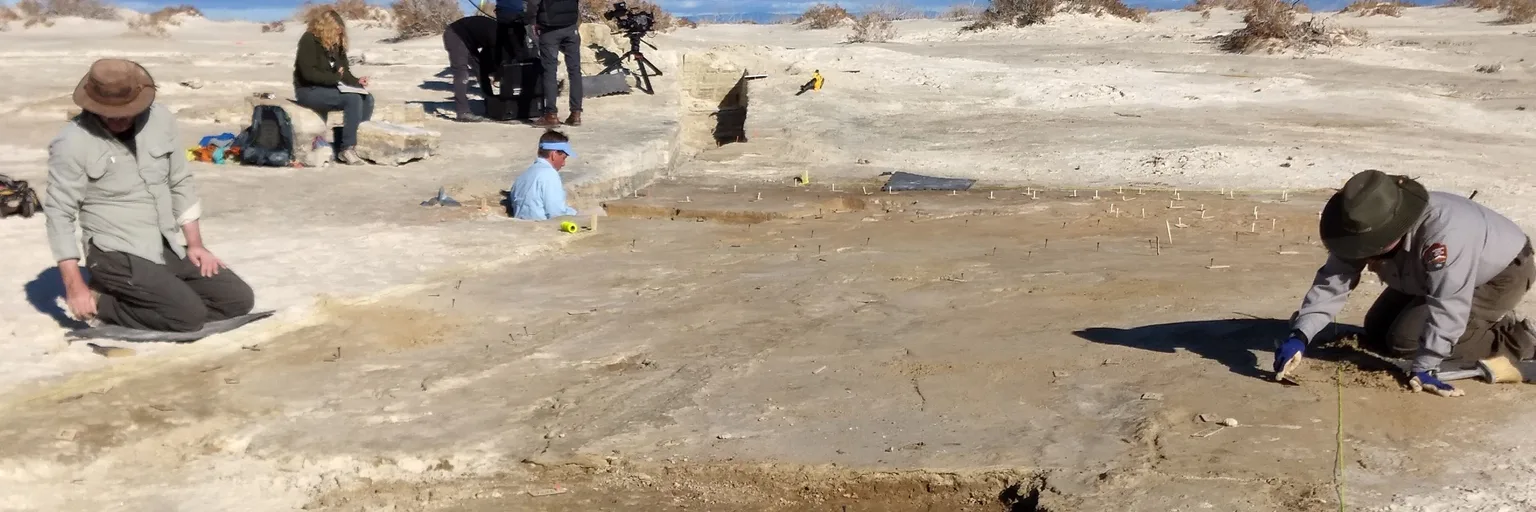
The recent discovery of an adult Tyrannosaurus rex trackway in North Dakota provides an unprecedented and rare window into the locomotion and sheer scale of this iconic dinosaur.