Curisfera Newsroom
Forty lost satellites show why launch diversity is a safety net
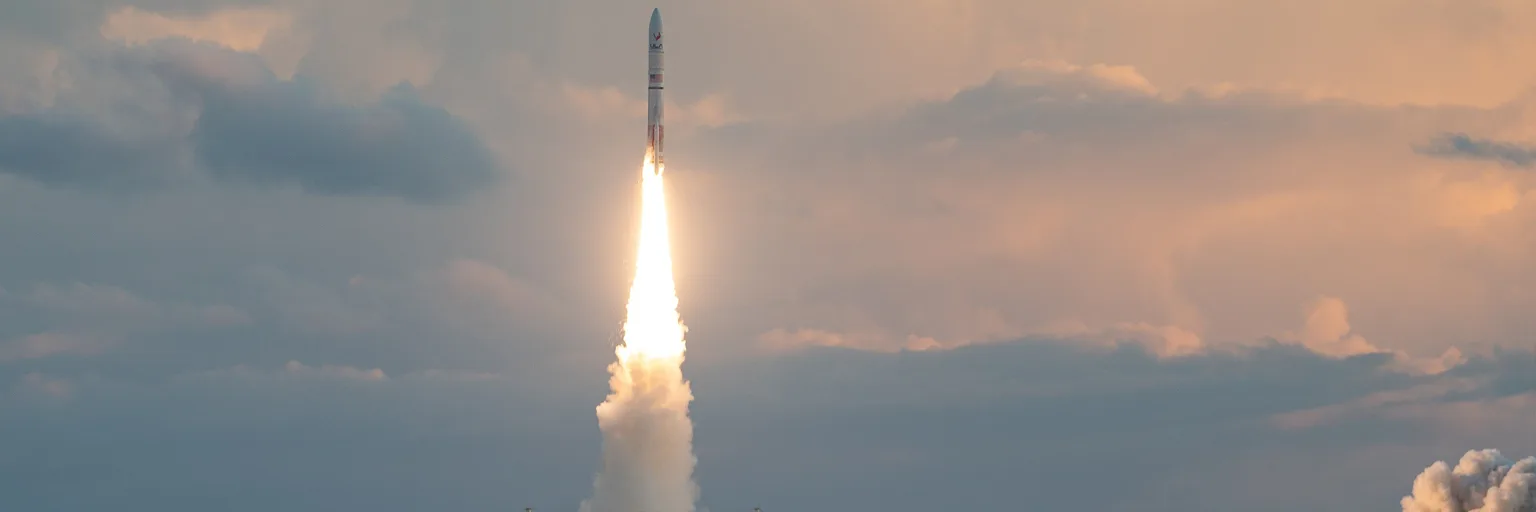
Vulcan's failure cost Amazon 40 Leo satellites. The bigger loss is the spare capacity that a thin market of rockets can no longer provide.
NASA's $10 billion cargo-lander headlines and a nuclear-powered rover point to the real lunar race: not who plants the next flag, but who keeps the lights on.
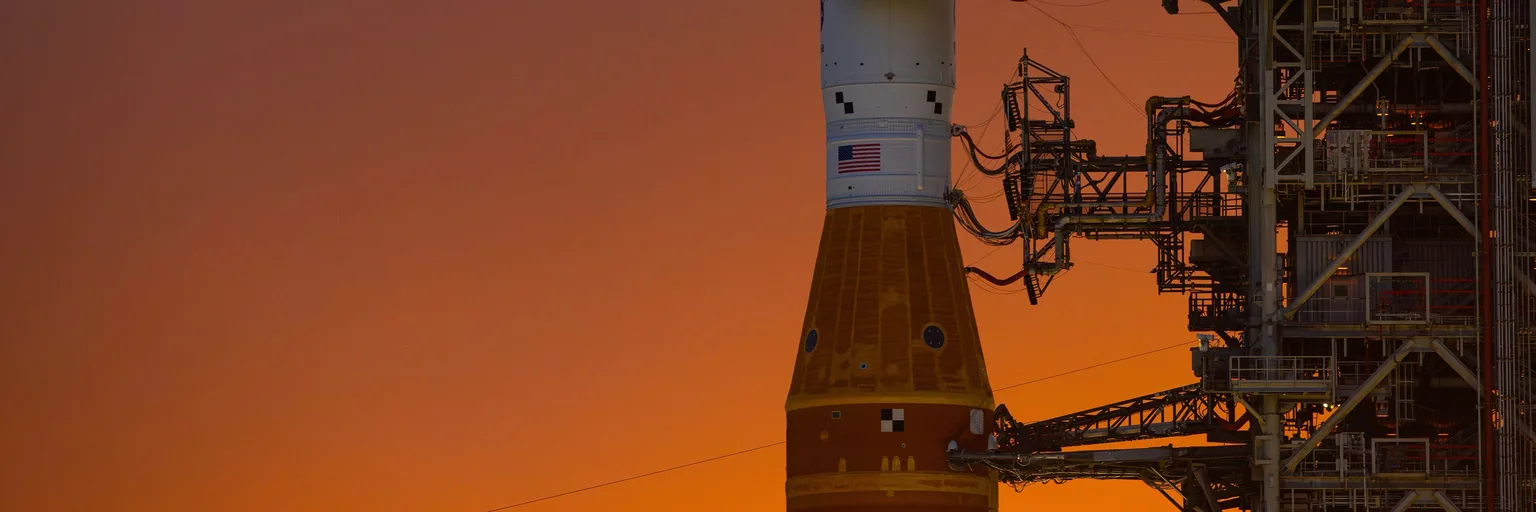
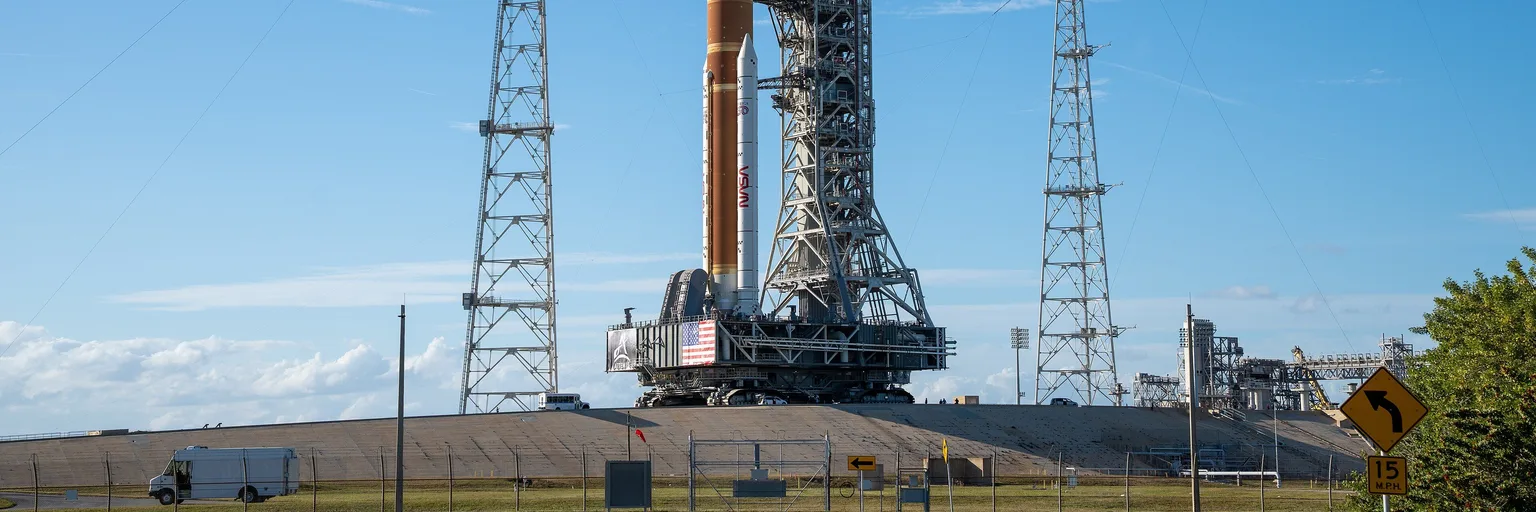
The 2027 target for Artemis III matters less than what the mission now tests: whether two commercial landers and their rockets are ready, and whether NASA will tolerate a realistic schedule.
The agency keeps saying 2028. The date will mean something only when a lander docks with Orion, a suit gets tested and Blue Origin's damaged launch pad is flying again.
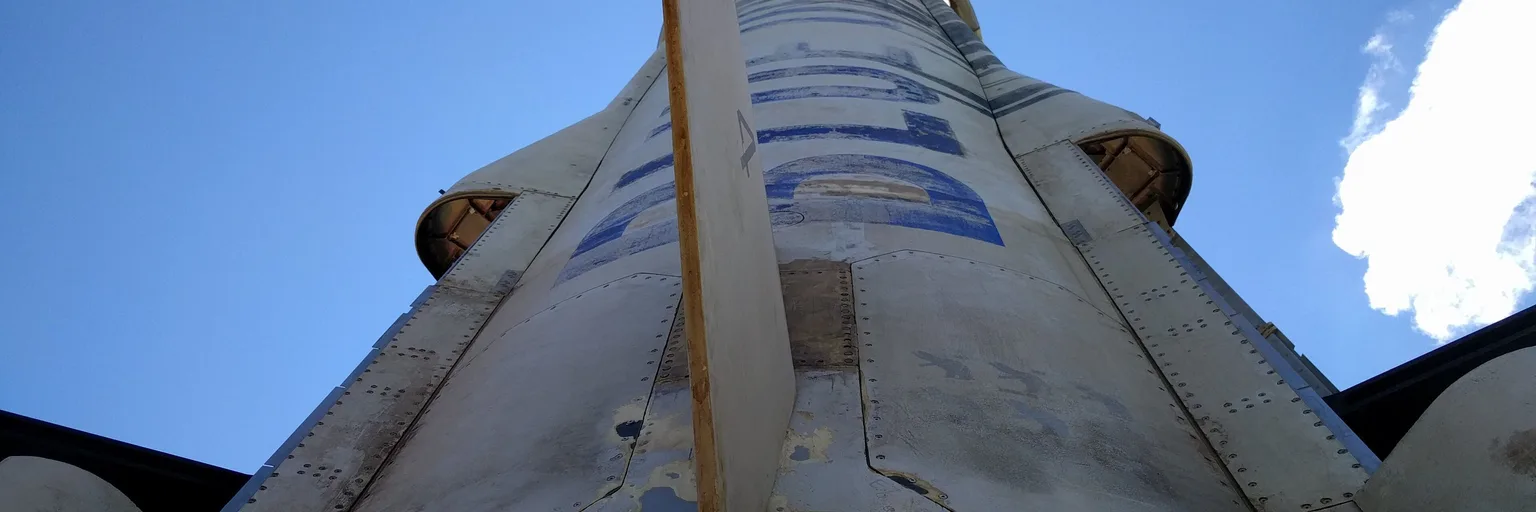
The consistent success of Blue Origin's New Shepard in launching and landing its rockets marks a pivotal moment, affirming reusable space technology as a cornerstone for future missions beyond suborbital tourism.