Van Gogh's Starry Night wasn't invented, but it wasn't copied either
A new simulation study ties the painting's sky to a real Provence dawn. It's a lovely result, and a good reason not to announce the death of Van Gogh's imagination.
Was the most famous night sky in art a hallucination, or a weather report? The headlines this week lean toward the second, and some of them are loud about it. We think the truth is more interesting than either camp admits.
Here is what happened. A team from South Korea's Kyung Hee University, led by Elijah Jeong-hyun Kim, published a study in Scientific Reports arguing that the sky in The Starry Night matches the predawn sky over Saint-Rémy on July 22, 1889, not mid-June, as the traditional dating has it. As El País reports, the June dating had a problem: the Moon then was about 63% illuminated, while the painting shows a thin crescent. On July 22 it was at roughly 28%, with Venus nearby and the Hyades cluster in Taurus in the frame.
The strongest evidence is the Moon, not the swirls
The most persuasive part is also the least glamorous. A fat gibbous Moon cannot be squeezed into a fingernail crescent, and that mismatch is what pushed earlier scholars toward "he made it up." Moving the date by a month dissolves the contradiction rather than explaining it away. The team also reconstructed the window's field of view, roughly 18.4 degrees according to El Correo, and found that Venus, the crescent and the Hyades fit inside it at once. That is a tidy, checkable constraint.
The cicadas and the heat are charming supporting detail. Van Gogh's letters mention both, and the weather records point to a hot July. But we'd call that circumstantial: it nudges, it doesn't nail.
"Proved" is doing too much work
Some coverage says the study "demonstrates" or "resolves" the question. The authors themselves are more careful. According to El País, they admit that no single line of evidence is enough: nineteenth-century weather records are incomplete, no clinical report fixes the day of his crisis, and a resemblance between star patterns could be chance. The new date also depends on rereading when his second breakdown began and on a reinterpretation of the letters, which is the kind of argument historians will want to fight over.
Notice, too, what a statistical shape match can and can't do. Five stars forming a "V" is a modest pattern to match. It beats Aries, which the authors say would have been hard to see in twilight, but "better than the previous guess" is not "certain." This is one peer-reviewed paper, not a verdict, and we'd wait for art historians to respond before rewriting museum labels.
Real sky, invented village: the false choice is the story
The most valuable line in the paper is arguably its rejection of a binary. Per the coverage, the village in the painting could not be seen from his window and looks more Dutch than Provençal, so imagination was clearly at work. Van Gogh himself described his paintings as "exaggerations" in terms of composition, as the researchers note. Seeing a real dawn and then amplifying it in the studio is exactly what that sounds like.
So who loses here? Not Van Gogh. The loser is the tired cliché that a swirling sky must be a symptom rather than a choice. If anything, a painter who looks hard at Venus and the Hyades and then bends them into those spirals strikes us as more deliberate, not less. And the symbolic readings, such as the crescent as consolation, don't vanish. They just have to coexist with an observed sky.
Our verdict
Treat this as a plausible, well-argued redating, not a debunking. It's a good example of astronomy and art history helping each other: one supplies the ephemeris, the other the letters and context. Kim says the team plans to look at Van Gogh's other skies one by one, and that's worth following. Meanwhile, keep admiring the painting as it is, with the real Moon, the real Venus, and a village from somewhere else entirely.
No topics yet: start the first one.
More stories
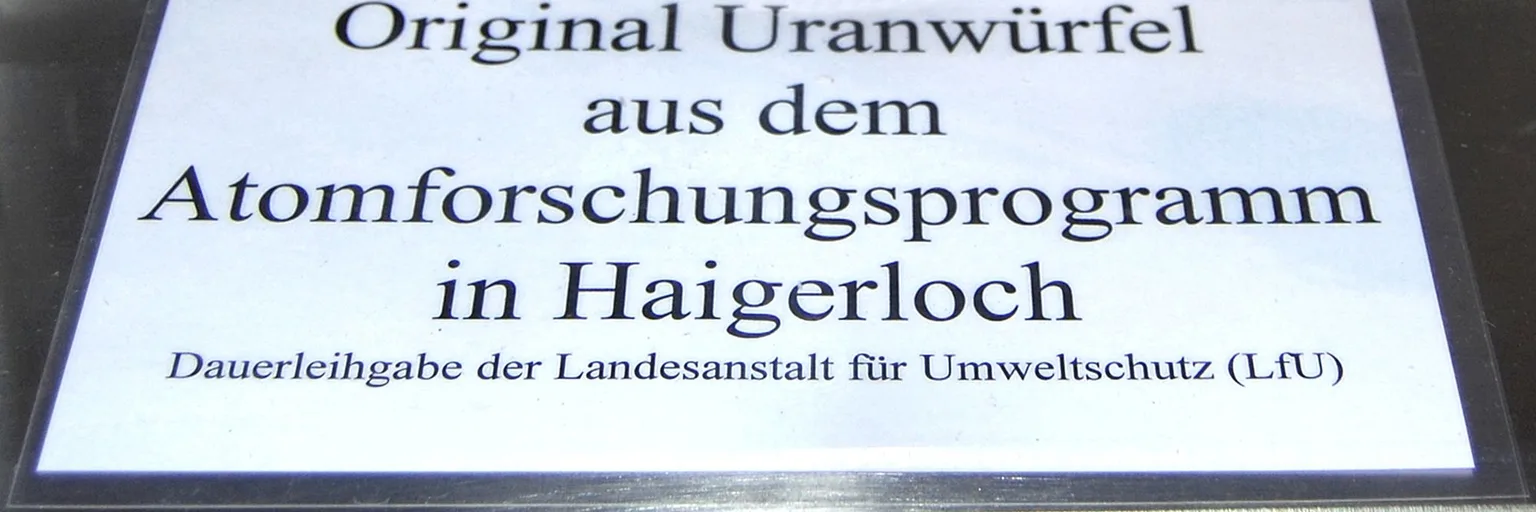
The Nazi bomb that never was: what two uranium cubes tell us
A simulation built on two surviving uranium cubes shows Heisenberg's near-miss story was off by a factor of about two, and the myth outlived the physics.
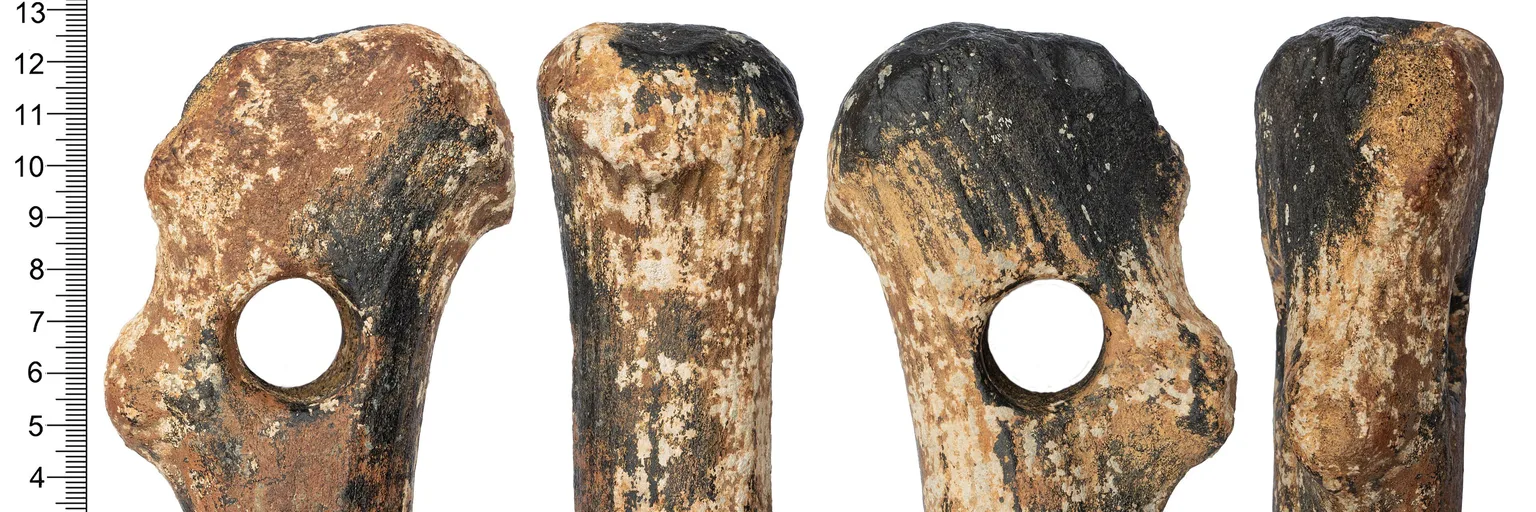
The Antler Axe Is a Warning About What Prehistory Has Lost
An antler tool preserved with its history of reuse shows why stone-heavy archaeology may reflect survival conditions more than the full range of prehistoric innovation.
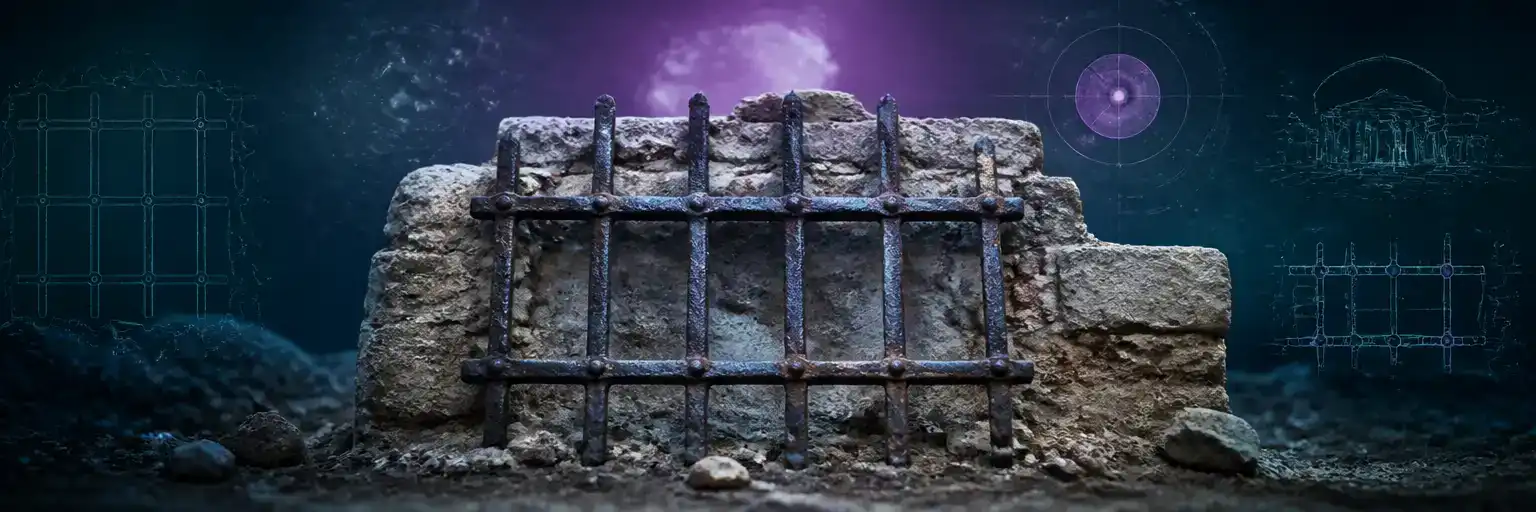
A Roman Window Grille Proves Archaeology’s Best Finds Can Be Ordinary
A battered iron grille from Augusta Raurica offers something monuments rarely can: a close look at security, construction and the routines of everyday Roman life.
The Transylvanian Figurine Is Intriguing Precisely Because It Raises Questions
A 6,500-year-old female clay figurine from Transylvania is a valuable discovery, but its meaning remains open until archaeologists document more of its context.