Curisfera Newsroom
Moon-soil potatoes are a good start, but they're not a Moon farm
Oregon State's spuds matched Earth growth in simulated regolith. That's real progress, but simulant, yield and food security are three different things.
Oregon State's spuds matched Earth growth in simulated regolith. That's real progress, but simulant, yield and food security are three different things.
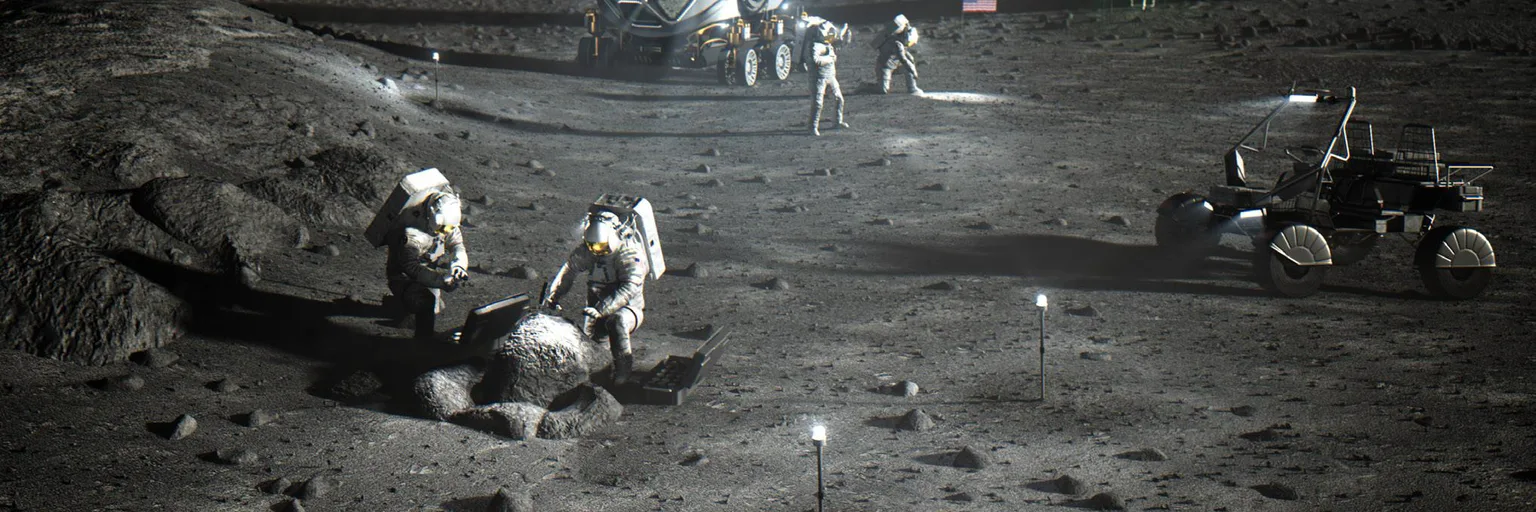
NASA is recruiting again, and the pitch is about people who can live and work on the Moon, so the next class will show whether the plans are serious.
NASA's $10 billion cargo-lander headlines and a nuclear-powered rover point to the real lunar race: not who plants the next flag, but who keeps the lights on.
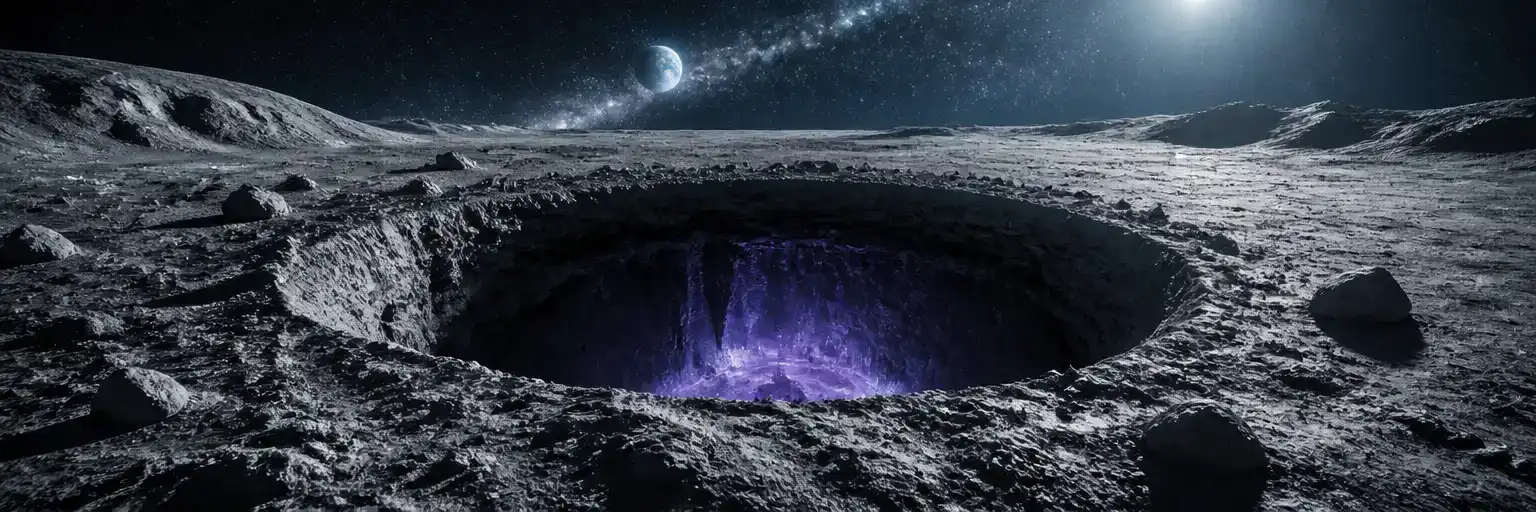
NASA wants to probe the Moon's caves before building its first outpost. It's the right order of operations, but one detail in the plan worries us.
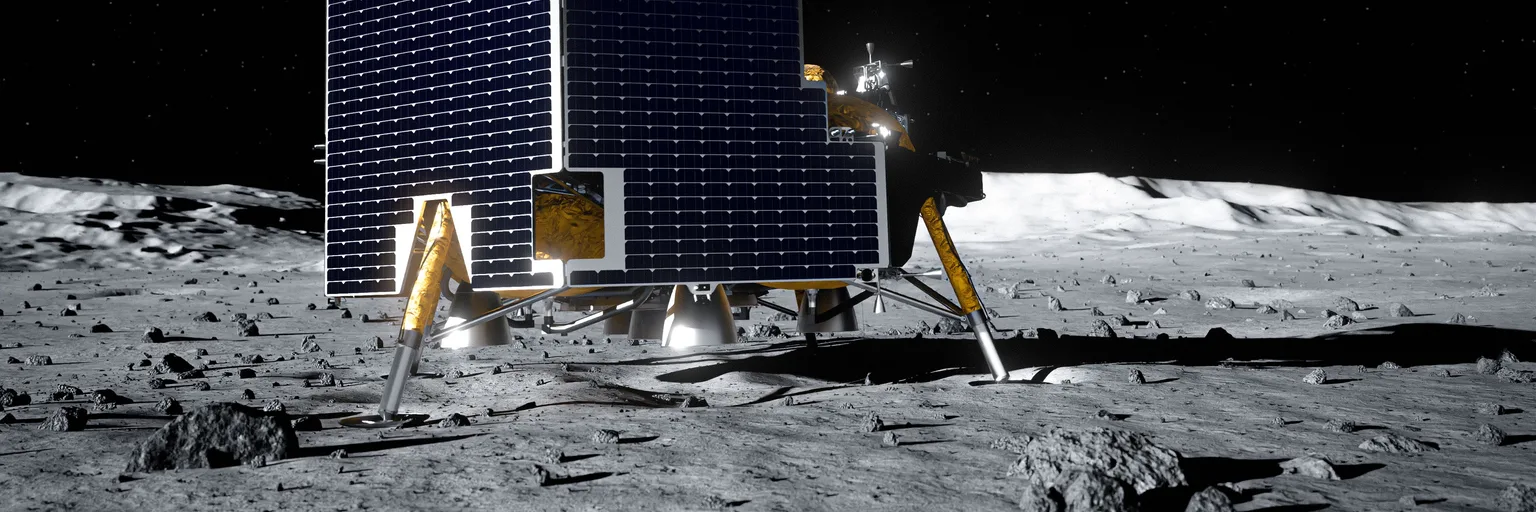
The Griffin-1 lander's successful tests mark a critical step towards a Moon Base, but its commercial nature and the history of CLPS missions suggest a high-stakes, yet necessary, gamble for lunar permanence.
The latest science investigations for NASA's lunar South Pole base are more than academic pursuits; they are critical blueprints for a safe, sustained human presence and a launchpad for deep-space exploration under the Artemis program.