Curisfera Newsroom
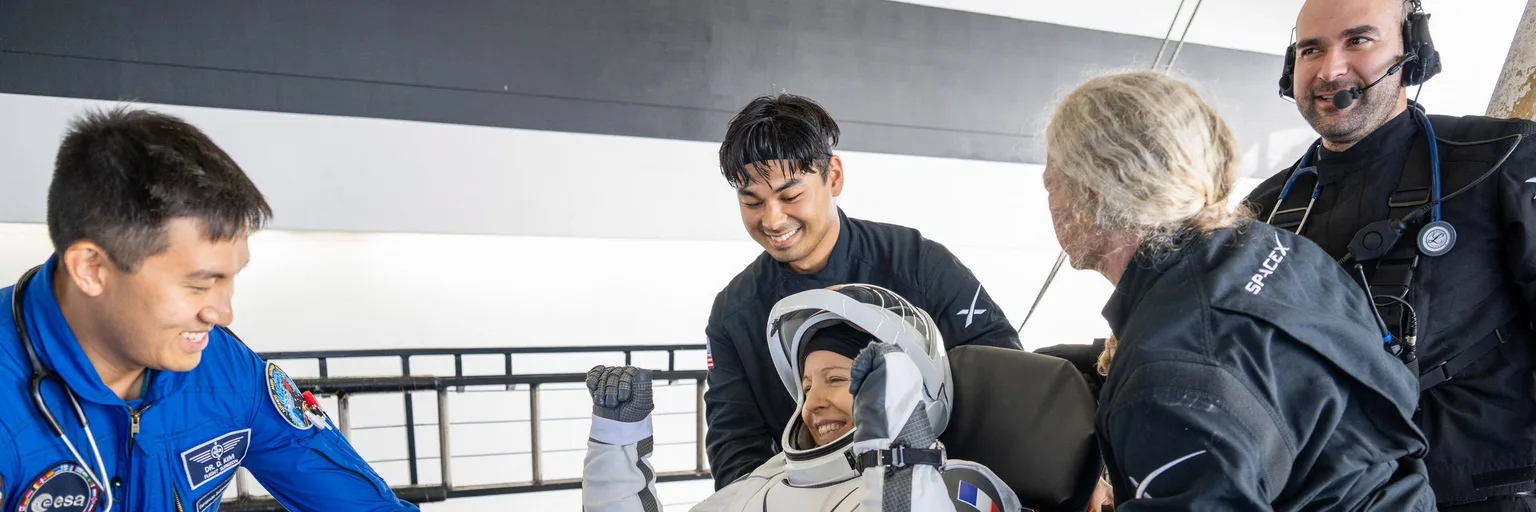
"Ten years older" in orbit? Adenot's line hides the real story
Saying a long mission ages astronauts by a decade is a catchy line, but it blurs reversible adaptation with true aging. The real stakes are Mars planning, not fear.
Saying a long mission ages astronauts by a decade is a catchy line, but it blurs reversible adaptation with true aging. The real stakes are Mars planning, not fear.
Animal research links moderate cold with slower age-related decline, but that evidence does not justify cold plunges or prove a human longevity benefit.
Turritopsis dohrnii does not offer a fountain of youth. Its real value is showing how an adult body can reorganize itself under stress.
New research upends the long-held belief that ovaries become dormant after menopause, revealing their continued, dynamic activity could reshape our understanding of women's health and aging.
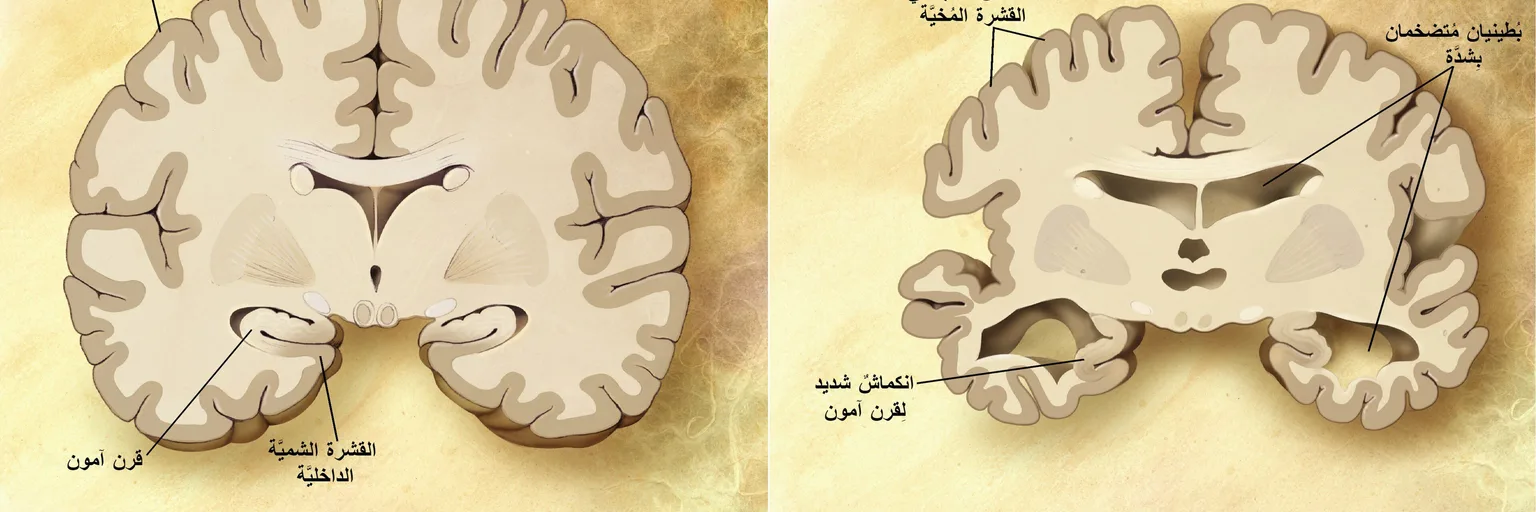
Mounting evidence strongly links common herpesviruses to Alzheimer's disease, reshaping our understanding, yet clinical trials show the path to treatment remains complex.
A groundbreaking discovery from Stanford offers a new perspective on treating osteoarthritis, moving beyond merely repairing damage to unlocking the body's inherent regenerative power.
A new study revealing post-reproductive longevity in mountain gorillas upends assumptions about aging in the animal kingdom, offering critical insights into the evolutionary roots of human menopause.
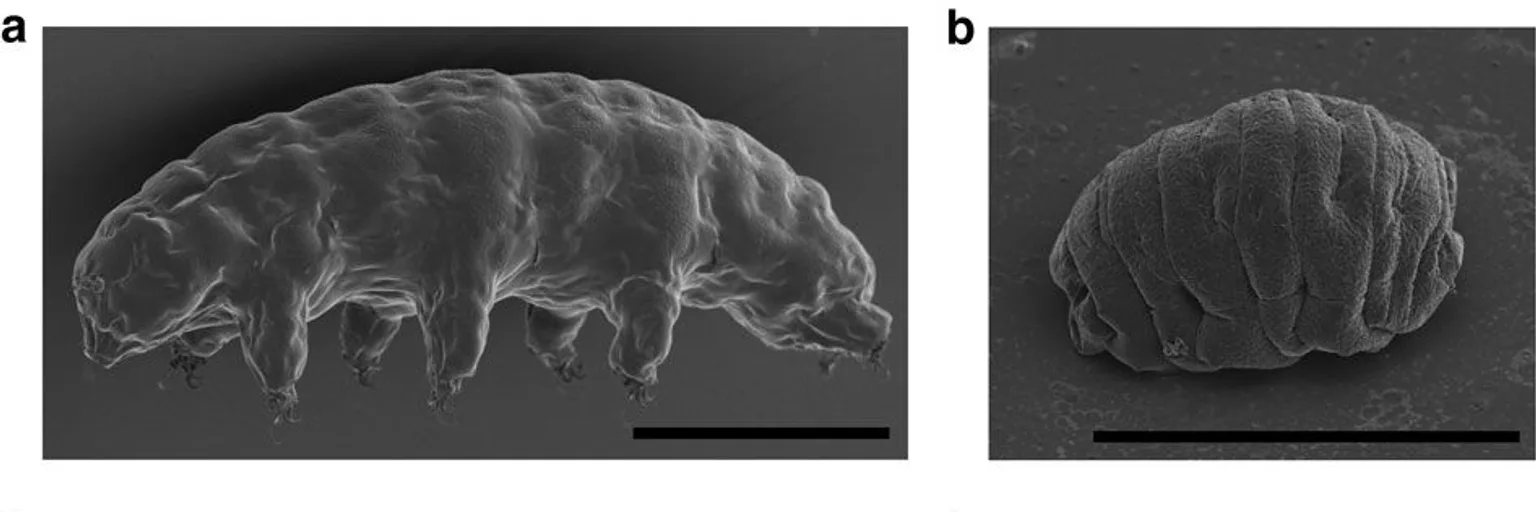
The remarkable resilience of tardigrades is no longer just a biological curiosity; its proteins could soon protect human cells, signaling a revolutionary shift in medicine.
New research challenges our assumptions about cardiovascular care, suggesting that a simple hot bath might offer a significant, immediate blood pressure reduction, comparable to moderate exercise, for those who struggle with physical activity.
A new *Science Advances* study on Jonathan, the 194-year-old Aldabra giant tortoise, reveals localized genetic stability that challenges our understanding of biological aging and offers crucial clues for human longevity.
The latest science points to a cellular 'identity crisis' – the loss of epigenetic information – as a fundamental driver of aging, a reversible process that could redefine how we combat age-related decline.