An Oxford Pond Microbe Shatters Biology's 'Universal' Code
A tiny ciliate discovered in a mundane university pond has rewritten fundamental genetic rules, proving that life's instructions are far more flexible than textbooks ever suggested.
AI-generated image
For decades, biology has clung to the notion of universal truths, bedrock principles that govern life across all species. Among the most revered of these was the genetic code itself — specifically, the strict interpretation of 'stop' signals within DNA. This code, considered almost inviolable, dictated that certain three-letter sequences would always halt protein production. Yet, a recent discovery from an unassuming pond in Oxford has not merely challenged this rule; it has demonstrably shattered it, revealing a hidden flexibility that forces us to re-evaluate what we thought we knew about life's fundamental instruction manual.
The unexpected finding centered on a microscopic aquatic ciliate, Oligohymenophorea sp. PL0344, a tiny protist plucked from the University of Oxford Parks. Researchers at the Earlham Institute and the University of Oxford, including postdoctoral scientist Dr. Jamie McGowan, were simply testing a new single-cell DNA sequencing method when they stumbled upon an organism that reads its own genetic instructions in a way no one had documented before. Instead of acting as protein production terminators, two of the three 'universal' stop codons—TAA and TAG—were found to specify amino acids: lysine and glutamic acid, respectively. Only the TGA codon retained its traditional stop function, forcing the microbe to invent its own compensatory mechanisms to function. The sheer serendipity of this discovery, originally published in PLOS Genetics in October 2023, underscores how much remains hidden in plain sight, even in environments as mundane as a park pond.
The "Universal" Code Was Never Truly Universal
For generations, biology students have learned about the genetic code as a dictionary with largely immutable definitions. The three stop codons—TAA, TAG, and TGA (or UAA, UAG, and UGA in RNA)—were the definitive punctuation marks, signaling the end of a protein's assembly. This consistency across nearly all life forms, from bacteria to humans, lent weight to its 'universal' designation. But, in our view, this term always carried an implicit caveat, a testament to how easily scientific consensus can sometimes become dogma. The Oligohymenophorea sp. PL0344 discovery, and subsequent research in 2024 confirming multiple independent reassignments of the UAG stop codon in other ciliate species globally, reveals that the code is far more plastic than we dared to imagine. As Dr. McGowan himself noted, it highlights “how much more flexible life is than textbooks suggest” as reported by baku.ws. Evolution, it seems, has a knack for rewriting its own rules, even at the most fundamental levels, without asking for our prior approval. This forces us to question other 'universal' biological laws and maintain a healthy skepticism towards established paradigms.
When Serendipity Redefines Fundamental Science
One of the most compelling aspects of this breakthrough is its accidental nature. The scientists were not embarking on a grand quest to find genetic anomalies; they were refining their tools, pushing the boundaries of DNA sequencing technology to analyze minute quantities of genetic material from single cells. This is a powerful reminder that fundamental scientific progress often emerges from unexpected places, propelled by curiosity and the development of new methodologies. While modern science invests heavily in targeted research, even attempting to redesign DNA in laboratories for biotechnological applications, nature has been quietly innovating for millions of years in the murky waters of a pond. This Oxford pond microbe is a vivid testament to that fact, as described by ScienceDaily, suggesting that perhaps the most profound insights are not always found in highly controlled experiments, but in observing the sheer ingenuity of life in its natural, untamed state. It forces us to appreciate that technological advancements, even when aimed at practical improvements, can inadvertently unlock profound theoretical shifts.
Protists: The Unsung Architects of Biological Diversity
This discovery also shines a much-needed spotlight on protists, arguably one of the most overlooked and least understood kingdoms of life. Often defined by what they are not—neither animals, plants, nor fungi—protists represent an incredibly diverse and chaotic group. Their sheer variability makes generalizations difficult, and their often microscopic size and resistance to laboratory cultivation have historically hindered extensive study. Yet, it is within this enigmatic group that we find some of the most extraordinary biological adaptations, including their peculiar ways of interpreting DNA instructions. This newfound genetic flexibility in ciliates—a subgroup of protists—suggests that they may hold many more secrets about the evolutionary potential of life. We believe it is high time for greater scientific focus on these 'exceptions' to the rules; they promise to unravel deeper mysteries about how life itself operates and adapts, potentially offering unexpected insights for bioengineering and our understanding of cellular processes.
The Oligohymenophorea sp. PL0344 is more than just a biological curiosity; it is a profound lesson in humility. The universe's greatest secrets are not always hidden in distant galaxies but sometimes reside in the most mundane of places, waiting to redefine our understanding of the very foundations of life. It reminds us that what we consider universal might simply be the most common, and that life's true diversity extends far beyond our current textbooks.
No topics yet: start the first one.
More stories
Alaska's Sponges Unmask a Deeper Trawling Problem
The recent discovery of nine new sea sponge species in Alaska not only reveals vast hidden biodiversity but also intensifies the critical debate over destructive bottom-trawling practices.
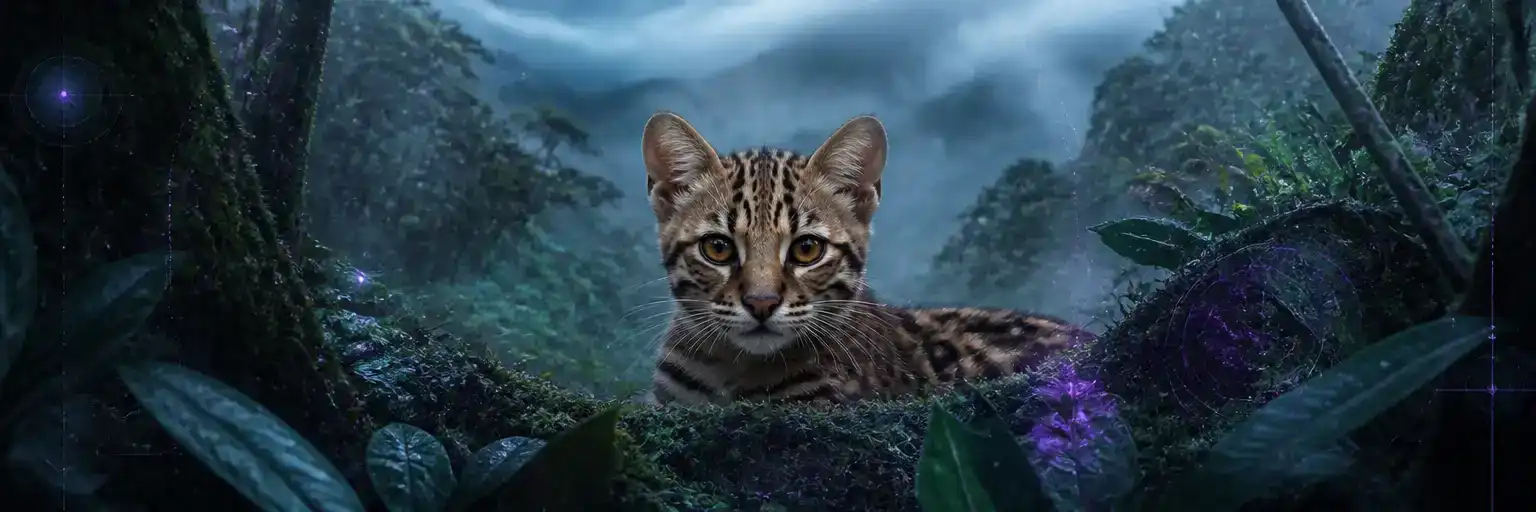
Bolivia's New Cat: More Than a Discovery, a Conservation Imperative
The identification of *Leopardus tilcayo* in Bolivia, the first new wild cat in over a century, underscores the vibrant hidden biodiversity in remote ecosystems and the indispensable role of local communities in safeguarding these natural treasures.
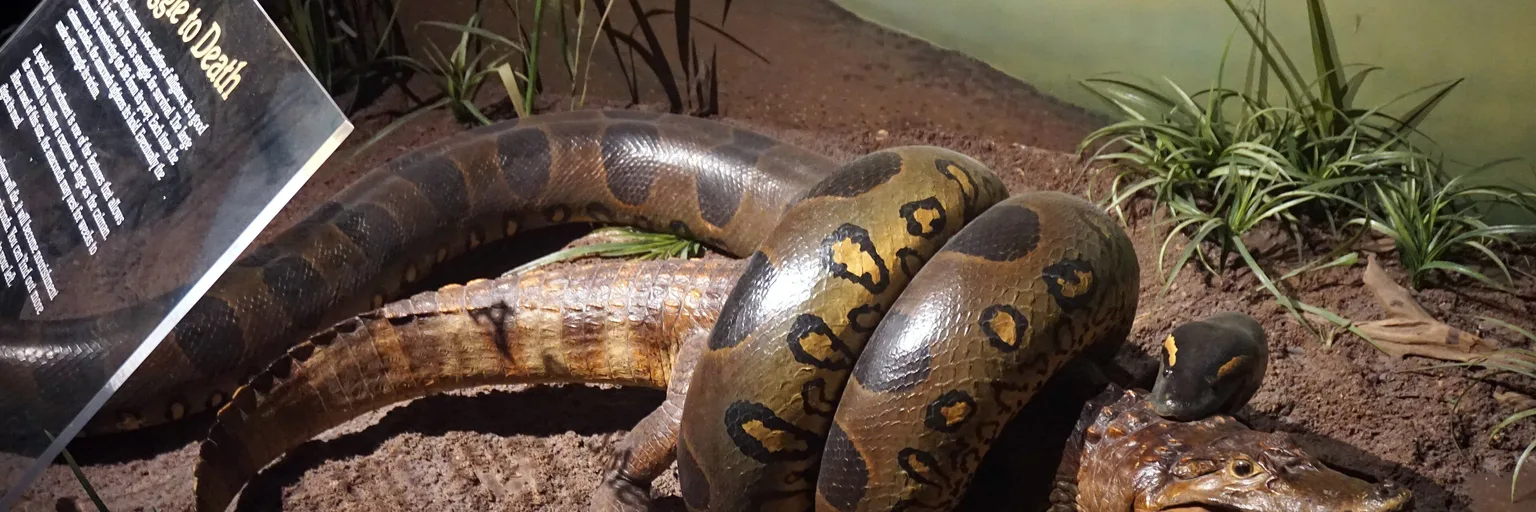
Will Smith and the Anaconda: When Celebrity Catalyzes Science
The discovery of a new giant anaconda species during a Will Smith documentary underscores how unexpected collaborations can elevate scientific findings, prompting reflection on research visibility.
A Selfie and a Giant Water Lily: Social Media's Unexpected Role in Discovery
The tale of a critically endangered giant water lily discovered via Instagram underscores how public engagement and unconventional platforms are reshaping biological exploration and conservation.