Curisfera Newsroom
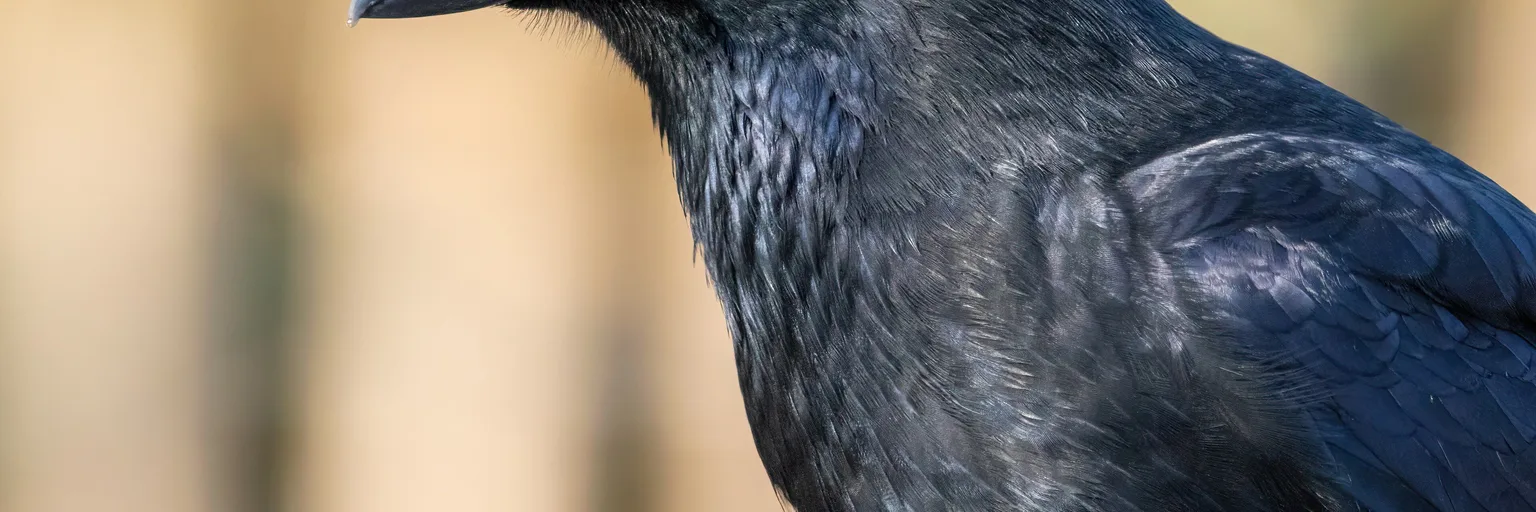
Fast crows aren't smarter than us: they're a different design
Crows decided twice as fast as humans and monkeys in a lab test. That says less about who is smarter than about how many ways evolution can build a thinking brain.
Crows decided twice as fast as humans and monkeys in a lab test. That says less about who is smarter than about how many ways evolution can build a thinking brain.
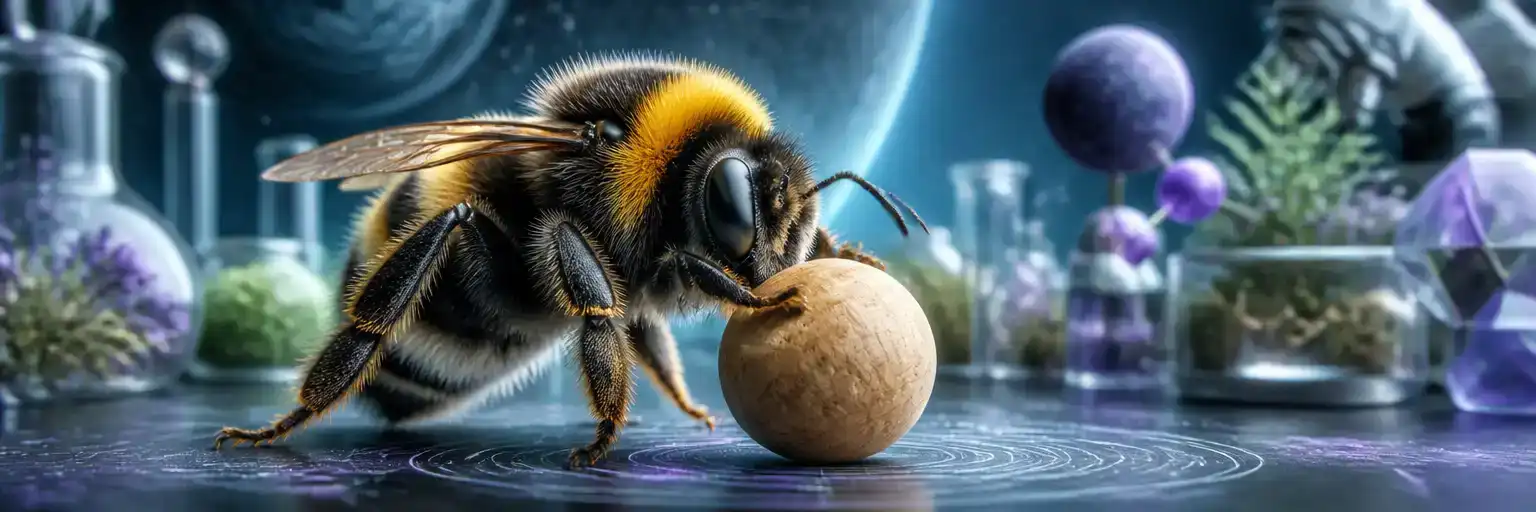
A new study demonstrating that bumblebees voluntarily roll wooden balls without reward challenges traditional views of play, pushing us to rethink insect intelligence and sentience.
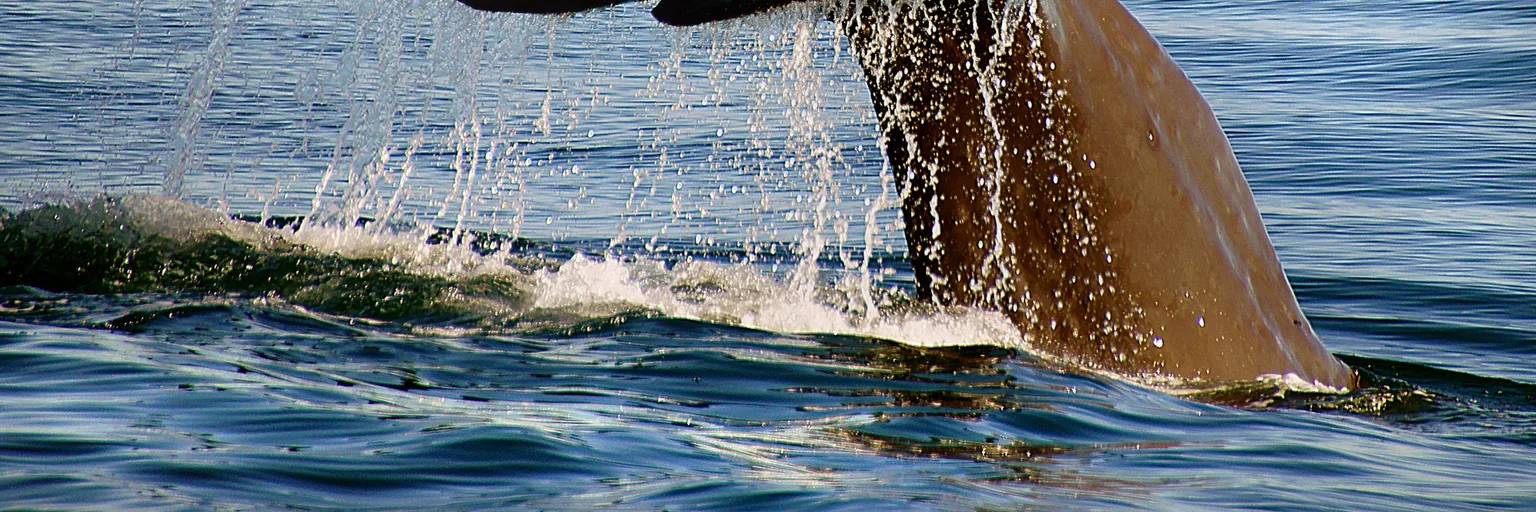
The latest breakthroughs in deciphering sperm whale communication are not merely a scientific curiosity but a profound re-evaluation of animal cognition and our place in the natural world.
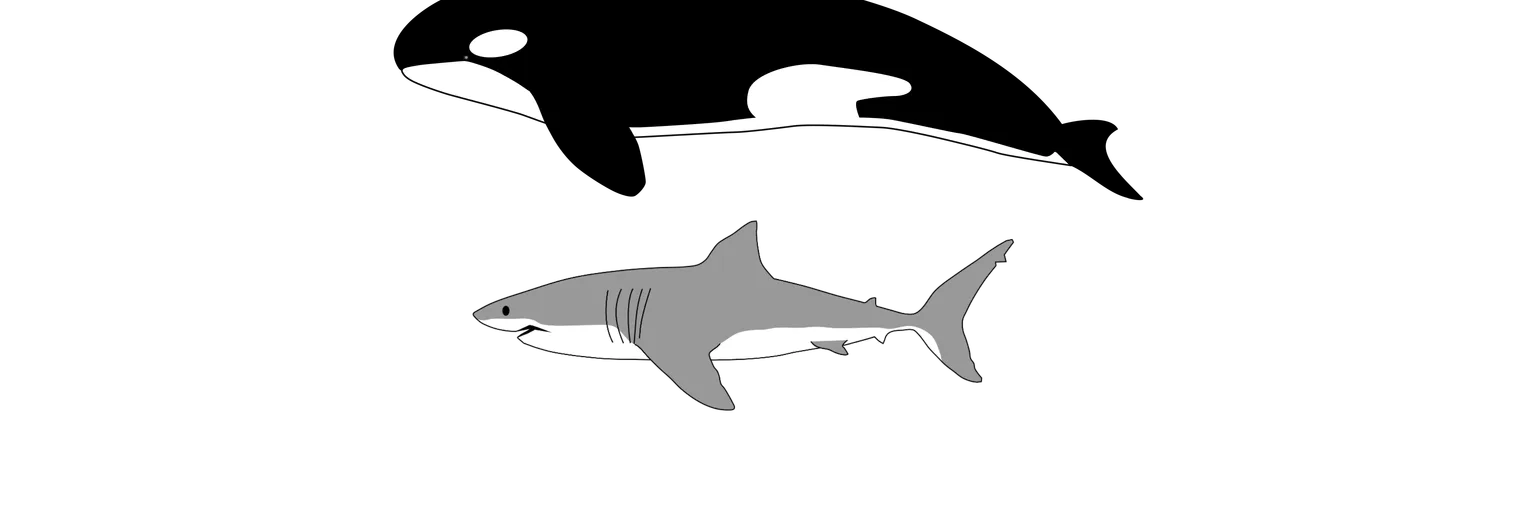
The dramatic escalation of orcas hunting great white sharks, once a rare sight, is now a documented pattern, reflecting how climate change is subtly yet profoundly reshaping marine ecosystems.
The surprising role of narcoleptic dogs, particularly one named Watson, has been pivotal in unraveling the genetic and neurological mechanisms of narcolepsy, paving the way for groundbreaking human treatments.
The recent discovery of a unique ultrasonic vocalization in rats enjoying chocolate offers an unprecedented, real-time window into animal pleasure, fundamentally reshaping our understanding of reward states and emotional expression.
Recent research on Goffin's cockatoos demonstrating body awareness in obstacle tasks suggests a more complex form of self-perception in birds than previously assumed, reshaping our understanding of animal cognition.