A Century-Old Kidney: How Medical Progress Redefines Longevity
The extraordinary story of a kidney functioning for a century challenges our perceptions of organ longevity and underscores the profound impact of decades of advancements in transplantation.
AI-generated image
Can an organ truly live for a century? This isn't a rhetorical question about the human body's incredible resilience, but a tangible reality for one recipient whose transplanted kidney is now celebrating its 100th year. This remarkable milestone isn't merely a curiosity; it's a powerful testament to the breathtaking advancements in organ transplantation, pushing the boundaries of what we once thought possible and redefining the potential for long-term health and quality of life for recipients.
Ray Vetuskey was just 16 years old when, in March 1978, he received a life-saving kidney transplant at Strong Hospital. The donor was his mother, Betty, a selfless act that granted him a second chance at life. Fast forward 48 years, and that same kidney continues to function, making Ray URochester Medicine's longest-surviving kidney transplant recipient, living with what is now considered a 100-year-old organ, factoring in its time in both mother and son, as URMC reports. This incredible longevity, prominently featured recently by WHEC, compels us to look beyond the immediate success of a transplant and consider the profound implications of such enduring functionality.
More Than a Miracle: A Century of Progress
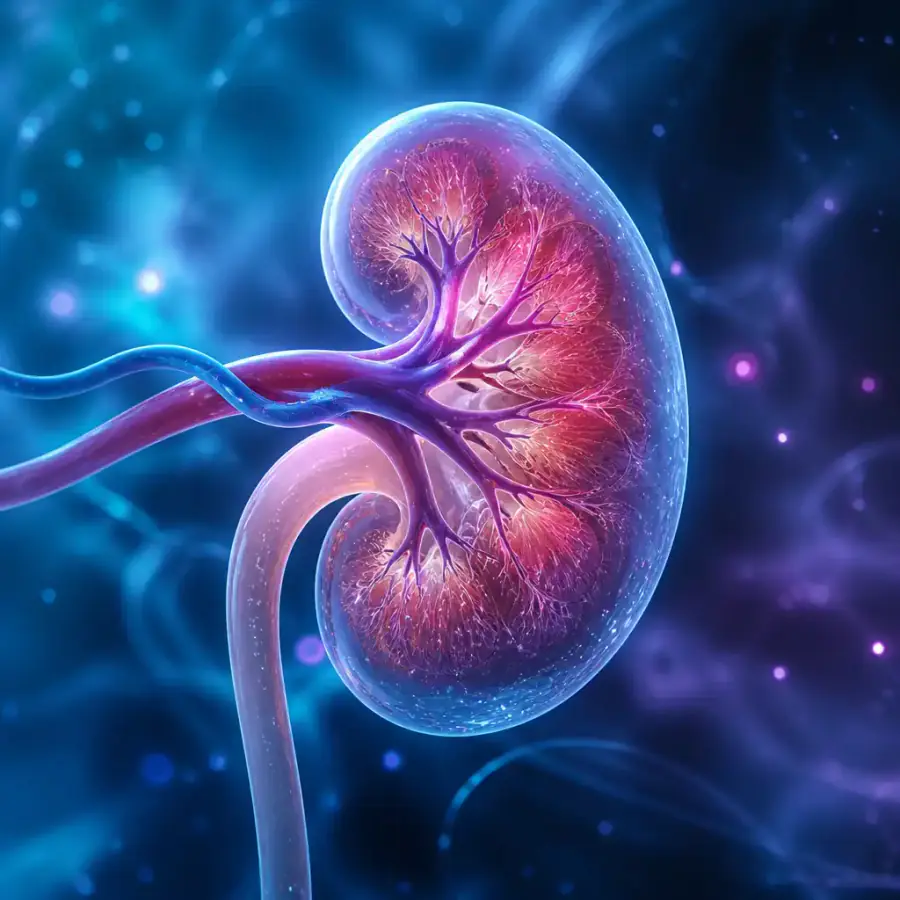
The celebration of this "century-old kidney" is a powerful symbol of how far medical science has come. While early attempts at organ transplantation, such as Yuri Yurijevich Voronoy's pioneering efforts with kidneys from deceased donors, laid crucial groundwork, the path to long-term success was challenging, even involving experimental transplants in animals in the early 20th century, as documented by PMC. In Spain, for example, Esteve Capella received a kidney from his brother in 1975, becoming one of the first recipients to live for decades with a transplanted organ, according to clinicbarcelona.org.
Ray Vetuskey's story, like that of George Franklin III, who has maintained his kidney transplant for 46 years and counting, as kidney.org notes, isn't just a random statistical outlier. It represents the cumulative advancements in surgical techniques, immunosuppressive drugs, and post-operative care that have transformed transplantation from a desperate last resort into a viable, long-term treatment for kidney failure. These developments allow kidneys from both living and deceased donors to offer patients a new lease on life, as kidney.org explains.
Redefining Longevity and Quality of Life
The ability of a transplanted kidney to function for decades directly impacts a patient's quality of life, offering a significant improvement over alternatives like hemodialysis. Patients like Josean, who received a kidney from his father, attest to how a transplant allows them to start a
No topics yet: start the first one.
More stories
Is Losing Cell Identity the Real Cause of Aging?
The latest science points to a cellular 'identity crisis' – the loss of epigenetic information – as a fundamental driver of aging, a reversible process that could redefine how we combat age-related decline.