Curisfera Newsroom
Childhood cancer maps have blind spots, and that's progress
Aggressive cells hiding in pediatric tumors labeled lower-risk show how incomplete our cancer maps are. It's a real research step, but not yet a change in treatment.
A New England Journal of Medicine trial strengthens immune-targeted treatment, but the hard part is turning fewer toxic drugs into an accessible standard of care.
Professor Michele Carbone's Szent-Györgyi Prize for his mesothelioma discoveries underscores the profound impact of genetics and the indispensable role of cross-cultural scientific collaboration in transforming public health.
Recent research reveals DNAJB12's complex and often contradictory roles in cancer cell survival and death, challenging our therapeutic strategies and opening new avenues for overcoming drug resistance.
The Italian Medicines Agency's significant investment in the CARtoALL project isn't just funding research; it's solidifying Italy's position as a leader in advanced, life-saving CAR T-cell therapies for aggressive blood cancers.
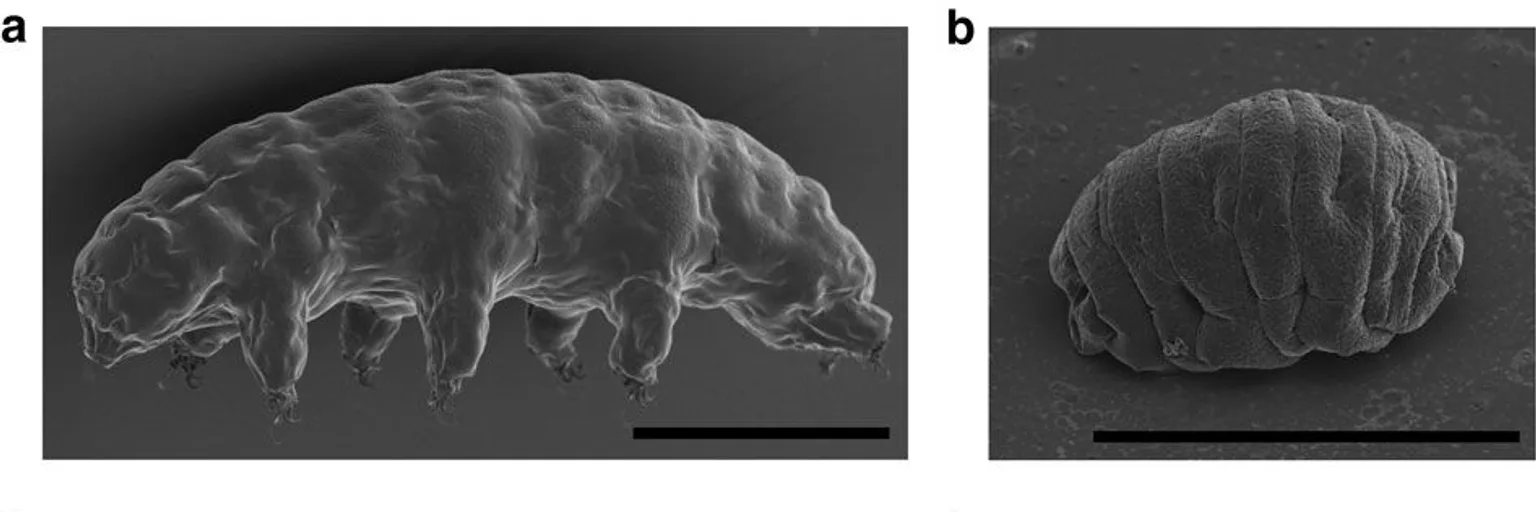
The remarkable resilience of tardigrades is no longer just a biological curiosity; its proteins could soon protect human cells, signaling a revolutionary shift in medicine.
A landmark study reveals striking genetic similarities between feline and human cancers, signaling a potential paradigm shift in how we approach cancer research, with mutual benefits for both species.