The Milky Way’s Hidden Black Holes Need More Than Human Eyes
Citizen scientists could turn archival telescope data into a discovery engine, but the real breakthrough will come from validating signals—not merely spotting unusual curves.
The exceptionally clear GW250114 signal has unequivocally verified Stephen Hawking's black hole area theorem and Roy Kerr's description of spinning black holes, deepening our understanding of the universe's fundamental laws.
Recent discoveries of unusual galaxies, shaped by ancient collisions, reveal supermassive black holes are not just passive inhabitants but active forces dictating galactic evolution.
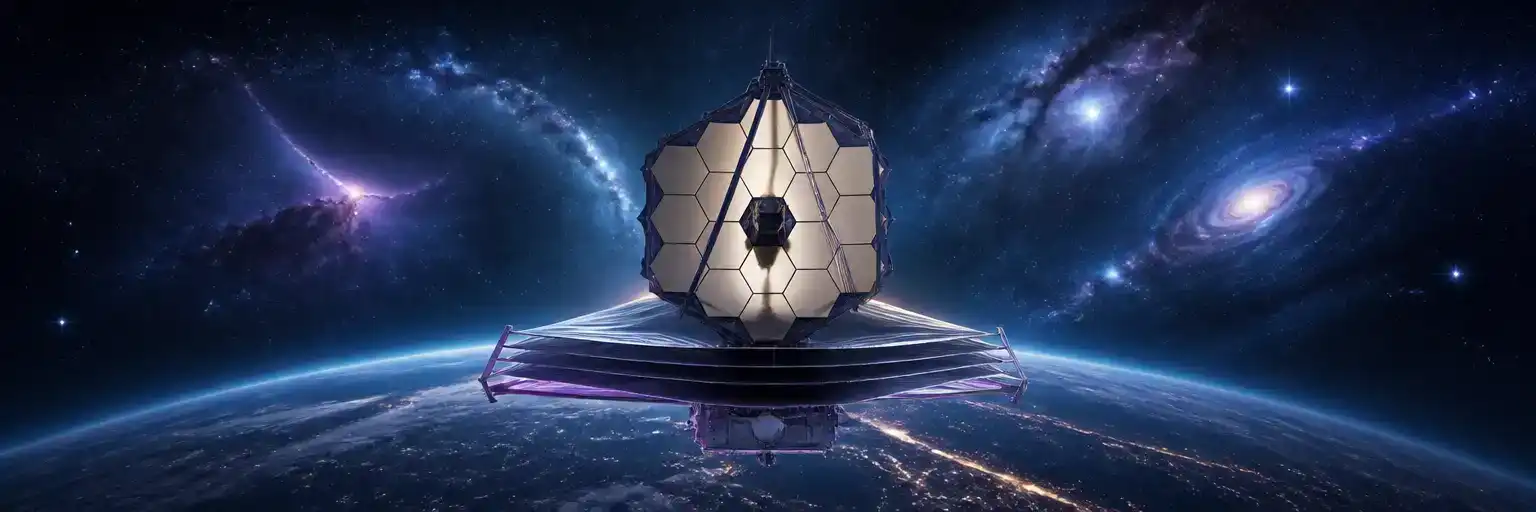
NASA's new far-infrared space telescope, Prima, is a critical leap in astrophysics, set to unlock mysteries about planetary water acquisition and black hole growth beyond even the James Webb's perception.