Two brains in one skull? Treat it as a story about origins
A Stanford-led study says the brain grows from two distinct cell lineages. It's a fascinating hypothesis about evolution, not a reason to tear up how we understand the brain.
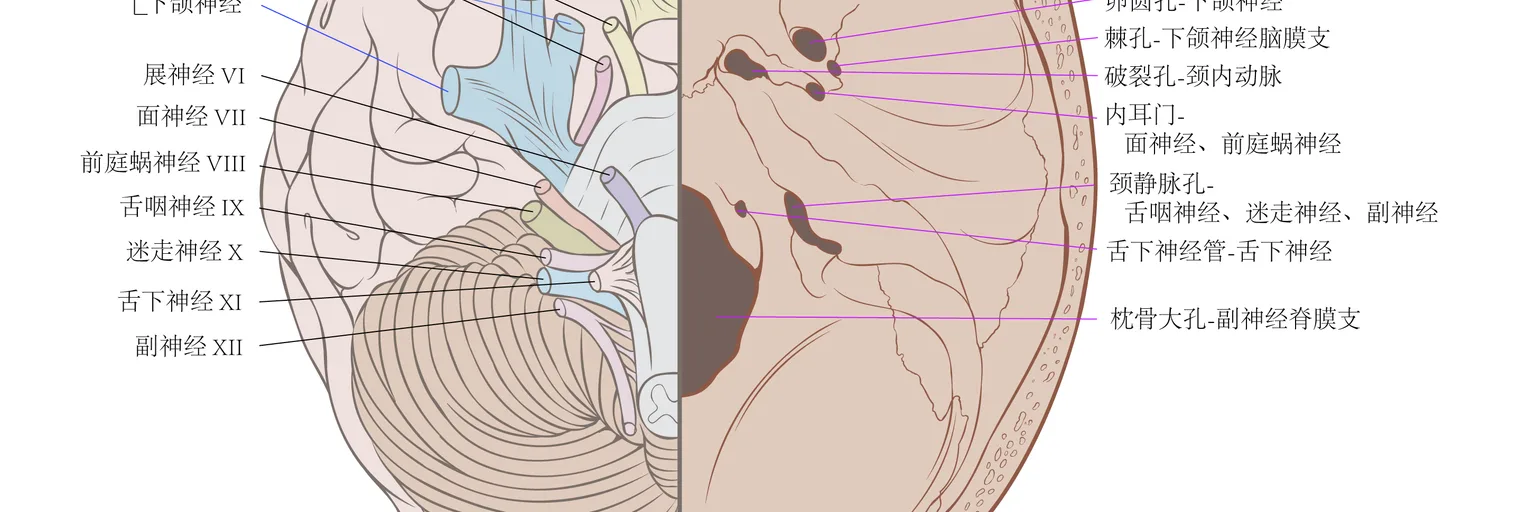
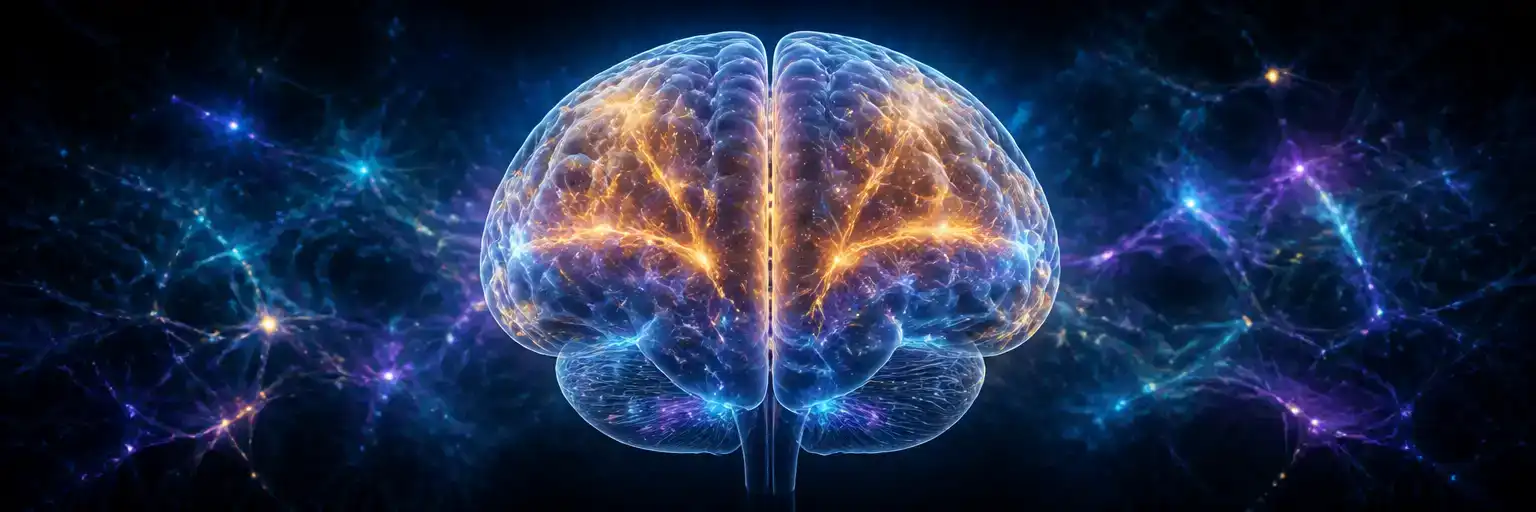
A preprint says the brain alternates between conscious and suppressed signals about 15 times a second. Fascinating, yes, but it doesn't mean you are half-unconscious.
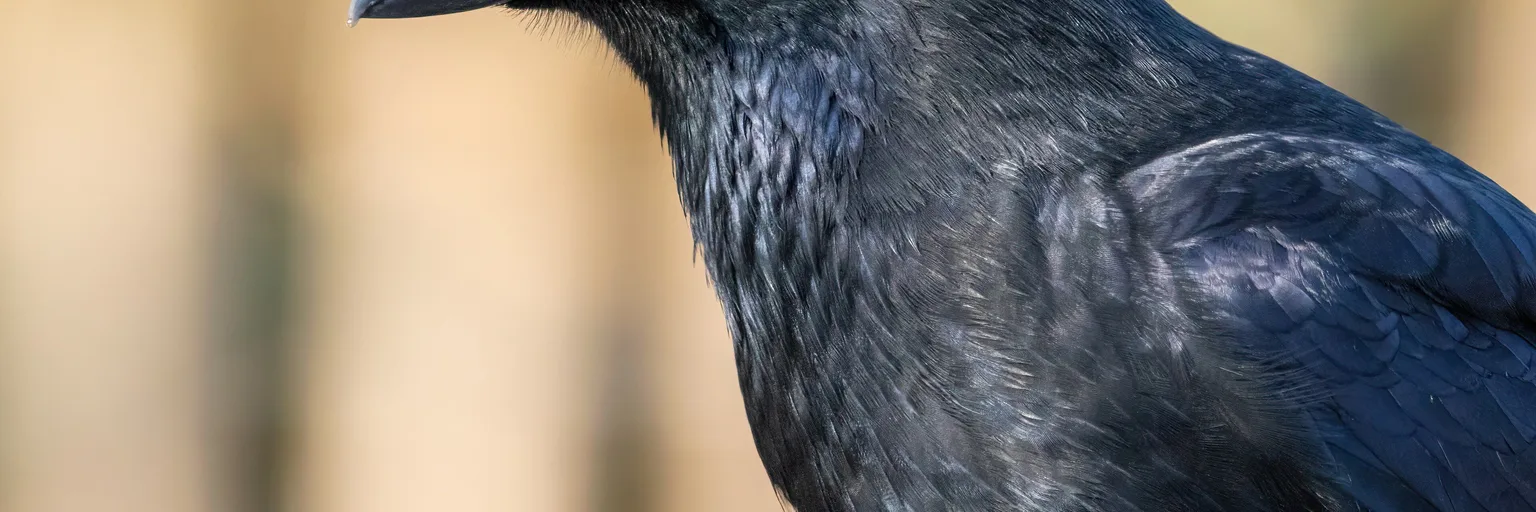
Crows decided twice as fast as humans and monkeys in a lab test. That says less about who is smarter than about how many ways evolution can build a thinking brain.
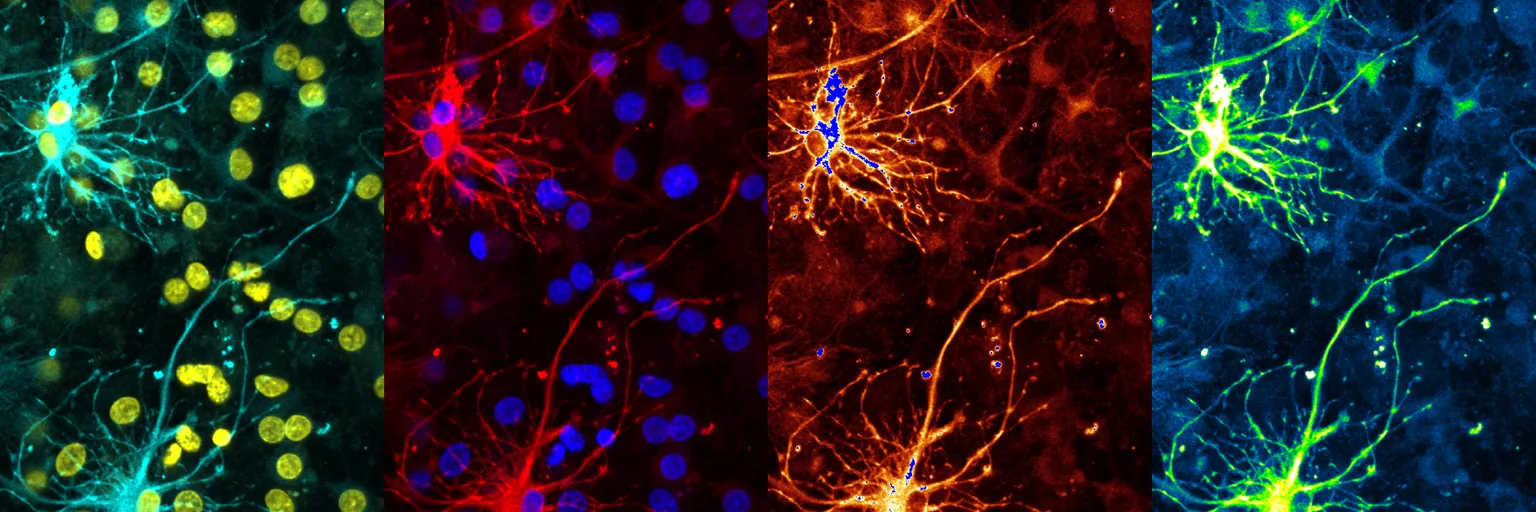
A Chinese Science study says single neurons can compare rules with sensory input. The real lesson is about biology's textbook model, not about brain-like machines.
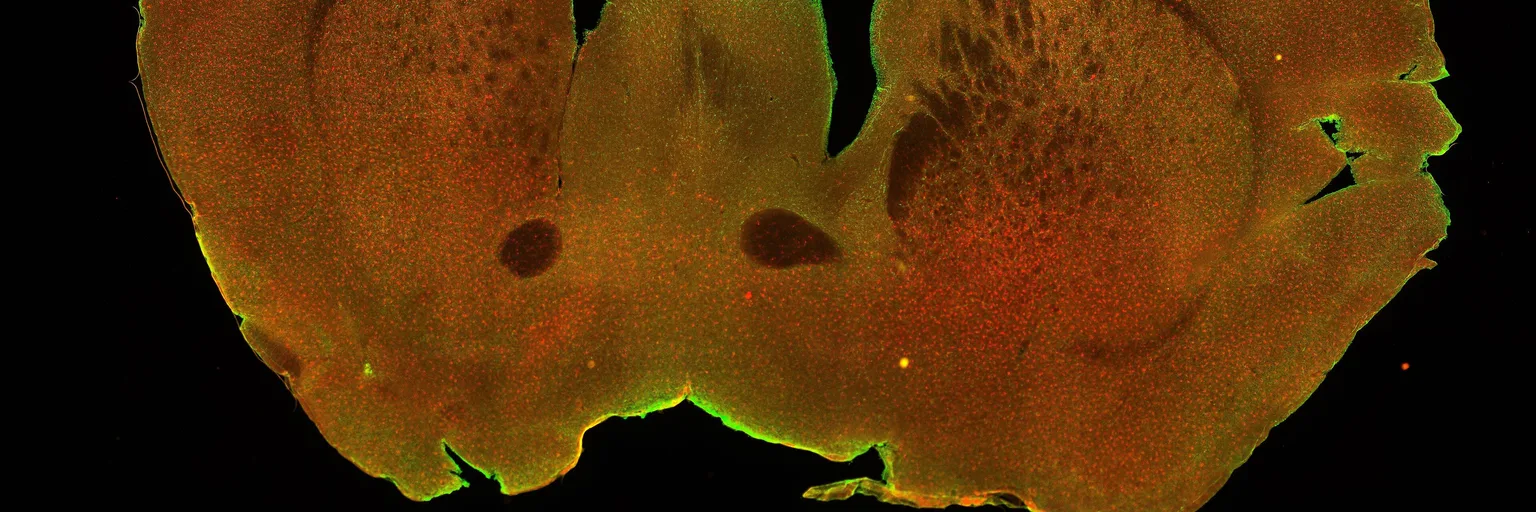
German researchers kept mouse brain tissue functional after vitrification. That is a genuine preservation advance, and cryonics hype should not borrow its credibility.
A bolete that makes diners see tiny, law-abiding elves is more than a folk curiosity: it is a rare tool for studying how the brain builds scale and presence.
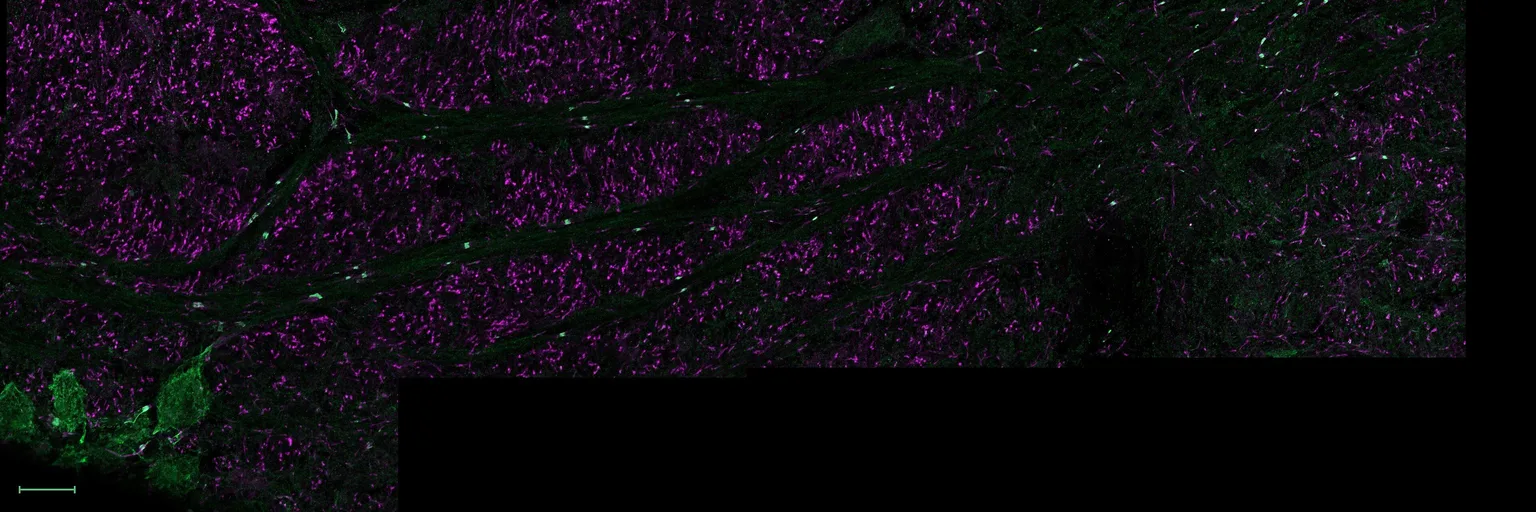
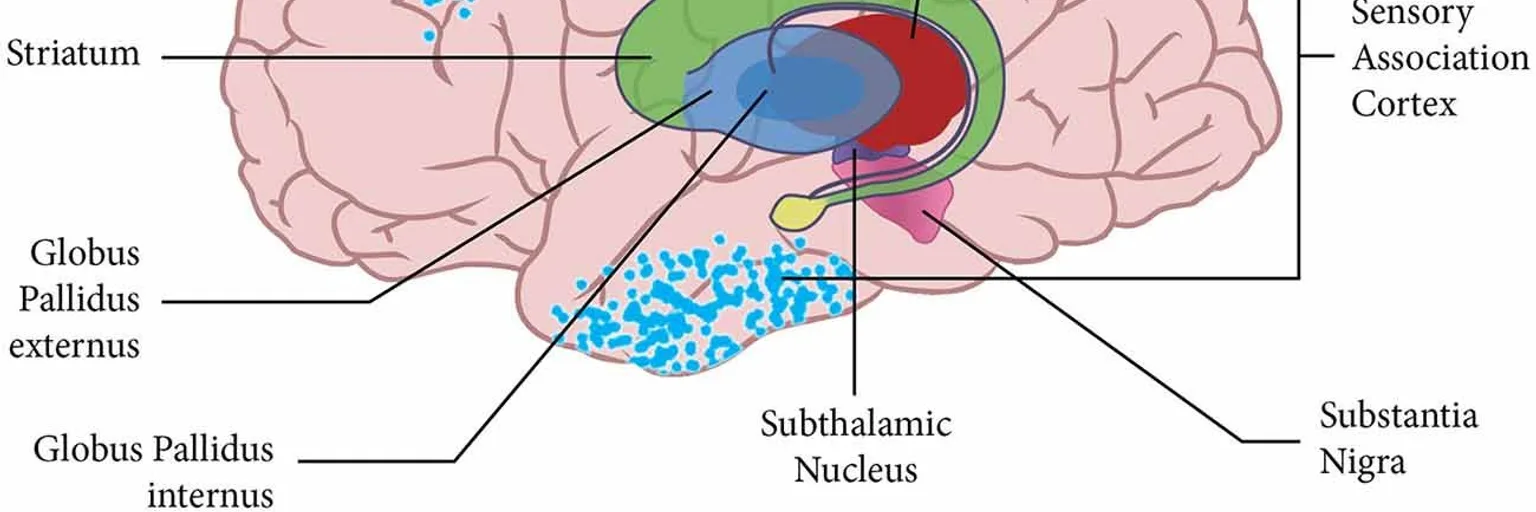
A mouse study suggests herpes simplex reprograms the brain's immune cells. It is a useful mechanistic hint for the Alzheimer's debate, but it doesn't show cold sores harm your brain.
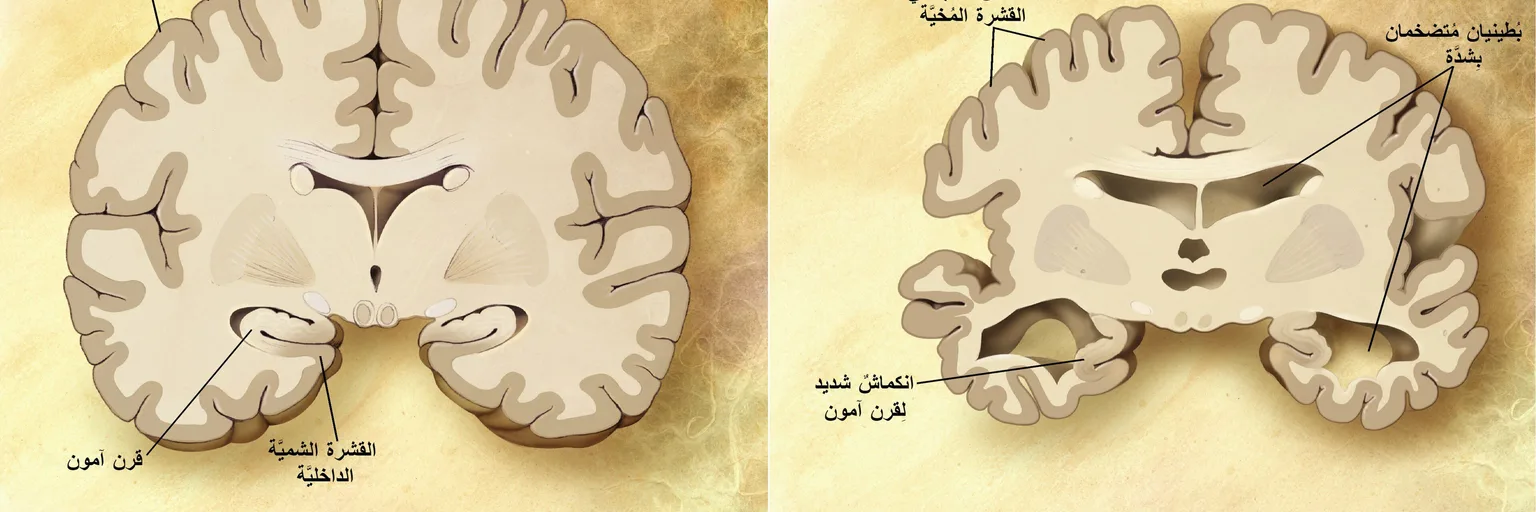
Mounting evidence strongly links common herpesviruses to Alzheimer's disease, reshaping our understanding, yet clinical trials show the path to treatment remains complex.
A Brazilian neuroscientist's ambitious plan to send human mini-brains into orbit aboard the Haven-1 commercial space station could dramatically accelerate Alzheimer's research, leveraging the unique conditions of space.
The surprising role of narcoleptic dogs, particularly one named Watson, has been pivotal in unraveling the genetic and neurological mechanisms of narcolepsy, paving the way for groundbreaking human treatments.
The BioGravity-1 mission, launching the first biological samples from the Middle East into space, is a strategic move positioning Saudi Arabia at the forefront of understanding and treating neurodegenerative diseases.
New research challenges the long-held belief of a single origin for the human brain, suggesting it formed from two distinct embryonic systems, an insight that could revolutionize neurodevelopmental research.
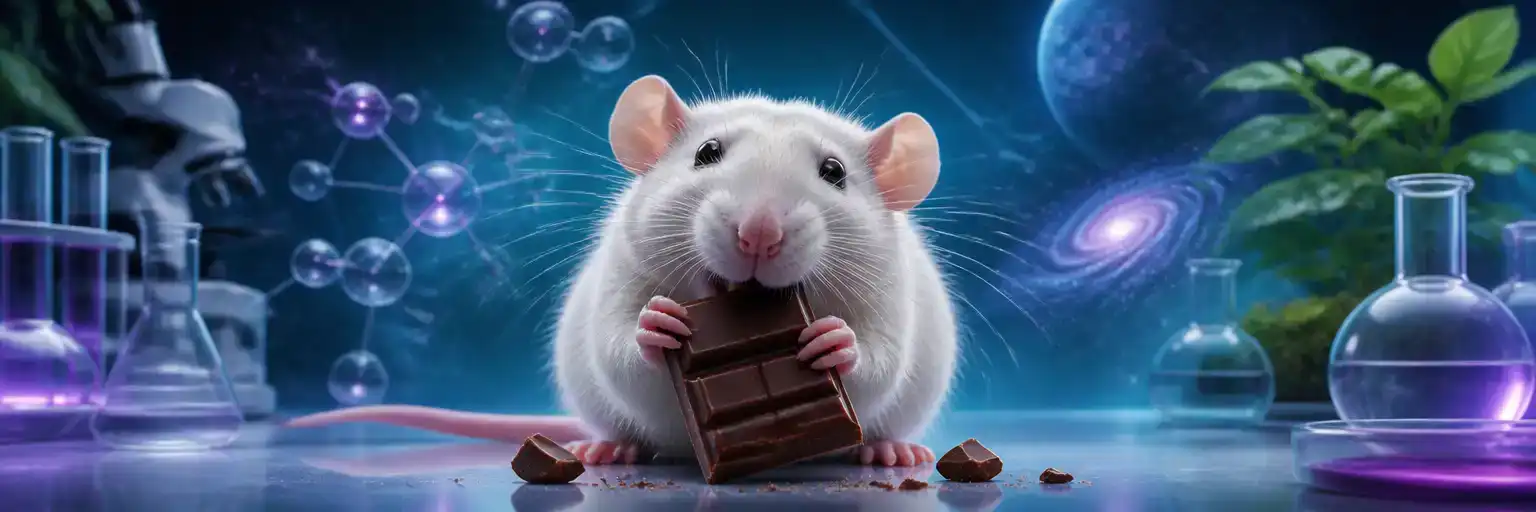
The recent discovery of a unique ultrasonic vocalization in rats enjoying chocolate offers an unprecedented, real-time window into animal pleasure, fundamentally reshaping our understanding of reward states and emotional expression.
The 2026 Nobel Prize in Physiology or Medicine for optogenetics marks a pivotal moment, recognizing a revolutionary method that allows us to actively control brain activity with light, transforming our understanding of the mind.