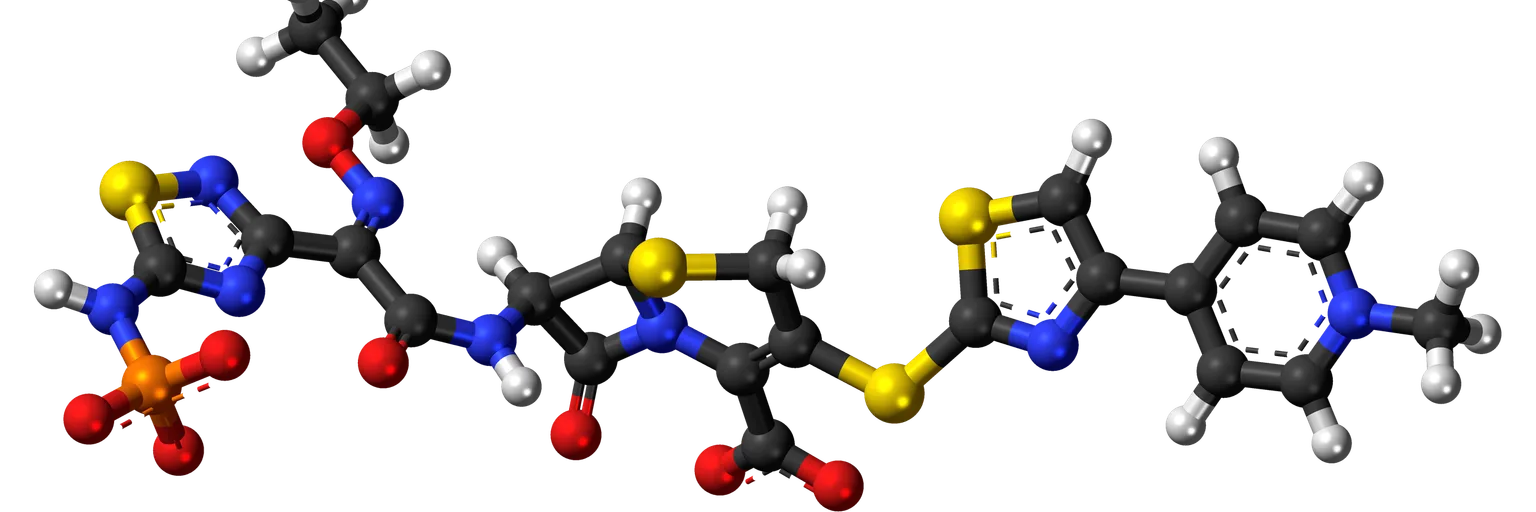
Plastic-to-levodopa is clever biology, not circularity solved
Engineered bacteria can turn PET-derived chemicals into L-DOPA, but the breakthrough still has to prove its cost, safety and scale before it becomes circular manufacturing.
A New England Journal of Medicine trial strengthens immune-targeted treatment, but the hard part is turning fewer toxic drugs into an accessible standard of care.
A novel injectable drug that eliminates fat cells rather than merely shrinking them promises a targeted approach to reducing dangerous visceral fat, potentially revolutionizing long-term obesity treatment.
A new class of effective antibiotic molecules, powered by innovative AI, signals a pivotal moment in our urgent battle against drug-resistant bacteria, offering a potential paradigm shift in life-saving drug development.
The surprising role of narcoleptic dogs, particularly one named Watson, has been pivotal in unraveling the genetic and neurological mechanisms of narcolepsy, paving the way for groundbreaking human treatments.
A groundbreaking discovery from Stanford offers a new perspective on treating osteoarthritis, moving beyond merely repairing damage to unlocking the body's inherent regenerative power.
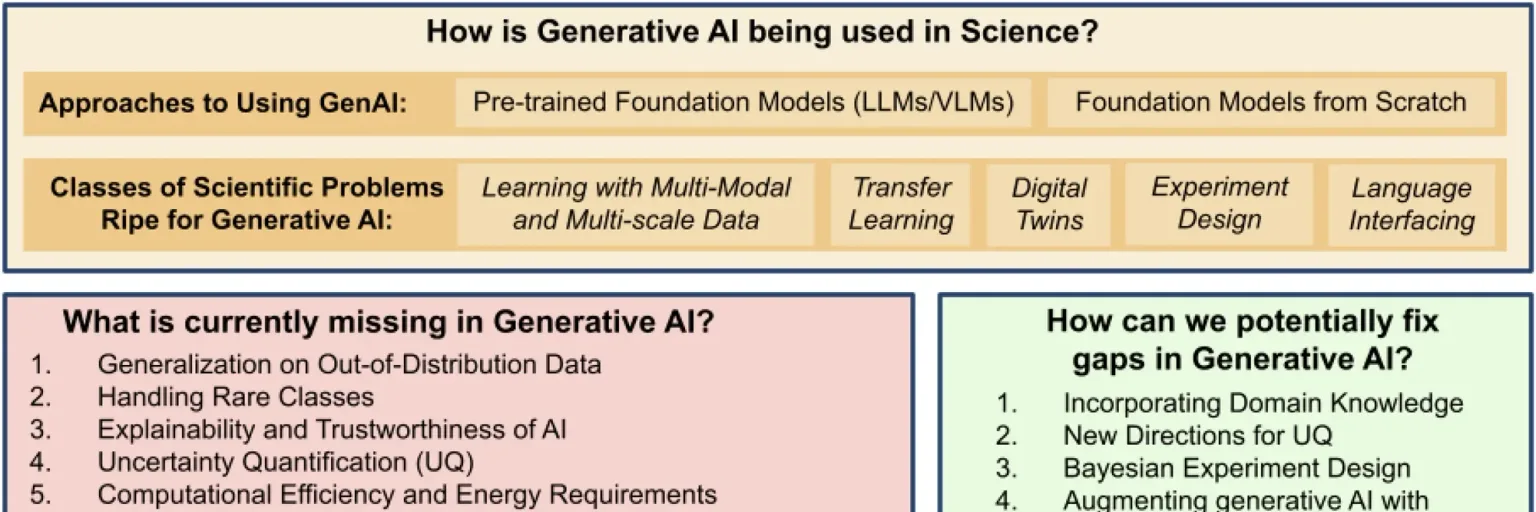
Shou Zi Chew's optimistic forecast of AI-driven scientific breakthroughs within three years highlights AI's transformative potential, but also underscores urgent questions about human oversight and ethical boundaries in this accelerated future.
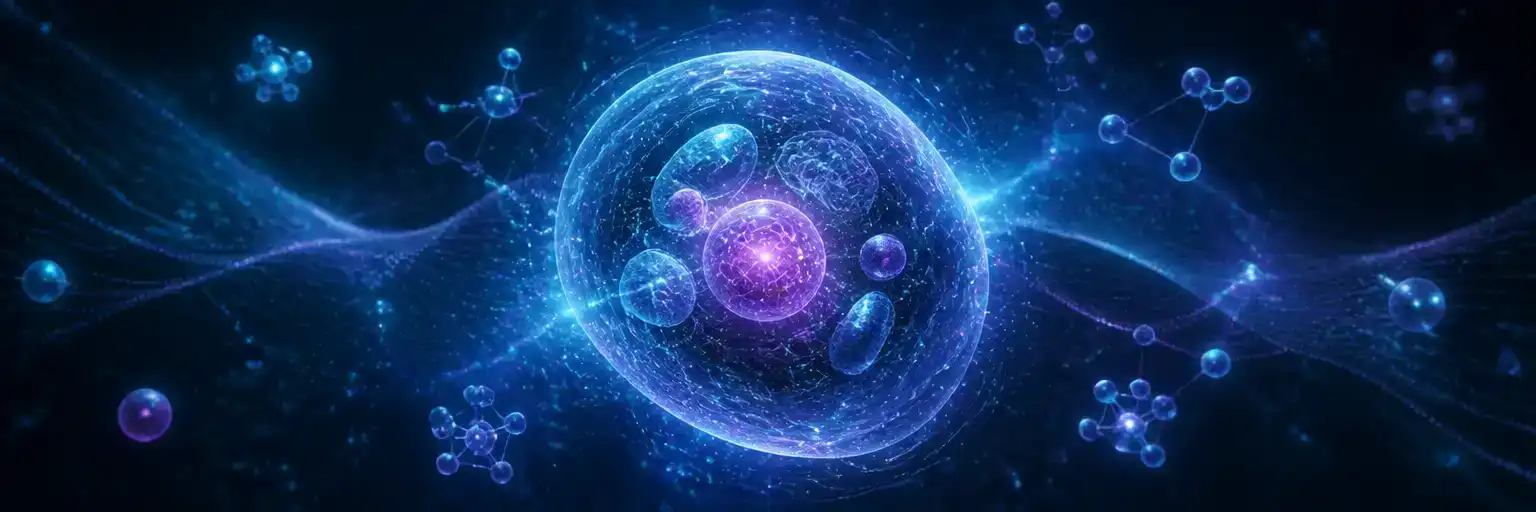
The $300 million investment in Biohub's virtual cell project signals a new frontier for AI in biology, but its true impact hinges on predictive accuracy and equitable access to its vast datasets.
The 2026 Nobel Prize in Chemistry celebrates Henri Kagan and Kenso Soai's groundbreaking work, finally taming the elusive mirror-image nature of molecules to revolutionize medicine.